
This article is a direct translation of the original article written in Arabic.
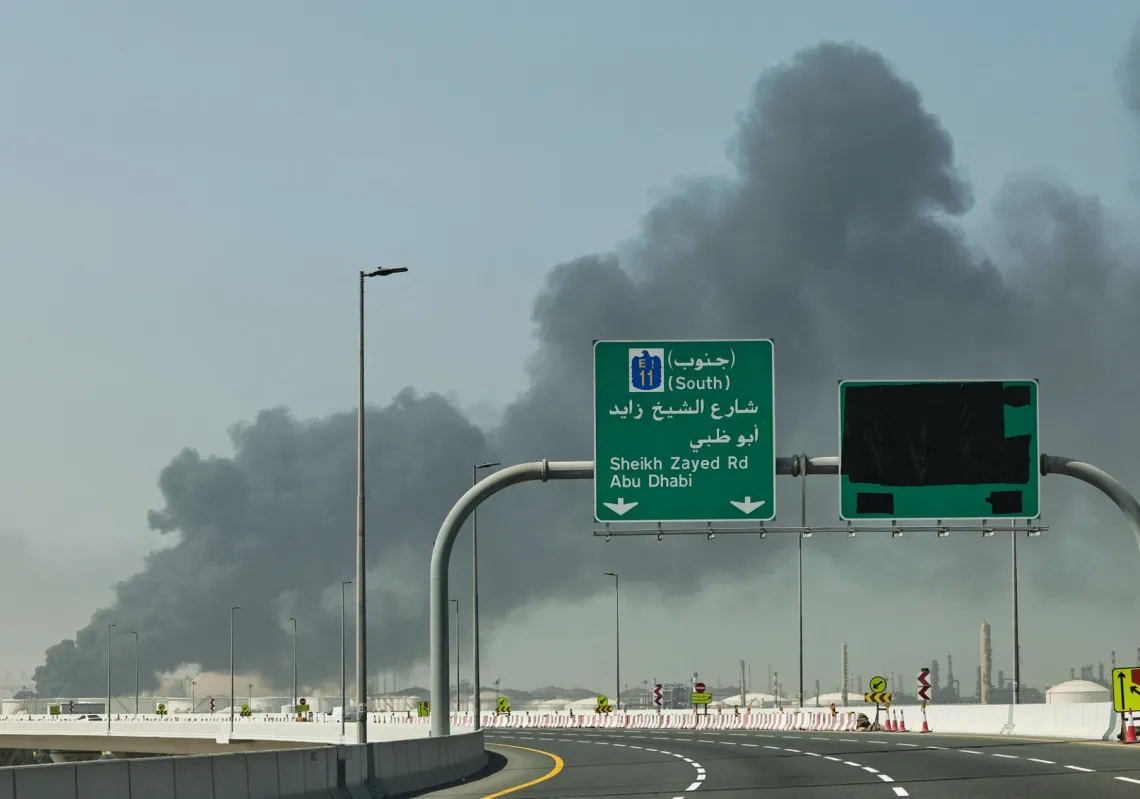
The current security escalation in the Arabian Gulf cannot be seen as a brief flare-up within the familiar pattern of clashes the region has long endured. Rather, it should be understood as a genuine structural test of the resilience of the regional security architecture. The Gulf today faces a set of interconnected strategic challenges whose repercussions reach beyond the immediate geography, striking at the heart of global energy security, the stability of financial markets, and the resilience of international supply chains.
The Gulf is no longer merely a reservoir of conventional energy. It has become a vital logistical and financial artery linking the economies of East and West. Any security shock there therefore becomes a compounded crisis, battering emerging markets in Asia and industrial centres in Europe alike, and exposing the global economic system to acute strategic vulnerability.
At the centre of this complex picture, a fundamental shift is evident in the role of foreign military bases across the region. After decades in which these bases formed a solid and effective deterrent umbrella that underpinned stability and protected core interests, they have now become potential targets and points of weakness in an asymmetric war of attrition.
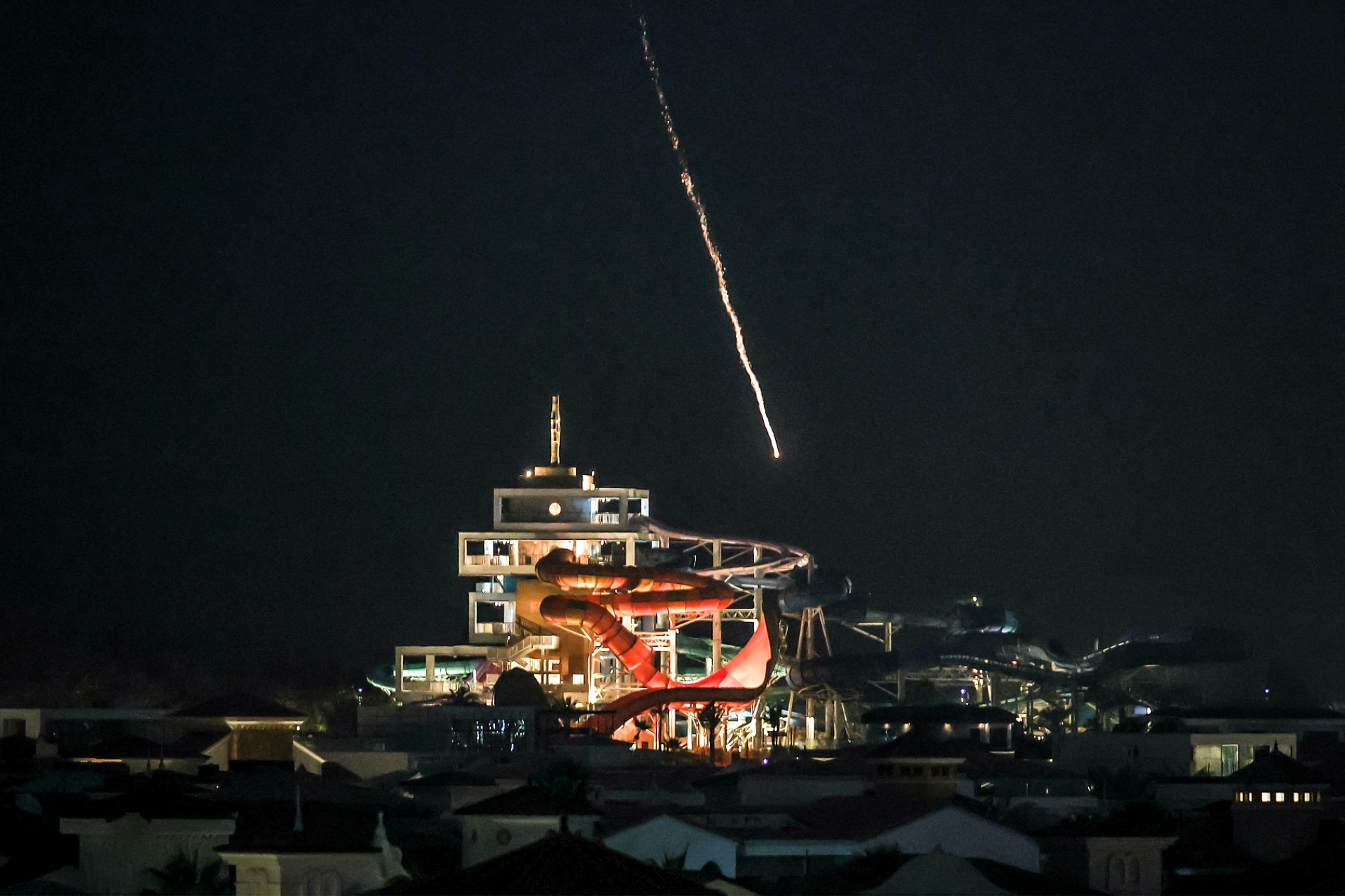
This new form of warfare relies primarily on offensive tactics using swarms of drones and low-cost ballistic missiles, weapons that carry a dangerous tactical capacity to exhaust advanced defensive systems that cost states millions of dollars for each successful interception.
This vast cost disparity overturns traditional deterrence calculations, turning expensive technological superiority into an economic burden that can be drained with relative ease. In this changing reality, Gulf capitals face an urgent need to reformulate their security and defence strategies. The continuation of an attritional crisis no longer threatens security and stability alone. It also places long-term economic development and major diversification projects under deep pressure, demanding strategic autonomy and solutions that go beyond total reliance on an external ally.
Gulf security is now hostage to a complex web of interconnected threats that goes beyond the traditional concept of war, combining direct military escalation, covert cyberattacks, and sustained pressure on vital maritime shipping routes. The Strait of Hormuz, through which around 34% of global seaborne oil trade passes, along with the strategic corridors of the Red Sea, has shifted from being a conduit for international commerce to a principal geopolitical lever used by parties to the conflict to impose their terms.
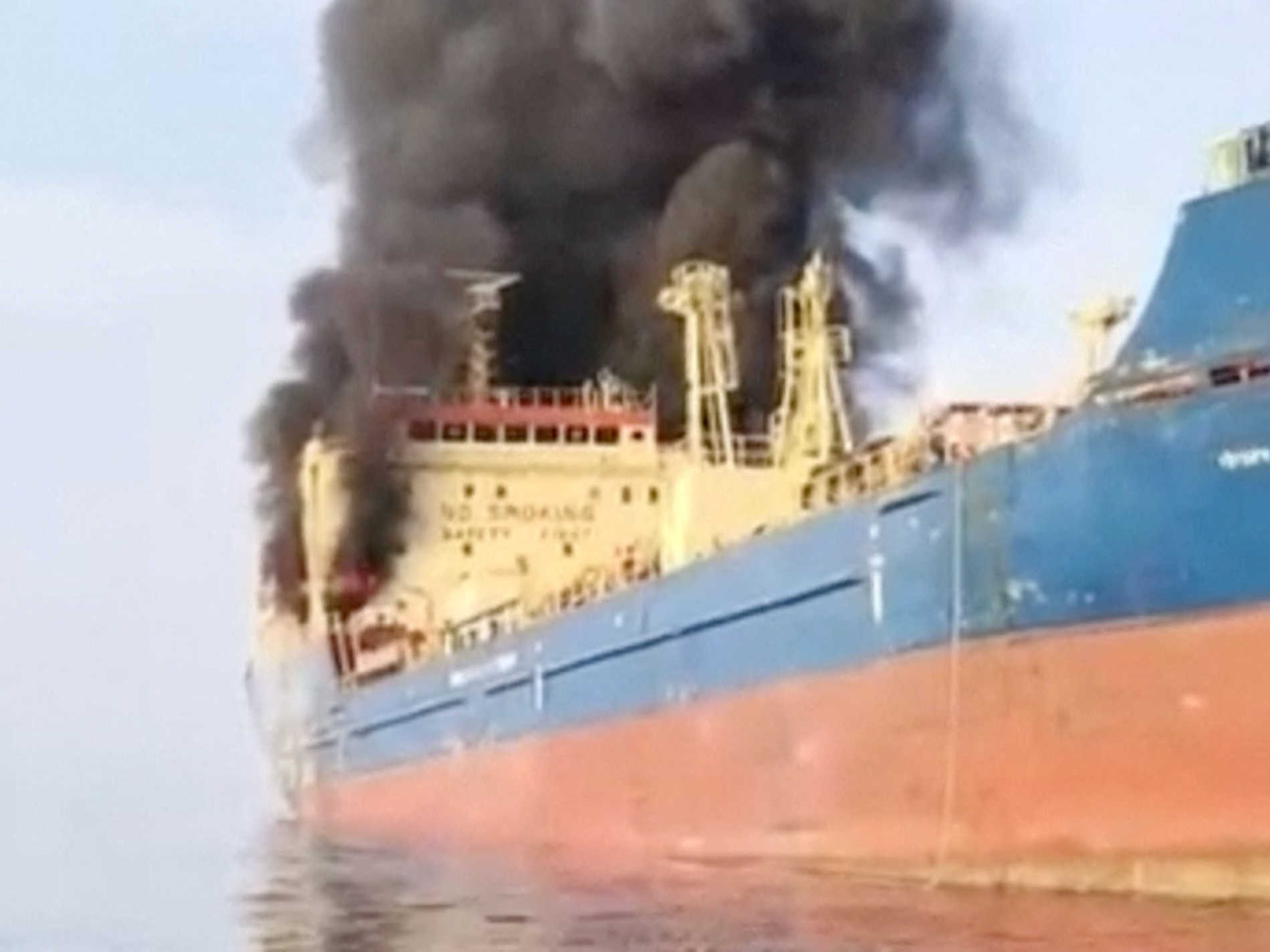
Any disruption or closure of these routes, even if limited to a few weeks, would be enough to unleash successive shockwaves through the core of global supply chains. The impact of such a scenario is not confined to the region. It would raise oil prices to record levels, potentially exceeding $120 a barrel, inevitably straining emerging economies in Asia and Europe and pushing the global economy into greater strategic vulnerability.
At the same time, a strategy of attrition has emerged as a decisive factor in shaping the new security landscape. Armed factions and other actors have resorted to launching projectiles and drones that cost only a few thousand dollars, with the aim of forcing advanced Gulf defence systems to deplete interceptor missiles that cost millions of dollars for each interception. This skewed equation turns military technological superiority from an absolute strategic advantage into an economically unsustainable burden over the long term. It confronts Gulf decision makers with a dilemma that requires deterrence mechanisms that are both low-cost and highly effective.
Economically, modern Gulf economies increasingly depend on sectors that are highly sensitive to security and stability. Global financial and tourism centres, mega-development projects, aviation hubs, and logistics networks, alongside accelerated efforts in financial and commercial diversification, all rest on capital inflows, freedom of movement, and investor confidence. Any sustained security threat, even if indirect or contained within grey zone conflict, reduces the attractiveness of these economies to foreign direct investment by a sizeable margin, according to geopolitical risk assessments used by international investment institutions. This decline challenges the economic transformation plans on which the region is relying for the era after oil.
Cyber threats add another layer of complexity to this security equation. Initial monitoring reports since the escalation began on 27 February indicate a marked rise in suspicious digital activity targeting critical infrastructure networks. The central concern is that ports and oil terminals could be hit by programmed attacks designed to disrupt production and exports at the press of a button. This is a pattern of hybrid warfare that affords actors plausible deniability and helps them avoid direct accountability, while enabling severe strategic and economic damage without a formal declaration of war.
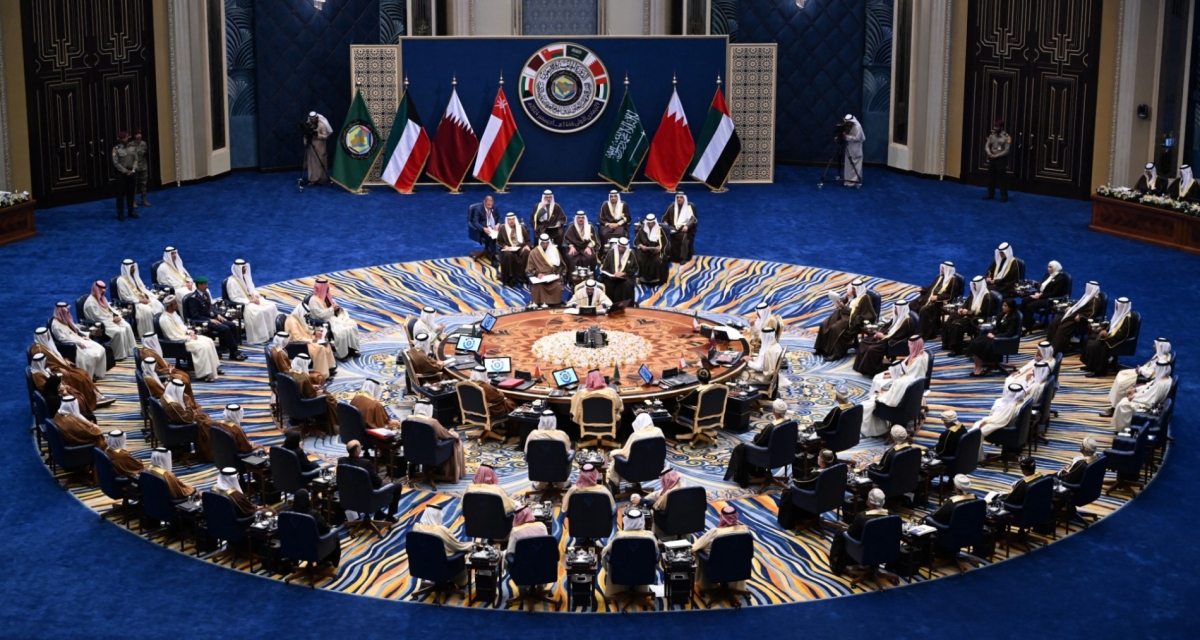
The six Gulf Cooperation Council states sit at the heart of this security storm, as an unprecedented escalation threatens the delicate balance these capitals have maintained for years through an implicit understanding that kept their territories insulated from direct conflict.
The shift of regional confrontations into open-ended crises narrows the space for diplomatic manoeuvre and compels the Council to face a reality that endangers its critical infrastructure. One of the most significant consequences is the changing role of foreign military bases across the region. They have shifted from a protective umbrella to magnets for tension, exposing ports, airports and oil facilities to direct risks.
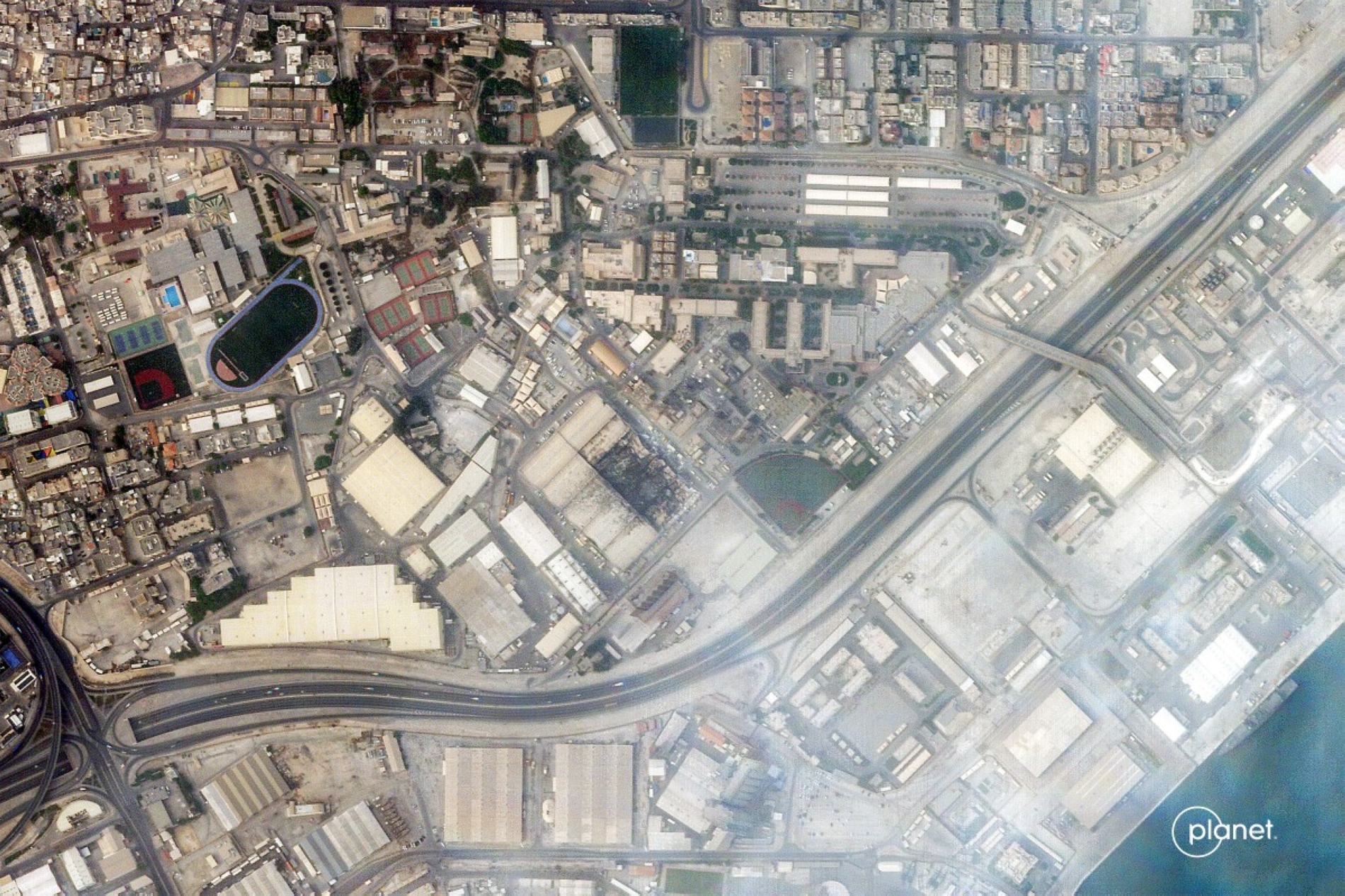
The Manama Summit of 2025 put forward the concept of indivisible security as the basis for a new strategy, shifting from safe neutrality to a collective security bloc that strengthens military and economic integration. Within this framework, Saudi Arabia is leading efforts to build a shared defensive shield that includes integrated radar networks covering land and maritime borders, while the United Arab Emirates is investing in advanced cyber defence technologies and artificial intelligence centres for early detection of attacks. Qatar, meanwhile, is strengthening its diplomatic role as a mediator, drawing on its air base as a communications hub. Kuwait and Oman maintain a policy of pragmatic balance to protect their oil resources, while Bahrain is working to reinforce its coastal defences to close gaps in the Strait of Hormuz.
These efforts are not arbitrary. Gulf economies depend on stability measured in the billions of dollars. Any sustained threat to the Strait of Hormuz is expected to cause export losses of up to $50bn per month for Saudi Arabia and the United Arab Emirates combined, undermining economic diversification plans. The Council states are therefore accelerating the development of alternative overland pipelines, such as Saudi Arabia’s East-West pipeline, which exports five million barrels a day through the Red Sea, while strengthening their own defensive capabilities to reduce dependence on external guarantees whose limitations have become clear in recent years.
Possible scenarios
Until mid-2026, the scenarios take shape around three main tracks, with confrontation below the threshold of war the more likely course. Under this track, proxy attrition continues through cyberattacks and drone attacks targeting shipping lanes, without sliding into a comprehensive clash, which could push oil prices into a range between $100 and $120 a barrel. This would be accompanied by a sharp rise in war risk premiums on vessels heading to Gulf ports, weighing on economies through additional defence and logistics costs that could reach $30bn. In this scenario, the Council states would intensify back-channel contacts to ensure the spark does not spread to their critical facilities, while strengthening joint naval patrols in the Strait of Hormuz.
The second track, limited escalation, remains a significant possibility. It would include a temporary closure of the Strait of Hormuz for weeks due to a tactical error or miscalculation. This scenario would be sufficient to halt a meaningful share of Gulf exports and lift prices towards $150, potentially driving unprecedented jumps in insurance policies that could exceed 1% of a vessel’s value for a single voyage. This reality would force Saudi Arabia and the United Arab Emirates to rely entirely on overland routes, which could hinder development projects by as much as 10% to 15%.
The third track, rapid containment, remains possible through successful Gulf and international mediation that restores the regular flow of navigation and calms global insurance markets. This track would give Gulf states a window to upgrade their air defences, drawing on accumulated experience in confronting asymmetric threats that have defined the previous phase.
By the end of 2026, the strategic landscape branches into two opposing tracks, with the balance in one leaning towards a likely regional settlement. In this scenario, mutual exhaustion necessitates a political agreement that safeguards sea lanes and reduces the influence of non-state actors, paving the way for new security arrangements to ensure the stability of energy flows.
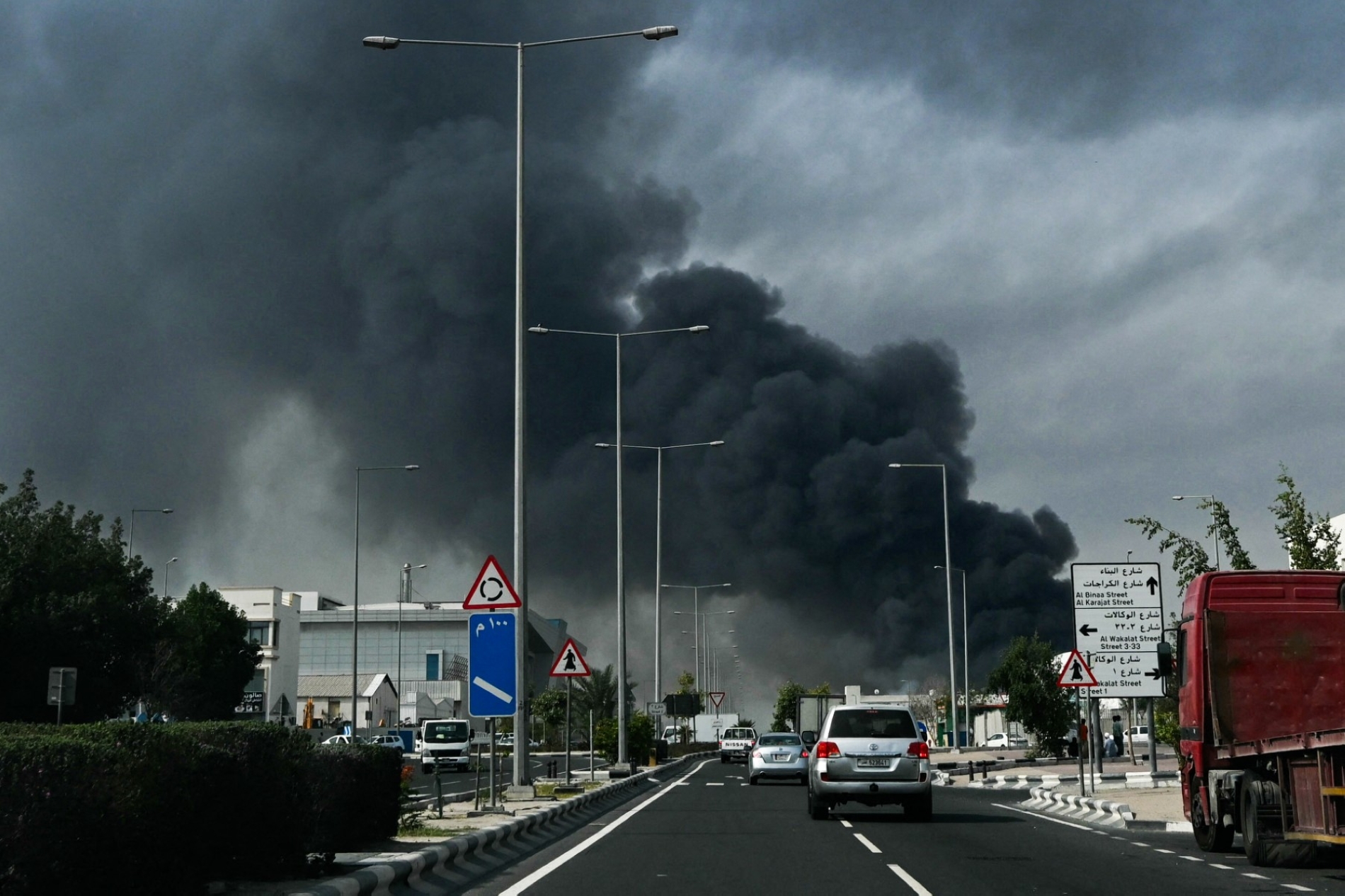
This de-escalation would allow Gulf development projects to return to their normal course with greater confidence, supported by expanded economic partnerships with China, which has injected investments estimated at around $50bn into the development of Gulf ports and logistics hubs, strengthening the region’s role as a pivotal link in global trade.
The other track is strategic unravelling, in which miscalculation or a sudden shift in alliances could widen the conflict. Such unravelling would weaken confidence in traditional American security guarantees and create a geostrategic vacuum that Russia would seek to fill through gains in the energy sector, while China would deepen its influence through economic weight.