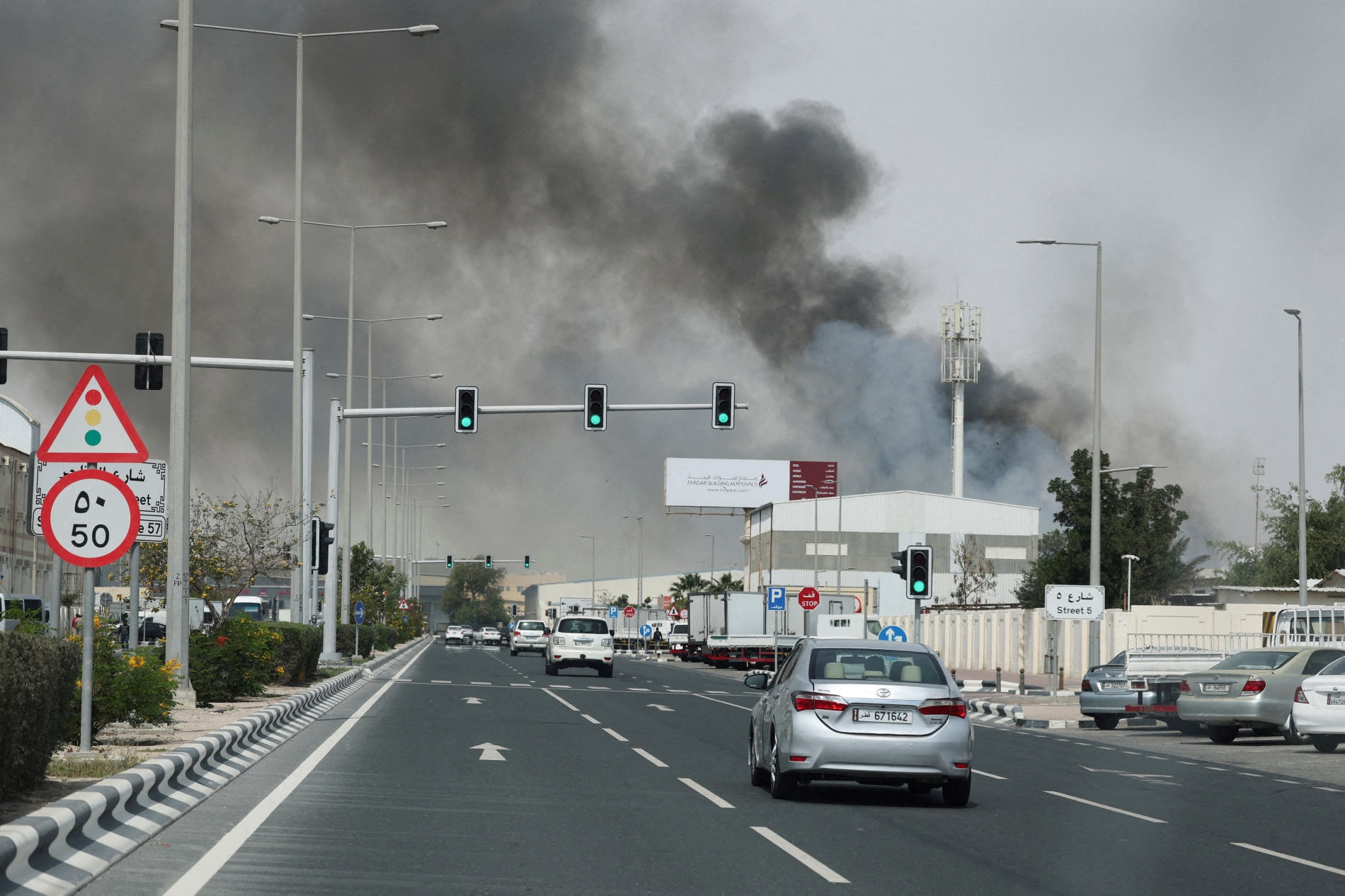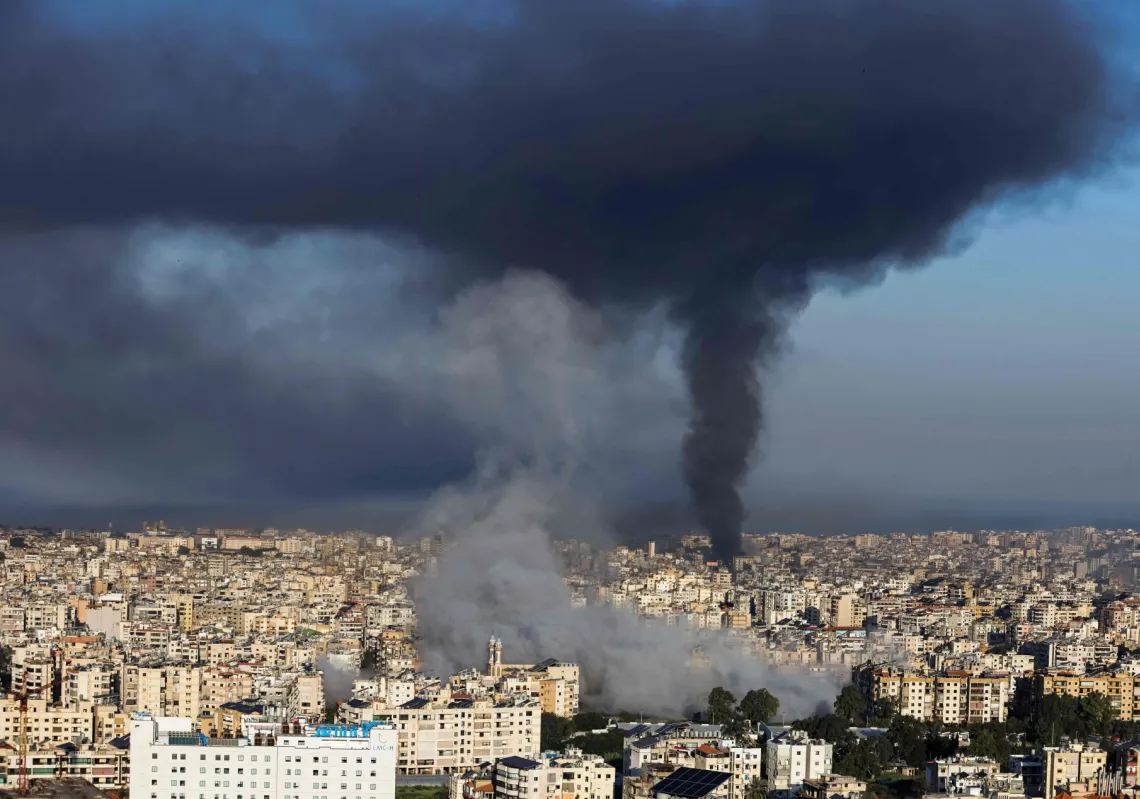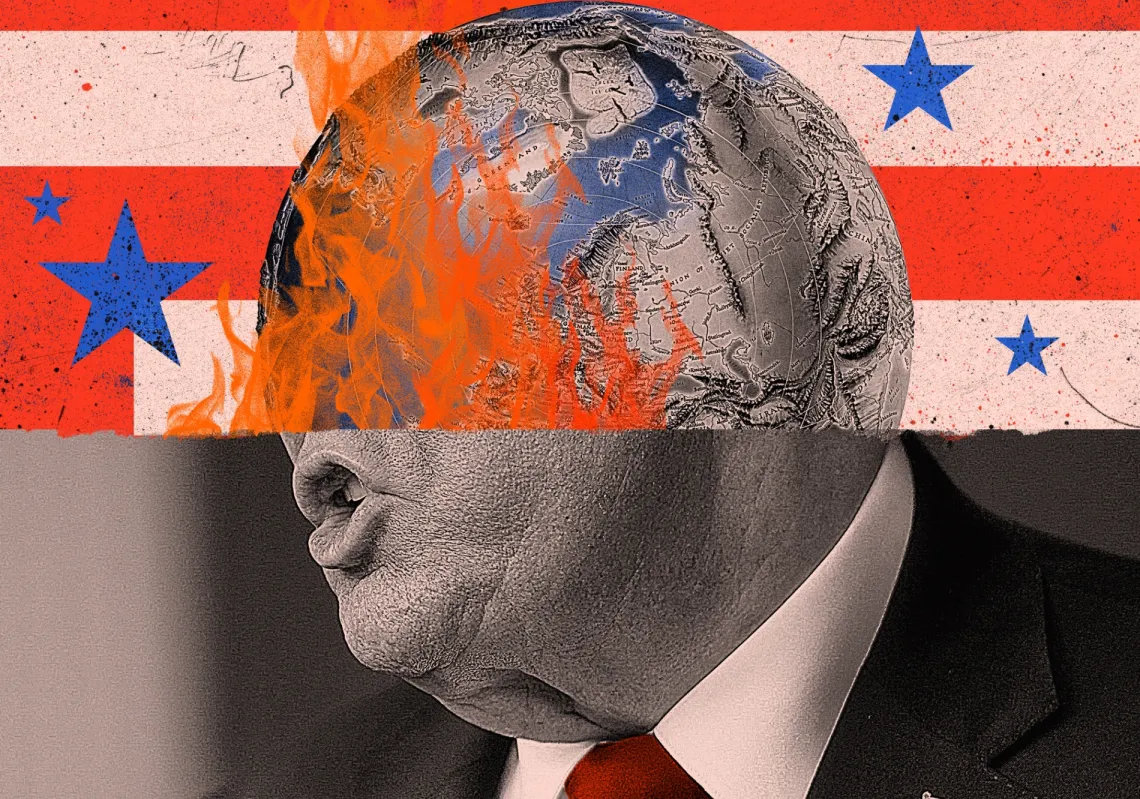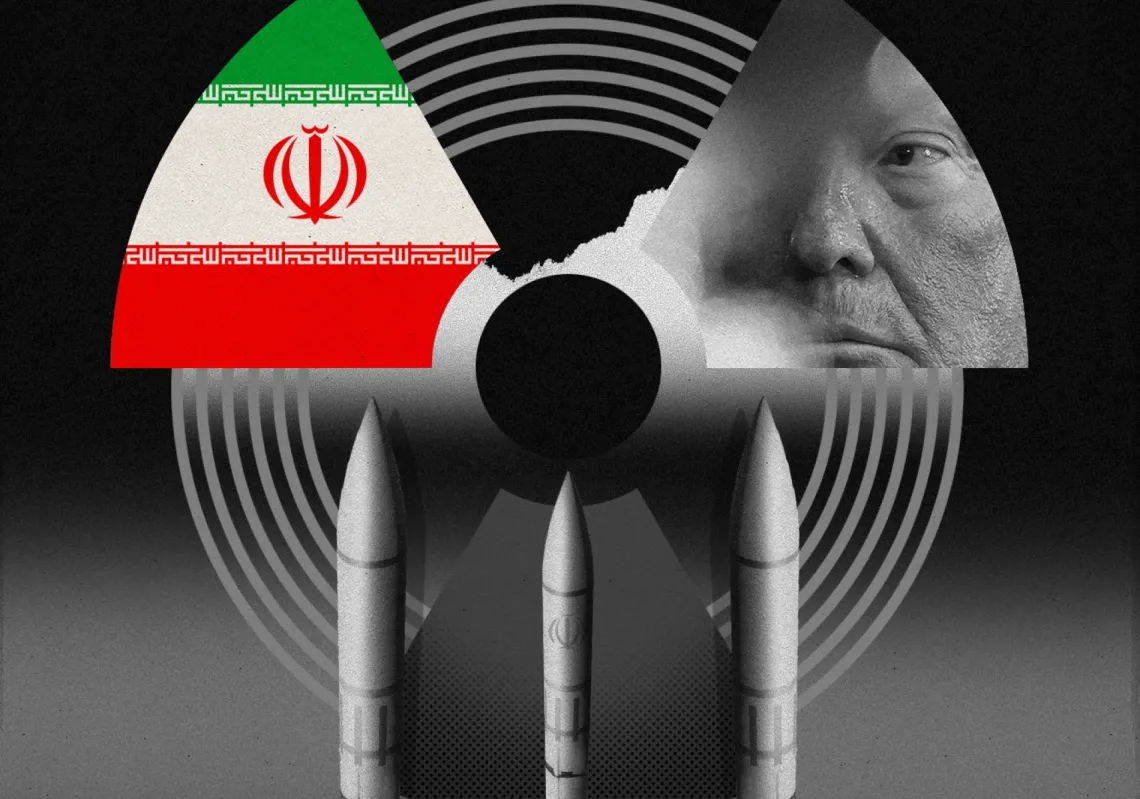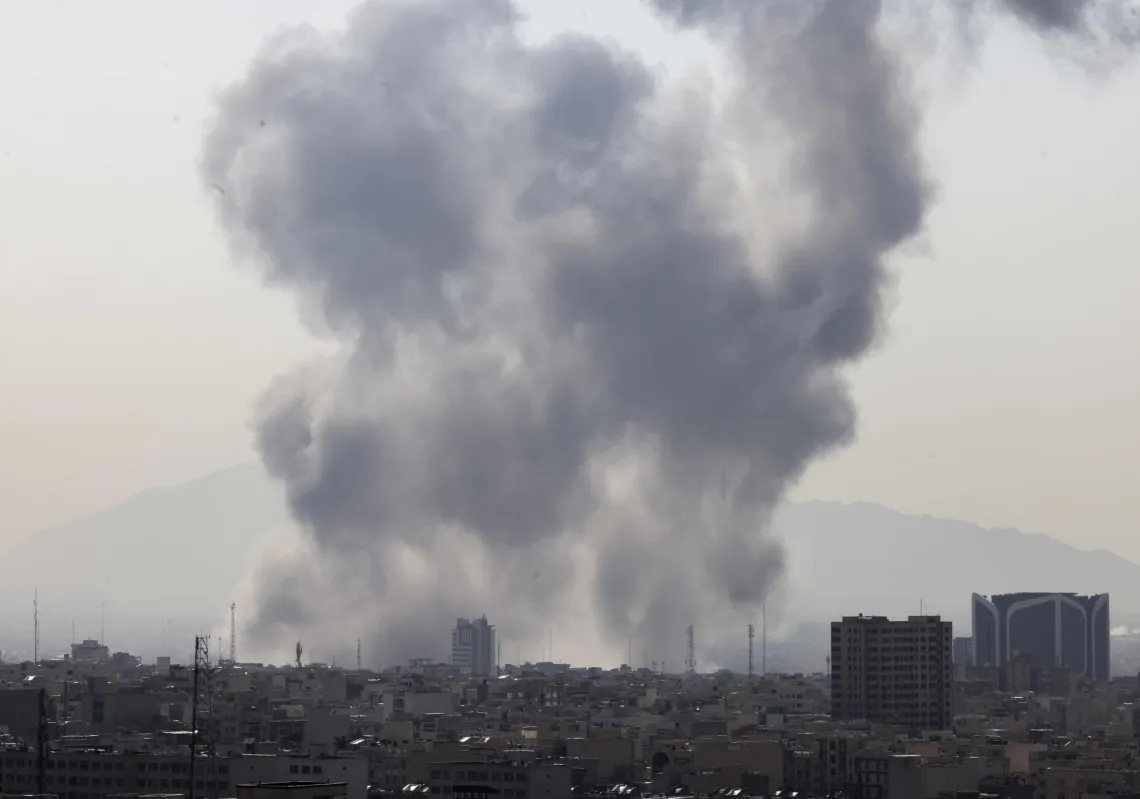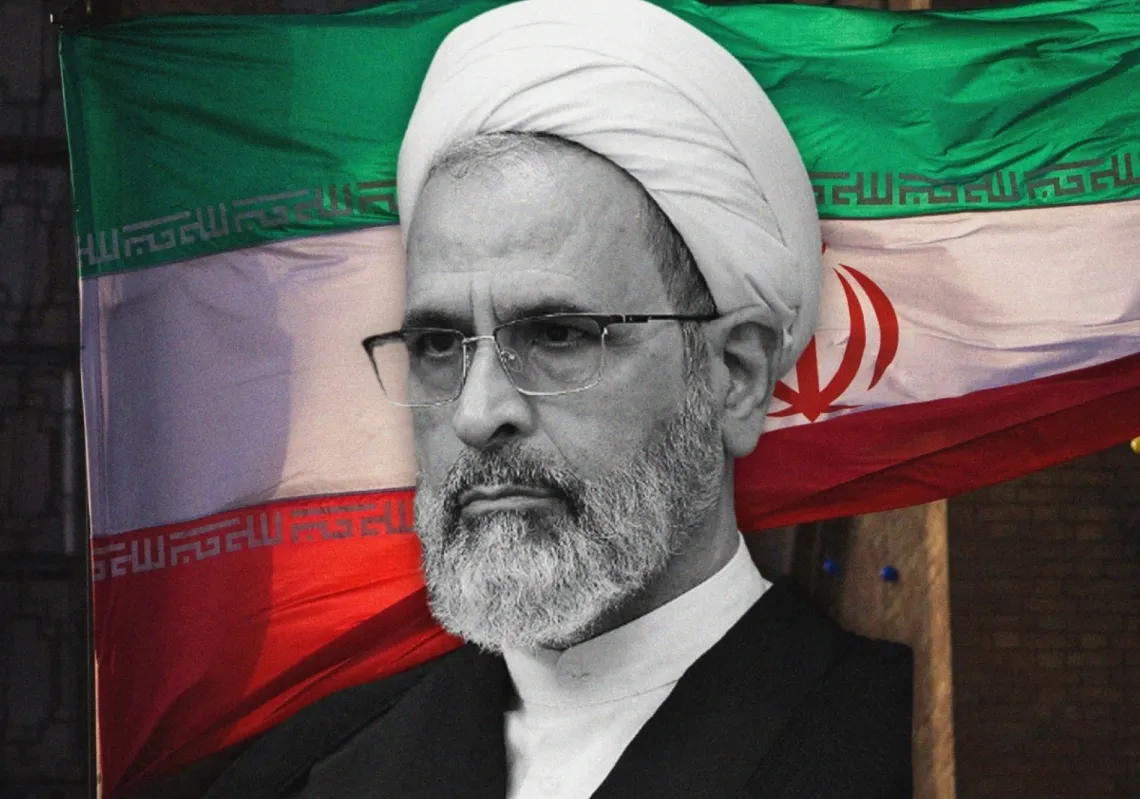
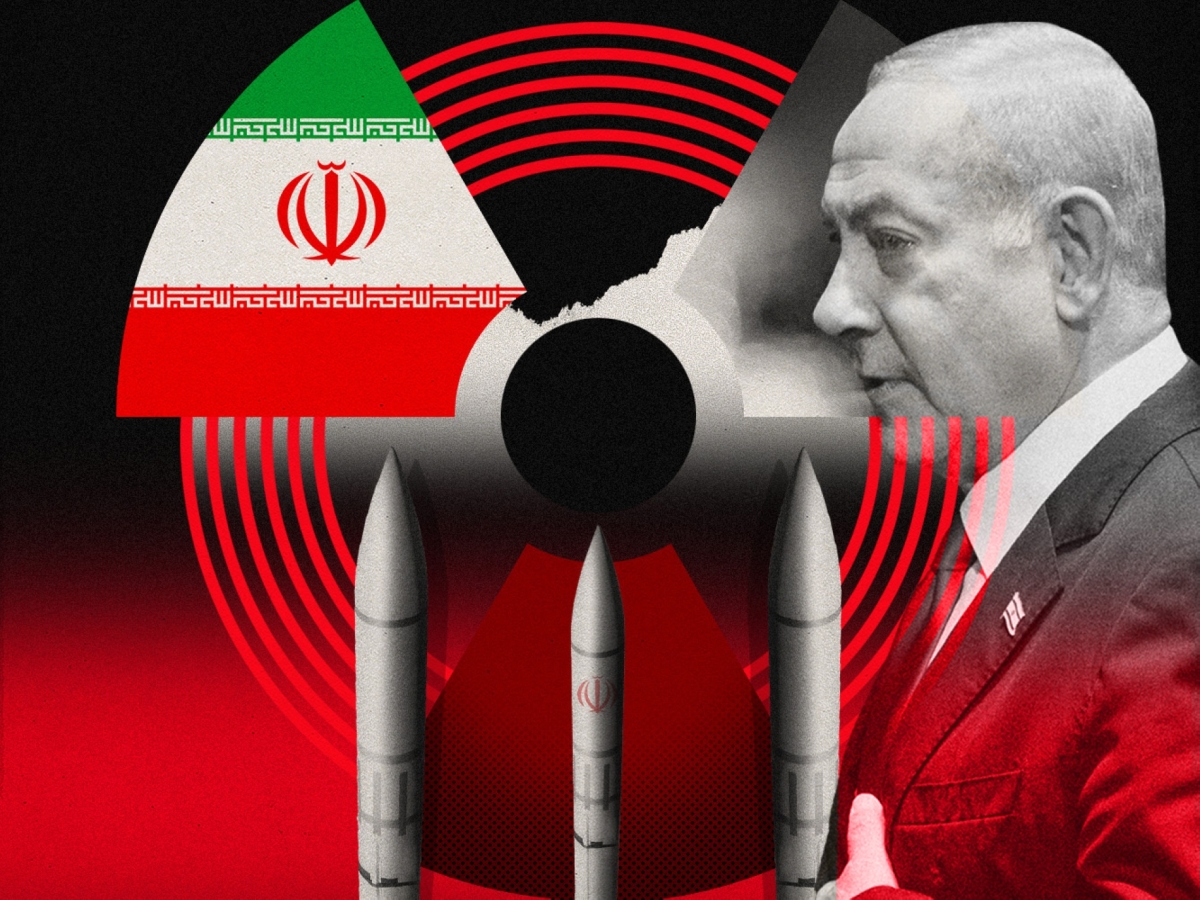

Israel and the United States are three days into the most consequential military campaign in the Middle East since the 2003 Iraq invasion—a joint operation explicitly aimed at dismantling Iran's military capabilities and toppling the Islamic Republic. On 28 February 2026, Operation Roaring Lion (Israel) and Operation Epic Fury (US) launched coordinated strikes that killed Supreme Leader Ayatollah Ali Khamenei, decapitated Iran's senior military leadership, and targeted nuclear facilities, ballistic missile sites, and naval infrastructure across the country.
The operation represents the culmination of a two-year strategic arc that began with Israel's October 2024 destruction of Iran's air defences and accelerated through the June 2025 12-Day War. It marks a fundamental shift from decades of containment to direct confrontation—a gamble premised on the belief that Iran's regime has never been weaker, its proxies never more degraded, and the window for action never more open.
The gradual escalation has pushed Israel away from its pre-October 7 doctrine of the “campaign between the wars” and toward a strategy aimed at winning the war itself. The previous strategy of containment sought to weaken adversaries through repeated, limited strikes while staying below the threshold of full-scale war. Its logic was preventive: avoid a regional conflagration by steadily degrading Iran’s capabilities and denying Tehran a path to victory if a larger conflict ever erupted. However, since the October 7 Hamas attacks, Israel’s leadership increasingly shifted to a “total-victory” approach.
That shift did not happen overnight, and it is partly the result of Iran’s own miscalculations. In roughly two years, Tehran saw key pillars of its deterrence erode. The centrepiece of Iran’s forward defence was Hezbollah—widely estimated to possess up to 150,000 rockets and missiles before October 7—enough to cause mass casualties and sustained disruption inside Israel.
Decades of Iranian investment in Hezbollah created a clear warning: if Israel struck Iran directly, the Lebanese militant group could answer with large-scale barrages that might saturate Israeli air defences, threaten air bases used for long-range sorties, divert Israeli resources away from an Iran campaign, and potentially suck Israel into a costly ground operation in Lebanon to suppress the fire.
Gravest error
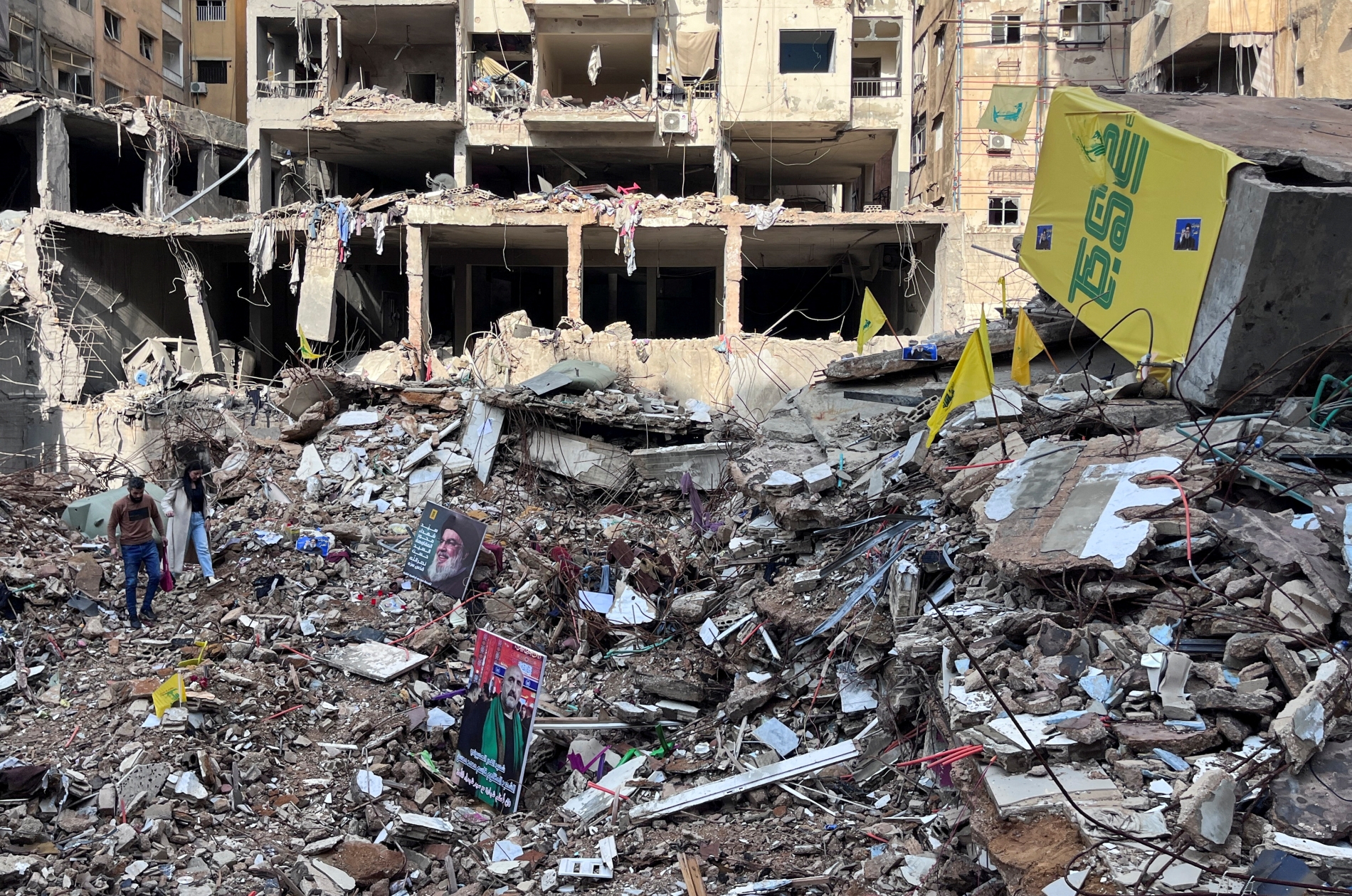
Among the many errors that helped move Israel from containment to escalation, the most consequential was Hassan Nasrallah’s decision to enter the war on 8 October 2023. A year of cross-border rocket fire set the conditions for Israel’s 2024 offensive against Hezbollah, which severely degraded the group’s ability to function as Iran’s most efficient tripwire and retaliatory instrument. In doing so, Iran lost what had been the single most effective obstacle to an Israeli strike on Iran itself. Today, as the Islamic Republic faces an existential battle, Hezbollah can't do much to come to its aid.
Tehran’s repeated decisions to engage Israel directly reinforced a growing Israeli conclusion: the fight was no longer just about blunting Iran’s forward defence, but about defeating the Islamic Republic itself. In a series of exchanges in 2024, Iran inadvertently demonstrated that Israel held a significant advantage, and more than that: A pathway to what some in Israel saw as “victory”.
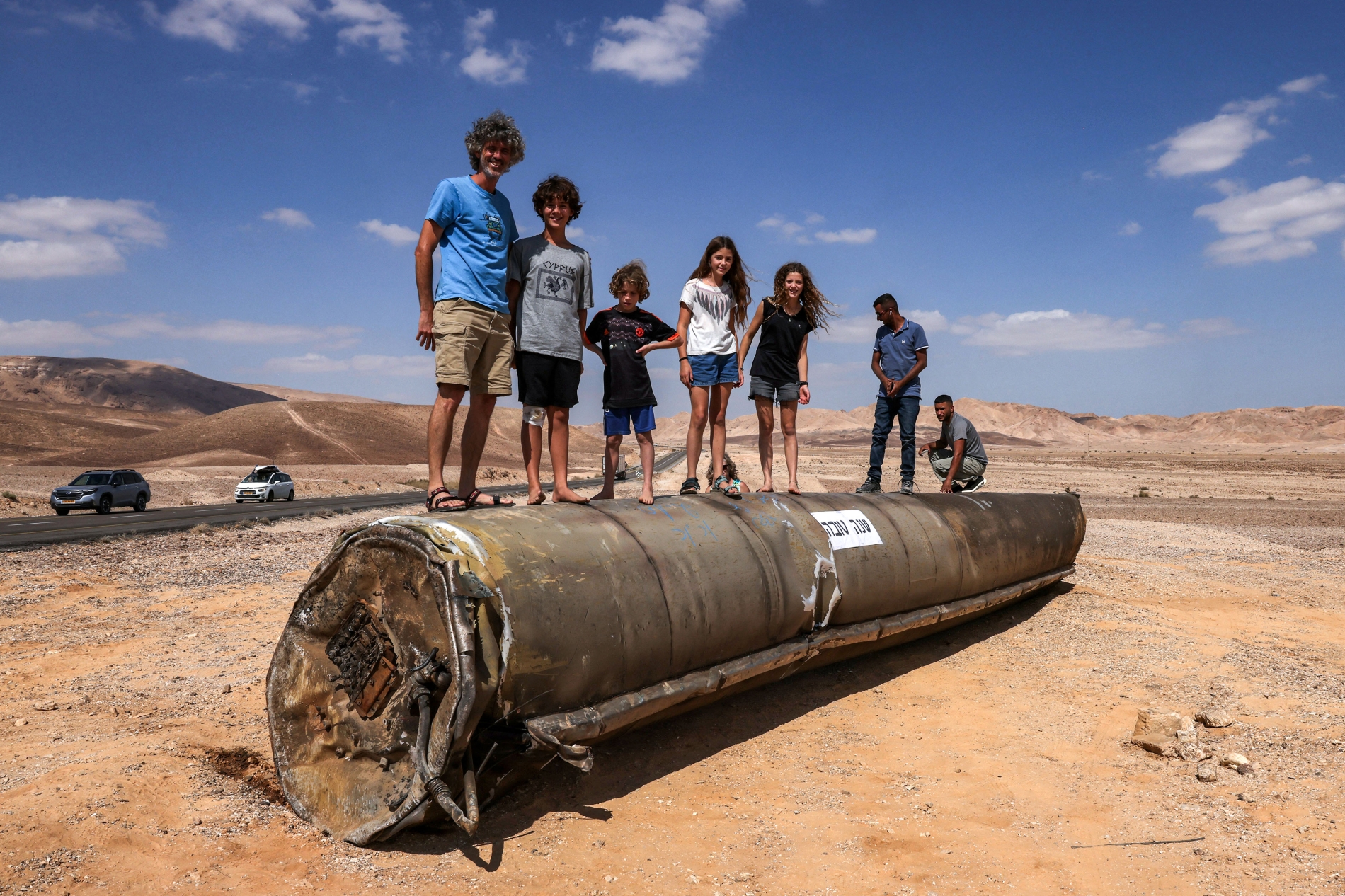
And while Tehran may have persuaded itself it had “won,” the outcome was readable from the first direct clash between the two adversaries. In April 2024, Israel struck a Russian-made air-defence system near Isfahan, not far from a nuclear site. The blow was barely noticeable, yet the message was unmistakable: Israel could reach into Iran and neutralise key air-defence nodes. Iran, by contrast, launched hundreds of missiles and drones at Israel— an impressive volume that created a misleading picture of success.
Iran’s strategy failed where it mattered most. Without Hezbollah’s massed arsenal as a complementary hammer, Iran’s own missiles achieved only limited hits on Israeli air bases and did not disable them. Even using dozens of missiles, Iran could not shut down the runways, command infrastructure, and sortie generation that underpin Israel’s ability to sustain an air campaign.
That failure mattered because disabling Israel’s air bases would have sharply constrained its capacity to respond; not disabling them implied that, in a wider war, Israel’s air force could keep operating even as Iran escalated its salvos. By this point, the idea of an Israeli military victory over Iran stopped sounding theoretical and began to look increasingly possible.
Going in for the kill
The joint US-Israel strikes of 2026 are the direct product of Iran's gradual self-dismantling of its own deterrence. Even compared to last year's 12-day war, the strategic picture looks almost unrecognisable. For Israel, today, the objective is clear: to either kill or fatally wound the Islamic Republic
Israel's objectives have visibly evolved. The opening salvo of this year’s conflict was not aimed at Iranian air defences (now virtually gone) but at something far more disruptive: a decapitation strike at the heart of the regime. Strikes on the Pasteur district, one of Tehran's most heavily secured zones, targeted not only Supreme Leader Khamenei but also his son Mojtaba—a likely successor—along with a tier of key security commanders. Israeli sources reported as many as 30 Iranian officials and commanders killed, with more targeted in follow-on strikes.
The next phase focused on hunting Iran's ballistic missile stockpiles and mobile launchers, racing to destroy hardware before it could be hidden or fired. Even as that campaign continued, Israel resumed its broader regime-disruption effort.
Over successive days, strikes hit the organisational spine of Iran's internal security apparatus: a Basij command centre, the Great Tehran Police Station, and a regional government headquarters. The targeting has now extended down to smaller nodes, including local police stations and Basij rally points, compelling Iranian security forces to abandon fixed facilities and improvise in makeshift locations—a sign of real operational disruption.