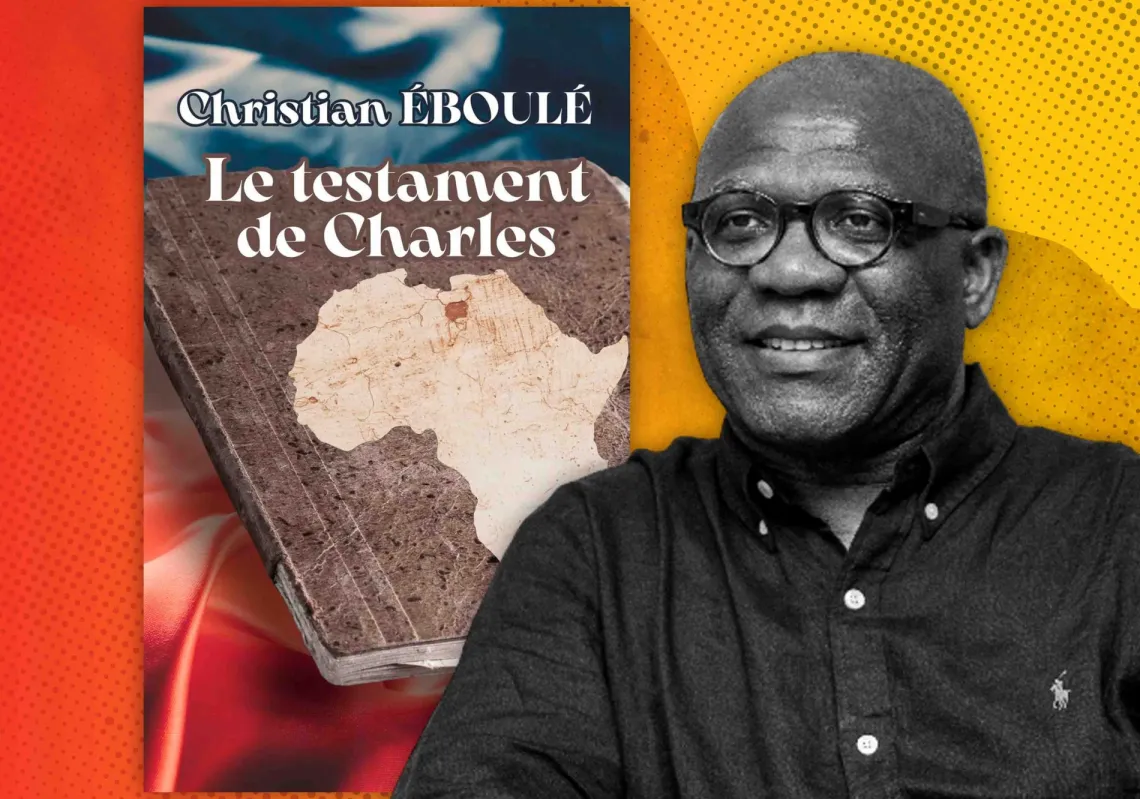

In Arab bookshops, the shelves of translated literature follow a familiar order: American literature, then Spanish, French, Italian, German, Korean, and Japanese. Occasionally, there may be others, like Polish, Swedish, or Vietnamese works, and at the very end of the aisle, a modest shelf: ‘African Literature.’ There may be six or seven titles by the same two or three authors. An entire continent, with hundreds of languages and cultures, often boils down to a tiny handful of offerings.
African literature is often either in French or English. Francophone literature from sub-Saharan Africa includes works by authors living on the continent or belonging to migrant and diasporic communities. It is a branching, energetic field in which French functions as a lively crossroads where local languages, oral traditions, multilingualism, digital writing, and active reading networks meet.
French converses with Fulani, Wolof, Kinyarwanda, Lingala, Nouchi, and others, borrowing words and rhythms and in turn influencing them. From this, a single linguistic fabric emerges in which voices sit side by side and interweave. Francophone writing in sub-Saharan Africa offers a keen lens on the world, from migration and urban expansion to social injustice, political violence, and cultural change. It uses humour, imagination, and forms of resistance rooted in everyday life. It also deals with issues of legitimacy and recognition.
Tackling themes
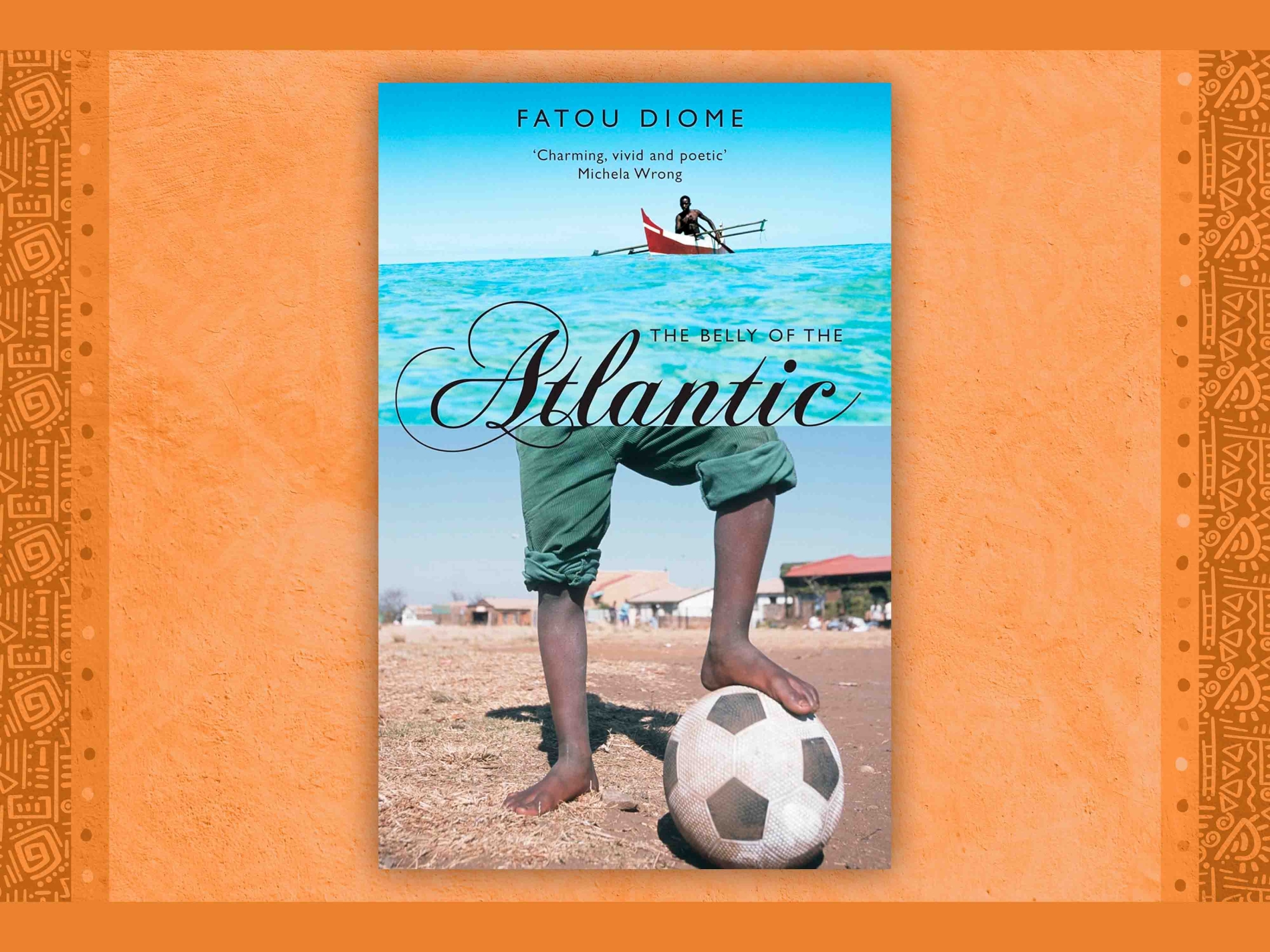
The writing can seem foreign, like travelogues steeped in estrangement, but it aligns with 21st century experience, with its tales of migration and rapidly shifting borders. In the Senegalese writer Fatou Diome’s 2003 novel Le Ventre de l’Atlantique (The Belly of the Atlantic), for instance, the Atlantic crossing takes a double form. It is both the possible passage of bodies, and the passage of dreams minted by football, advertising, and messages.
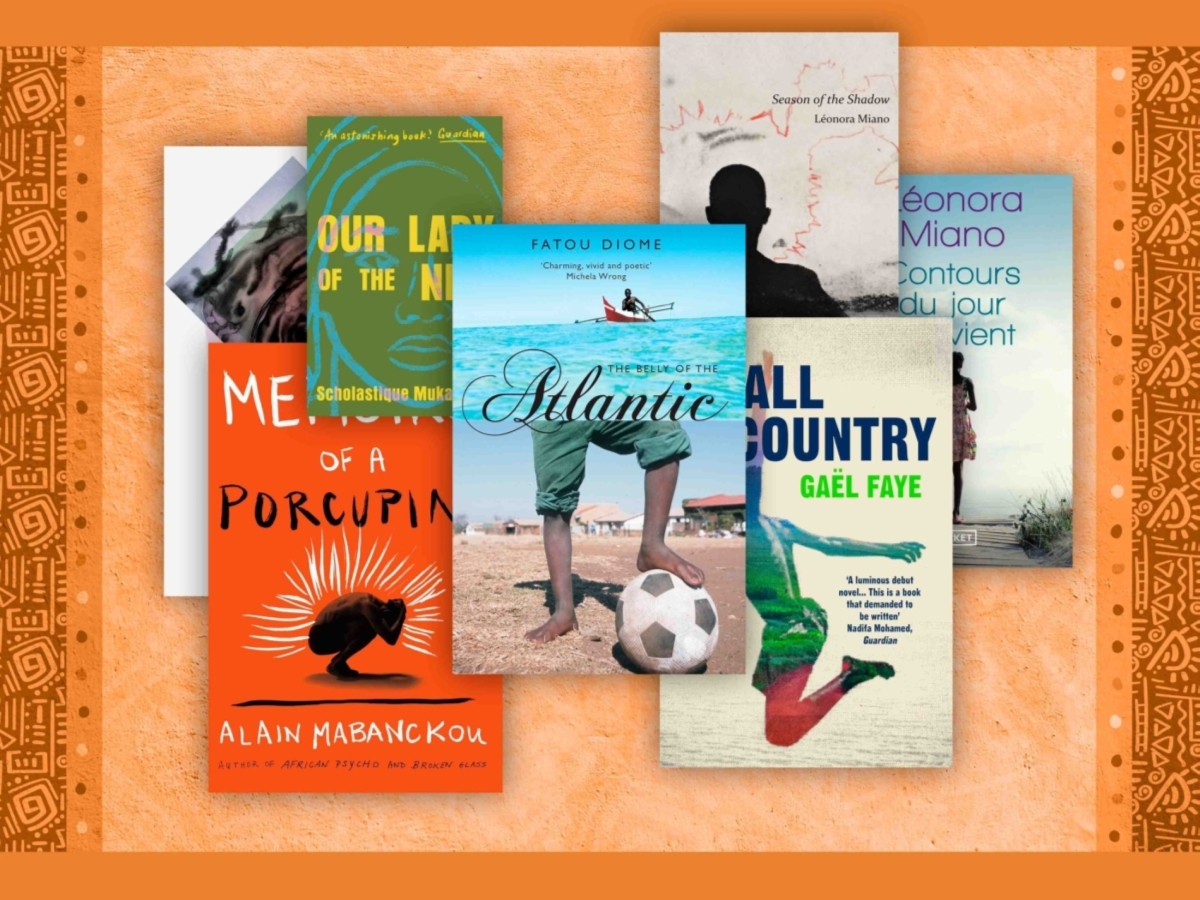
From Brazzaville to Paris and Los Angeles in the work of the Congolese writer Alain Mabanckou, from Douala to the outskirts of French cities in the writing of the Cameroonian Léonora Miano, and from Bujumbura to its surrounding spaces in Petit Pays by Gaël Faye, the narrative landscape is that of a web of far-flung cities linked by air and road, by labour and exile, where emotion and imagination intersect.
Behind the stereotype of the exiled writer lies a far more complex experience of movement, one that begins within a place before it becomes a departure from it. Not merely a matter of changing passports, it entails changes in legal status, social position, language, and even one’s place in the family.
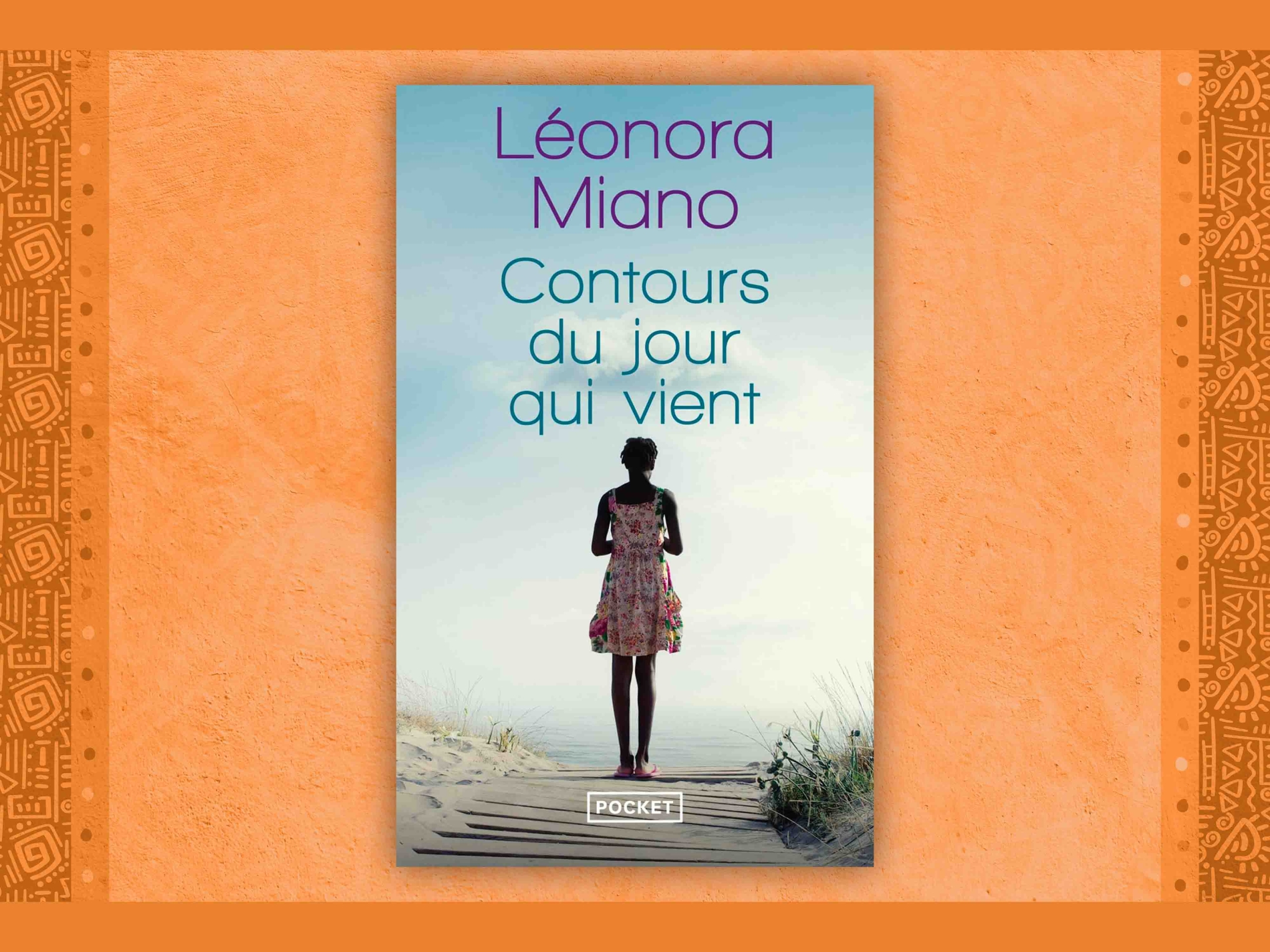
In Contours du Jour Qui Vient (2006) by Leonora Miano, the young girl Musango travels through an imagined African country framed by violence, class, gender, and belonging. In Petit Pays, political violence advances slowly, opening cracks in a childhood that initially appears ordinary, until the city itself becomes a fragile memory under threat. Cities like Lagos, Abidjan, Douala, and Dakar often emerge as true heroines of the narrative.
In La Grève des Bàttu (The Beggars’ Strike) by the Senegalese writer Aminata Sow Fall, Dakar becomes a satirical laboratory for managing the margins, where urban planning and official notions of cleanliness lay bare the mechanisms of exclusion.
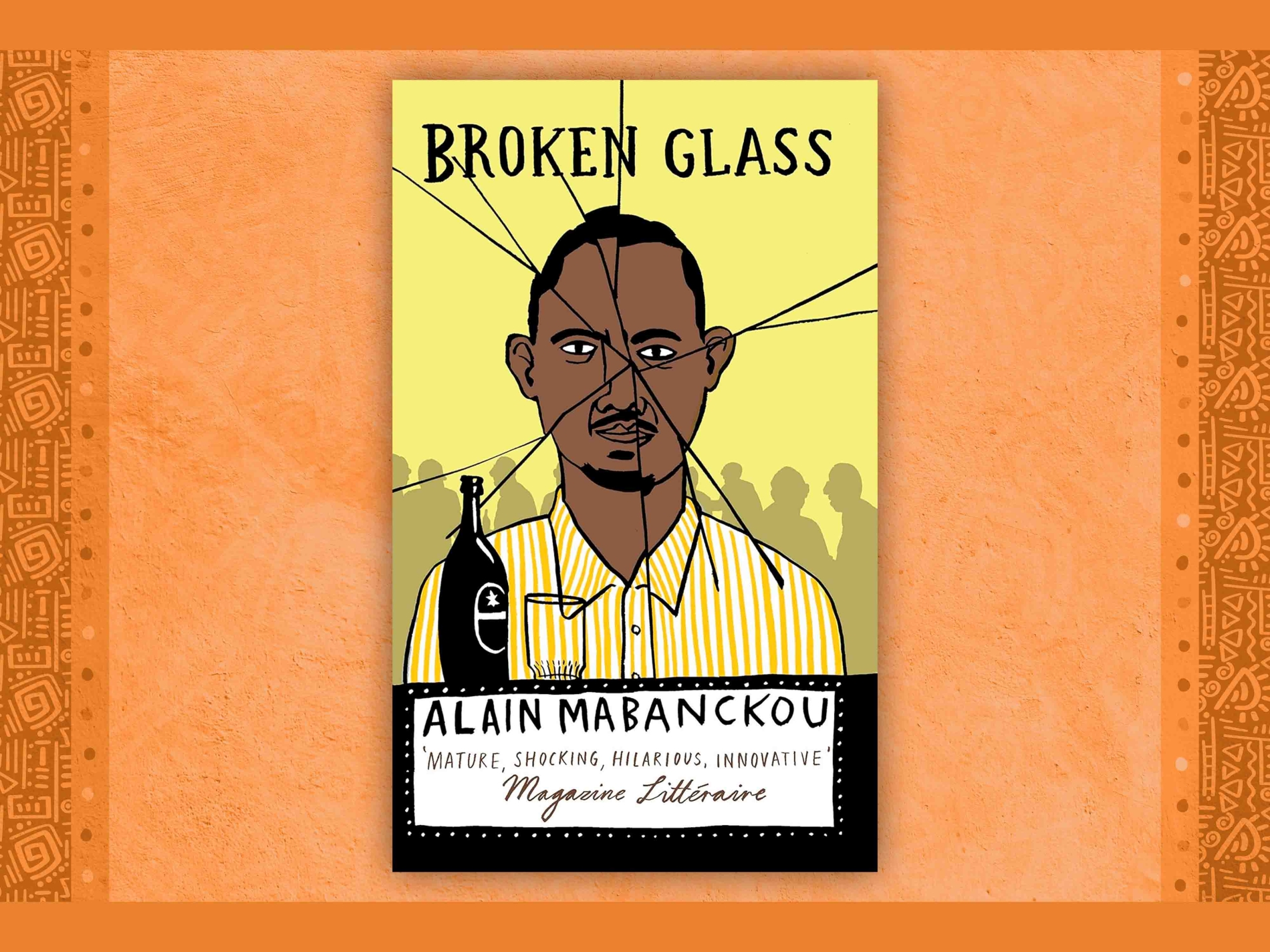
In Verre Cassé (Broken Glass, 2005) by Alain Mabanckou, the story unfolds inside a small bar in Brazzaville, yet this confined space gradually opens onto the surrounding neighbourhood, its colonial and postcolonial past, and a layered mix of everyday comedy and political drama. As the narrative shifts into the present century, the city becomes more global and more merciless at once.
In Tram 83 (2014) by the Congolese writer Fiston Mwanza Mujila, the city turns into a raucous economic knot—a mine, a port, a market, and a stage that devours bodies and recycles them in a fevered linguistic tempo. In Ève de ses Sécombres (2006) by the Mauritian writer Ananda Devi, life condenses in a district of Port Louis, where the suburb fashions its own laws, language, and violence.
Changing the language
Within this shifting urban space, French becomes a malleable language, treated by many writers as a living laboratory. Its structures are unsettled, and its classical foundations are disturbed by new vocabularies and rhythms. French mingles with local expressions and hybrid urban speech, absorbing voices, jokes, proverbs, and songs. In this way, the language becomes part of meaning itself, rather than mere decoration, as though it were constantly reinventing itself with every change of place.
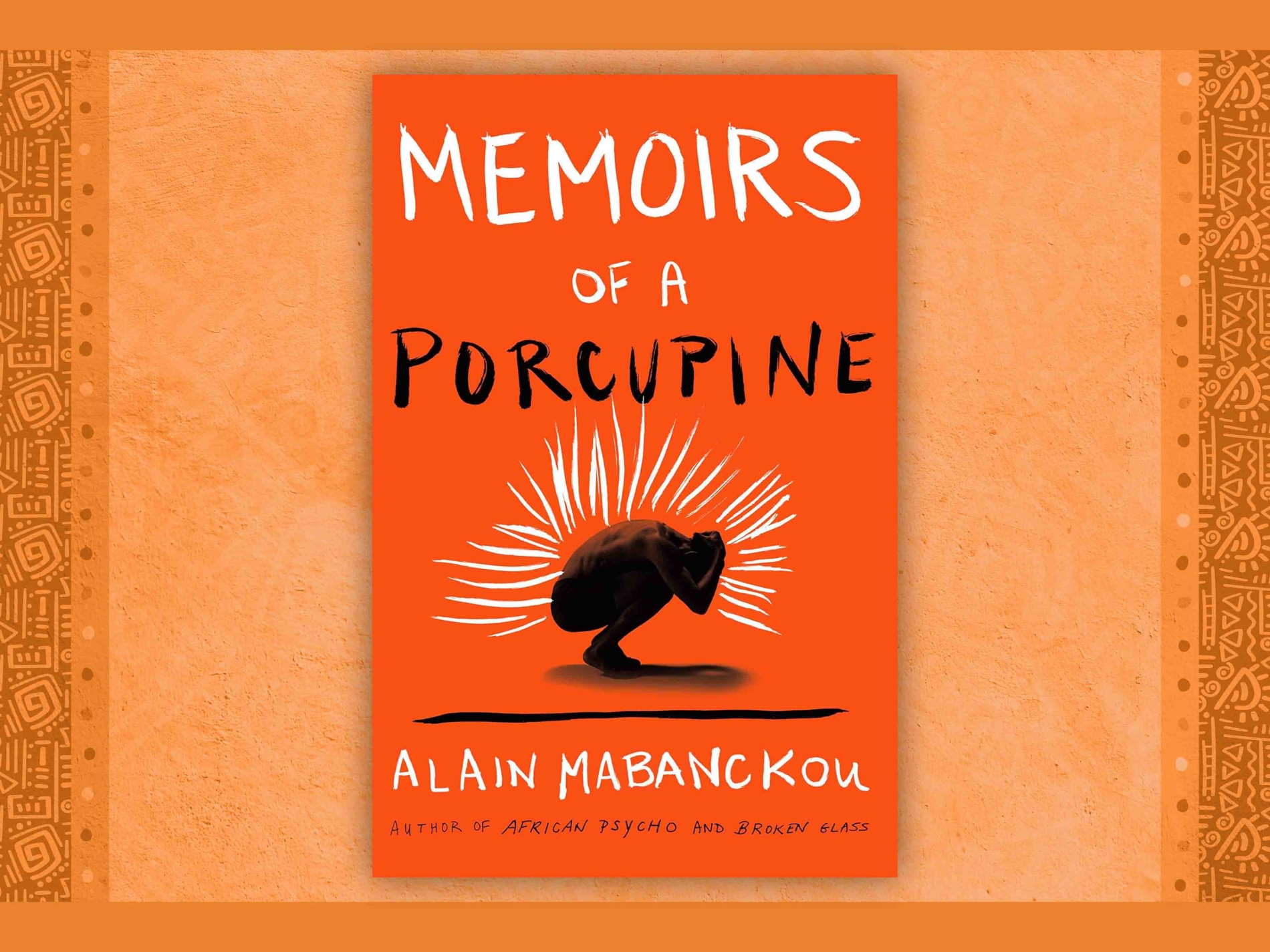
Mémoires de Porc-épic (2006) by Alain Mabanckou illustrates literature’s inventiveness. The narrator is a porcupine, the companion and dark double of a killer. In a single sweep, the novel reworks the African folktale, the animal narrative, and the confessional form. Its language unfolds in long, flowing lines, using repetition as a rhythmic and structural force, and moving effortlessly between comedy and existential unease. Here, language generates its own world, beyond any direct representation of external reality. It unlocks deeper layers of meaning.
When a text suddenly moves from polished French to the idiom of a working-class district or carries traces of the mother tongue, it affirms the legitimacy of such plurality in literature, the diversity of characters’ identities, and the centrality of the spoken word in many African cultures.
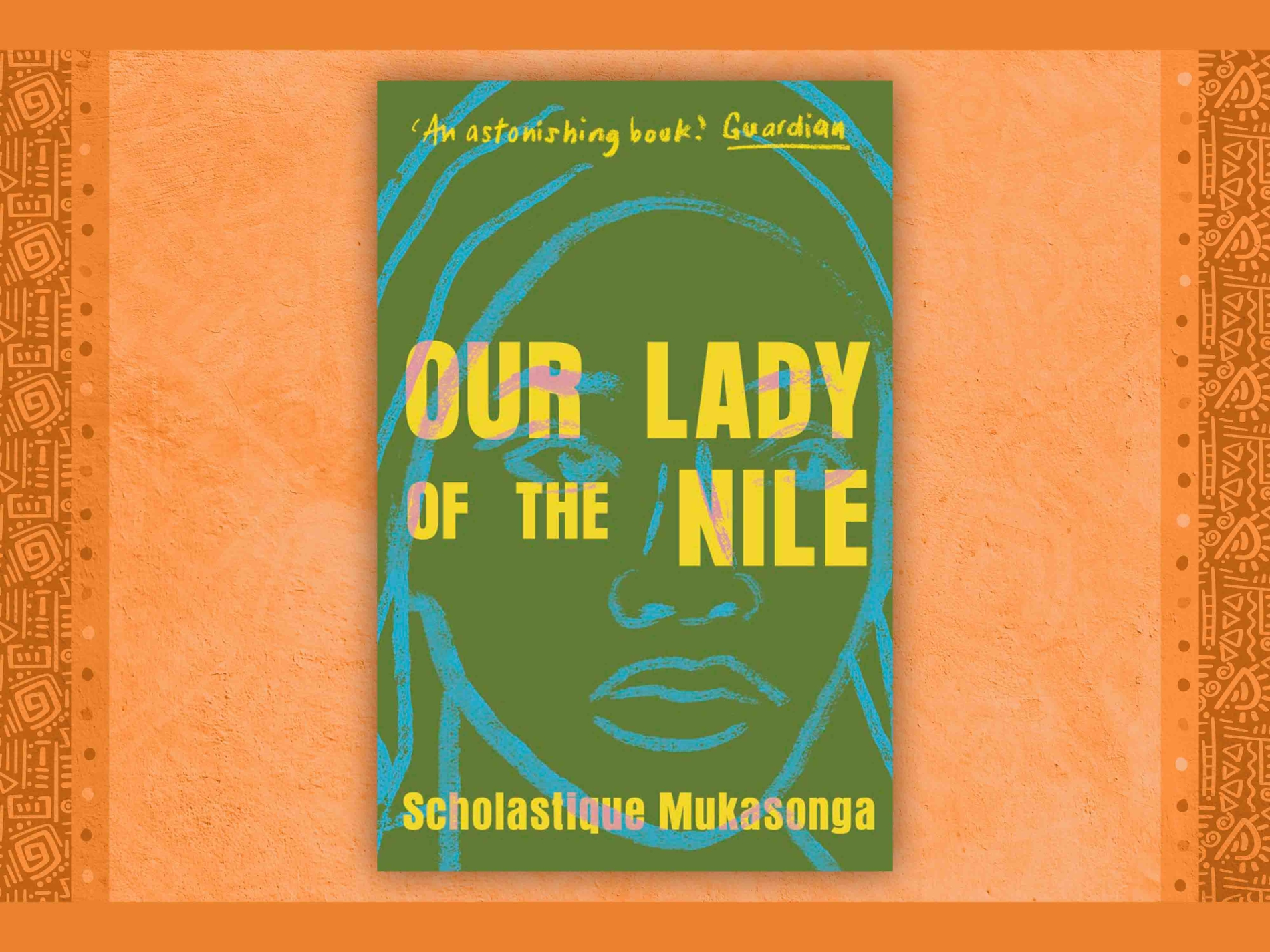
Wars, authoritarian regimes, genocide, and economic violence recur across many works. In Notre Dame du Nil (Our Lady of the Nile) by Scholastique Mukasonga, ethnic tensions steadily build within a girls’ boarding school. In Murambi, Le Livre des Ossements (Murambi, The Book of Bones) by Senegalese writer Boubacar Boris Diop, memory becomes a narrative inquiry into the Rwandan catastrophe.
Yet it is not just weighty subjects. The texts also explore friendships, desires, rivalries, and ambitions, offering finely observed portraits that value complexity over stereotypes. Humour also occupies a central place, appearing as black comedy, irony, absurdity, or even gentle tenderness that suggests a quiet smile.
In La Grève des Bàttu, laughter takes on a political edge, exposing a city that subtly practices exclusion. In La Vie et Demie (Life and a Half) by Congolese writer Sony Labou Tansi, dystopian imagination becomes a sharp comedy that reveals despotism through the logic of paradox. In Mémoires de Porc-épic, the animal’s confession invites laughter while simultaneously stirring anxiety and compassion.
Beyond tragedy
From this interplay emerges a vision of Africa that moves beyond the binary of endless tragedy and perpetual poverty. Francophone literature in sub-Saharan Africa, therefore, does more than just tell stories about Africa; it closely follows globalisation, migration, plural identities, urban change, and the tension between inheritance and innovation.
In so doing, it participates in major literary and political debates of our time. A striking example is Aux États Unis d’Afrique (United States of Africa) in 2006 by Abdourahman Waberi, which overturns the world map and imaginatively exposes the dynamics of ‘centre’ and ‘margin’.
Moving beyond their local and Francophone contexts to reach wider audiences is a challenge for these authors. Literary quality may not be enough on its own, because other forces also shape circulation via the well-trodden route of publishing houses, distribution networks, literary prizes, translation, festivals, and the media, each link helping to determine where a book ultimately stands.
Its classification may be a factor. 'French literature' is positioned as the central reference point, encircled by an orbiting 'Francophone literature'. This technical distinction pushes African writers into a secondary category, collated under a single, expansive label. Despite that, several writers from this sphere have won major literary prizes, including Alain Mabanckou, Léonora Miano, and Scholastique Mukasonga.
Big publishers, prize juries, and European cultural media all play a role in shaping literary value itself, in deciding where attention should fall. Some writers enter the symbolic heart of the French language itself—consider Mohamed Mbougar Sarr, who won the Prix Goncourt in 2021 for La Plus Secrète Mémoire des Hommes. Visibility may illuminate a text, yet it can also mask the ongoing dependence on institutional gateways that bestow recognition and define its conditions.
Routes to the centre
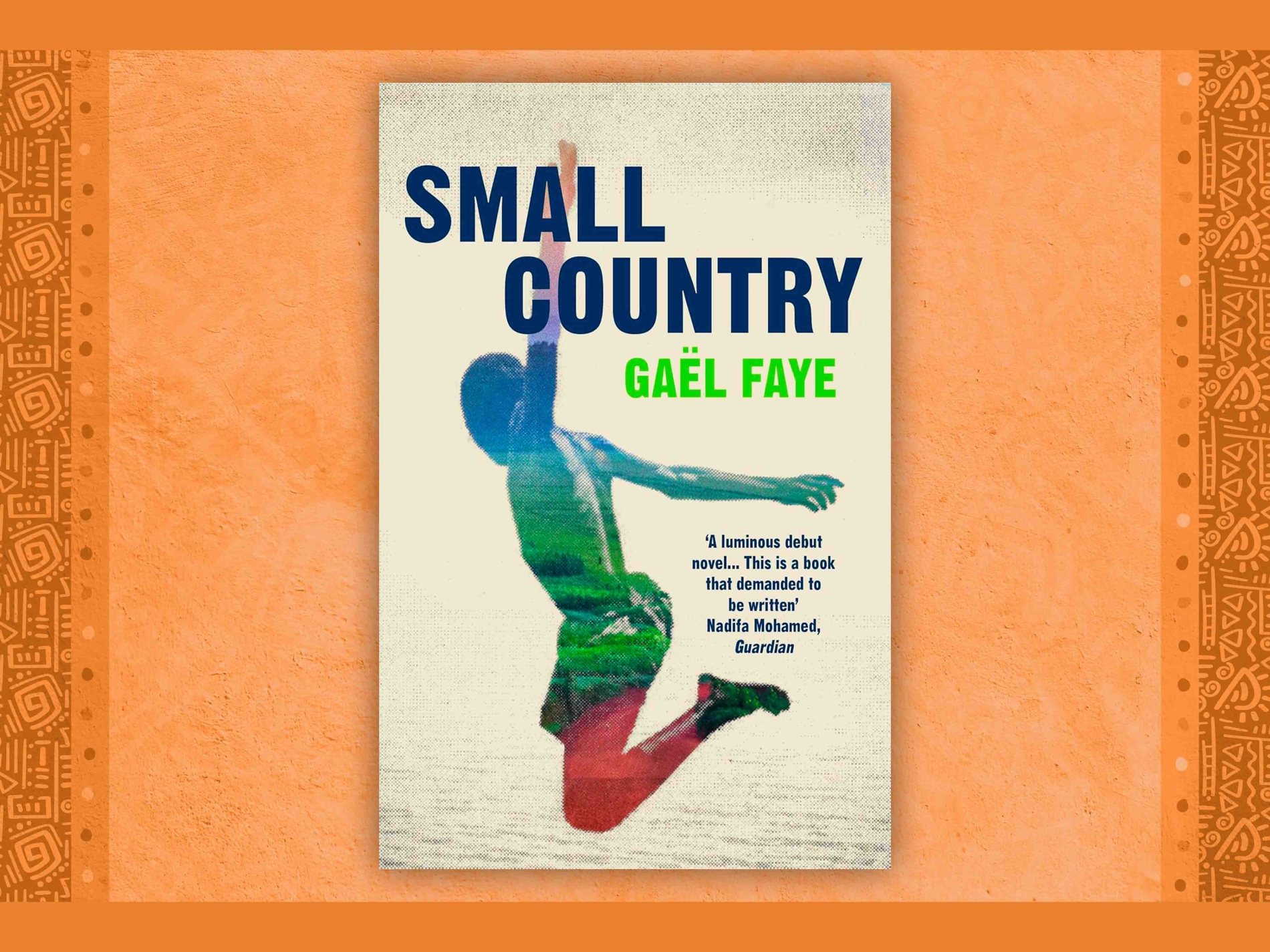
Recognition takes on a different shape once it moves beyond prize juries and reaches a wider public. Gaël Faye winning the Goncourt des Lycéens for Petit Pays shows a different route for literature to reach broader audiences. A work can circulate through shared reading in places such as colleges or schools. This second form of legitimacy may seem more democratic, yet it is still shaped by curricula, educational frameworks, and by what these systems wish to present as acceptable.
Literary circuits tend to circulate a limited group of authors, while dozens of other writers remain confined to local readerships, book clubs, diaspora communities, and specialist cultural networks. Novels in English, Spanish, or German open themselves up to a truly global readership, while a text in French often continues to circulate within Francophone spaces, regardless of its literary strength.
The material conditions of Africa's book industry shape the trajectory of its literature. Many African publishing houses operate with limited resources, and the price of a book is high relative to the average income. Libraries and distribution networks are often fragile. Moving books within Africa can involve complex logistics. Partnering with European publishers can open up circulation and bring books to new readers, but it also draws the editorial and commercial centre of gravity away from the continent.
The audience becomes a guiding thread in this context. When a writer in Dakar, Kinshasa, or Yaoundé begins to write, more than one destination is already in view: readers at home, a Francophone African public, European audiences, prize juries, and diaspora communities in North America and Europe. A single text opens onto multiple horizons, inviting different readings depending on where it lands.
This plurality generates richness, but it also creates real tensions. Some readers look for stories of despotism, corruption, poverty, and war; others seek intimacy and love, science fiction, crime narratives, or the textures of everyday life. Writers navigate their way, shaping meaning amid diversity.
Conscious packaging
Labels can be important. Terms such as 'committed literature', 'postcolonial writing', the 'voice of Africa', or 'literature of memory' can open doors for writers through specialist series, academic conferences, and festivals, but they can also narrow interpretation, reducing complex works to testimony about a single country or event.
Scholastique Mukasonga is a clear example. Her life is marked by the genocide of the Tutsi in Rwanda, and this history forms an essential background to part of her work. Still, her writing reaches far beyond it, engaging with family, memory, the dignity of the dead, the status of women, and the textures of everyday village life. When she is seen only as a witness to genocide, much of what she has achieved slips out of view.
New dynamics may shift the tools of recognition beyond established channels. Literary festivals within Africa are creating lively spaces of encounter, bringing together writers, publishers, translators, critics, and readers. Alongside them, reading clubs, blogs, online magazines, Instagram book accounts, and YouTube channels devoted to literature are actively reshaping visibility. They curate lists of Francophone writers worth discovering and draw attention to genre fiction, debut voices, and experimental work.
Through these initiatives, an alternative route to literary recognition is taking shape, one grounded in engaged reading communities. Publishers, translation support organisations, festival organisers, teachers, journalists, librarians, and reading platforms all hold access to a vast reserve of texts and voices capable of building a shared literary common.
The aim is to put African voices at the centre of the literary map and expand the meaning of world literature so that recognition is no longer dependent on a single authority granting approval but rather comes from multiple sources and routes, each with the capacity to illuminate and act with fairness.