
States have long recognised the importance of cultural centres for presenting their heritage to the wider world. At their most minimal, they promote tourism and offer limited ceremonial programming, but at their most effective, these institutions can influence international relations, fostering understanding and civilisational exchange.
This is an age of intercultural contact, yet there is a notable absence of Arab cultural centres in Europe and beyond. Arab cultural centres across the globe serve as intellectual harbours and symbolic beacons, but in Europe, their impact isn't being fully felt. Can Arab culture travel beyond its geographical borders? Al Majalla asked experts and cultural figures to explore the real role these institutions play in forging cultural bridges between the Arab region and the wider world.
Visibility in France
Iraqi poet Shawqi Abdul Amir, director-general of the Arab World Institute in Paris, argues that the problem relates to the nature of Arab discourse in the West. He describes it as “emotional and improvised, unaware of the realities of the West and of how it addresses questions of colonialism, racism and religion”.
By contrast, the Saudi critic and novelist Mu’jeb bin Saeed Al-Zahrani says the institute, of which he is a former director, is “part of an active soft-power network operating within open Western spheres”. He said its limited visibility within broader Arab public consciousness does little to diminish its actual impact and may be a positive, giving the organisation independence and freedom.
Al-Zahrani recalls the challenges he faced in dealing with certain Arab cultural centres in Europe. “I encountered many obstacles, especially as some of these centres operate according to narrow orientations and are often influenced by affiliations and loyalties linked to prevailing intellectual currents.”
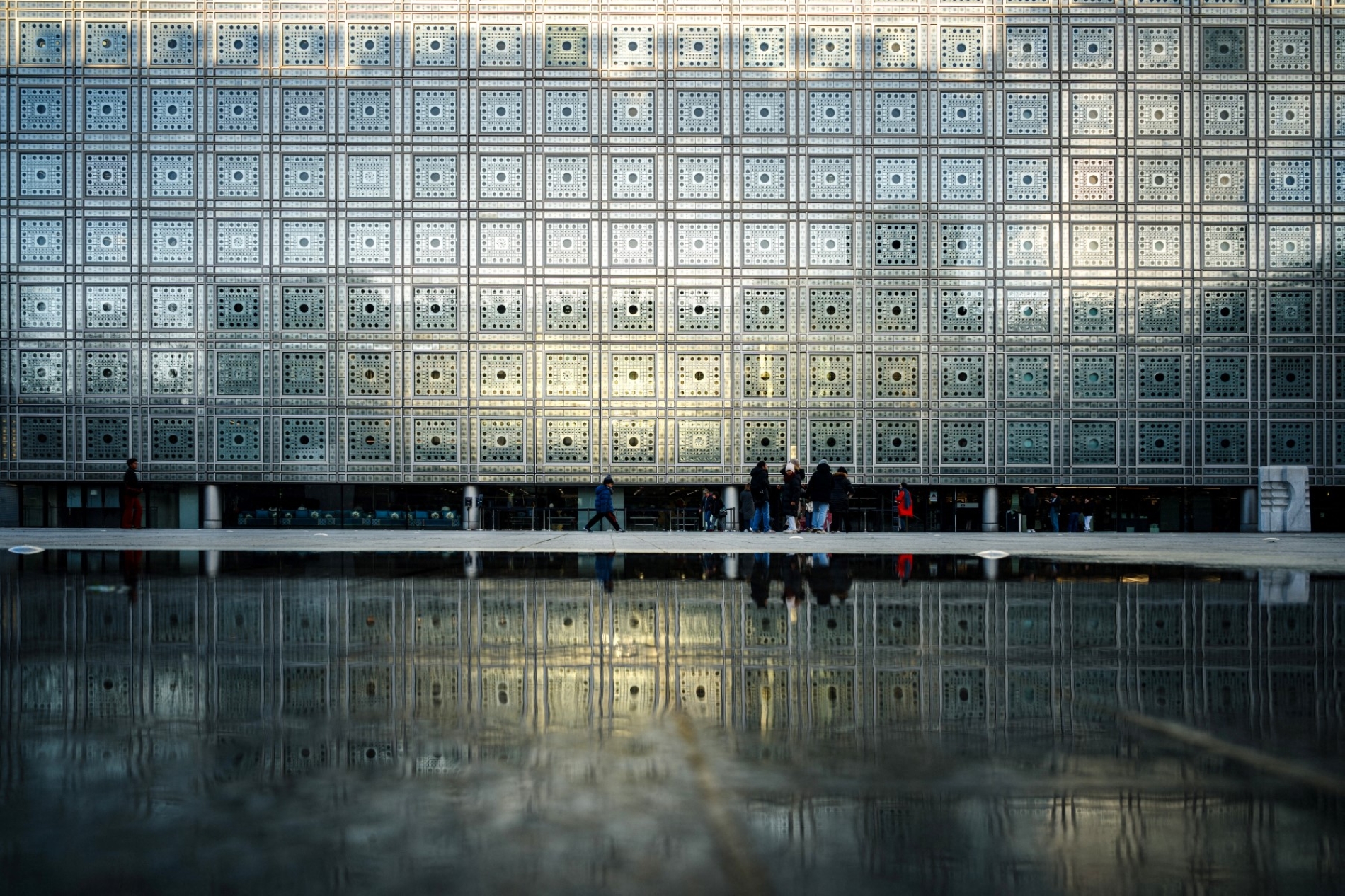
With the Arab World Institute located in the heart of Paris, it acts as a symbolic bridge between the Arab world and Europe, but some say it has struggled to pique the interest of the French public. Abdul Amir thinks today’s world is governed by material forces, with humanistic values left fighting for attention. The Arab voice, he suggests, continues to emphasise principles and ideals as core components of its identity.
Al-Zahrani disagrees. He notes that the Institute has strengthened its presence since relocating to its new premises in the Latin Quarter, where it now hosts more than 360 events annually and welcomes nearly 1.5 million visitors. Algerian academic Moussa Ben Kacir agrees that the Institute’s activities help present France—and, by extension, Europe—with an authentic image of Arab and Islamic civilisations.
Abdul Amir offers a blunt, somewhat sceptical assessment. “In reality, we address the West with emotion, while they study us in depth and know more about us than we know about ourselves. They understand precisely what they want from us, and their objectives revolve around wealth and dominance.”
Connecting in Spain
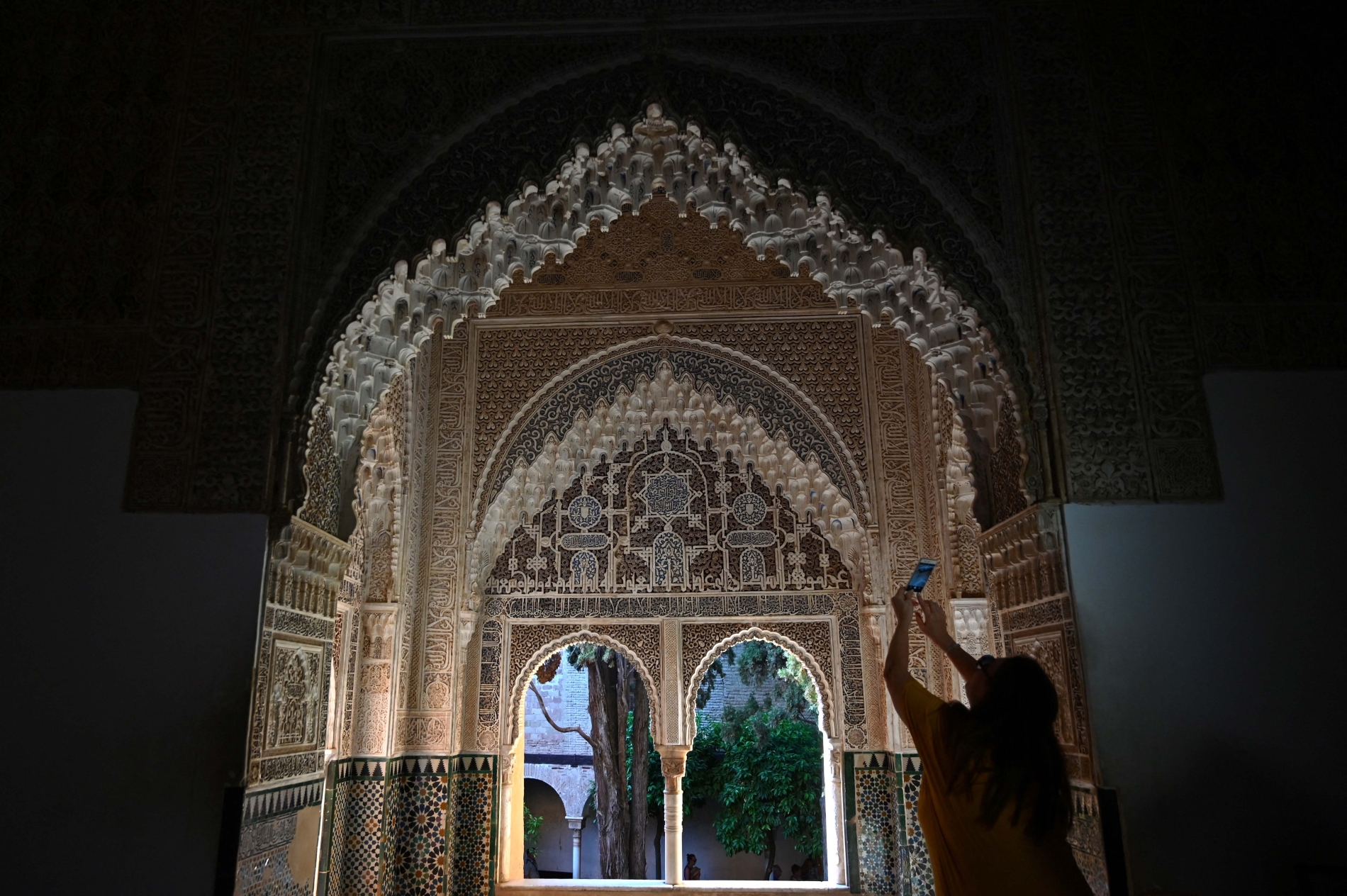
In the Middle Ages, Arab civilisation exerted a powerful influence across the Mediterranean, from centres such as Al-Andalus (in Spain), Sicily (Italy), and Kairouan (Tunisia). Spain and Portugal experienced the longest Arab-Islamic presence on European soil, spanning from 711 to 1495, a period that left a lasting imprint on cultural, political, and social life.
For eight centuries, Spanish and Arab histories were interwoven in what came to be known as ‘the age of Al-Andalus’, a legacy that continues to shape intellectual and aesthetic memory on both shores of the Mediterranean. In recent decades, Casa Árabe in Madrid and Córdoba has helped convey Arab heritage to the Spanish public.
Its director-general, Miguel Moro Aguilar, a Spanish diplomat, explains that since its founding in 2006, Casa Árabe has been a bridge between the Arab world and Spanish society. He describes the institution as a substantive platform for public diplomacy and a space dedicated to encounter, dialogue, and cooperation, not simply ceremony and folkloric expression.
Conferences and seminars focus on the history of Arab-Islamic thought, contemporary regional challenges, and academic cooperation with universities and research centres. Beyond cultural display, its ambition is to foster sustained intellectual engagement in an inclusive space open to anyone. The idea is to create a forum where diverse audiences can interact respectfully.
Spanish Arabist and academic Ignacio Gutiérrez de Terán Gómez Benita from the University of Madrid offers a differing perspective, however. He says Casa Árabe’s programming is not directed toward the Arab community, apart from specific activities such as Arabic language classes for the children of Arab families living in Spain.
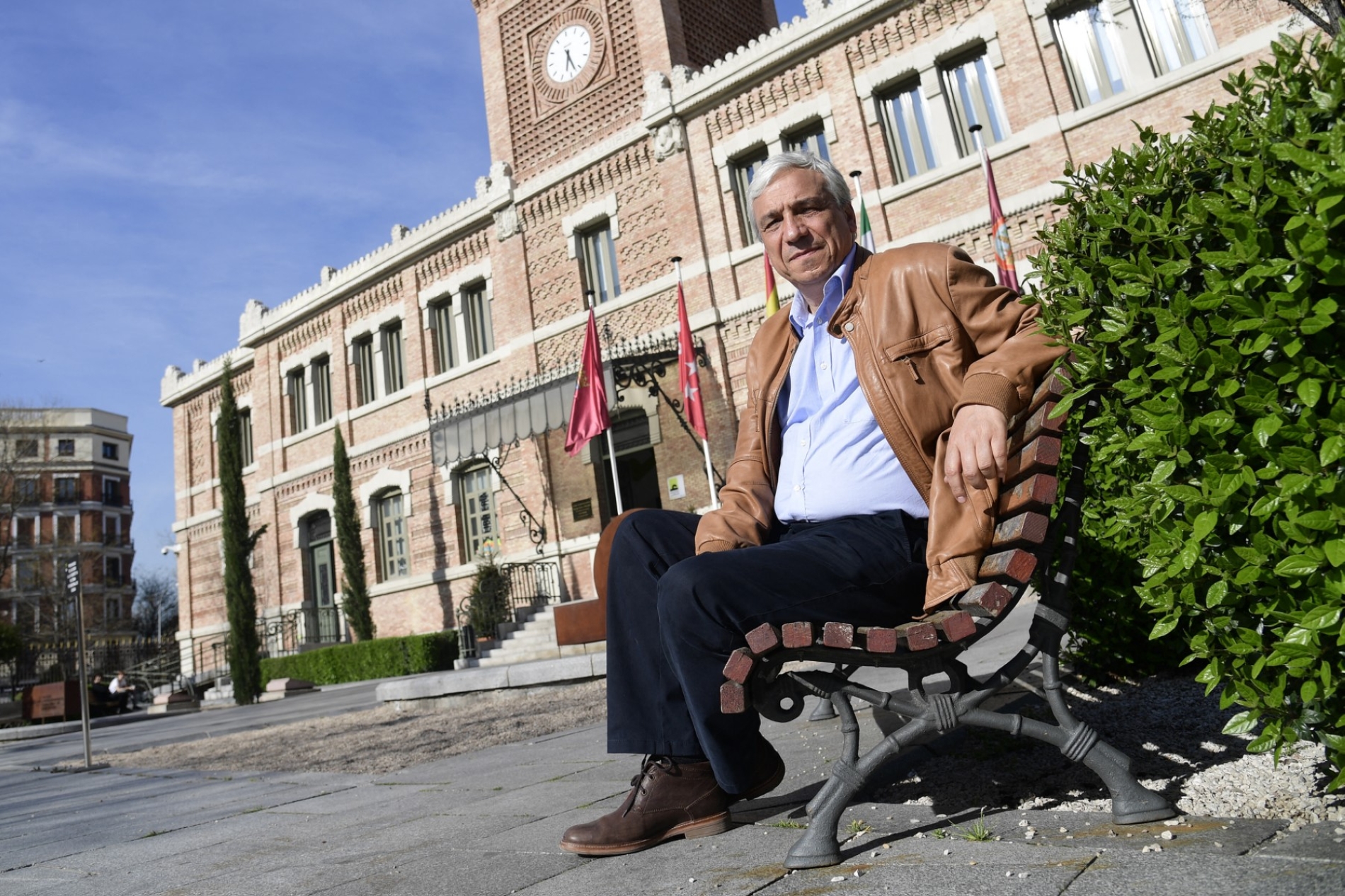
Given recent political and cultural developments across Europe, Aguilar thinks these are challenge times for intercultural dialogue, warning that suspicion and polarisation can narrow the space for meaningful engagement. He believes that one of the most important responsibilities of institutions like Casa Árabe is to introduce contemporary Arab perspectives to wider audiences.
On the issue of identity-based discourse in Spain, Gómez Benita argues that Arab cultural centres are now in a unique position to help reshape the dialogue between civilisations, given the increase in anti-Muslim prejudice. But he believes these institutions must adopt a more active stance, presenting a truthful image grounded in intellectual exchange rather than confrontation.
Gateway to Arab culture
Among the key responsibilities of Arab cultural centres in Europe is the translation of seminal works of Arabic literature into European languages, offering readers a gateway to the richness of Arab culture far beyond reductive stereotypes. In recent years, there has been greater interest in contemporary Arab and Islamic intellectual movements, yet certain Arab cultural centres in the West have struggled to achieve visibility.