
Perilous ideas in international politics rarely arise from a vacuum. They tend to emerge when the global order experiences structural strain, the principles of international legitimacy recede, the rights of peoples are marginalised, and the international system itself falters under paralysis, fatigue, and moral erosion. In such conditions, proposals emerge that seem pragmatic or technical at first glance but often expose a deeper void, ethical as much as political.
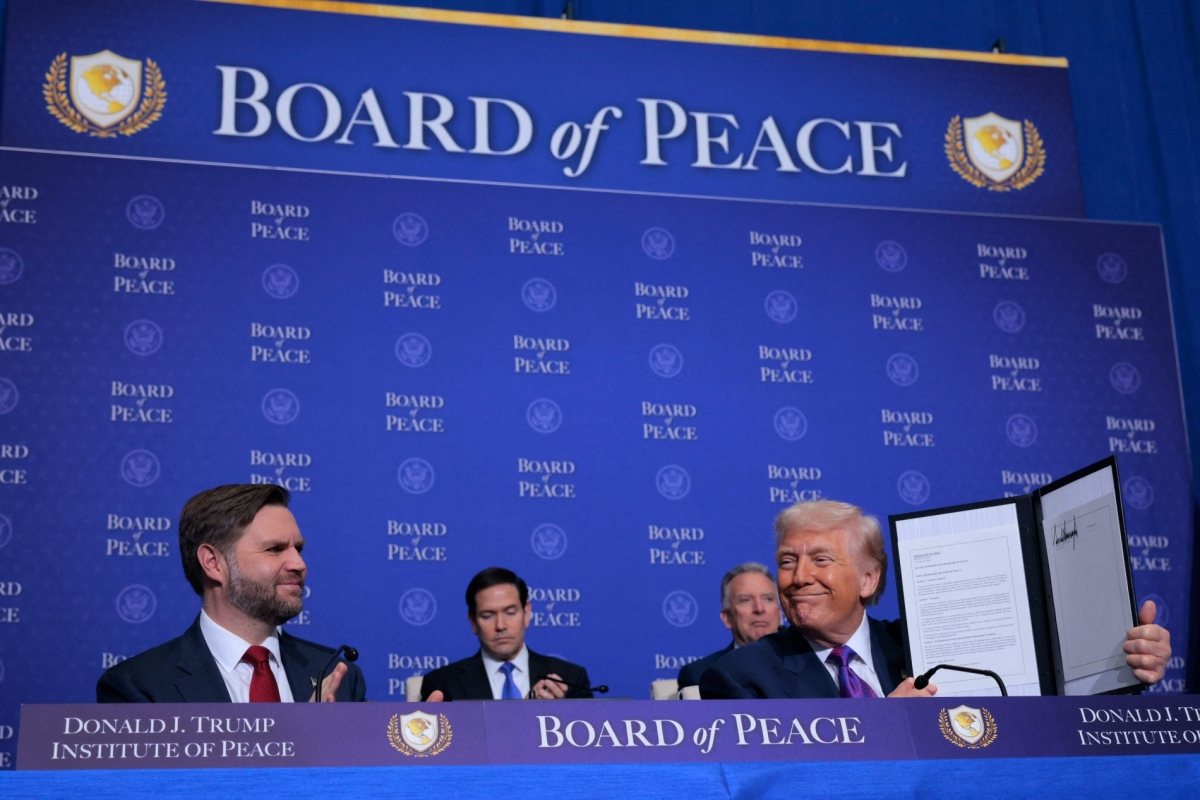
It is within this context that the proposal to expand the Board of Peace model—originally devised by US President Donald Trump as a mechanism to address the catastrophe in Gaza—to encompass Sudan must be understood. Presented as an innovative response to the failure of traditional mediation, it is framed as a rational tool of crisis management. Its essence, however, signals a more troubling transformation.
On 4 February, Massad Boulos, the US’s senior advisor for Africa and Arab and Middle Eastern affairs, said the Trump administration had prepared a comprehensive peace plan for Sudan. If accepted, it would be presented to the UN Security Council and then referred to the Board of Peace for adoption and implementation. This marked the first explicit indication that Sudan was to fall under the board’s authority.
If it goes through, the conflict in Sudan would no longer be treated as a matter of sovereignty and political justice, but recast as an administrative file to be handled by bureaucratic committees, detached from questions of international responsibility, historical rights, accountability, sovereignty, and the rule of law.
It would essentially reshape the nature of Sudan’s conflict. A political tragedy that demands accountability and political remedy would be reduced to a managerial problem addressed through external mechanisms. This is extremely dangerous. The global inability to confront the structural causes of the crisis opens the door to normalising superficial solutions that serve external interests. National questions are hollowed out and transformed into technical dossiers administered without context or national grounding. The outcome is not peace, but a trusteeship cloaked in technocratic language.
Bypassing the multilateral order
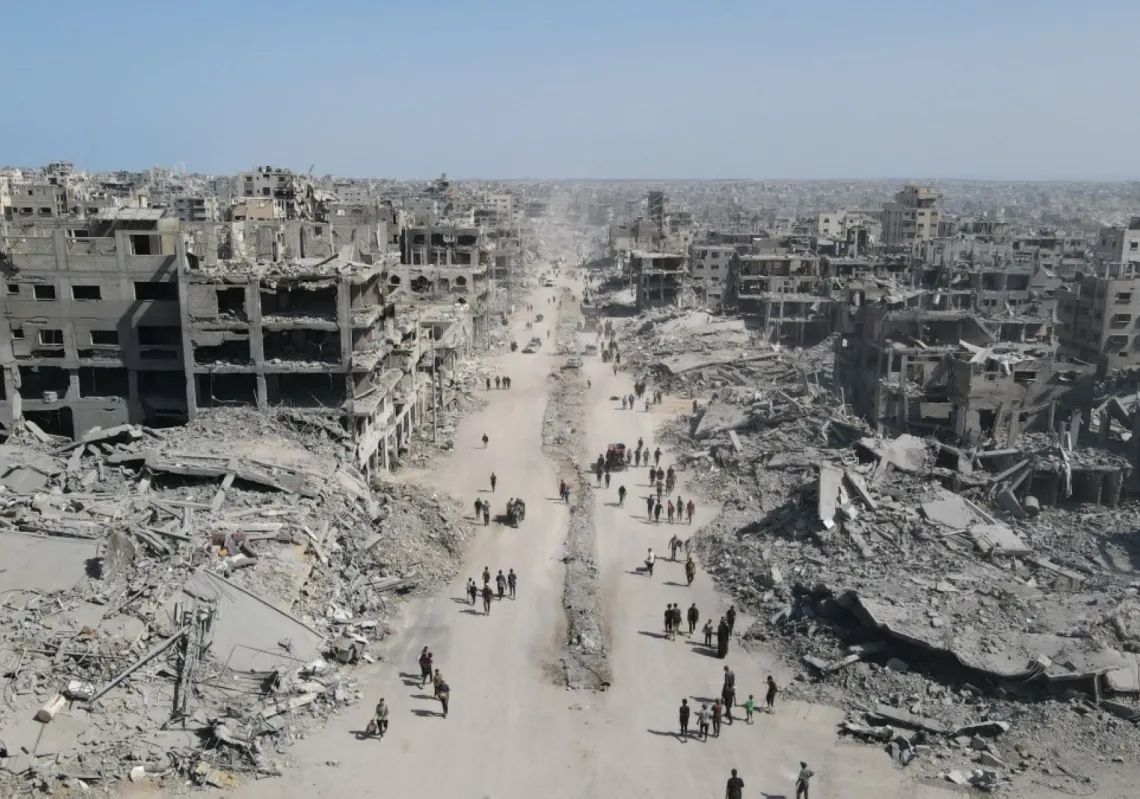
The Board of Peace emerged in the aftermath of Israel’s devastation of Gaza as part of a US plan to demilitarise, rebuild, stabilise, and govern Gaza. Granted legal cover through UN Security Council Resolution 2803, it signified, from the outset, more than a supplementary implementation tool. It represented a structural departure from established international practice, deliberately circumventing the UN, the central framework for maintaining global peace and security since the Second World War.
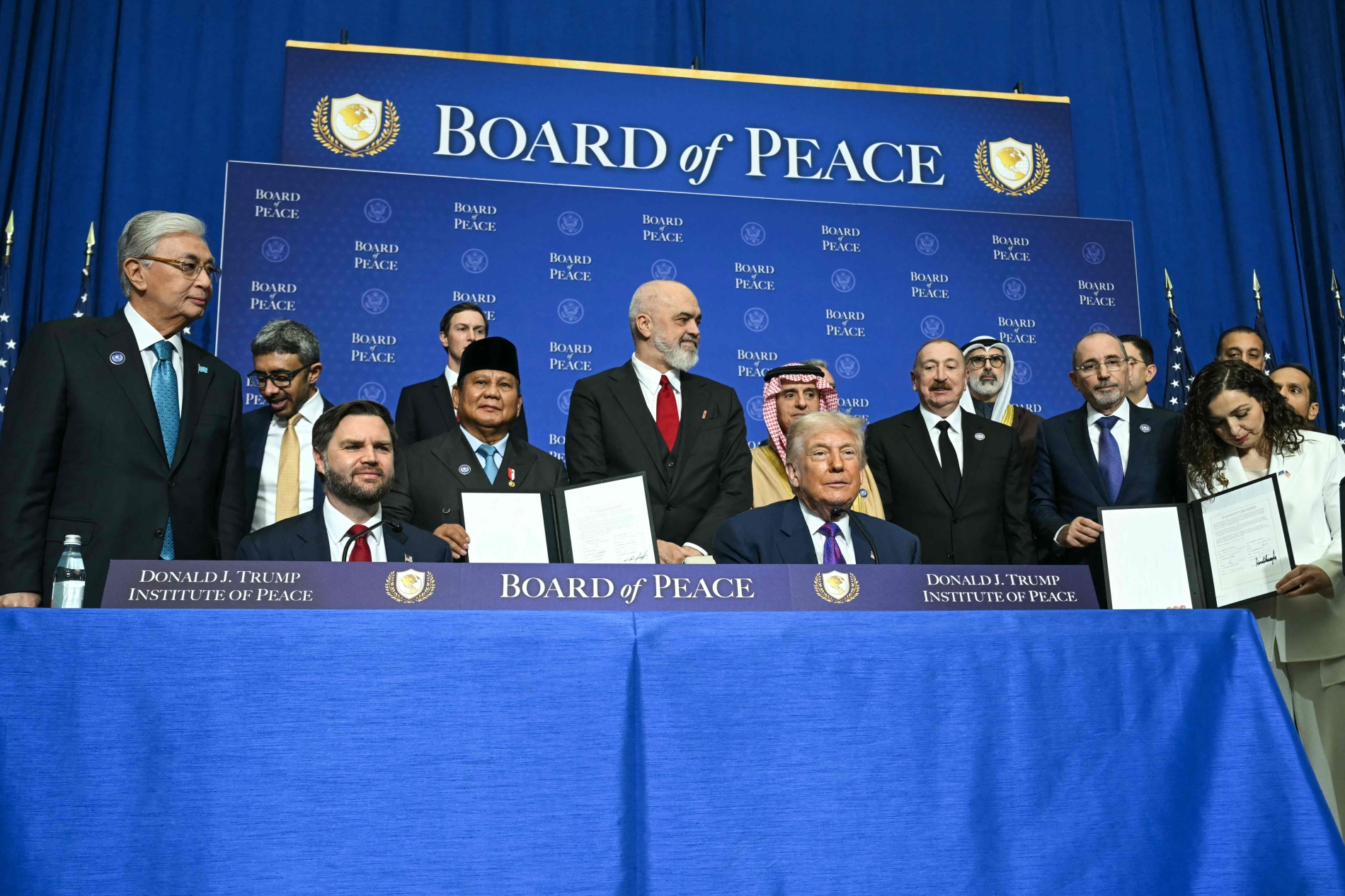
Its charter was drafted and approved at the World Economic Forum in Davos in January rather than within the UN General Assembly. Its executive council is composed of figures drawn largely from political and financial spheres rather than traditional diplomacy: Jared Kushner, the president’s son-in-law; Steve Witkoff, a real estate magnate and US special envoy to the Middle East; Marc Rowan, chief executive of Apollo Global Management; former British prime minister Tony Blair; and Ajay Banga, president of the World Bank. The Bulgarian politician Nikolay Mladenov was appointed High Representative for Gaza.
The US invited 60 states to join as founding members, each required to contribute $1bn to a fund controlled by the US president in order to secure permanent membership. Without such payment, membership would last only three years. In this structure, the logic of the market enters the heart of international politics. Investment becomes the gateway to influence.
The central questions are unavoidable: who grants this body legitimacy, who holds it accountable, and whose interests shape its decisions?