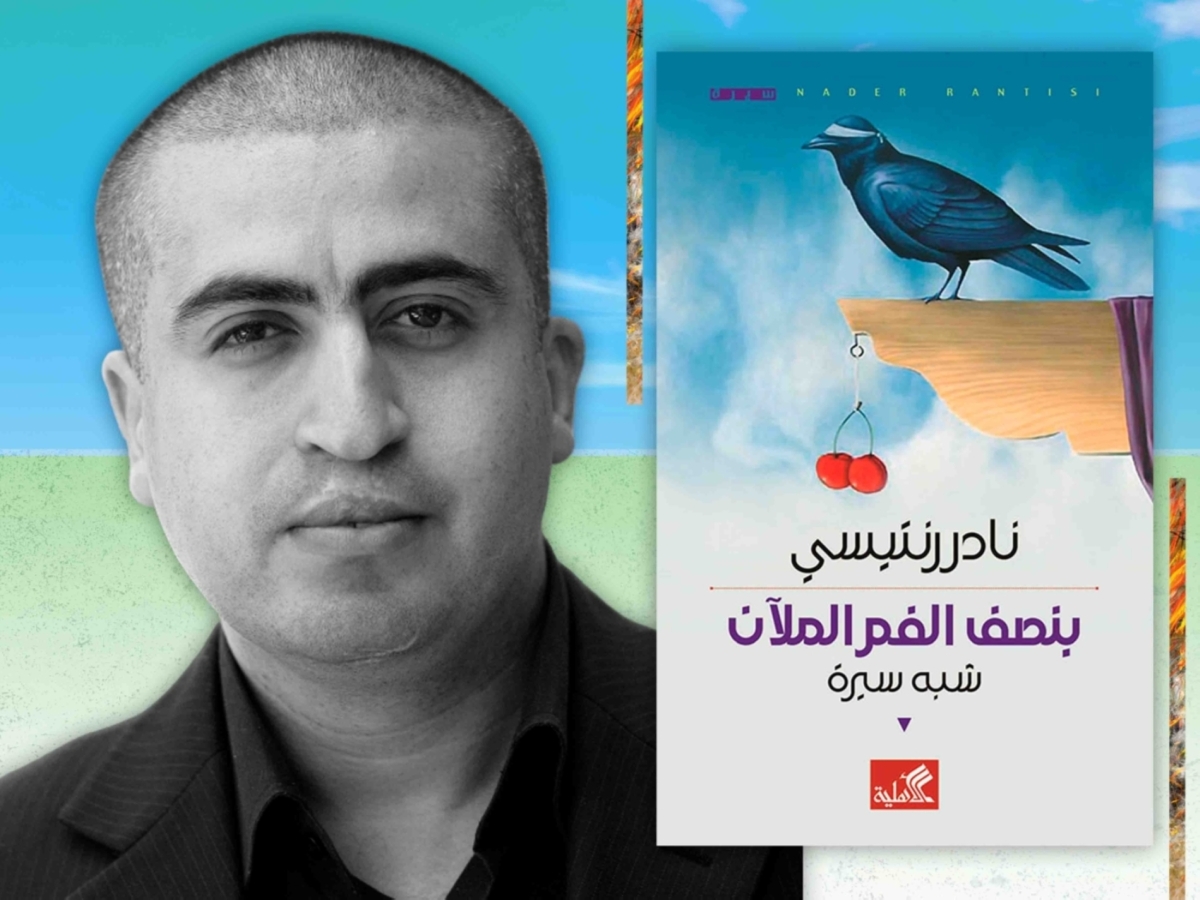

From a book that reconstructs a wounded Palestinian childhood to a new short story collection focusing on the disorientation of contemporary life, Nader Rantisi’s writing is shaped by change more than by memory.
In Half a Full Mouth, a quasi-memoir, the body becomes an archive of pain and exile, and the family a mirror reflecting a wider history of loss and uprooting, while in his new short story collection, he looks at daily life, whether that be fragile marriages or the isolation caused by excessive screen time.
Shortly before publication of this series of short stories, Rantisi spoke to Al Majalla about the hidden thread between texts, between geographical and digital exile, and between a home threatened by war and one threatened by loneliness. Here is the conversation.
Your new short story collection leans towards daily life, but in Half a Full Mouth, you were concerned with memory and exile. How do you see the shift from memory that is collective and personal to one that is digital?
It’s a forced shift. In Half a Full Mouth, I emptied everything from the life of a child, a family, and a country. I weighed the narrative down with intimate, borderline details along a rising timeline spanning 30 years of a boy’s life, his country, and his temporary addresses. I wanted it to be a condensed cinematic reel that settled on no single protagonist or plot.
Through the incomplete mouth of someone born with a cleft lip, I narrated Iraq’s wars in the 1980s and 90s, traced chapters of the Palestinian Nakba, and told the story of the father and mother—their marriage, infidelity, misery, drama—until the invasion takes place and the mother leaves with her child, scarred physically and mentally, forced to journey from Kuwait to Jordan.
If there is a thread between the two books, it is the moment when the events of Half a Full Mouth end, after the American invasion of Iraq and the fading of the Second Palestinian Intifada, in the early years of the new millennium. By then, the child has become a young man, despairing of the riddle of his mouth. At that time, he held his first mobile phone, a tool that carried him into the contemporary digital world, which I first devoted to the book You Delete Half Your Life, published in Beirut in 2012.
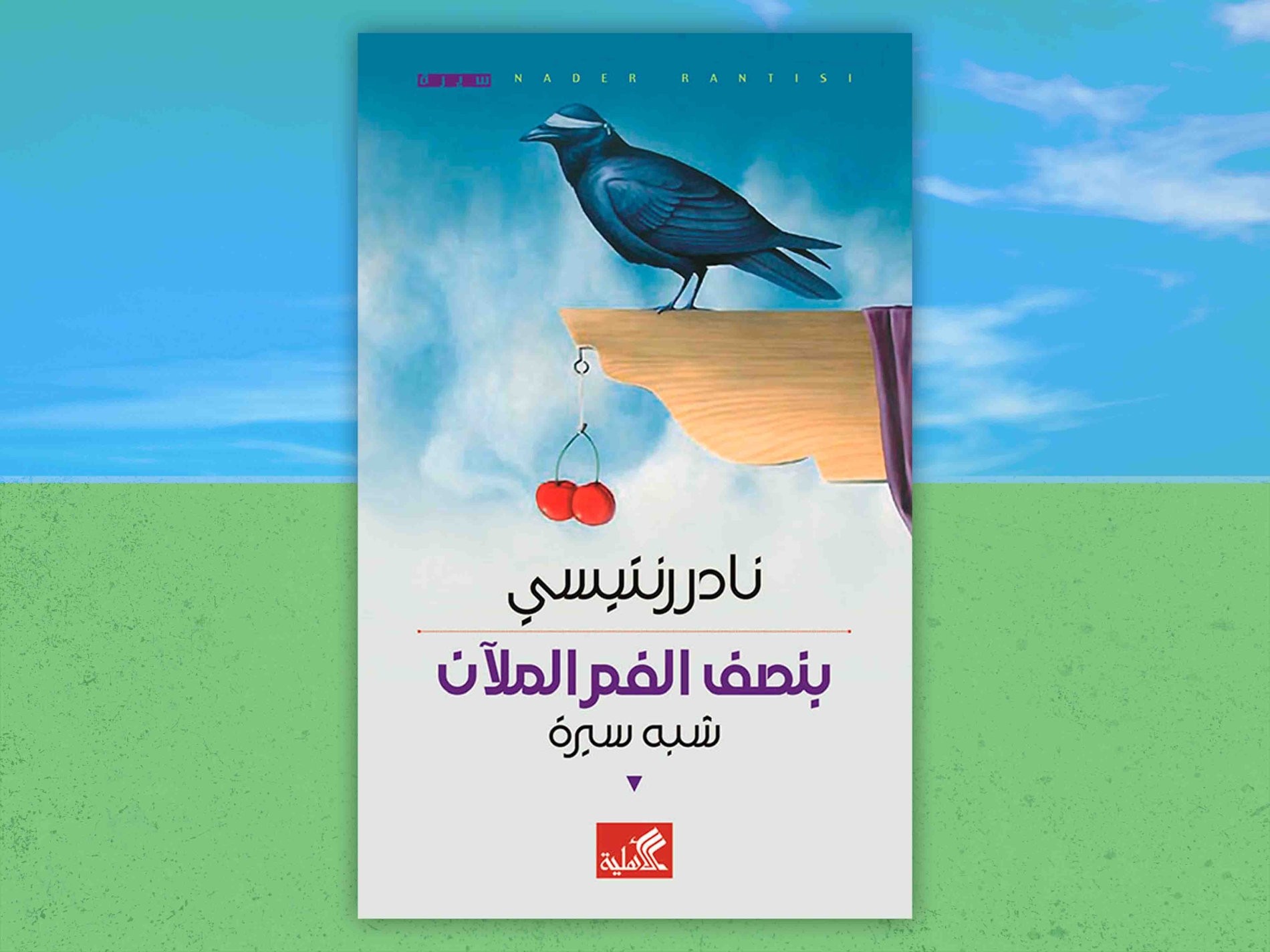
In stories like On the Beach, Above the Mountain and A Spoon and Precious Things, there is a tension between virtual reality and material reality. Is this an extension of the themes of body and language in Half a Full Mouth?
Perhaps the extension lies in the fact that there is always a parallel life. In the 1980s and 90s, before the internet, a parallel life existed in what we imagined, in what we did not possess, and in what we expected but never happened. In the 21st century, there is only one life—both virtual and material, fragmented into images, videos, short phrases claiming wisdom and perfection, and the angry opinions of those ready to fight any difference, even linguistic differences.
In the latest stories, there is a clear focus on the loneliness produced by the digital age, and of love through (emojis of) red hearts and digital lips. You fall asleep with the phone on your bed. You only use your voice to cough. This is a life that you think is complete, except for the human element.