
On 22 February of each year, Saudi Arabia celebrates Founding Day, commemorating the establishment of the First Saudi State in 1727 in Diriyah, northwest of present-day Riyadh. The date marks the emergence of a centralised political authority in a region long characterised by fragmentation.
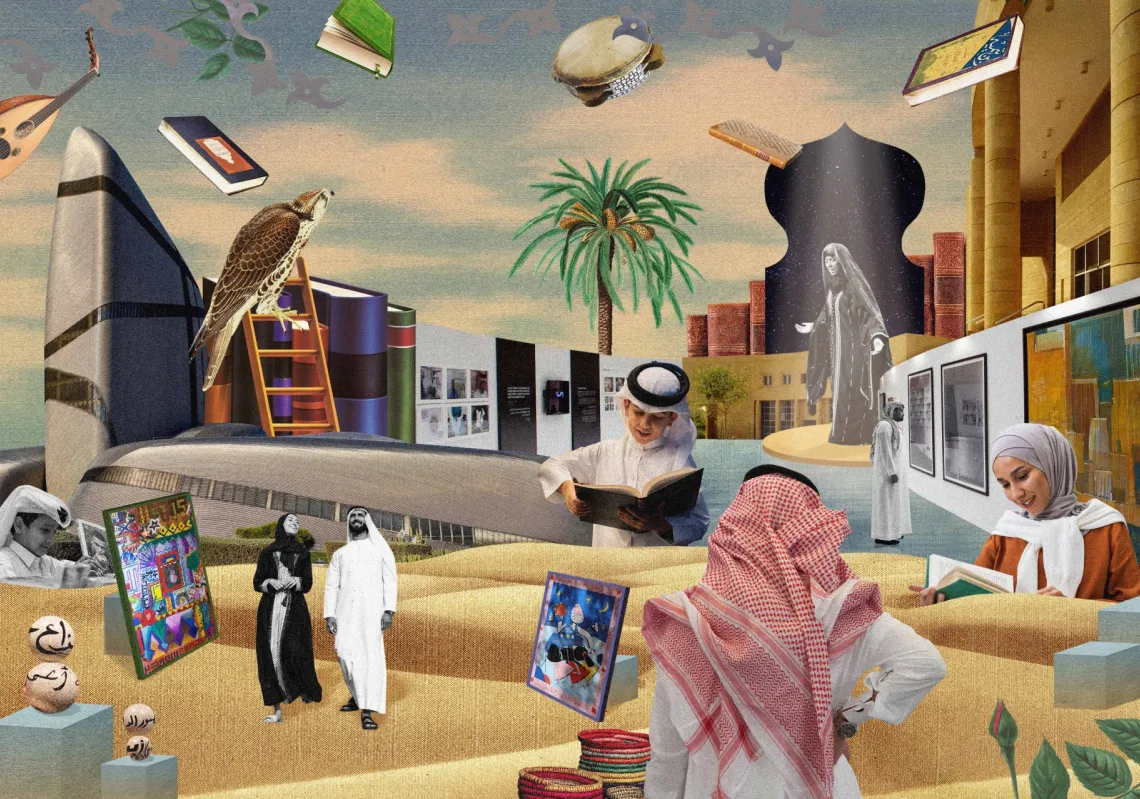
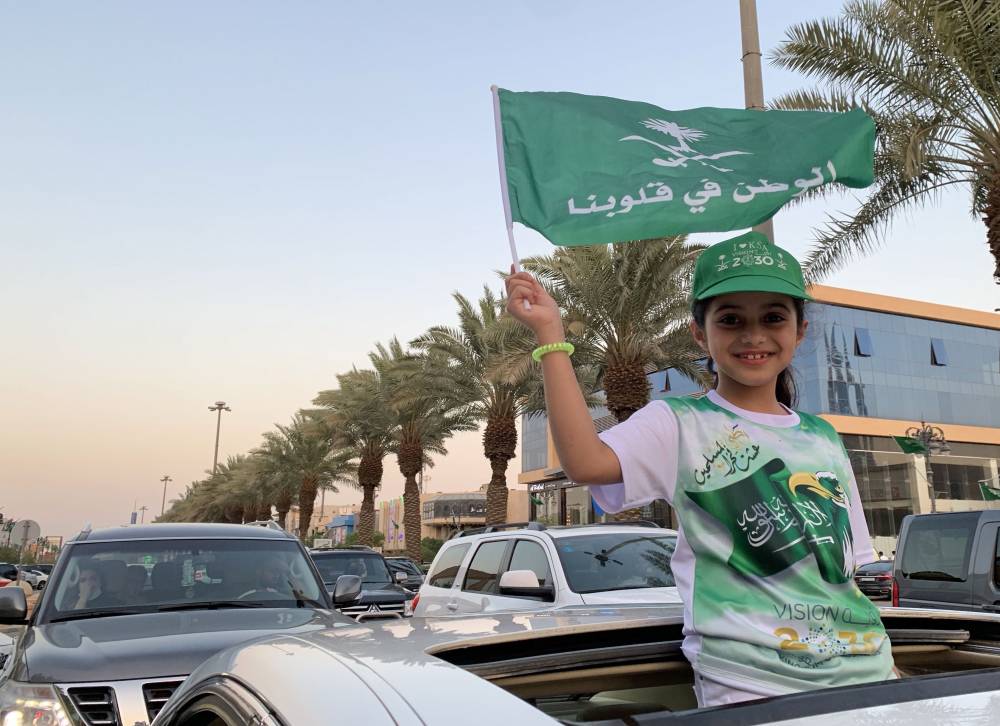
Today, this memory finds expression through a wide array of cultural and artistic events, alongside military and musical performances across the nation. From a sociological perspective, these activities serve as contemporary instruments for renewing collective memory and reinforcing the soft power of the modern state.
This institutional commemoration—established by royal decree in 2022—seeks to entrench national pride in the state’s structural foundation, strengthening the organic bond between society and the political order. It also celebrates the models of stability and institutional security that the state has cultivated.
Together with Saudi National Day on 23 September, which marks King Abdulaziz bin Abdulrahman Al Saud’s proclamation of unification in 1932, these occasions form a grand national narrative that links the moment of historical foundation with the achievements of the modern era. Through this synthesis, the state aligns the legitimacy of its origins with that gained through modernisation and institution-building.
Choosing a starting point
1744 had long been considered the origin point of the First Saudi State, embodied in the Pact of Diriyah—a pledge of allegiance by Sheikh Mohammed bin Abdul Wahhab to the Emir of Diriyah, Imam Mohammed bin Saud, who already exercised effective authority. The Al Saud polity had been established for more than a decade before this allegiance. Mohammed bin Saud was officially designated emir of Diriyah on 22 February 1727, a reign that ushered in the political and economic stability needed to help the Saudi state flourish and evolve.
This deeper historical reading extends the continuity of the Saudi political experience across nearly three centuries, affirming that its legitimacy rested first and foremost upon state-building, the governance of society, and the preservation of internal order.
This historical grounding helps us understand the profound symbolism embedded in the official emblem of Founding Day and how this legacy intersects with the developmental transformations now unfolding under the leadership of Crown Prince Mohammed bin Salman.
Diriyah’s origin story
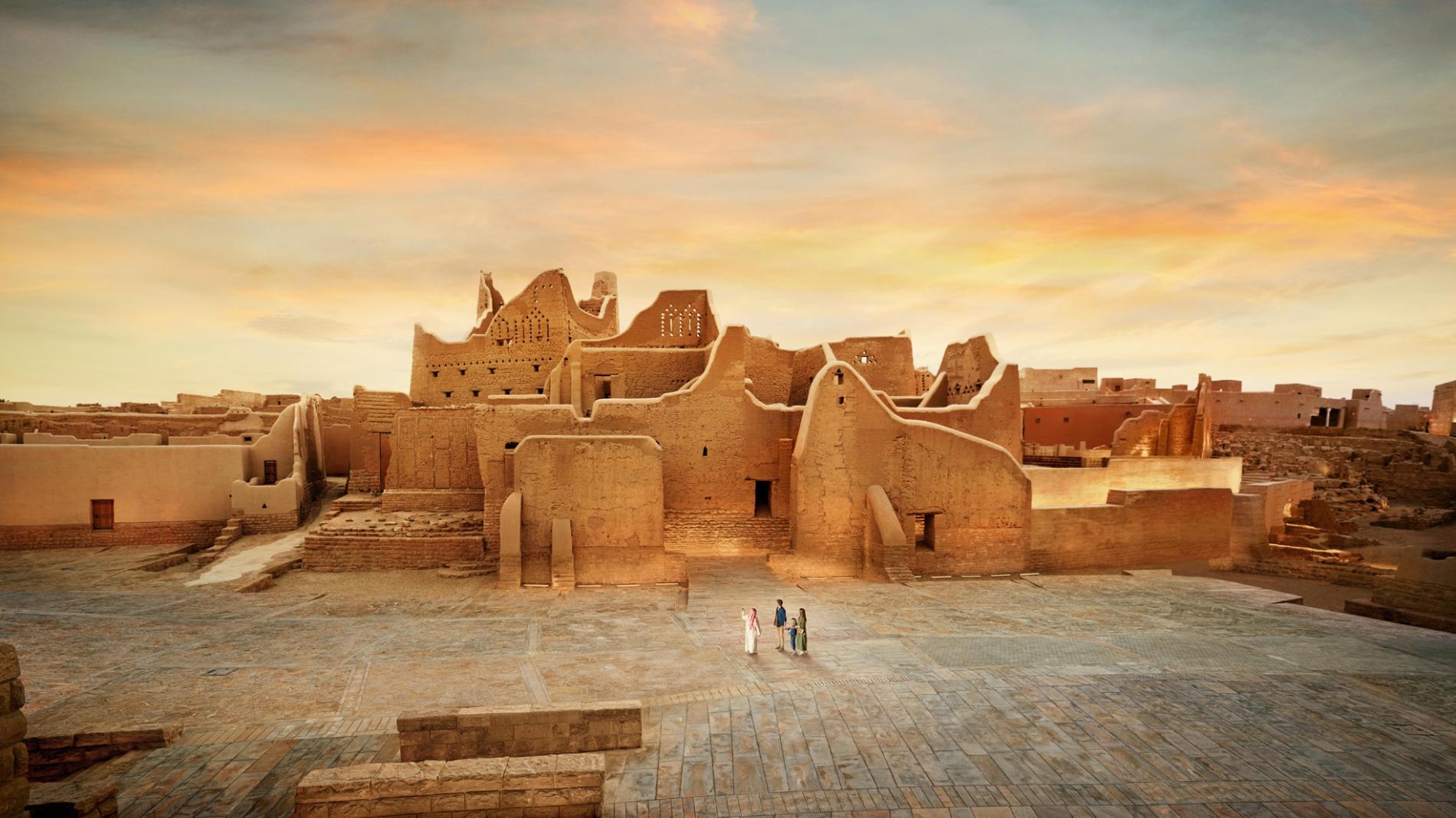
An objective reading shows that the emergence of Diriyah and the consolidation of authority there were the culmination of a longer historical process. Its roots lie in the settlement of the Banu Hanifa in Al Yamamah along the banks of Wadi Hanifa, where early stability supported a sustained agricultural and social order and later the growth of urban centres. The earliest documented foundations of this political entity date to 1446, when Mani‘ bin Rabiah Al Muraydi established Diriyah.
This was followed by nearly three centuries of gradual accumulation and growth. Imam Mohammed bin Saud drew upon political and administrative experience refined through years of governance alongside his father and grandfather—a period that decidedly shifted toward political centralisation. The expansion of the state’s territorial reach proceeded in tandem with efforts to secure the environs of Diriyah, safeguard pilgrimage and trade routes, confront military pressures emerging from eastern Arabia, and manage major public health crises.
These patterns of governance reveal an administrative apparatus capable of navigating crises and anchoring stability. Their impact was clear in the organisation of economic life and the strengthening of defensive fortifications, most notably the walls of Diriyah.
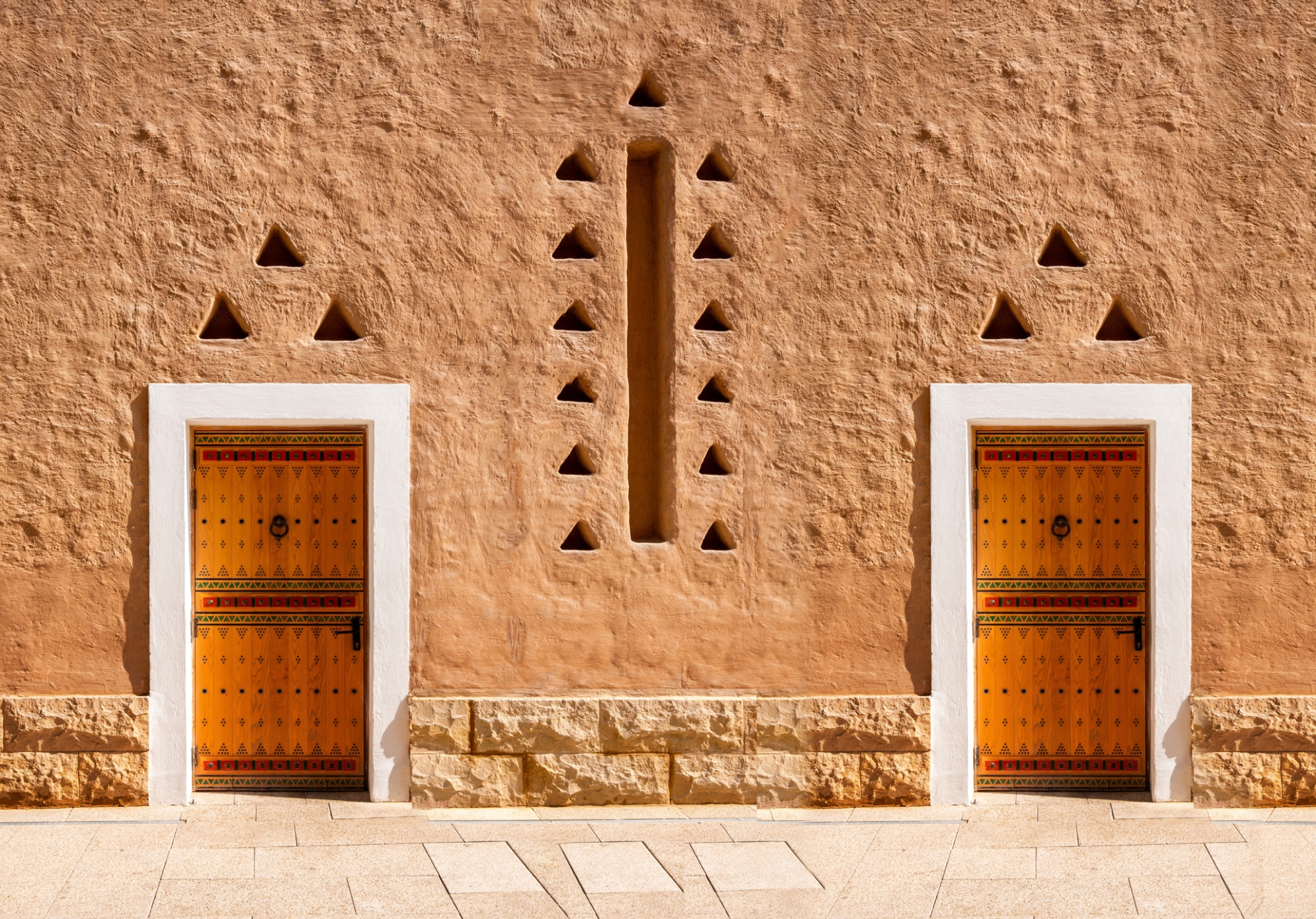
Through these measures, Diriyah became an autonomous political and economic centre. On this foundation, the First Saudi State emerged, rooted in existing local social structures and later strengthened by tribal alliances that enabled its broader expansion across the Arabian Peninsula.
A deep dive into the region’s history requires separating the Pact of Diriyah from the foundation of the state as an independent political entity. The pact formalised Sheikh Mohammed bin Abdul Wahhab’s alignment under the Emir’s political authority, reinforcing an existing order rather than changing it.
Timeline of events
1727: the establishment of the First Saudi State, bringing unity to Diriyah and a measure of political stability
1744: the Pact of Diriyah, which formalised the Sheikh Mohammed bin Abdul Wahhab’s allegiance to the Emir, added an ideological dimension to an existing state
1818: the fall of the First Saudi State after military campaigns against it
1824: the restoration of the Second Saudi State
1891: the end of the Second Saudi State amid regional conflict
1902: the recapture of Riyadh, which kick-started the process of unification and the formation of the institutions of the Third Saudi State.
Setting the record straight
The clarification of the historical record and the selection of 1727 as the country’s starting point help reshape national memory and political legitimacy in response to contemporary transformations. This can be understood through the framework set out by the French philosopher Paul Ricoeur in Time and Narrative, where he argues that time becomes historical only when organised into narrative. In this view, history is not a collection of isolated facts but a constructed whole that links past and present into a coherent account capable of sustaining collective identity.
Distinguishing between the founding moment of 1727 and the pact of 1744 reinforces a national narrative that links memory and history, strengthening social cohesion and political legitimacy. It presents the Saudi state as rooted in indigenous social and political development rather than external imposition.
As the state approaches its third century, this framing underscores the depth and continuity of the Saudi political experience, countering interpretations that seek to narrow or diminish it.
Translating heritage into identity
An examination of the state’s identity extends beyond aesthetics, reflecting its foundational philosophy and political character. The official identity guide identifies five principal elements: the flag, the palm tree, the falcon, the horse, and the marketplace. Together, they represent the material and moral pillars of the state’s emergence.
The marketplace signifies economic vitality and financial autonomy; the horse and falcon point to martial tradition and the capacity to defend order; the palm tree embodies endurance and sustenance in a harsh natural environment; and the flag represents sovereignty and unity.
The link between these symbols and the history of 1727 is clear. Diriyah served as a vibrant commercial hub, connecting the regions of the Arabian Peninsula and providing the financial autonomy necessary for political independence. The palm tree’s symbolism of self-sufficiency reflects the local cohesion that underpinned loyalty to leadership. As a whole the emblem traces a line from Diriyah as the first capital to Riyadh as today’s centre of strategic decision-making. It serves as a visual anchor to the state’s foundations, which continue to inform its modern institutions and strategic direction.
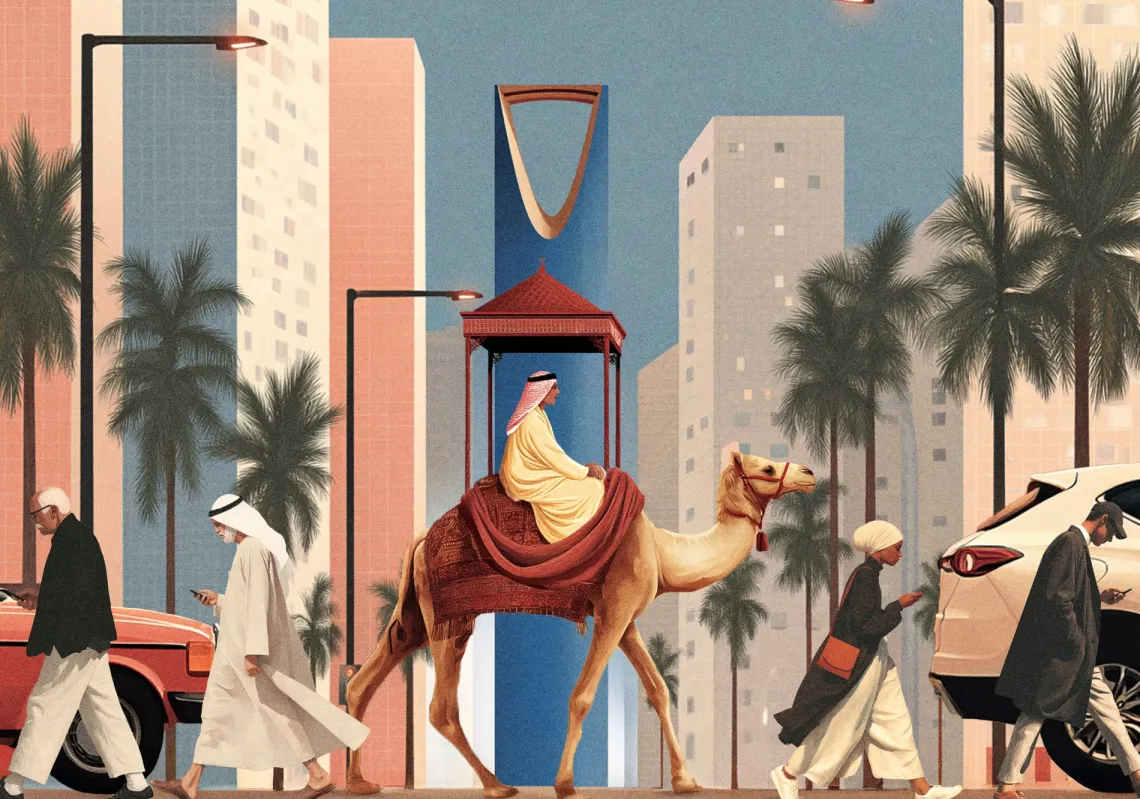
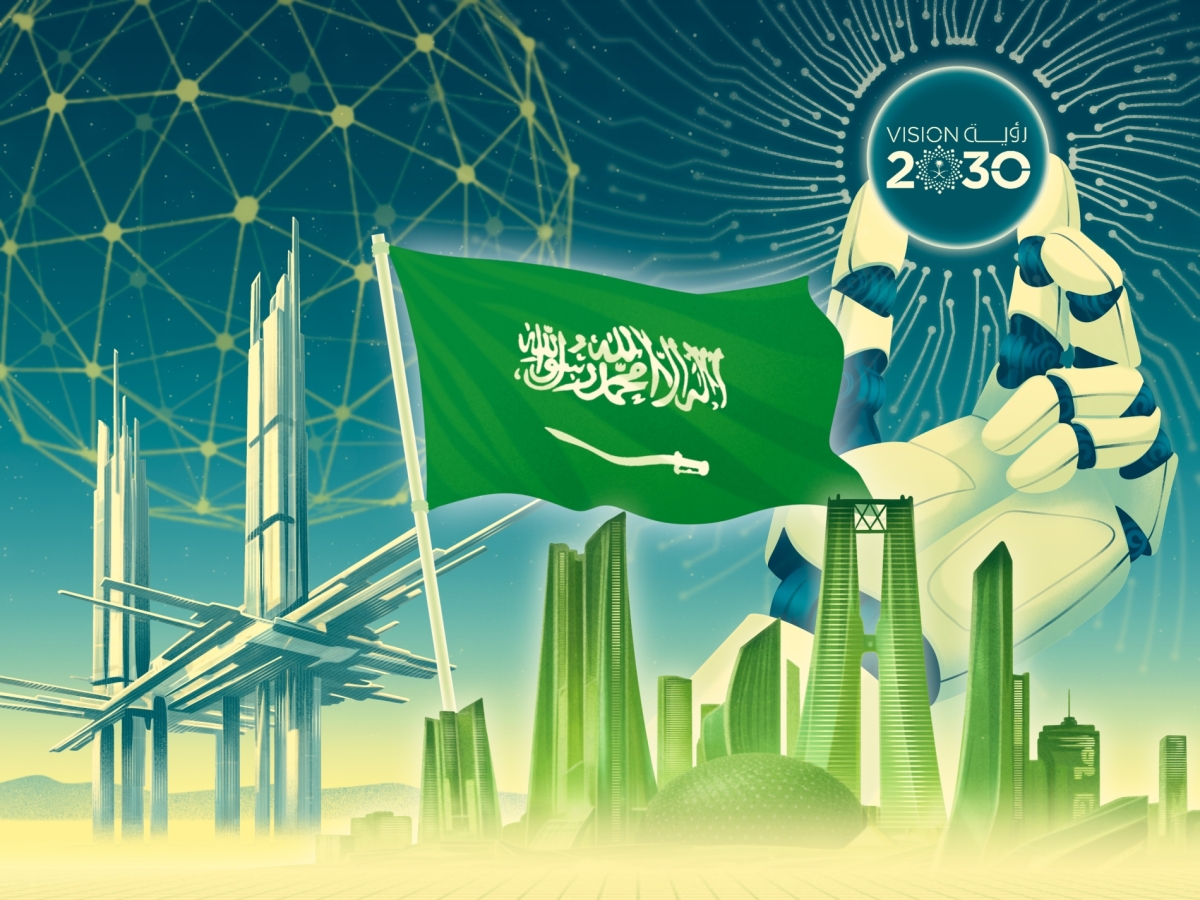
The decision to commemorate Founding Day highlights the leadership’s effort to strengthen national identity in line with the needs of a modern state. It reinforces a sense of belonging rooted in the country’s geography and history, while placing that heritage within the broader transformations of Vision 2030. In this way, tradition is not positioned as nostalgia but as a foundation for modernisation and openness.
An examination of successive historical phases sheds light on the mechanisms of continuity. Each stage of state development is built on the institutional foundations of the one before it. The founding phase of 1727 unified Najd and established the basis of an independent polity. In 1902, the recapture of Riyadh revived the national project amid complex regional pressures. The proclamation of 1932 completed unification, consolidating modern state institutions and defining its international presence.
Extending the trajectory
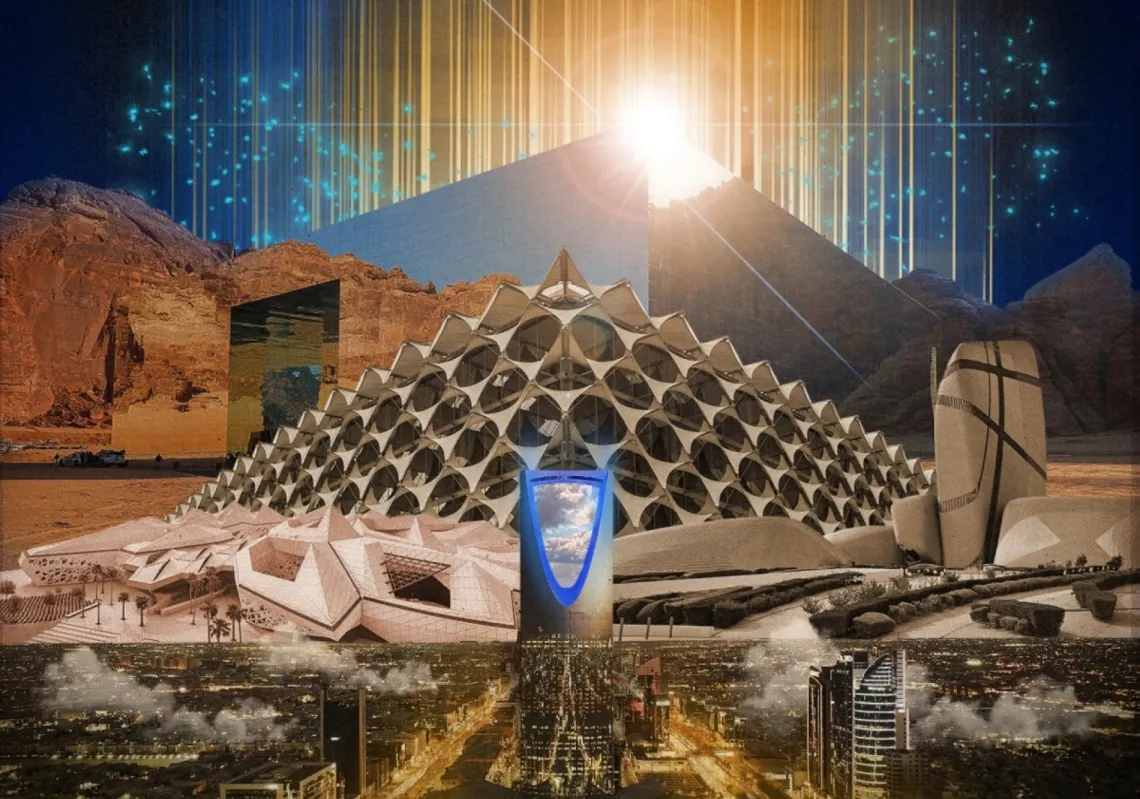
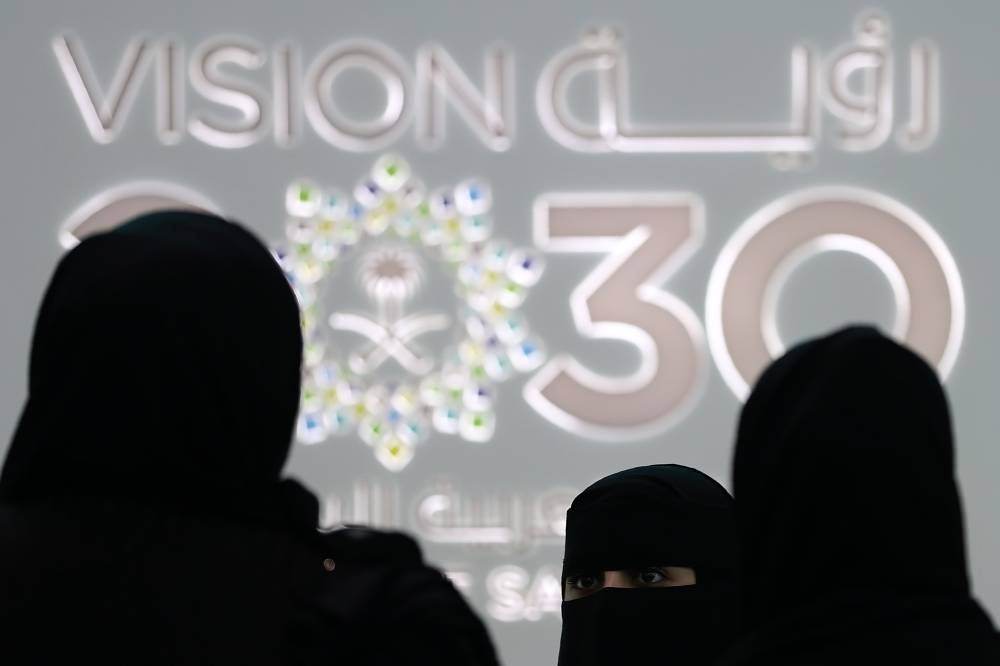
Today, Vision 2030 extends this trajectory, driving structural reform and economic transformation to reduce reliance on oil and broaden development as 2027 approaches.
The accumulated stability of the Saudi state extends beyond historical reflection. It serves as the country's political capital, conferring its geopolitical weight within the Gulf Cooperation Council and the wider regional and international order. Its ability to navigate complex regional challenges in a volatile environment rests on institutions that have endured crises, adapted to shifting global dynamics, and maintained continuity across centuries.
This institutional solidity is evident in the state’s capacity to pursue major economic and administrative reforms. Clear indicators include the rapid expansion of non-oil investment and the expansion of emerging sectors. Together, they point to a political system able to update its tools while maintaining the strategic principles that guide its long-term direction.
As the Saudi state approaches its third century, the significance of Founding Day extends beyond the commemoration of heritage. It reinforces national cohesion as a basis for sustainable development and affirms the state’s capacity to adapt to geopolitical pressures. This framing encourages an understanding that today’s institutional and infrastructural transformation is the result of long-term state-building, not short-term economic conditions.