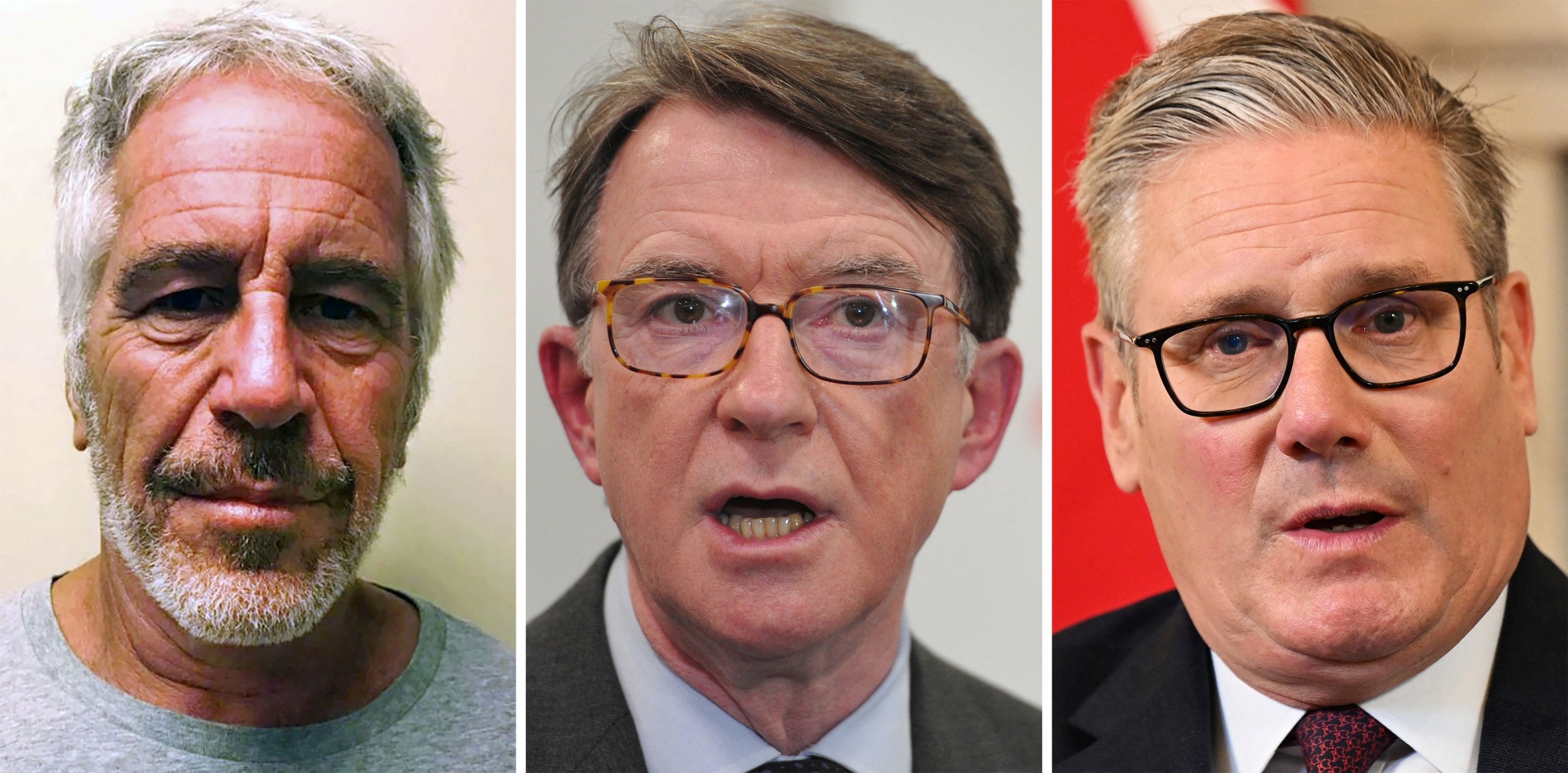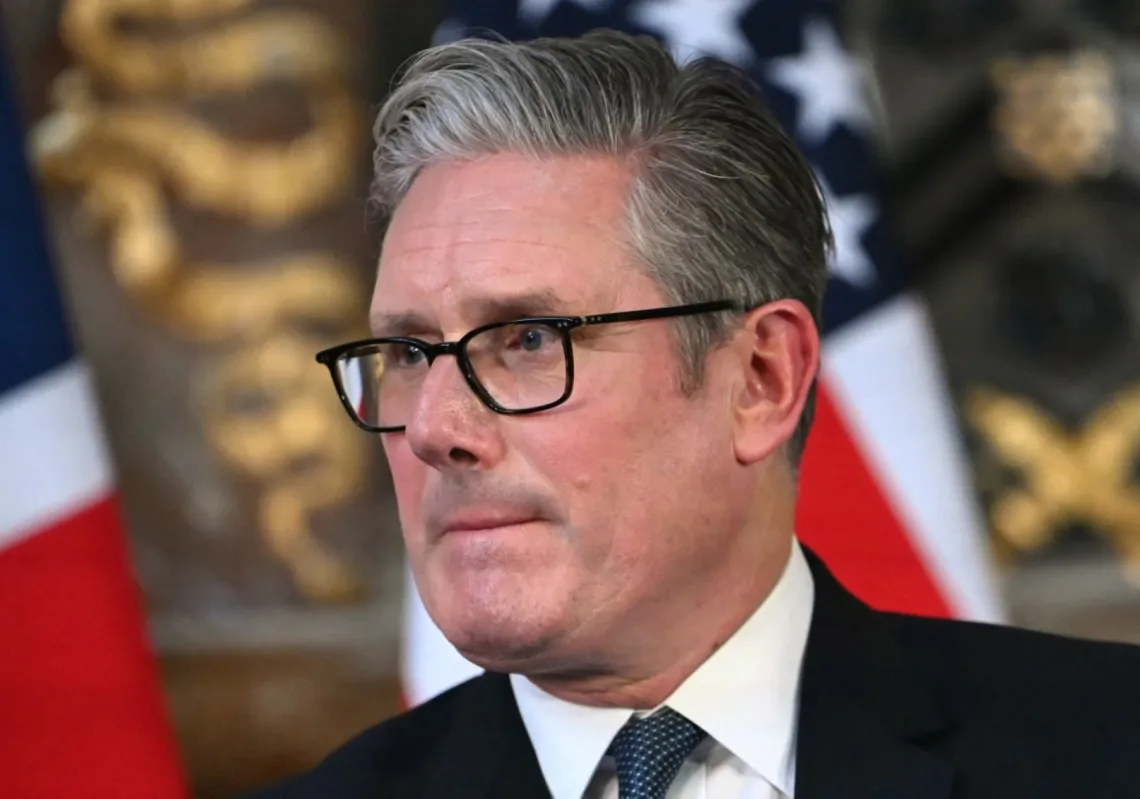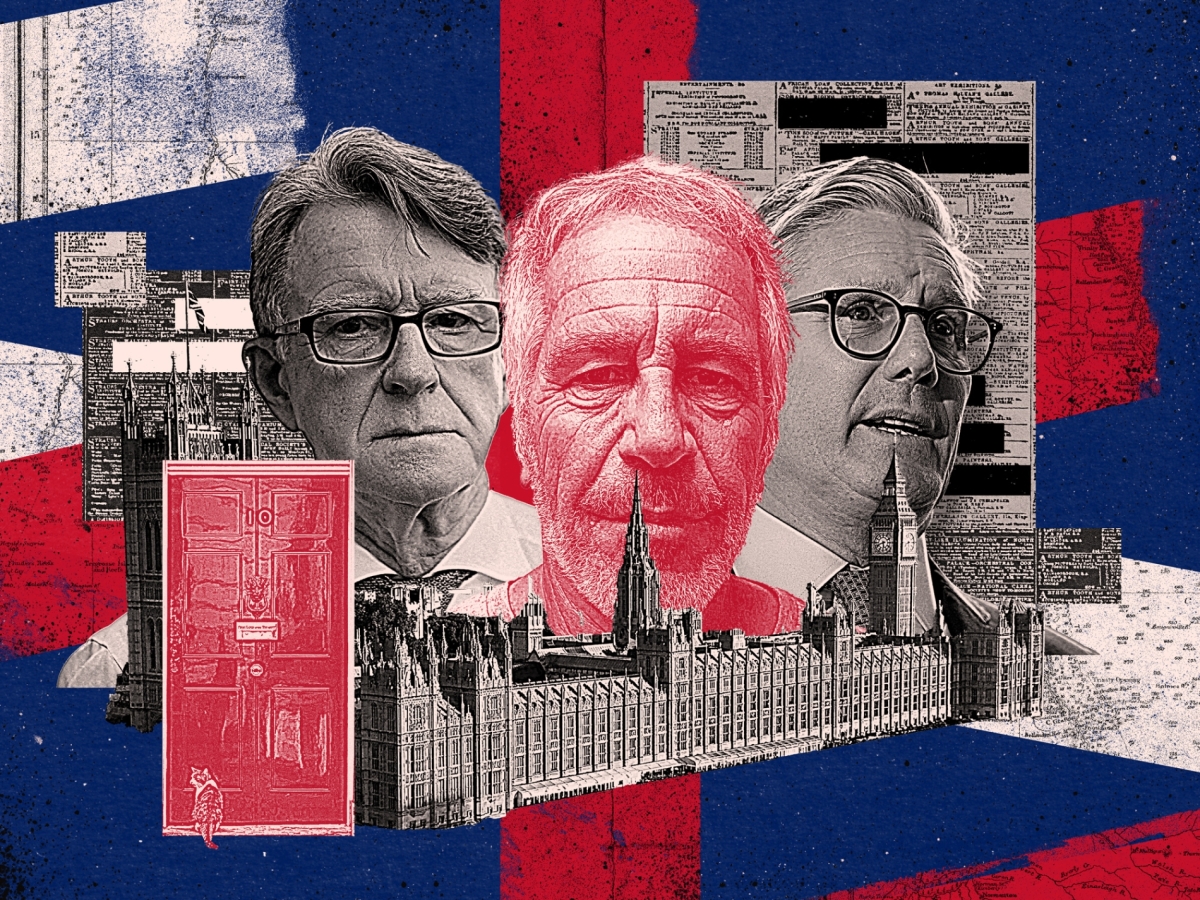

The revelation that a high-profile member of the British government had close historic ties with the disgraced American financier Jeffrey Epstein has entrenched British Prime Minister Sir Keir Starmer in the worst political crisis he has faced since taking office.
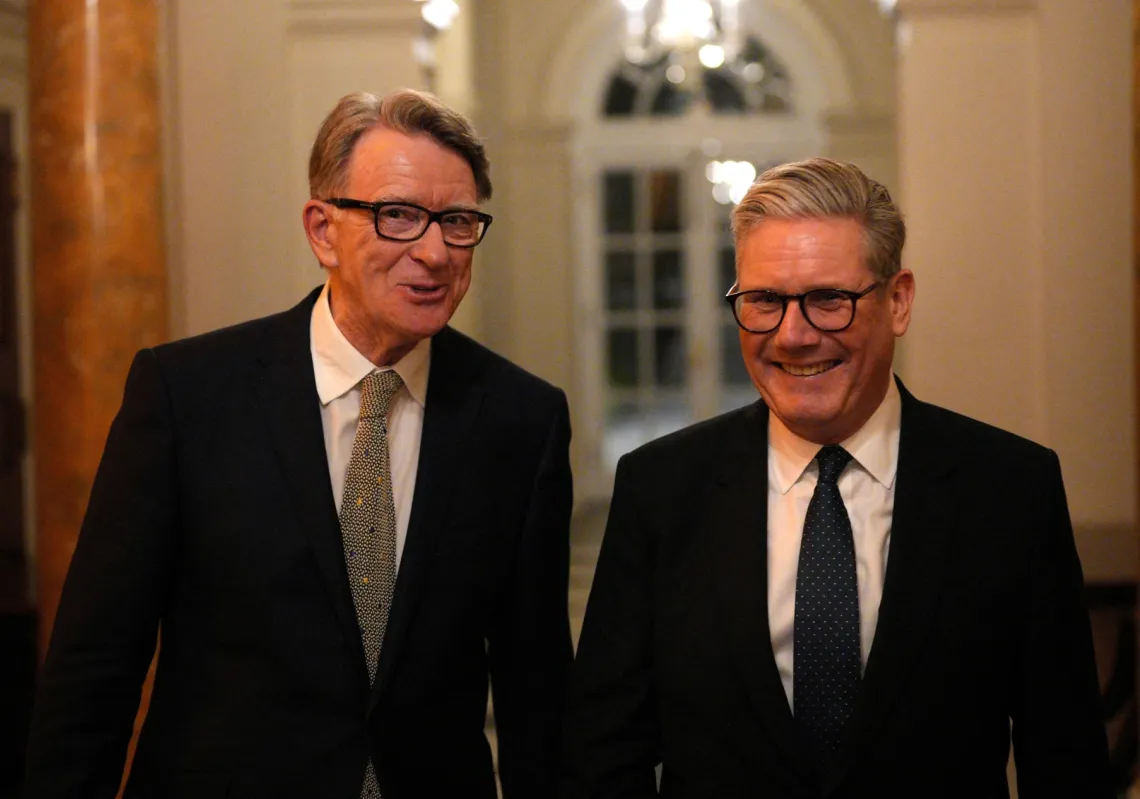
Questions about his ability to survive in office less than two years after he led his Labour party to a historic landslide victory have been raised following the publication of highly damaging files detailing Epstein's relationship with Lord Mandelson, the veteran Labour politician appointed by Starmer as the UK’s ambassador to Washington.
Apart from revealing that Mandelson remained on friendly terms with Epstein after the American financier was jailed for sex crimes involving underage girls, they also suggest that the former British envoy provided Epstein with sensitive UK government trade documents.
Given Starmer’s role in appointing Mandelson in the first place, the subsequent scandal caused by the US government’s decision to release millions of documents relating to Epstein’s business dealings has led to calls for Starmer's resignation.
At one point, it appeared that Starmer would have no choice but to resign after Anas Sarwar, the Scottish Labour leader, called Sir Keir Starmer and told him it was time for him to resign as prime minister. “I spoke to the prime minister earlier today, and I think it’s safe to say he and I disagreed,” Sarwar said at a hastily arranged press conference. “We cannot allow the failures at the heart of Downing Street to mean that the failures continue here in Scotland.”
Sarwar made his intervention after the prime minister had just lost two of his most senior allies, Morgan McSweeney, his chief of staff, and Tim Allan, his director of communications, in the space of 24 hours due to the Mandelson scandal.
It was only after Downing Street quickly began to organise a rearguard action that Starmer managed to survive the demands for him to step down. As Sarwar started speaking, Downing Street issued a defiant statement making it clear that the prime minister was going nowhere.
Dubious defence
Starmer’s weak defence of his appointment of Mandelson as UK Ambassador to the US was that he had been lied to when making the appointment, and that he was unaware of the closeness of the relationship between the two men. This defence was believed by virtually no one on either side of parliament, as much of the evidence of the intense friendship had already been in the public domain.
Furthermore, Labour’s chaotic year and a half in government after a landslide victory over the Tories in the general election in the summer of 2024, with a number of policy U-turns on key issues, had rendered Starmer unpopular both with his own party and, increasingly, the country.
Even after Starmer, addressing calls for his resignation, made a speech aimed at placating Labour MPs, the mood in Westminster remained febrile, with an increasing number of ministers and backbenchers reaching the conclusion that it is now a question of not whether Starmer will be forced to resign, but when.
The departure of senior aides usually leads to the ousting of even the most successful prime ministers. Margaret Thatcher lasted barely a year after Alan Walters, her economics adviser, was forced to quit. Gordon Brown did not last long after his communications chief went. Theresa May and Boris Johnson were both forced out less than two years after the departure of their top aides.
Perilous position
Starmer’s perilous position was made abundantly clear at the weekly session of Prime Minister’s Questions in the House of Commons, as he faced questions over another possible misjudgement in making his former communications chief, Matthew Doyle, a peer despite claims that Doyle had actively campaigned for a sex offender. Starmer’s excuse, much as it was his excuse for appointing Mandelson, was that Doyle had “not given a full account of his actions”.