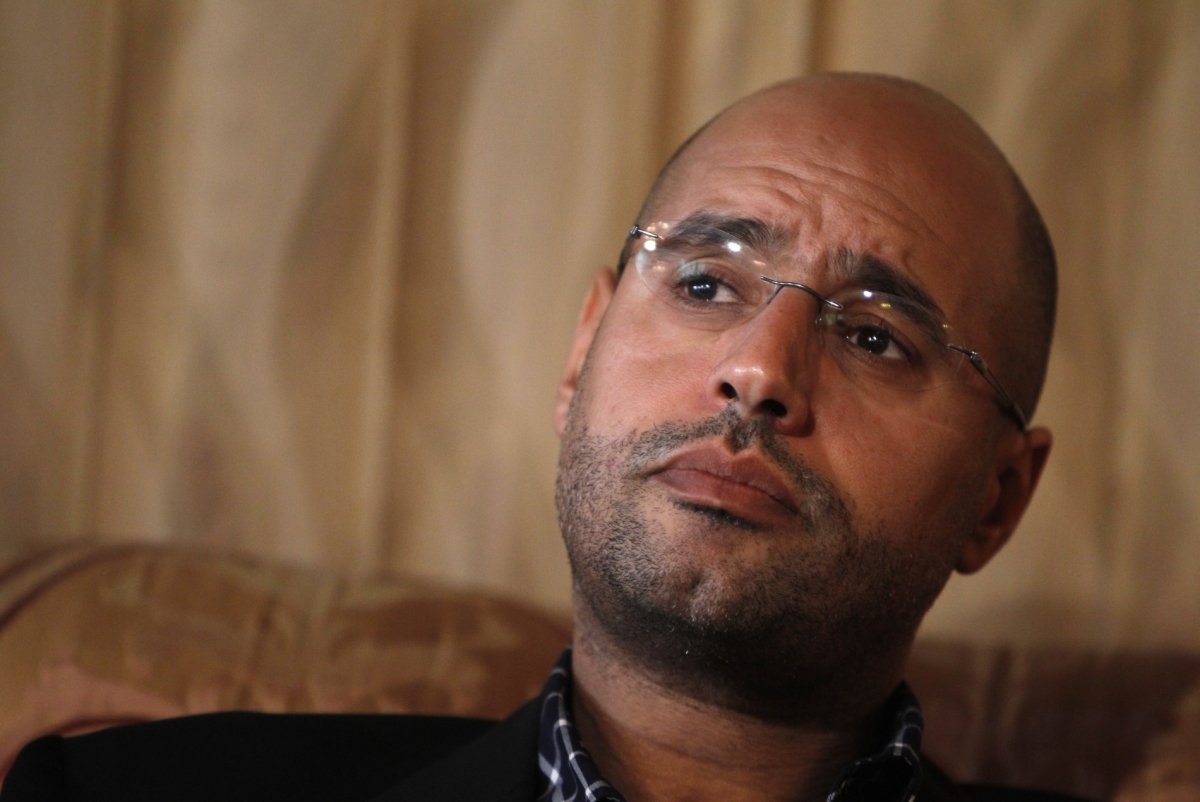
Libyans were taken by surprise on 3 February by the announcement of the killing of Saif al-Islam Gaddafi, son of the late Libyan leader Muammar Gaddafi, in the city of Zintan, western Libya, after being shot dead by unknown assailants.
Abdullah Othman, an advisor to Saif al-Islam, broke the news in a Facebook post, though no details were provided about the circumstances of the incident or the party responsible. For his part, Attorney General Al-Siddiq al-Sour has ordered an investigation into the assassination.
Saif al-Islam’s political team mourned what they described as a national reform initiative, stating that his assassination represented a blow to the country’s prospects for peace and stability.
The timing of his death coincides with the 15th anniversary of the revolution that overthrew his father’s regime, with support from the North Atlantic Treaty Organisation (NATO). It also followed an announcement by Massad Boulos, the US President's adviser on Arab and African affairs, who revealed that he had convened senior officials from western and eastern Libya in Paris last week for productive talks. The discussions reportedly focused on national unity and long-term stability, in line with President Trump’s broader peace agenda.
The meeting was seen by some as a potential first step towards the formation of a unified government. It brought together Ibrahim al-Dbeibeh, National Security Adviser to Libya’s Government of National Unity, and Lieutenant General Saddam Haftar, Deputy Commander-in-Chief of the Libyan Army in eastern Libya and the son of Field Marshal Khalifa Haftar.
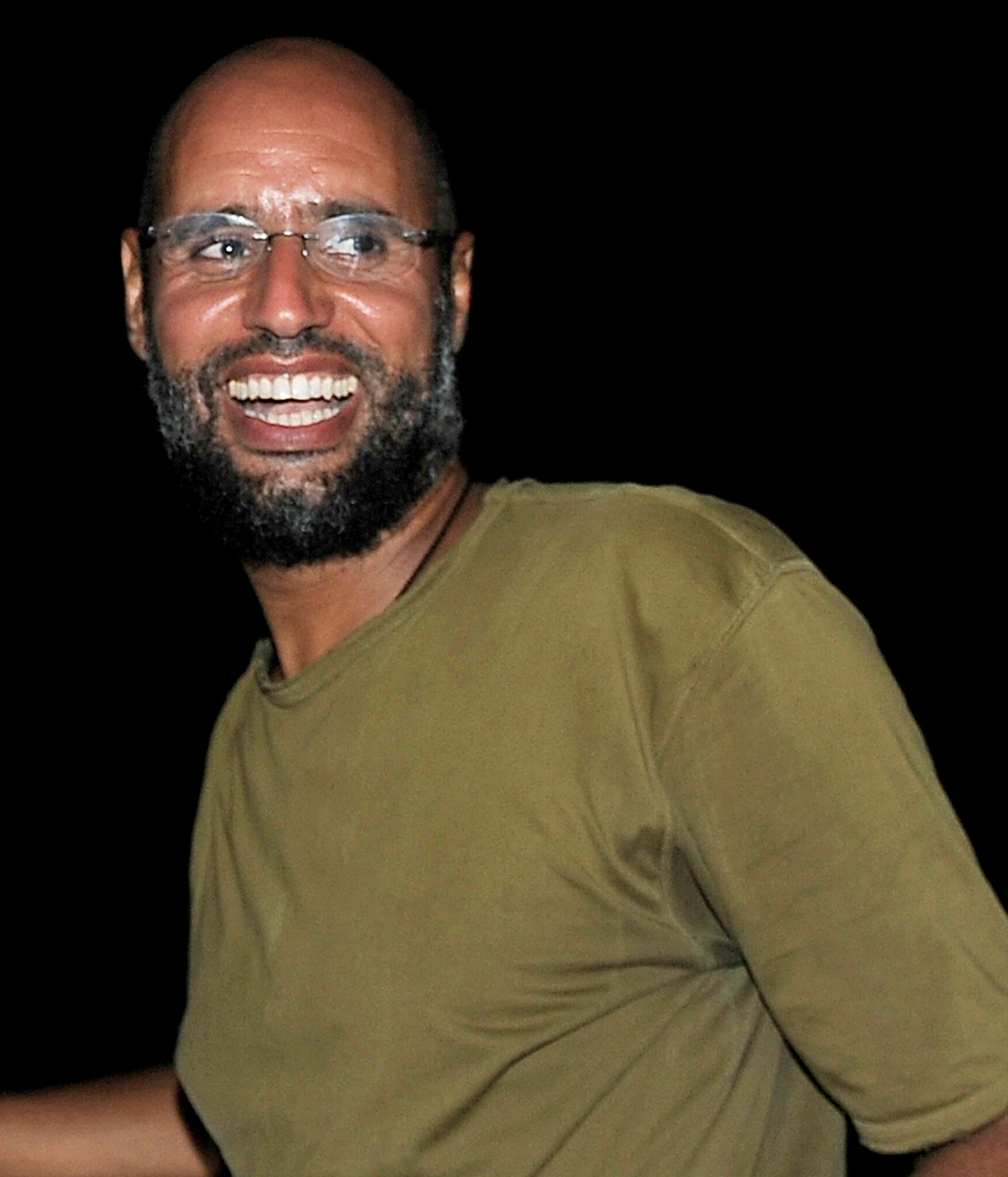
Saif al-Islam, the son of Libyan leader Muammar Gaddafi, smiles as he greets supporters in Tripoli on 23 August 2011.
Early life and career
Born in 1972, Gaddafi’s son was wanted by the International Criminal Court on charges of crimes against humanity arising from the 2011 uprising against his father’s rule. In 2015, a Libyan court sentenced Saif al-Islam to death in absentia for his role in suppressing protests during the revolution that brought down Muammar Gaddafi.
Saif al-Islam Gaddafi, the second eldest of Muammar Gaddafi’s sons, studied in Austria and the United Kingdom. He maintained contacts with decision-making circles in Western countries and led efforts to return Libya to the international stage by offering concessions to Western states to resolve outstanding issues from the former regime.
Events in recent months suggest an attempt to prepare Libya's political stage for a new phase that prioritises stability and removes divisive figures
Internally, Saif al-Islam led a reconciliation drive with some opponents of his father's regime inside and outside the country. He provided financial compensation to a number of them and secured the release of dozens of detainees held in political and security cases. This formed part of the Libya of Tomorrow project, through which he sought to create new opportunities for young people and broaden the space for expression, although it did not yield the hoped-for impact at the time.
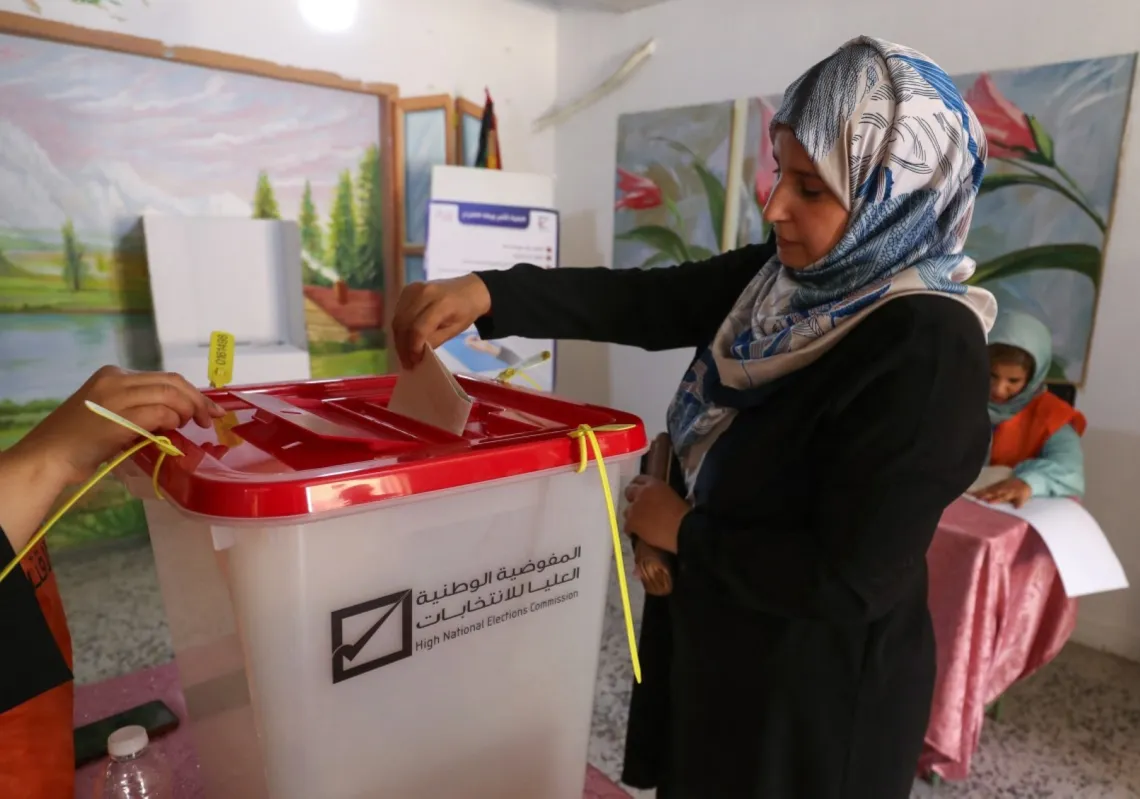
After 2011, Saif al-Islam withdrew from the political scene until 2021, when he declared his candidacy for the presidential election scheduled for December that year, despite several countries stating they would not accept a candidate wanted by international justice in Libya's highest office.
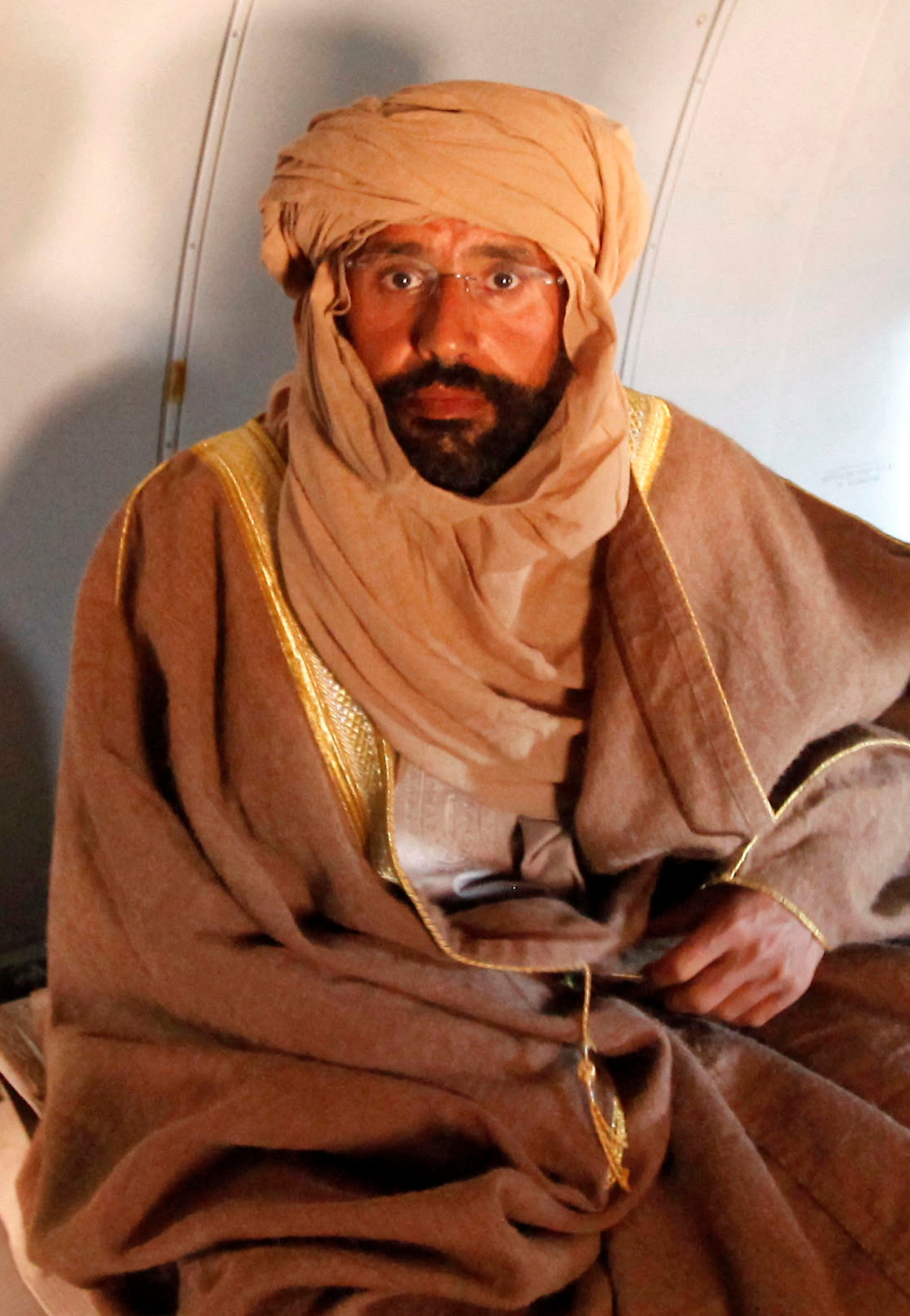
Saif al-Islam Gaddafi is pictured sitting in a plane in Zintan, on 19 November 2011.
He was among the leading contenders, competing with Field Marshal Khalifa Haftar and the head of the Government of National Unity, Abdul Hamid Dbeibeh. For supporters of his father and the former regime, he represented a chance to return to power through elections, a process their system had denied for four decades.
However, Saif al-Islam lacked a substantial military force on the ground to protect him or shield him from attempts to exclude him from the political scene. This contrasted with some candidates who relied on broad armed formations drawn from their cities and tribes, in a landscape reminiscent of bygone eras when military strength could secure political gains.
Latest in a string of assassinations
Saif al-Islam's killing forms part of a series of assassinations and killings that have targeted military and security leaders. Last year, Abdul Ghani al-Kikli, head of the Stability Support Apparatus, was killed during armed clashes over spheres of influence and control in the capital. Leaders of armed groups in cities across western Libya were also killed, some with links to human trafficking and fuel smuggling.
Before the end of the year, Lieutenant General Mohammed al-Haddad, Chief of the General Staff under the internationally recognised Government of National Unity, died after his aircraft crashed in Turkiye during an official working visit to Ankara alongside a number of senior Libyan military commanders.
Preparation for a new phase
Events in recent months, viewed closely in light of their details, suggest an attempt to prepare Libya's political stage for a new phase that prioritises stability and removes divisive figures who could obstruct any path towards calm. This aligns with a new approach shaped by the current balance of power between eastern and western Libya.
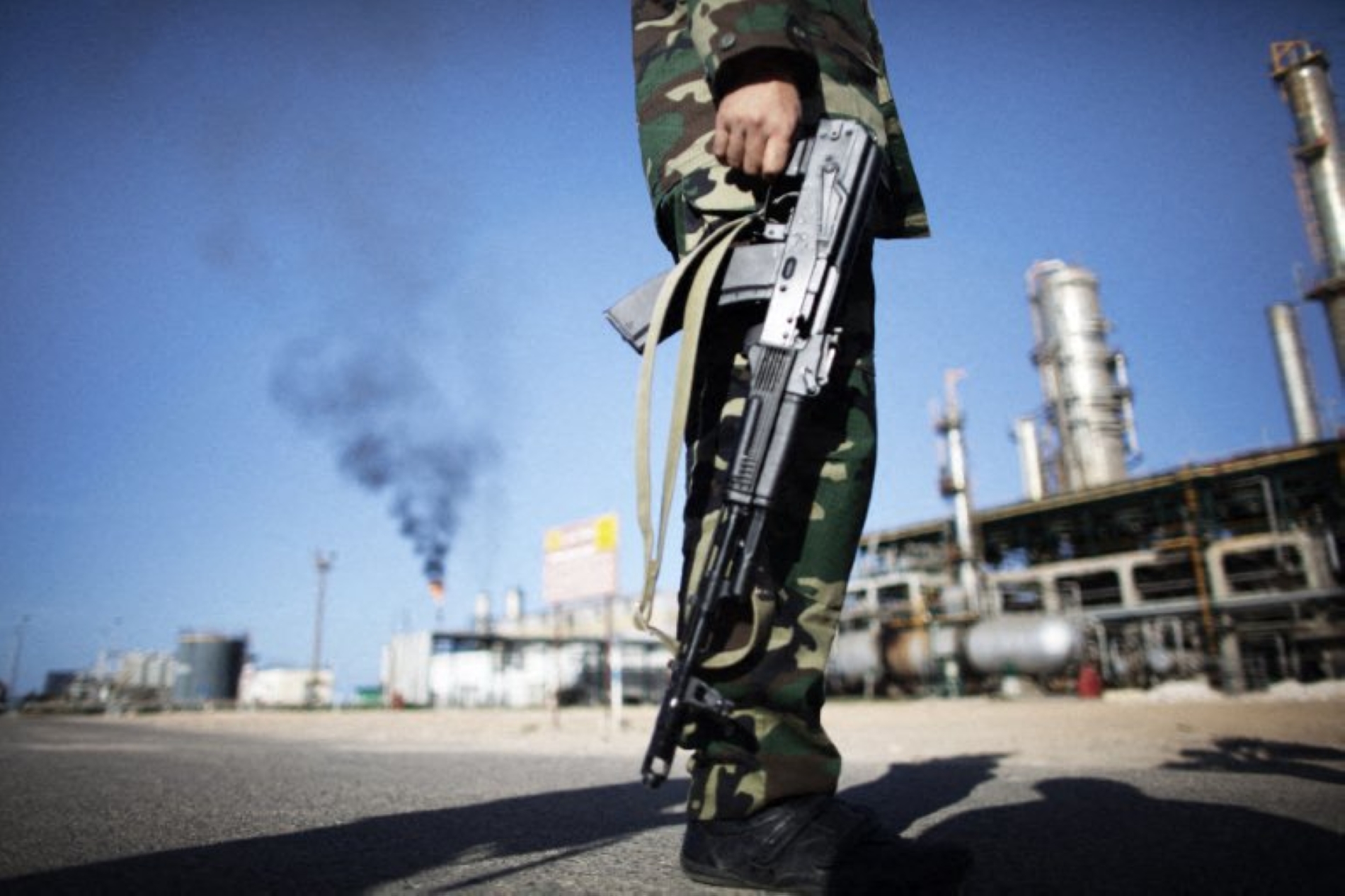
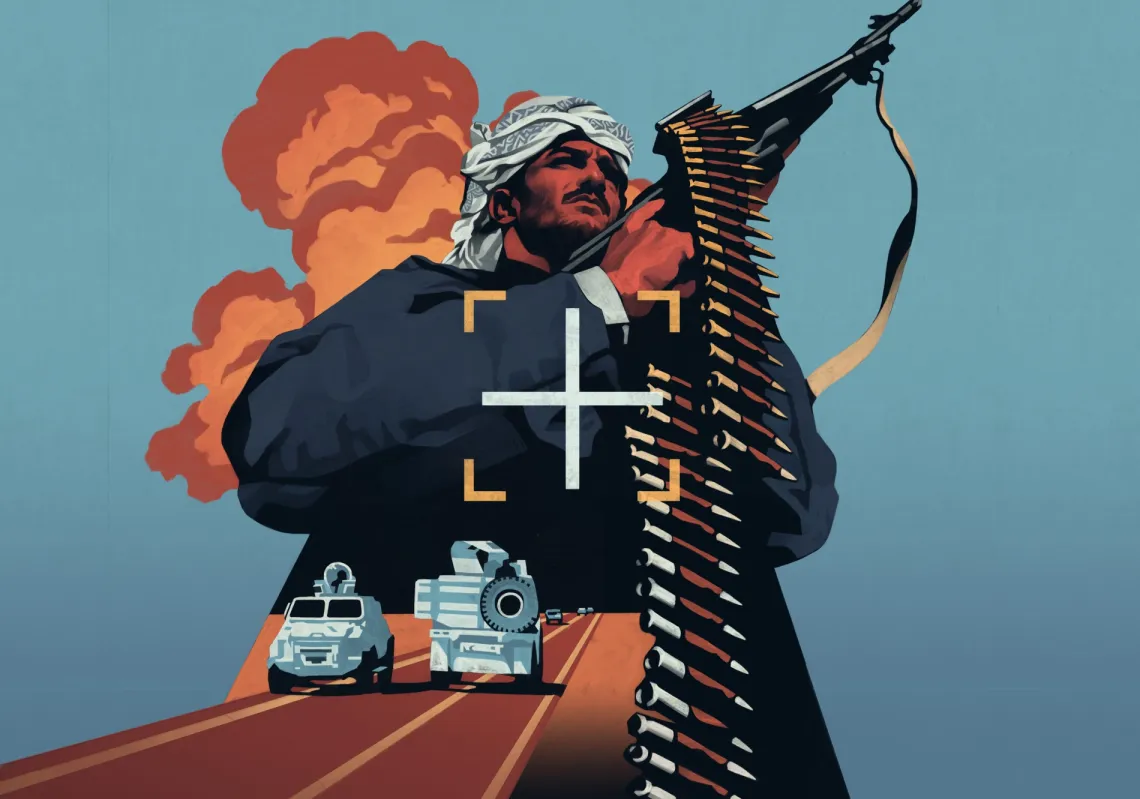
A fighter from the National Transitional Council guards the Zawiya oil refinery, 40 kilometres west of Tripoli, on 27 October 2011.
Nor can these developments be separated from international and regional polarisation in Libya. It has become clear that the United States is committed to bringing together the two principal parties to the conflict, the camp of Field Marshal Khalifa Haftar in the east and the camp of the head of the Government of National Unity, Abdul Hamid Dbeibeh, through a deal intended to secure stability by sharing political power and the benefits that flow from it.
This trajectory has been reinforced by major economic cooperation with American companies. In recent weeks, one of the largest investment contracts in Libya's oil sector has been signed, valued at up to $20bn, involving the US company ConocoPhillips and the French company TotalEnergies over the coming years.
Regionally, Egypt, Libya's eastern neighbour, continues to back the camp of Field Marshal Khalifa Haftar and his sons as part of its support for what it describes as the regular armed forces amid fragmentation in the west. Turkiye, meanwhile, maintains its support for the Government of National Unity and its head, Abdul Hamid Dbeibeh, and has extended its military presence in Libya until 2028 under the cooperation and military training agreement signed with the former Government of National Accord in 2019.
Saif al-Islam, who had embodied the hope of change for many Libyans during the final years of his father's rule, failed to persuade the regime to contain the popular protests that demanded an end to four decades of power. Instead, he threatened the demonstrators and confirmed his alignment with his father's rule.
This shocked Libyans who were calling for change and for the regime to step aside. Those close to him defended his stance, arguing that many leaders of the 17 February uprising were among the opponents whom he had previously drawn into his project to pursue change from within the system.
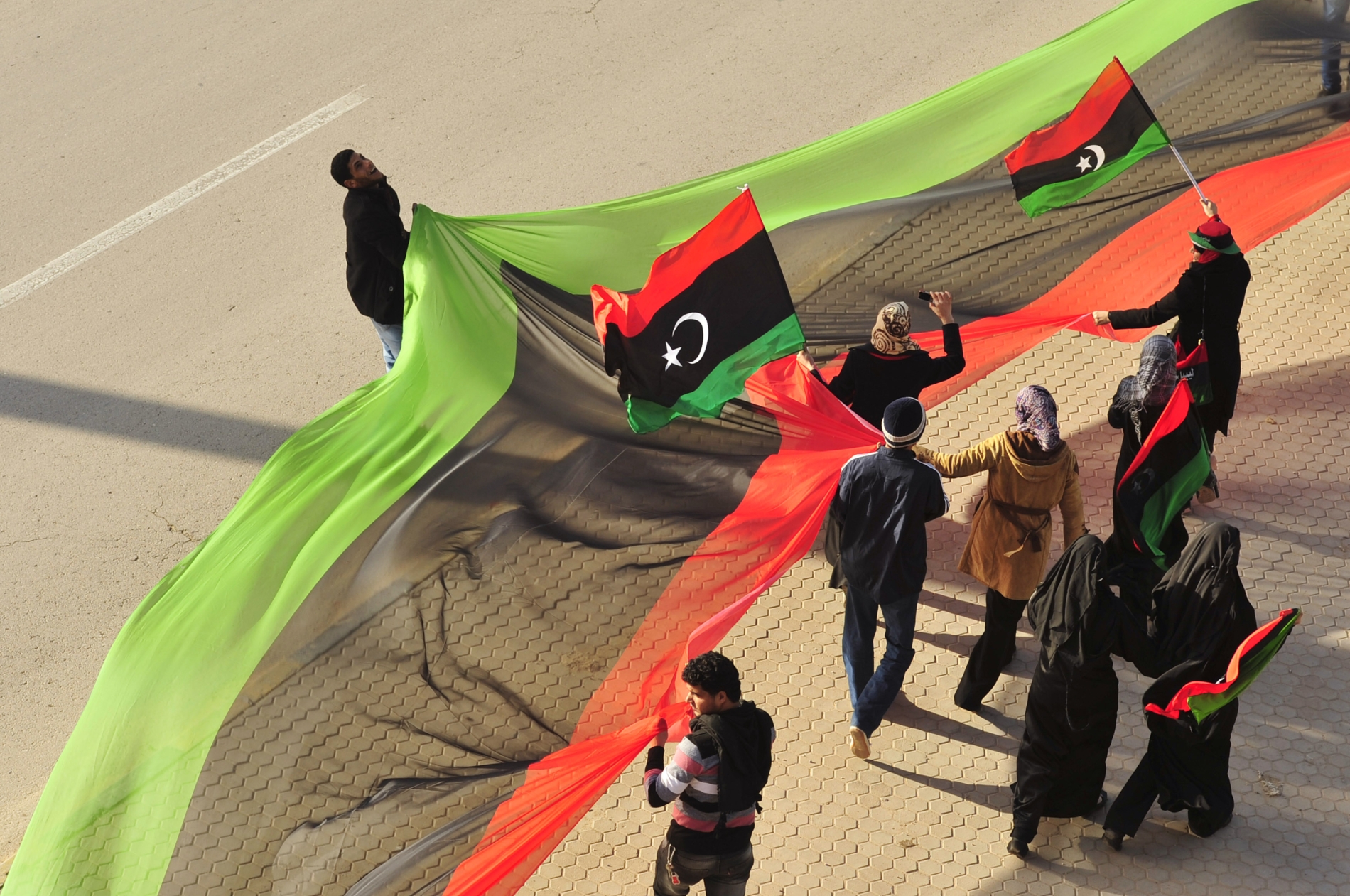
Libyans raise their country's flag to celebrate the first anniversary of the uprising that toppled Muammar Gaddafi, in a street in Benghazi on 17 February 2012.
Succession challenges
With Saif al-Islam's death, supporters of the former regime have lost the most prominent figure who commanded broad consensus among them. This creates a major challenge as they seek a successor, even if that person lacks his political legacy or his standing in the eyes of his supporters.
As for Libya's future, it was set in 2011 to be free of Gaddafi's family rule. Saif al-Islam and his backers failed to accept this, particularly given the rejection of his return to power by influential domestic forces and by international actors who have invested in new local players. These actors see those figures as the future of a reshaped Libya, far from the slogans of the 1970s and 1980s that dreamed of Arab unity and set themselves against Western states.
With Saif al-Islam now off the scene, influential parties will need to move faster to secure stability and achieve unity through a new government in which posts are shared between two sides rather than three. This would also make it easier for major powers to deal with clearly identified actors who exercise real control in Libya.
Libya, a country that has rarely known stability since popular protests brought down the rule of the late Muammar Gaddafi, now lives with a political division that has produced two rival governments. The first sits in western Libya under Abdul Hamid Dbeibeh, based in Tripoli, and is backed by the High Council of State, and is recognised internationally. The second, which operates from Benghazi under Osama Hammad, is backed by the House of Representatives and is supported by Field Marshal Khalifa Haftar.