Arab states take a chunk of the global green hydrogen market

There are huge investments and active cooperation across the Middle East and North Africa in this rapidly growing industry, with countries and companies positioning themselves for the future.

Al Majalla

Arab states take a chunk of the global green hydrogen market

Several countries in the Arabian Gulf and North Africa are emerging as some of the world’s biggest players in the rapidly expanding green hydrogen market, as developed countries seek alternatives to fossil fuels. Consultants at PwC think global demand for green hydrogen will accelerate as costs decline, broader industrial use grows, investment rises, and modern transport develops and expands.

In July 2023, fellow consultancy Deloitte estimated that “between 15% and 30% of future energy needs are likely to be satisfied by hydrogen,” adding that North Africa “has the potential to export $110bn worth of green hydrogen” to Europe annually. More recent studies indicate that the global hydrogen market could be worth $227bn by 2030. It was valued at around $1.1bn in 2023

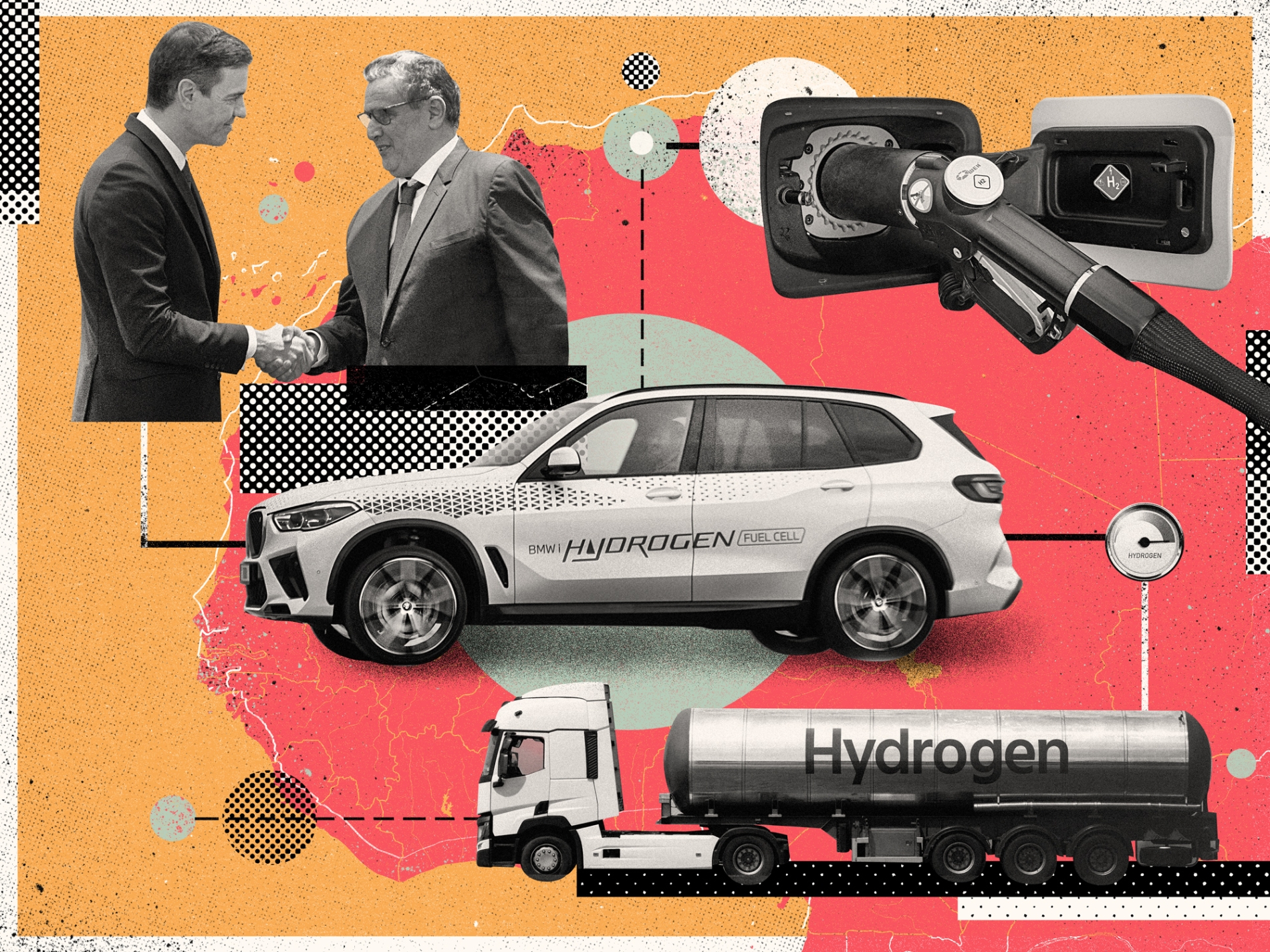
Carbon-free green hydrogen is a lightweight, highly reactive fuel that can be extracted through the electrochemical process that separates hydrogen from oxygen using water. It is already here, and examples of its development are plentiful. Big car manufacturers like Toyota, BYD and BMW are designing electric vehicles to run on hydrogen fuel cells. In India and Germany, hydrogen-powered trains are being used. In Austria, there is funding for a green hydrogen electrolyser plant. In Japan, a contract has been signed to build a giant liquefied hydrogen vessel.

Cost and opportunity

Africa, and North Africa in particular, is riding the wave. For example, a 100-MW green hydrogen project in Egypt has just begun exports to Europe. The energy is being developed within the Suez Canal Economic Zone through a consortium comprising a Norwegian renewables developer, Egypt’s sovereign fund, Egyptian engineer and construction giant Orascom, and the UAE’s Fertiglobe, which focuses on nitrogen fertilisers and low-carbon energy.

The green hydrogen market is expected to benefit from an estimated 50% reduction in production costs, enhancing its competitiveness compared with other fuels. Its application is expected across transport, including aviation, road, maritime, and rail, as well as in manufacturing, chemicals, oil refining, and cement production.

Hydrogen is abundant in nature but is difficult to extract as it is usually bound to carbon or oxygen. Separation technologies are required to break these bonds, such as by electrolysing water to release the hydrogen gas. This is done using electricity from renewable sources, such as solar or wind, to ensure the fuel is clean. As such, green hydrogen is a central pillar of the energy transition.
Al Majalla
A new form of green fuel could quickly provide some of Europe's big energy solutions. From across the Mediterranean, producer states like Morocco are getting ready.

Read more: Green hydrogen could be a win-win for North Africa and Europe

The green hydrogen market is still small, and the large-scale investment is, for now, keeping the fuel’s development concentrated in the hands of a small number of big companies with deep pockets. But countries like Saudi Arabia and Morocco are expected to be among the countries that can produce green hydrogen at a lower cost. According to Asharq Business, in collaboration with Bloomberg, the cost of producing green hydrogen in Morocco ranges from $1.16 to $ 1.45/kg.

Riding the wave

Countries like Chile, Australia, Brazil, Saudi Arabia, Morocco, Egypt, Oman, Mauritania, Algeria, and Tunisia are well-placed to lead the future green hydrogen and ammonia industry, alongside China, the United States, and India, owing to their physical and geographic characteristics. European countries are more keen to enter partnerships with Arab and African states to secure supplies from their neighbours.

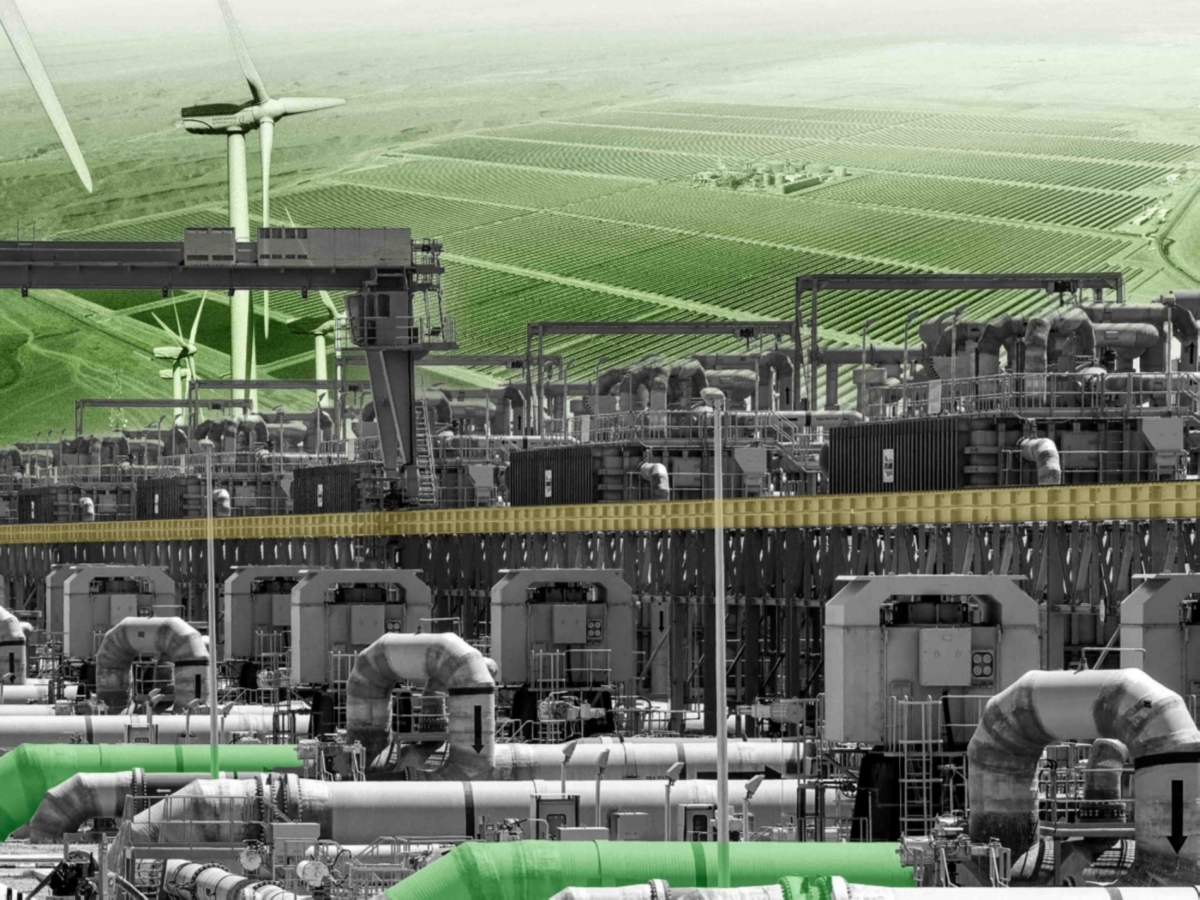
According to the US-based Energy Research Unit, more than 127 green hydrogen and ammonia projects have been tracked in the Arab region since 2021. Saudi Arabia is one of the world’s biggest investors. The NEOM Green Hydrogen Company (NGHC) is building the world’s largest green hydrogen plant at a cost of $8.4bn. It will integrate up to 4-GW of solar and wind energy to produce up to 600 tonnes per day of carbon-free hydrogen by the end of 2026.

Saudi investment in renewables is estimated at around $266bn over the medium-term. Saudi Aramco is a leader in hydrogen production, alongside the British-Dutch energy giant Shell, the Irish industrial gases and engineering company Linde, and the French industrial gases company Air Liquide, among others. Aramco is planning to produce around 11 million tonnes of blue ammonia per year by 2030 and to develop green hydrogen using electrolysis technologies.
Arab countries are slated to produce more than eight million tonnes of low-carbon ammonia and hydrogen over the next five years

Parallel development

Saudi Arabia's sovereign wealth fund, the Public Investment Fund (PIF), has established Energy Solutions in partnership with Aramco, with an initial investment of nearly $10bn to finance green hydrogen projects. According to Argus Hydrogen, Saudi Arabia has projects targeting the production of around 2.9 million tonnes of green hydrogen by 2030.

The country also wants to be a leading manufacturer and exporter of electric vehicles, producing 500,000 EVs per year by 2030. Experts see the evolution of the hydrogen industry as running alongside developments in EV manufacturing. Riyadh and Rabat are already sharing knowledge in the automotive and hydrogen sectors and may seek to involve other Middle Eastern countries at a later date.

Sources at Morocco's Ministry of Energy Transition told Al Majalla of a major $33bn investment programme to produce 3 million tonnes of green hydrogen per year by 2030 across roughly 1 million hectares on the Atlantic coast. The consortium includes American, French, German, Chinese, Spanish, Saudi, Emirati, Moroccan, and Australian organisations, aiming to produce ammonia, green hydrogen, industrial fuels, and green steel.

Morocco hopes to capture about 4% of the global green hydrogen market by 2030, with activity centred on the Guelmim-Oued Noun region, part of which is in Western Sahara, a territory occupied by Morocco since 1975. It is expected to produce around 10,000 tonnes in its initial phases, using electrolysis powered by a hybrid plant combining solar and wind with a 200-MW capacity. The facility is linked to a seawater desalination plant as part of a Moroccan-German partnership.

AFP
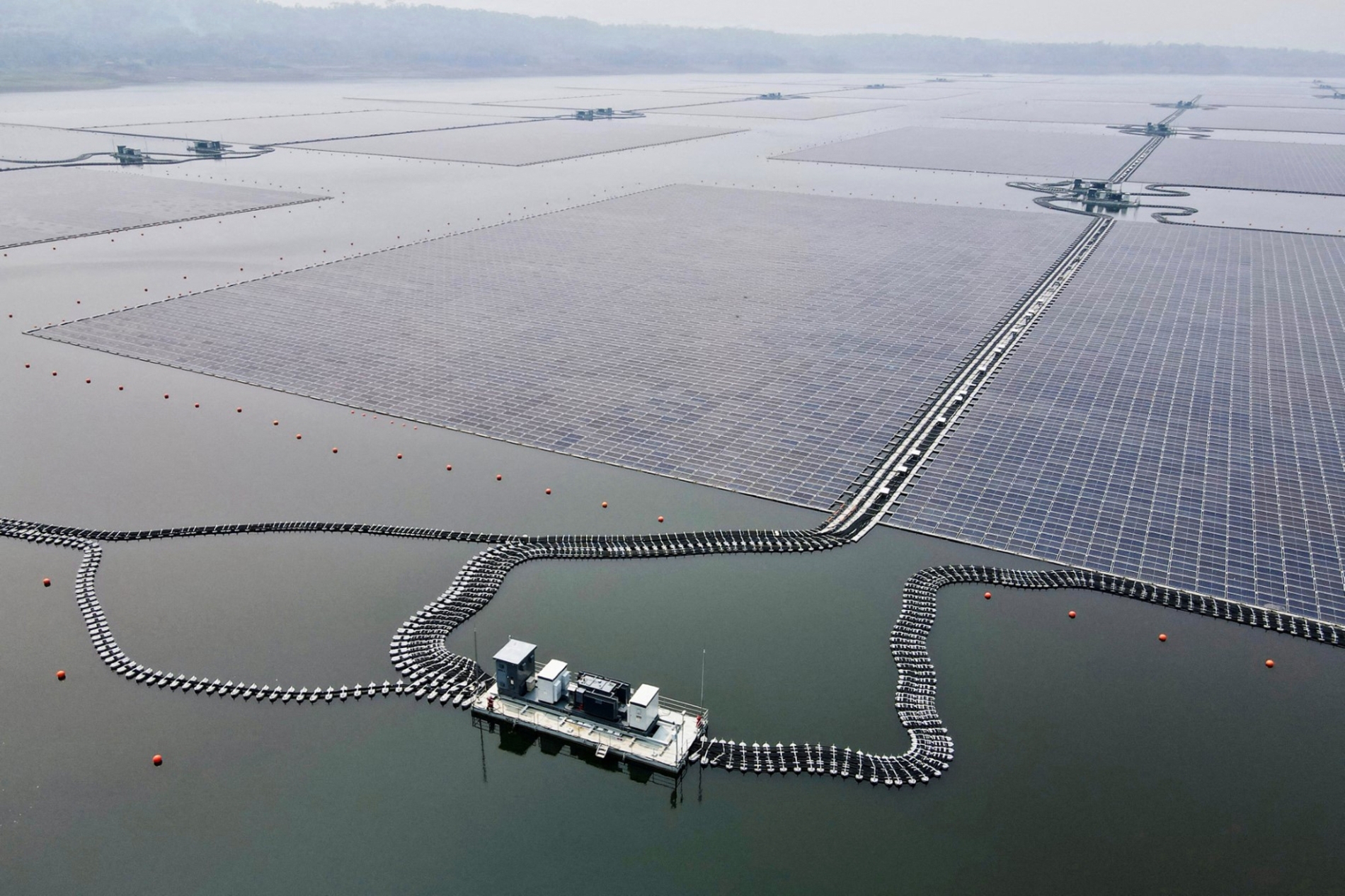
A floating power plant built by Masdar in West Java, Indonesia, on 9 November 2023.

Hydrogen's big players

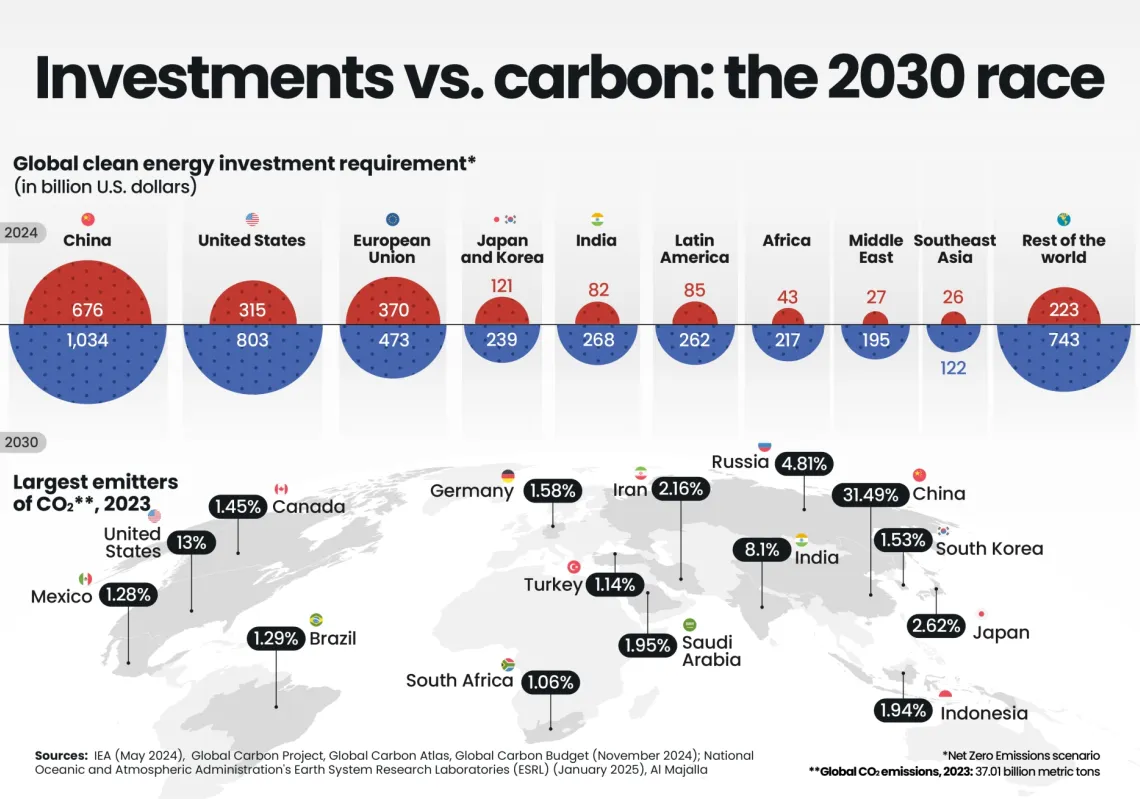
The Asia-Pacific region is expected to record the fastest annual growth in the hydrogen market, driven by rapid industrial expansion, urbanisation, and efforts to transition away from hydrocarbons. China, Japan, South Korea, and India host some of East Asia's largest clean energy projects for industrial hydrogen production, with China the world's largest producer and consumer of hydrogen, registering an output of 36.5 million tonnes in 2024. It is investing heavily in green hydrogen and has the largest electrolysers manufacturing capacity.

The United States ranks second globally in terms of production and consumption, accounting for about 13% of global demand. Its major initiatives include the Hydrogen Earthshot programme to significantly reduce the cost of clean hydrogen, but US President Donald Trump famously withdrew from the Paris climate agreement and limited incentives for renewable projects and green hydrogen.

India is a big producer and consumer of hydrogen, but places greater emphasis on low-cost energy to protect its industry from competition with China and Southeast Asia, hence its discounted imports of oil and gas from Russia. In contrast, the Arab world is keenly interested in hydrogen projects.

Horizon scanning

Among the most prominent projects in the Arab world is Hyport Duqm in Oman, in partnership with BP. It aims to produce 57,000 tonnes of green hydrogen per year. The Indian group ACME has also signed an agreement with the Omani government to produce 100,000 tonnes of green ammonia, with output to rise later to 1.2 million tonnes a year in advanced phases. Another major initiative is Intercontinental Energy's project, which aims to develop 25 GW of power.

The United Arab Emirates has 14 projects to produce different types of green and blue hydrogen (green is zero-emissions, blue is low-emissions), placing it at the forefront of initiatives such as sustainable future transport solutions. Dubai's green hydrogen project is also among the oldest in the Middle East and North Africa. In Egypt, investment in the hydrogen sector is estimated at $40bn, making it one of the region's most active countries.

The Washington-based Institute for Energy Research expects Arab countries to produce more than eight million tonnes of low-carbon ammonia and hydrogen (both green and blue) over the next five years. Combined output is projected to rise to 27 million tonnes a year before 2040. Some analysts think that the more Arab states cooperate in the energy sector, the larger their share of foreign direct investment will be, targeting production locations that are more economically competitive.

font change