
Almost ten years after the genesis of the idea for the Saudi Arabian Drilling Academy (SADA), the training facility is fully realised and motoring in its quest to churn out the country’s next generation of operators, specialists, and leaders in oil and gas. One of the country’s national academies, SADA trains hundreds of young school leavers in the industry’s key skills, enabling them to get a first job with an energy company, many of whom sponsor the two-year programmes for apprentices.
Developing Saudi human resources is a critical pillar of Vision 2030, the national long-term strategy, and SADA is unusual in that it is a joint venture between the country’s oil giant Saudi Aramco, its national training body, and about 30 companies in the oil and gas industry, who—in this endeavour, at least—have put their rivalry aside to generate a pipeline of a different kind.
Amin Nasser, chief executive of Saudi Aramco, said: “The concept behind SADA is unprecedented, where companies that operate in a competitive market agree to cooperate in a win-win approach and join forces for the good of the industry.”
Replicating conditions
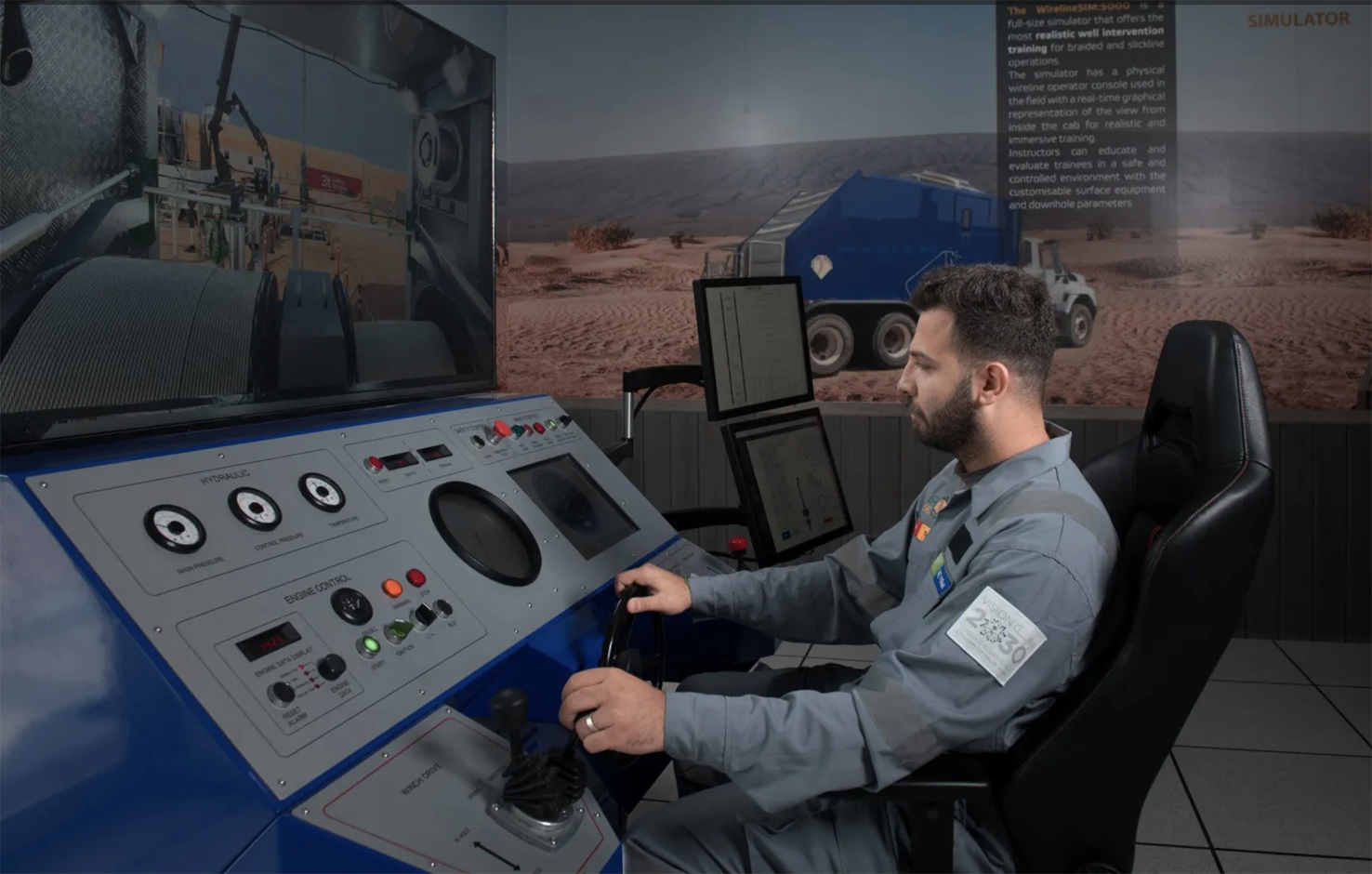
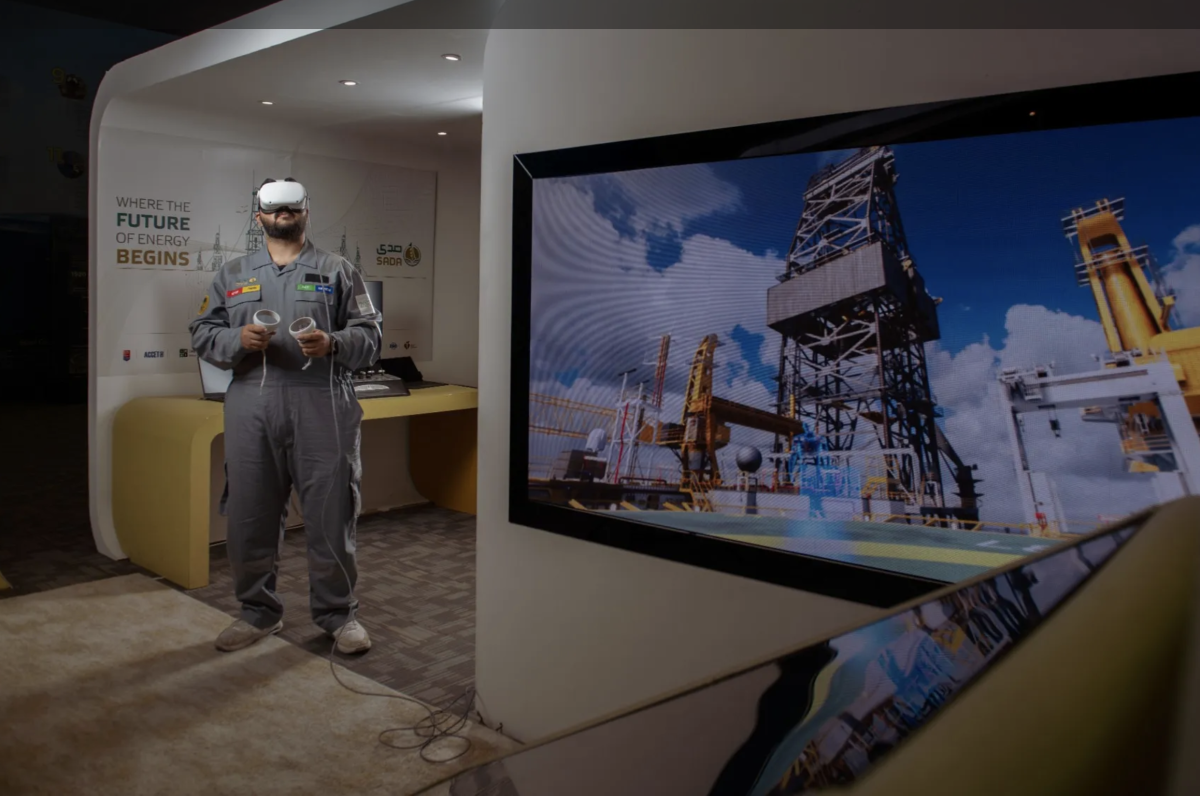
SADA is based at a 70,000 square metre campus in Abqaiq, 30km from the Arabian Gulf, with facilities that include workshops, advanced digital simulators, laboratories, training rigs, and a rig-less training well that replicates real drilling conditions. The goal was to build a real-world industrial environment for experiential learning.
Its apprenticeship programmes are for Saudi nationals aged 18-24 years who are proficient in English and maths. The initial aim is to prepare them for entry-level roles with sponsor companies. At any one time, SADA can train more than 1,000 trainees. While they are in training, they get paid a monthly stipend and offered housing, free healthcare, and access to recreational and sporting facilities.
They can then take different tracks, including well operator, drilling operator, rig operator, service operator, mud engineer, or health, safety and environment (HSE) technician. Specialisms within these fields include pumping and cementing, wireline logging, slickline services, coiled tubing, casings, and mud logging. SADA says it is “the world’s only academy offering hands-on training in both actual rig and intervention well operations”.
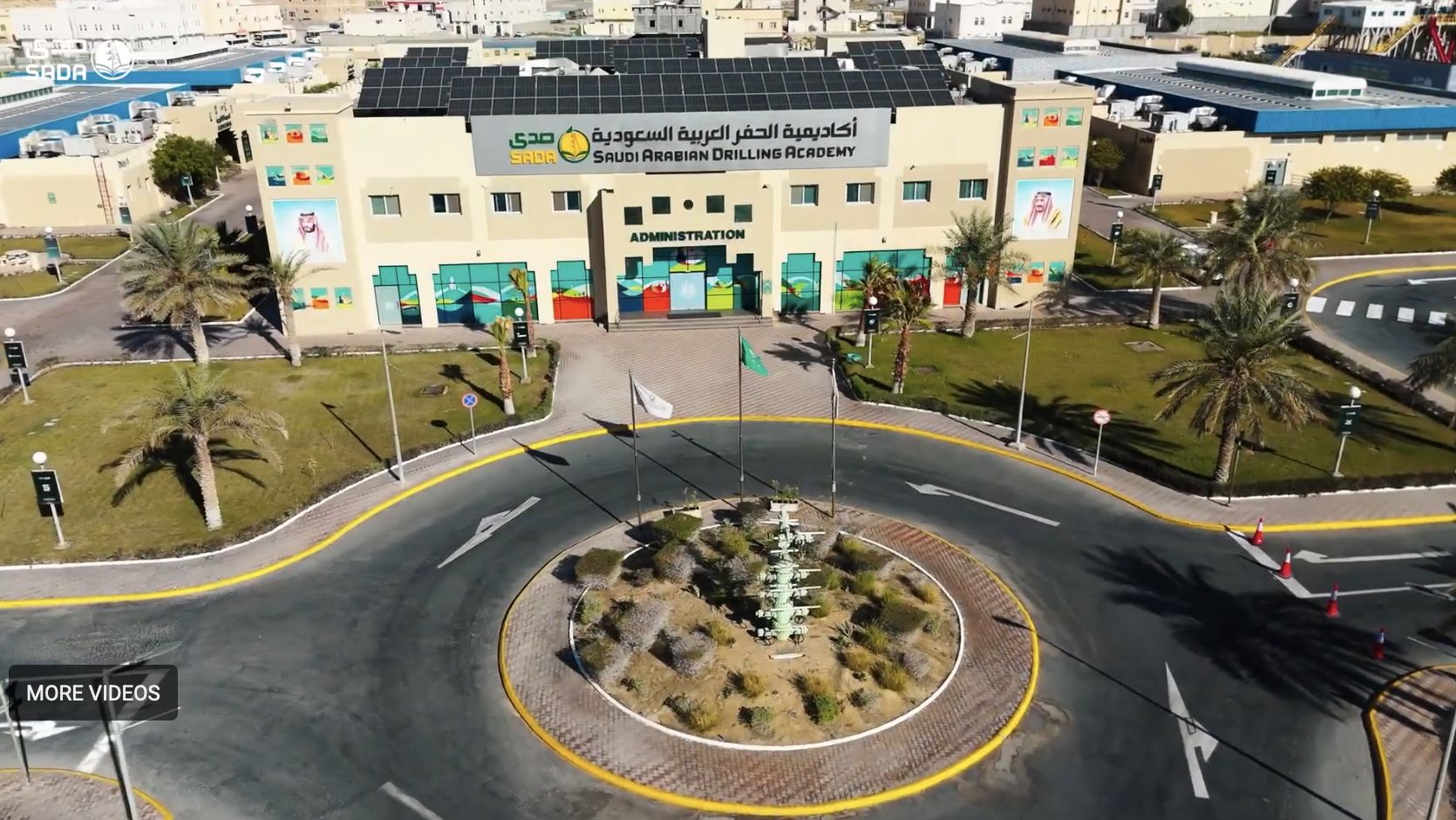
SADA was initiated by Saudi Aramco in 2016, in close partnership with the Technical and Vocational Training Corporation (TVTC) and major upstream energy companies. It is a collaboration between the public and private sectors to prepare young Saudi men and women with the technical competence, discipline, and safety culture needed to operate in Saudi Arabia’s onshore and offshore oilfields.
Part of the plan
SADA was founded just months after the launch of Saudi Arabia’s Vision 2030 and supports one of the Vision’s major pillars: developing a highly skilled Saudi workforce. This direction was set by engineer Dawood Al Dawood, a former senior vice-president at Saudi Aramco who founded SADA as “the first academy of its kind in the Middle East and North Africa”.
The academy accepts high school graduates, often with no prior technical background, and transforms them into skilled, industry-ready professionals through an intensive two-year programme that combines classroom study, simulation, and hands-on rig work. Optional modules include public speaking and leadership skills. Since 2016, around 1,500 young Saudis have graduated, with many now working across Saudi Aramco’s upstream operations and partner contractors.