
Young people today would find it hard to believe that their parents or grandparents could once only stay in touch with people through a fixed-line telephone, or that—when the technology became available—it would take them several minutes to get an internet connection and load a single page. Yet in the space of a generation, the telecommunications sector has undergone a revolution that has affected not only communication and access to knowledge but also everything else. It has reshaped human life from the ground up.
Smartphones now connect more than six billion people, while fifth-generation networks (known as 5G) have cut processing time down to milliseconds and laid the groundwork for technology, including Artificial Intelligence (AI), Augmented Reality (AR), self-driving cars and much else. In short, telecommunications is no longer just a tool; it is the backbone of contemporary civilisation, reconfiguring economies, altering human behaviour and patterns of interaction, and transforming people’s ambitions.
As 2025 ends, it is worth looking back at the past 25 years of the telecoms journey to gain a better perspective on the pace of change. Communication tools have moved from simple, slow devices to interconnected global networks, linking users in a fraction of a second
Ancient history
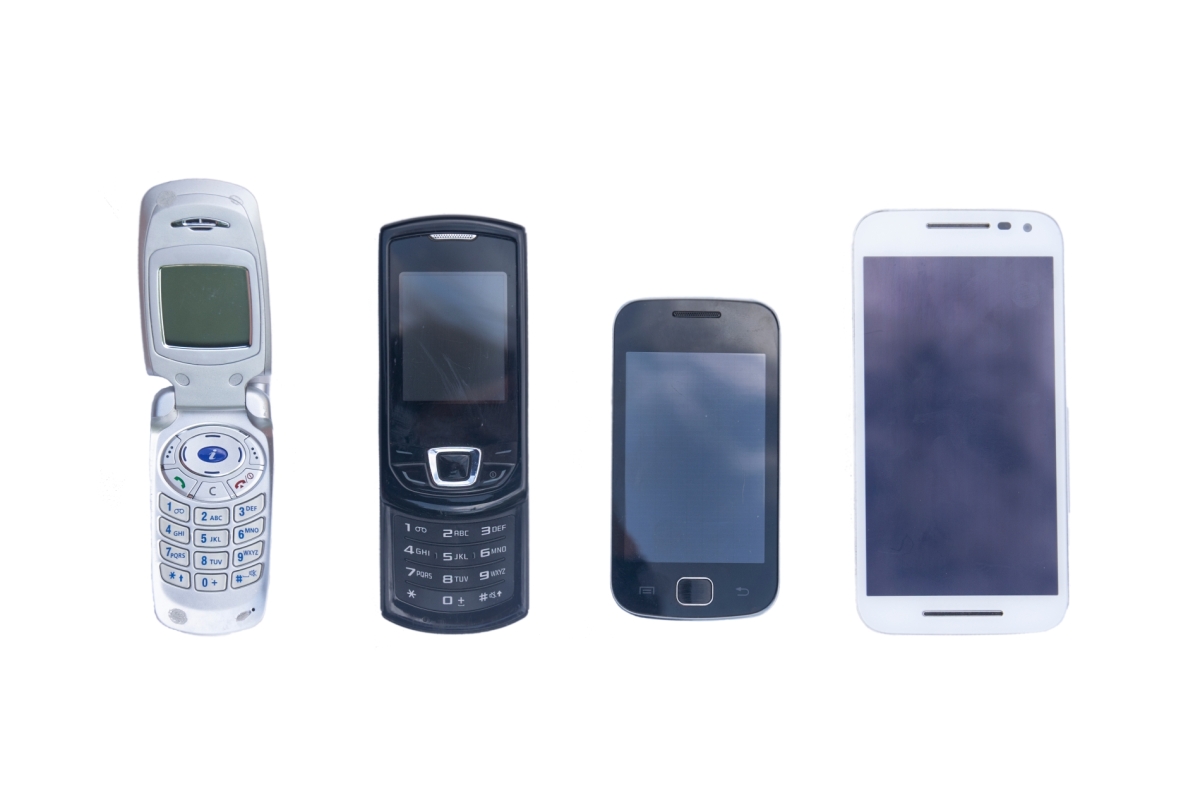
A quarter of a century ago, most people would have known and used telex, fax, telegrams, and pagers. Today, they are mostly museum pieces. Separate devices, high costs, and long waiting times have also been consigned largely to history. Over the past 25 years, most of the mobile phone giants that dominated the market at the start of the millennium have disappeared. Many simply failed to embrace smartphones, built around touchscreens and open operating systems.
Nokia, a Finnish company, clung to its ageing Symbian system and rejected Android early on. Its market share then collapsed from around 40% to virtually nothing. Ericsson, a Swedish company, exited the handset market in 2001 and ended its Sony Ericsson venture in 2012, choosing to focus on network equipment instead. BlackBerry, a Canadian company, stuck with the physical keyboard and a closed system, resisted large touchscreen phones, and saw its market share fall to less than 0.1% by 2016.
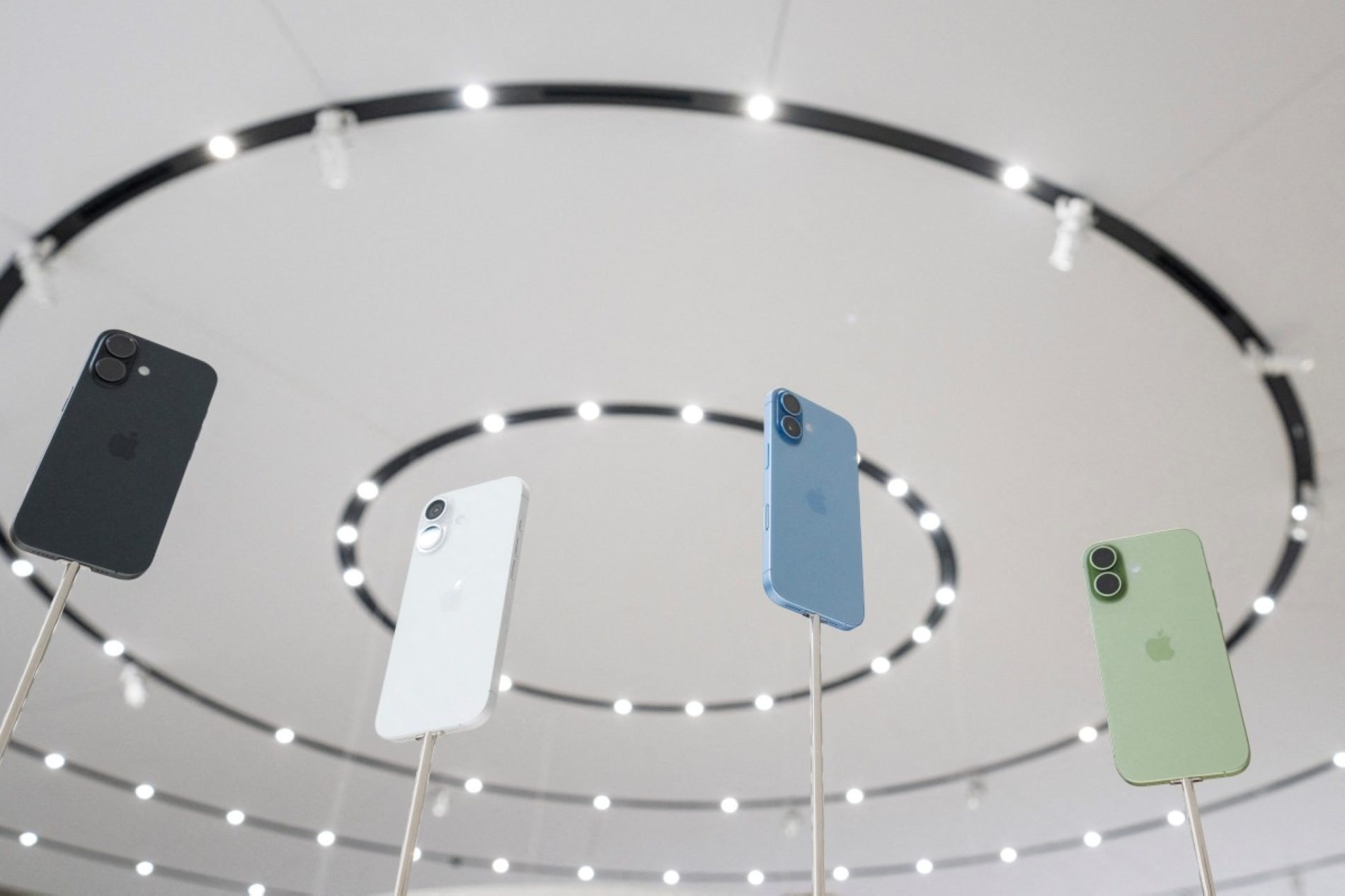
Motorola, an American company, was broken up and sold first to Google and then to Lenovo after losing $4.3bn between 2007-09. Siemens, a German firm, sold its phone division to BenQ in 2005 (BenQ went bankrupt just a year later). Alcatel, a French firm, went through a series of mergers until it was finally absorbed by Chinese group TCL. Sagem, a French company, and Sony (Japanese) fell to less than 1%. Today, Apple and Samsung are market leaders, followed by a wave of Chinese companies, including Xiaomi, Oppo, Vivo, Huawei, Realme, and OnePlus.
From wires to clouds
As the new millennium dawned, fixed-line telephones dominated, the internet relied on slow dial-up connections, and phones were devices with limited functions. Today, they are multitasking tools combining a camera, diary, library, wallet, and workplace. Indeed, when the phone became the ‘smartphone,’ it became the centre of digital life and gateway to the world. The handsets were a physical symbol of this rapid evolution. Soon, one phone could hold multiple SIM cards, meaning that a user could make and receive work calls and personal calls on the same device.
By 2024, global mobile subscriptions topped 5.7 billion, while 4.7 billion people (to 58% of the world’s population) accessed the internet via their mobile phone. By 2030, that number is expected to be 5.5 billion, an increase driven by big leaps in wireless networks. It is a far cry from second-generation networks (2G), which dominated the early years, when voice calls and text messages flourished. Third-generation networks (3G) brought mobile internet to handsets in 2008.
4G followed in 2015, delivering higher speeds and supporting video streaming and applications (apps). 5G increased speeds further (more than one gigabit per second) and supports the Internet of Things (IoT), artificial intelligence (AI) systems, autonomous vehicles, and smart industrial networks. The International Telecommunication Union reports that 40% of countries have already begun expanding 5G networks.
Promising speeds tens of times faster, 6G could support holographic communication and edge computing, while 7G (expected before 2035) is currently at its early planning stages. 7G would not simply be faster internet but a network that fully merges physical reality with the virtual world (the metaverse and ‘holoverse’), with possibilities in remote surgery, fully automated smart factories, and flying vehicles.
Broadband goes big
The telecoms story hasn't been limited to mobile networks, however. Broadband internet came to dominate daily life, whether through fixed fibre-optic connections or wireless access. Today, the internet is an essential service. Moving vast volumes of data over the internet is routine. Global mobile data traffic rose from 26.53 exabytes per month in 2018 to 130.15 exabytes per month in 2023 and could reach 466.16 exabytes per month by 2029.
For many, broadband internet was first used for search. In 2025, it is the lifeline of the digital age. This enormous flow of data enables the delivery of vast volumes of content needed for work, education, and entertainment. The World Bank has estimated that a 10% increase in digital connectivity equated to a 1.4% increase in economic growth.
New forms of communication, such as instant messaging, video calls, and social media platforms, have supplanted traditional phone calls. Apps such as WhatsApp, Facebook, Instagram, and TikTok are platforms for communication, commerce, and media. Telecom operators increasingly use cloud computing and AI to automate operations, manage networks, and improve services. Corporate spending on cloud computing exceeded $1tn in 2024, according to Gartner, a technology advisory firm.
This radical transformation has 'made the world a village'. As digital technology advanced, life changed radically and rapidly. Instant messaging, video calling, and social media platforms are now vital for building cross-border relationships, a reliance that was accentuated and accelerated by the COVID-19 pandemic. Remote working and online learning shifted from options to daily necessities, strengthening the growth of the digital economy and setting new rules for everyday life.
At the same time, digital financial services experienced a major boom. Mobile payments, electronic transfers, and digital wallets have become more prevalent, driving a sharp decline in cash use and reducing transaction costs by up to 80%, according to McKinsey, a consultancy. Telecoms became the engine for vital sectors like e-commerce, remote education, digital entertainment, and cloud services. Global telecoms industry revenues will exceed $1.3tn by 2028, supported by the spread of 5G, which alone could add about $1tn to the world economy by 2030.