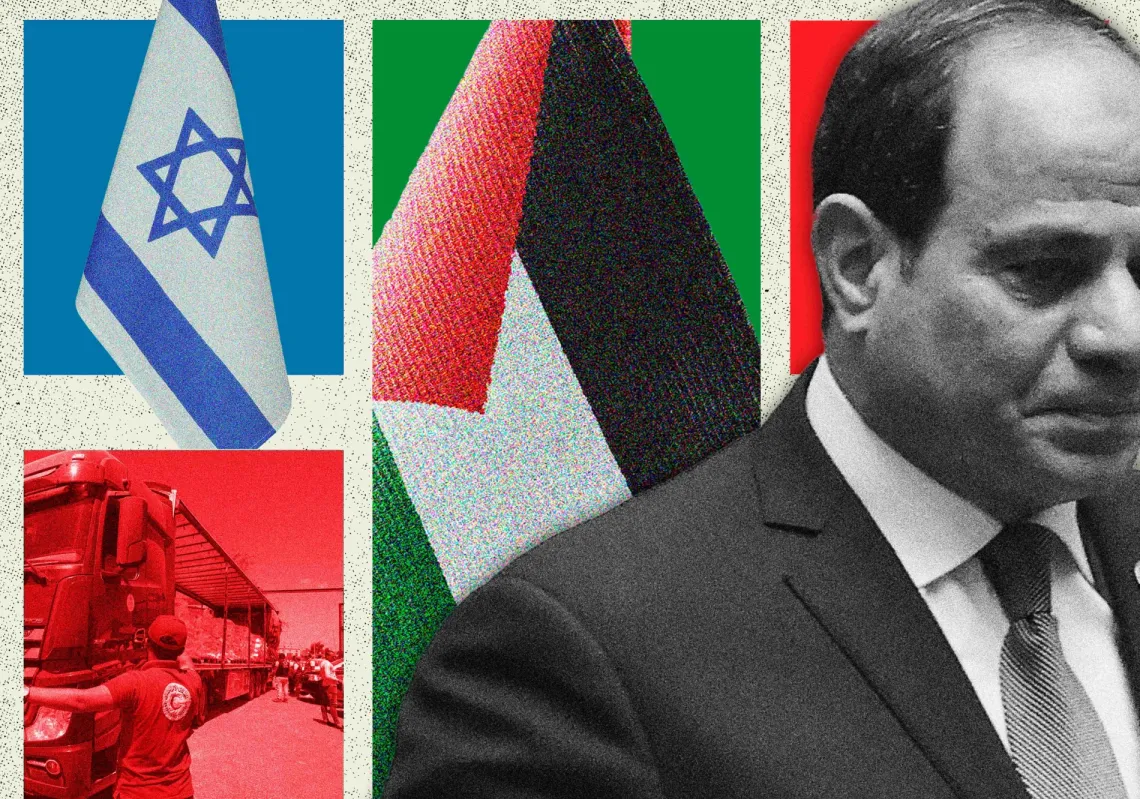

With growing demand for energy at home, Egypt is diversifying its global partners to secure additional natural gas supplies, to maintain power generation and industrial productivity. In recent years, one of its key gas partners has been Israel, but negotiations over a supply deal recently hit the rocks, with political disputes impacting commercial talks.
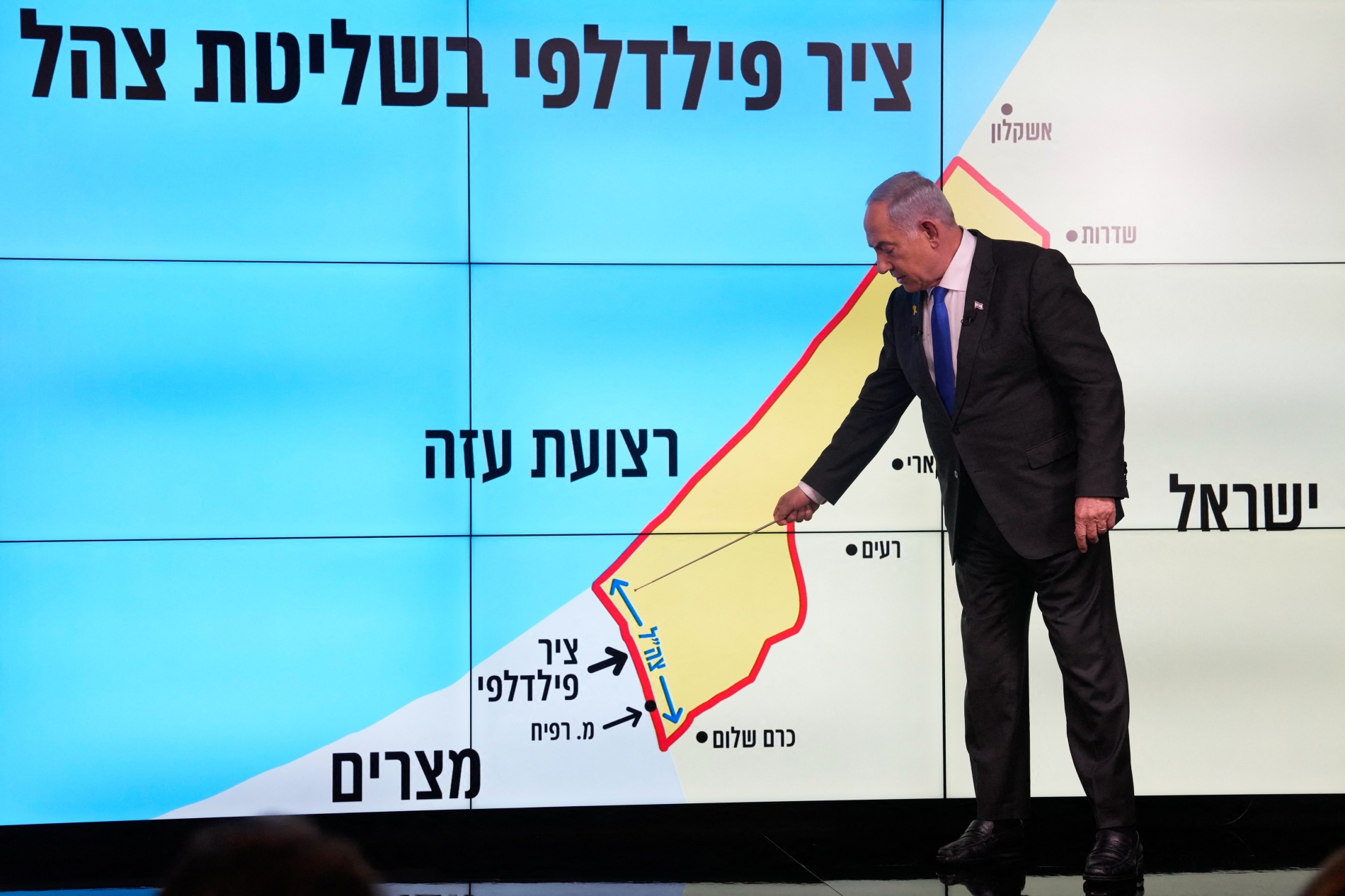
Israeli Prime Minister Benjamin Netanyahu has sought to leverage approval of a $35bn gas export deal that could meet much of Egypt’s energy needs until 2040, putting pressure on Cairo to align with Israeli positions on issues such as Gaza, notably the Rafah Crossing and Egyptian troops in the Sinai.
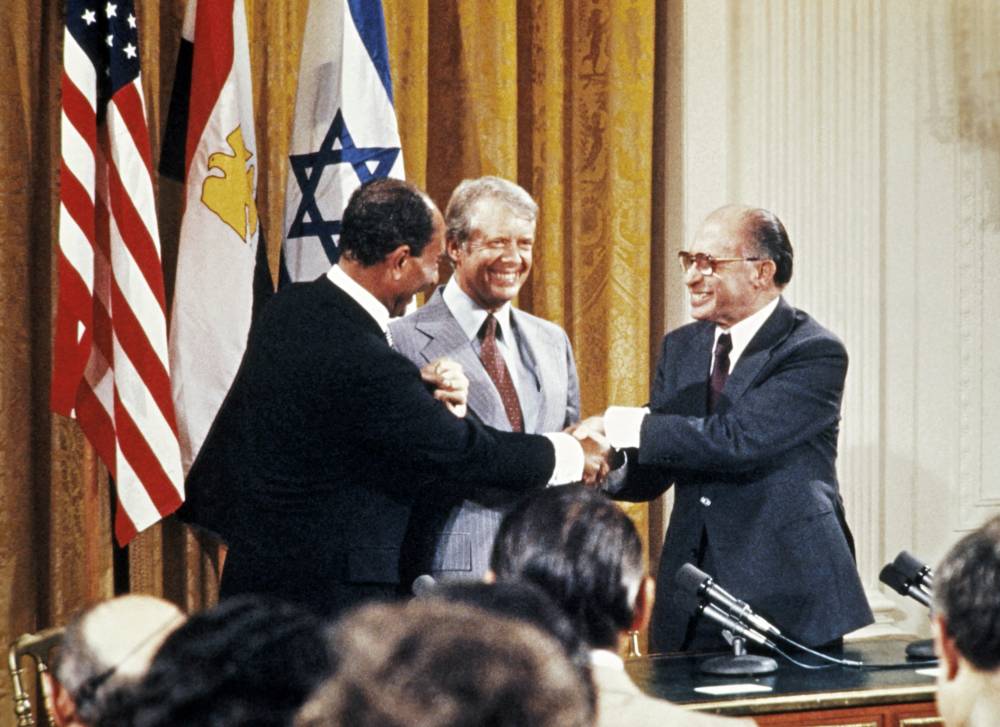
These tactics are unlikely to fundamentally alter the path of bilateral relations, but they do prompt a reassessment of ties between Egypt and Israel—two neighbours and former adversaries bound by a 1979 peace treaty—as their relations evolve in the wake of Israel’s two-year war in the Gaza Strip.
Not seeing eye-to-eye
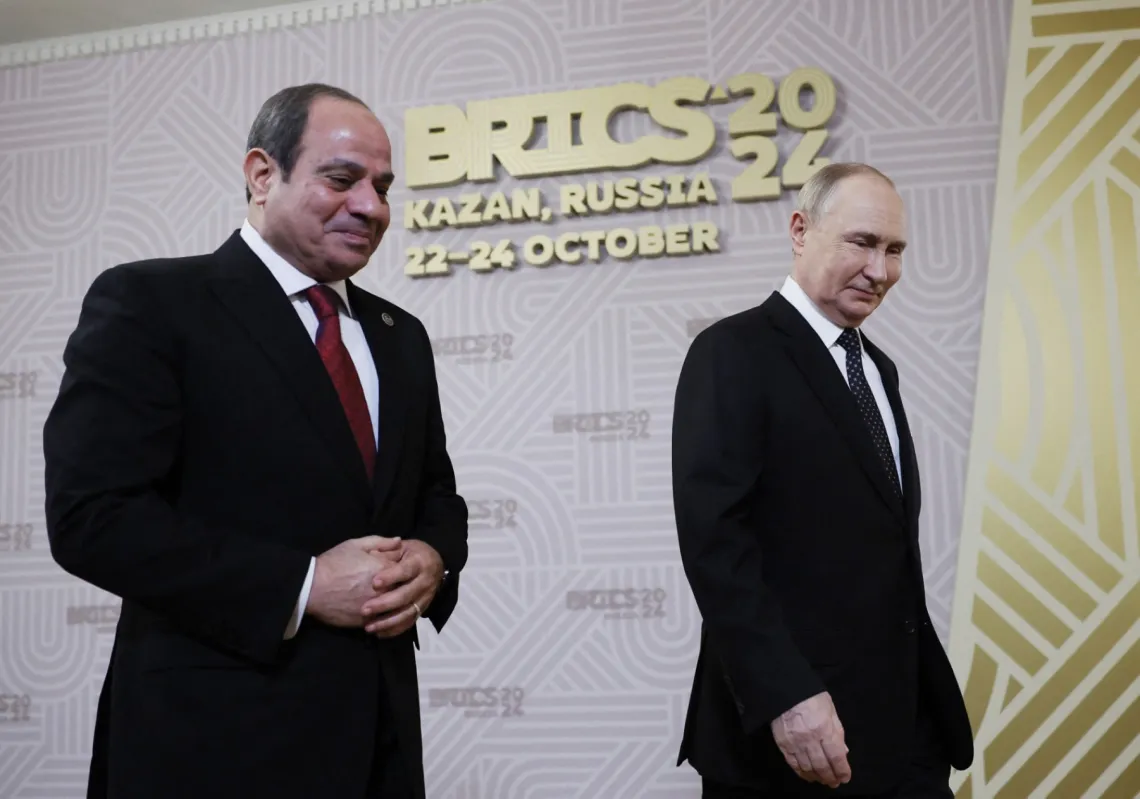
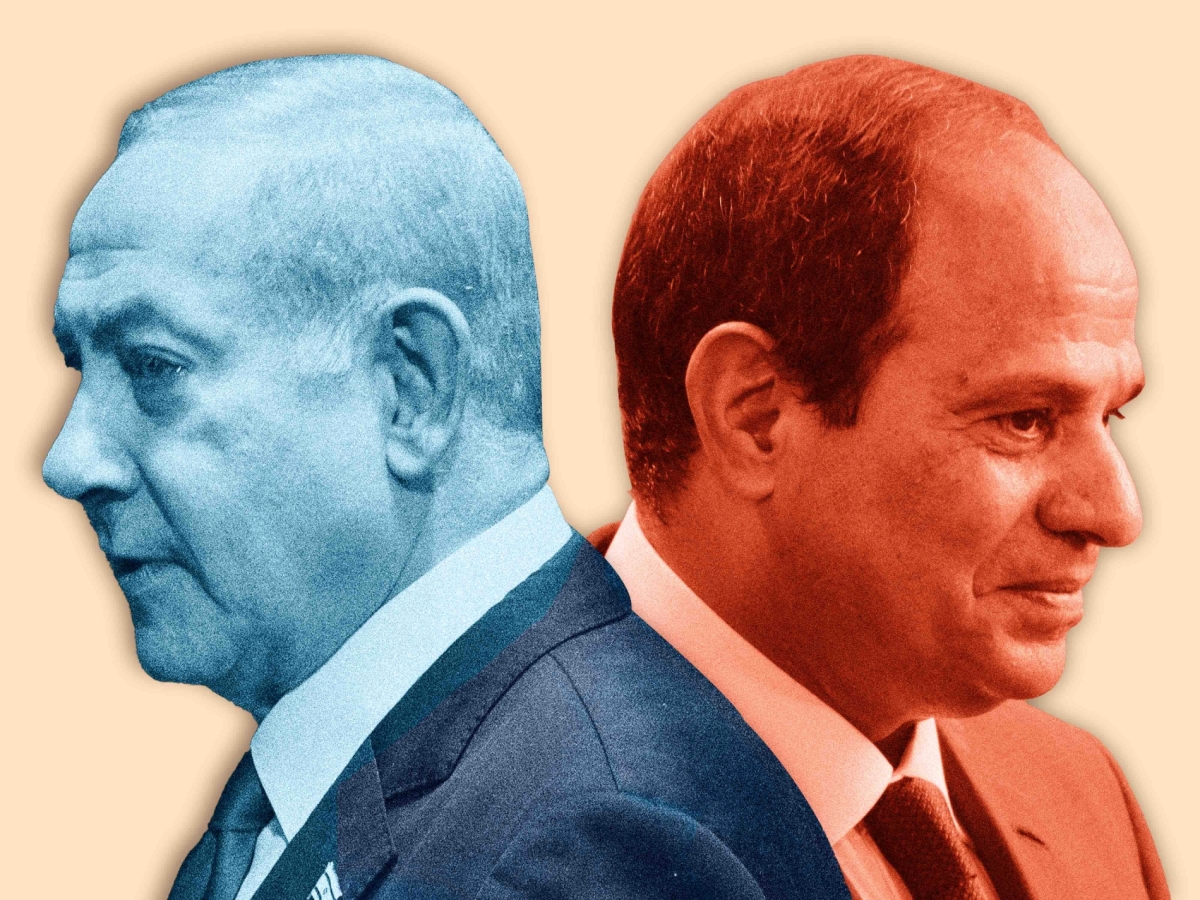
In recent weeks, there has been speculation in Egyptian and Israeli media about a possible summit between Netanyahu and Egyptian President Abdel Fattah al-Sisi, with US President Donald Trump understood to want a meeting to ease longstanding tensions between its two allies.
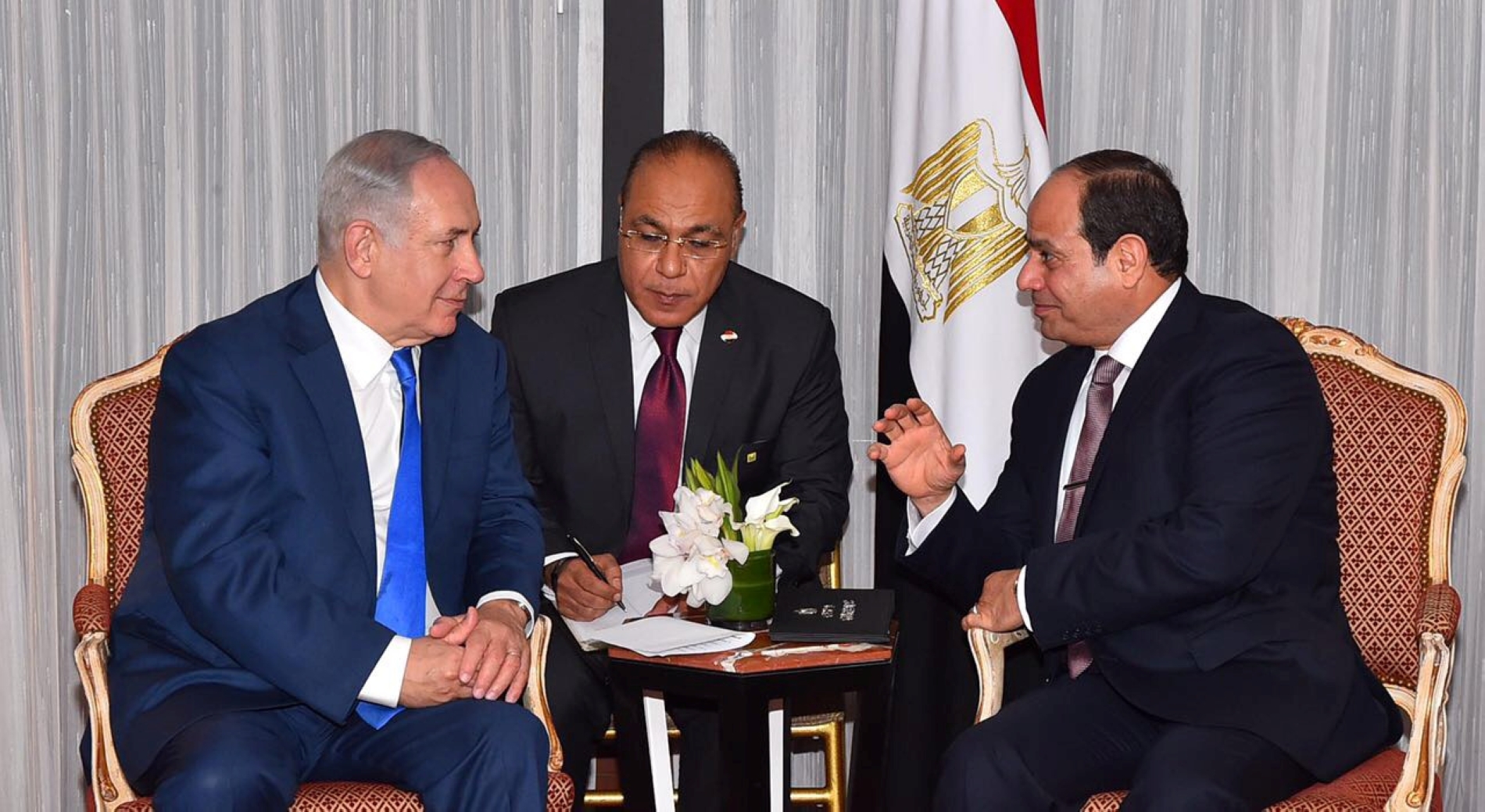
Sisi and Netanyahu have met previously, both publicly and secretly, including at a multilateral gathering in Jordan in February 2016 with then-US Secretary of State John Kerry and King Abdullah II, then in Cairo in April 2016 and May 2018. They also met on the sidelines of the UN General Assembly in New York in September 2017, their first acknowledged meeting, and again in 2018.
Those meetings largely focused on bilateral security coordination, regional peace initiatives, and Gaza, but direct leader-to-leader communication halted abruptly after Israel began bombing Gaza in October 2023, following Hamas’s attack on southern Israel that month. Sisi reportedly declined multiple phone calls from Netanyahu in the months that followed, even as Egypt sought to mediate a ceasefire that finally took effect in October 2025.
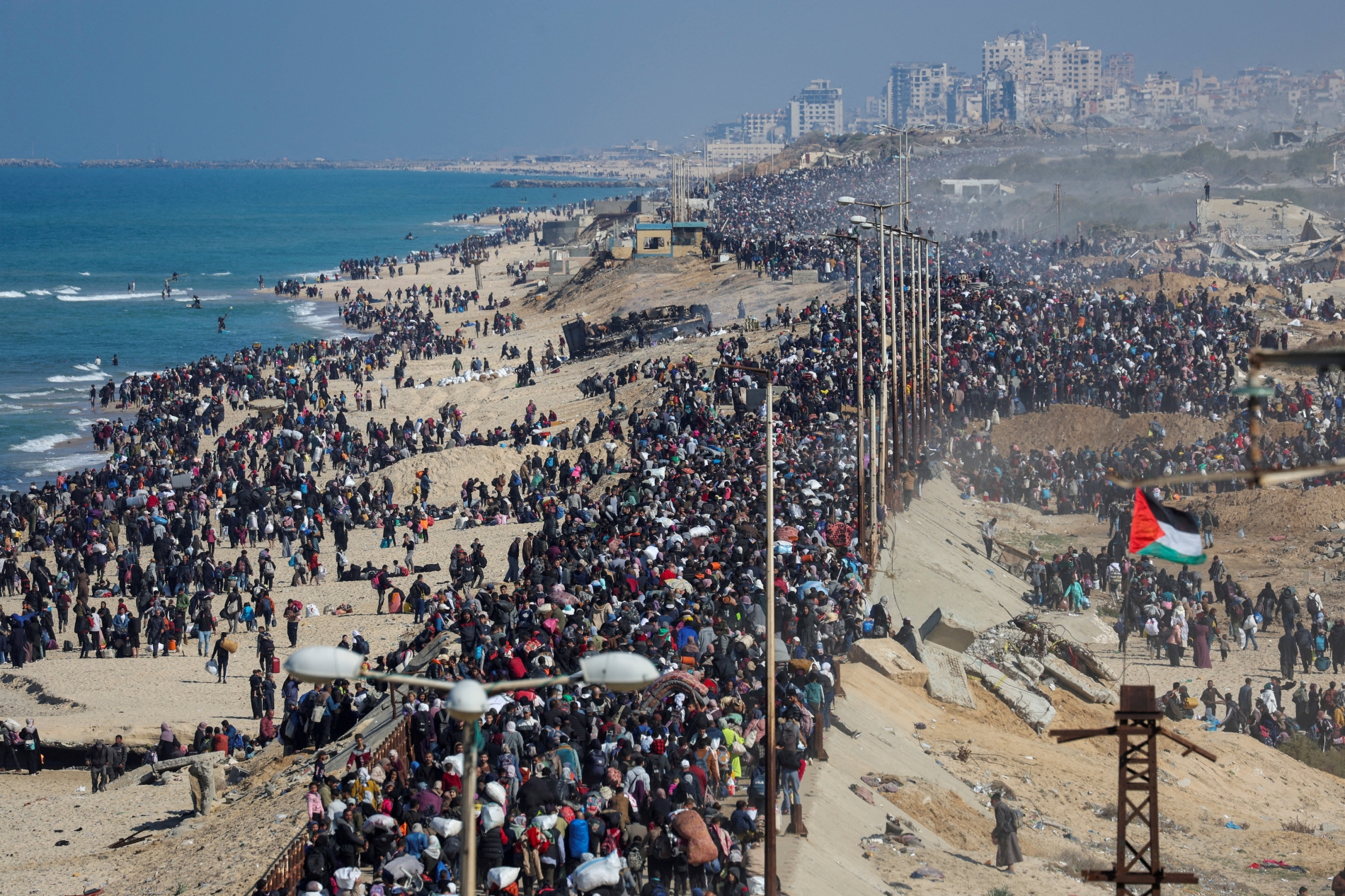
Israel’s post-war approach to Gaza, particularly its policies relating to the two million Palestinians who live there, is the most pivotal factor influencing the long-term course of Egypt-Israel relations. No other issue risks the kind of tension that could lead to direct confrontation between the two countries.
Setting out boundaries
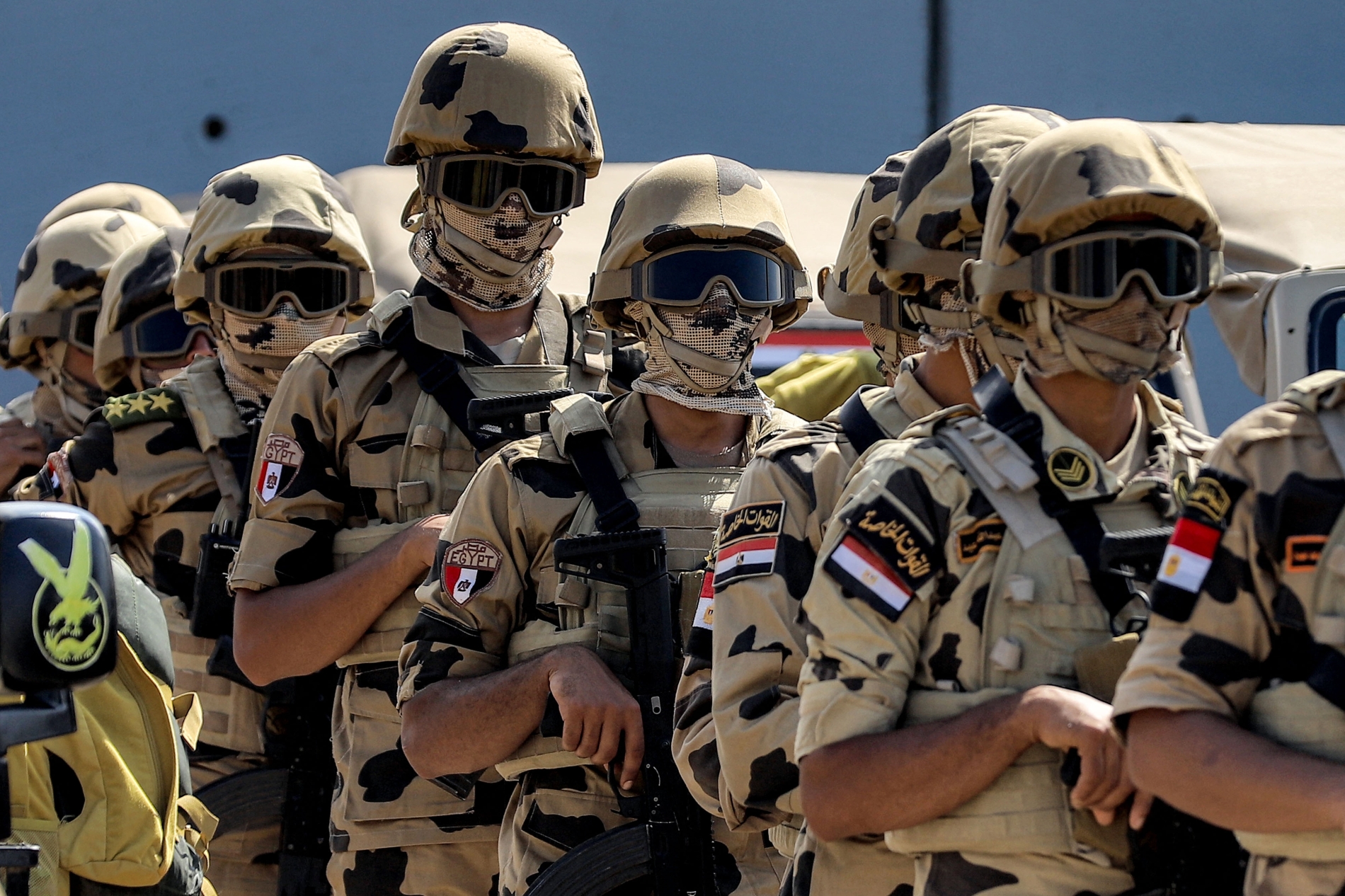
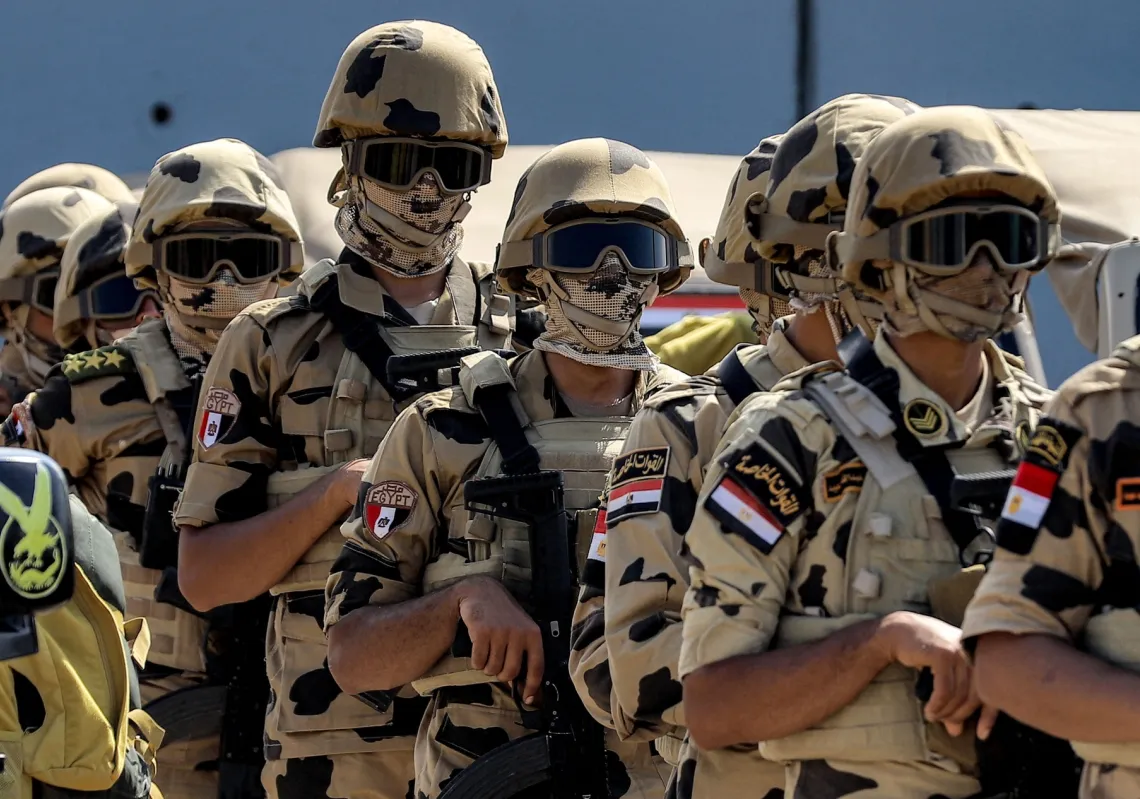
From October 2023, Egypt has been clear that population displacement into the Sinai is a red line, citing national security risks. It would turn a vast Egyptian territory (as big as Israel, the Palestinian territories, and Lebanon combined) into a protracted conflict zone, involving Israeli intervention and Palestinian groups resisting occupation.
This would undermine Egyptian sovereignty over Sinai, negating generations of effort and sacrifice to retain control of this strategically critical peninsula, which borders Gaza and Israel, and commands access to the Red Sea, Gulf of Aqaba, and Suez Canal, not to mention the Mediterranean.