Egypt’s drug price increases help companies but not patientshttps://en.majalla.com/node/328622/business-economy/egypt%E2%80%99s-drug-price-increases-help-companies-not-patients
Egypt’s drug price increases help companies but not patients
Quality assurance issues for locally made drugs, shortages in some areas, and the dizzying cost of imported medicines makes it a bad time to get ill in Egypt.
Alia Abu Khadour
The problems in Egypt's pharmaceutical sector may require surgery to fix
Egypt’s drug price increases help companies but not patients
In a period of high inflation and economic upheaval, Egypt’s pharmaceuticals sector and strained health‑insurance system are having to ride out a storm. There are deepening concerns about the efficacy and side effects of domestically-produced drugs, but imported medicines are prohibitively expensive. Good news is slim on the ground for Egyptian patients.
With conflicts of interest between big pharma companies and the Unified Procurement Authority (UPA), and a shortage of key medicines even in hospitals operating under the public insurance system, the crisis has spread across Egypt’s healthcare sector, as large numbers of patients report adverse reactions to locally manufactured drugs, including cancer treatments.
Citing rising production costs, many pharmaceutical firms are demanding that the UPA pay more, threatening to withdraw their drugs if not. So far, the UPA has refused to do so, citing the significant profits these companies made after prices were hiked by more than 50% after government approved increases on hundreds of products—gains reflected in the strong performance of pharma stocks on the Egyptian Exchange.
Although the dollar has retreated in recent months from E£51 to around E£47.6, Egyptians still struggle to secure affordable treatment, with some patients forced to forgo their medications entirely. The government insists it is working to safeguard citizens’ access to essential drugs, especially those subject to mandatory pricing, yet rising production costs continue to erode these efforts.
Behind the dispute
Industry sources told Al Majalla that multinational companies operating in Egypt benefit not only from strong domestic demand but also from exports to neighbouring markets. Furthermore, they have profited from the Drug Pricing Committee’s approval of price rises, particularly amid the urgent need for lower‑cost alternatives to expensive imported treatments.
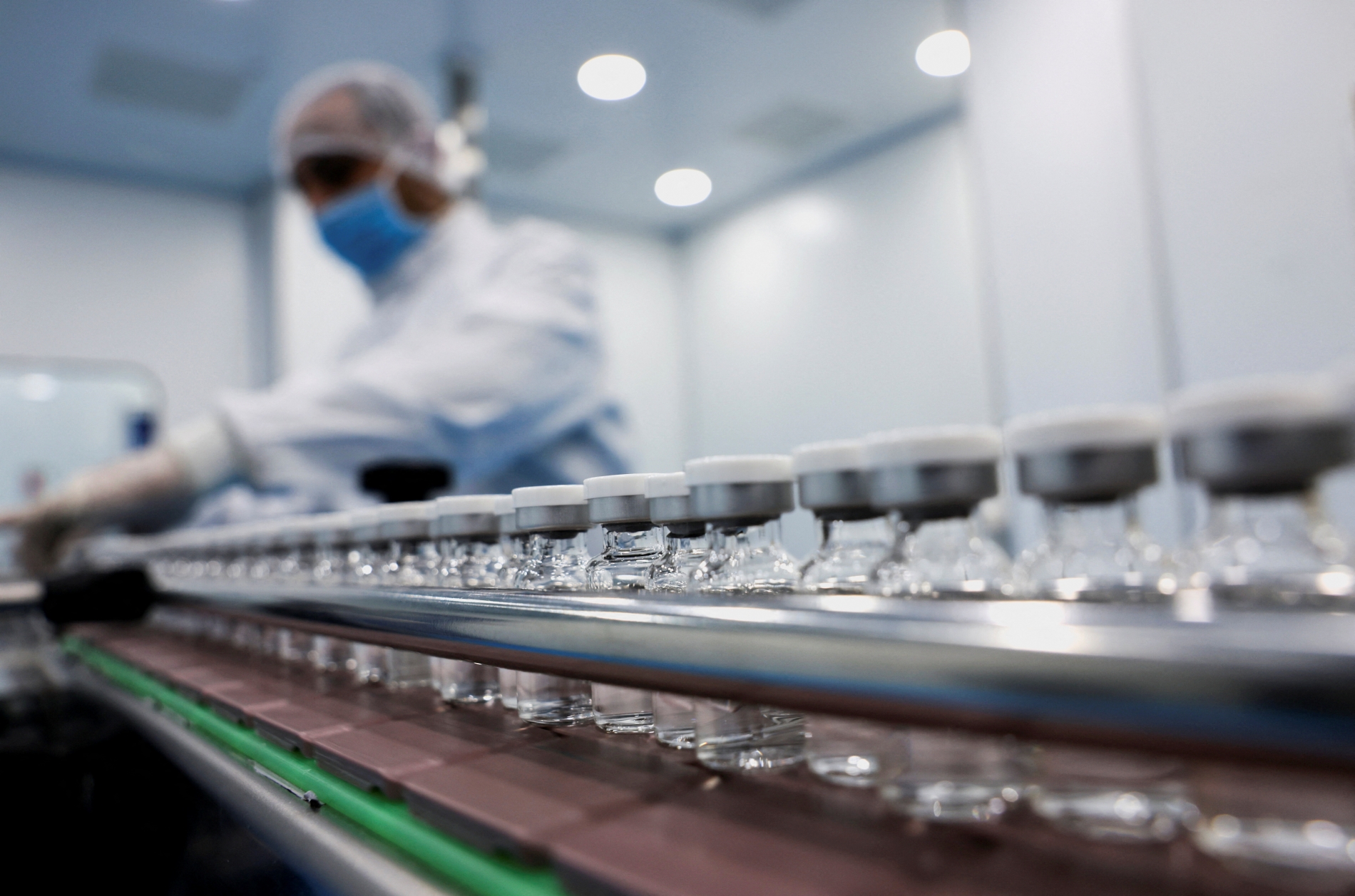
An Egyptian scientist working on an insulin injection production line in Cairo on 14 June 2025.
The state seeks to balance investor interests with the public good, but the shortage has hit patients with chronic diseases and cancer. Fuel price increases introduced in October 2025 may make matters worse, forcing a reliance on costly (but effective) imported drugs. While some multinational firms have begun manufacturing certain cancer medications locally, patients say the side effects of these domestic versions are harsher than those from abroad.
Patients interviewed by Al Majalla wondered why that might be, given that locally produced medicines were presumably evaluated against imported versions and the active ingredients are still sourced from abroad. They questioned whether Egyptian authorities were adequately assessing and monitoring complaints around quality related to these drugs.
Multinational companies operating in Egypt are benefitting from strong domestic demand, exports to neighbouring markets, and the Drug Pricing Committee's approval of price rises
Last year, a shortage of foreign currency sharply constrained the import of active pharmaceutical ingredients and left many essential medicines in critically short supply. Government-approved price increases, UPA policy adjustments, and a gradual stabilisation of the currency market brought some relief, however. Access to foreign exchange improved and market conditions eased, with several firms reporting strong profits in the first half of 2025 after the price rises in mid‑2024.
Yet the crisis surrounding imported medicines persists. Mandatory pricing policies still do not cover actual production costs. On the black market, prices are stratospheric. Around 57 million Egyptians covered by the public health insurance system report ongoing shortages of medicines in state‑run hospitals. With the Ministry of Finance unable to provide sufficient funding, patients either have to pay a fortune to medication or discontinue treatment altogether.
Those who can
Following the liberalisation of the exchange rate, access to healthcare has increasingly come down to personal wealth. Affluent patients buy imported medicines or seek care abroad; everyone else depends on an overstretched public insurance system that relied heavily on imported drugs until 2024.
Speaking to Al Majalla, Dr Ali Auf, head of the Pharmaceutical Division at Egypt's Federation of Chambers of Commerce, said investment in the sector has hit E$300bn ($6.33bn), encompassing 180 factories and 2,000 contract manufacturers. He described Egypt's pharmaceutical market as one of the largest in the region, with local factories meeting 92% of demand by volume and 85% by value (some of the world's highest coverage rates), but said Egypt still imports around 15% of essential medicines.
These are typically drugs with no local substitute or that require advanced technology, include oncology drugs, hormone therapies, immunological treatments, and insulin. Auf said the overall shortage did not exceed 1%—within global norms—yet acknowledged that this included treatments for cancer, heart failure, and thyroid disorders.
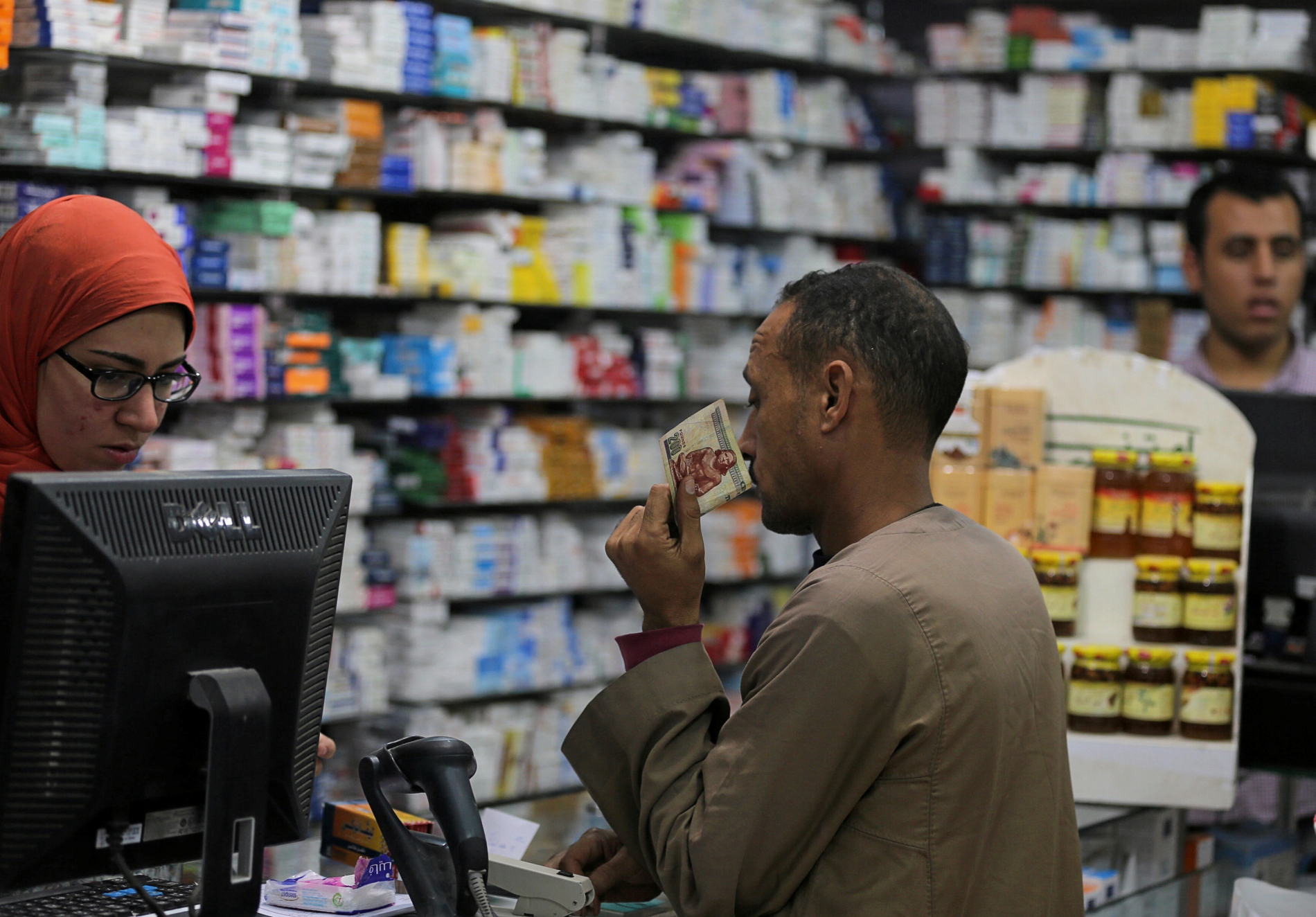
The cost of imported medicines from abroad is prohibitively expensive for most Egyptians.
These drugs enter the market in limited quantities that fail to meet domestic demand. Several big international pharmaceutical firms have begun producing key medicines in Egypt over the past five years to reduce costs and expand exports to African markets, he said, while denying that the quality of locally manufactured medicines lags behind that of imported versions.
Assessing input costs
Some observers link rising medicine prices to the increase in fuel costs, but Hani Genina, head of research at Al Ahly Pharos and a leading economist, told Al Majalla that fuel has almost no bearing on drug prices because around 90% of the production costs stem from the import of active pharmaceutical ingredients. Fuel represents no more than 1-2% of costs, he explained. Genina also noted that only a handful of companies are pressing for additional hikes, with most firms having already adjusted the prices of their key products.
Memphis Pharmaceuticals and Chemical Industries—listed on the Egyptian Exchange—was a good example, he said. A single drug, Aspirin Protect, accounts for nearly a quarter of its revenues, and its price jumped from E$25 to E£87 over the past year. This is replicated across the sector, he said. The most essential and profitable medicines have already been repriced, leaving only the less lucrative unchanged.
The surge in medicine prices has placed heavy pressure on the Health Insurance Authority's budget. As commercial drug prices climb, more citizens are turning to insurance‑affiliated pharmacies. At the same time, the Authority's own procurement costs have risen by up to 40%, meaning it can now purchase fewer medicines for the same expenditure, deepening shortages across its network.
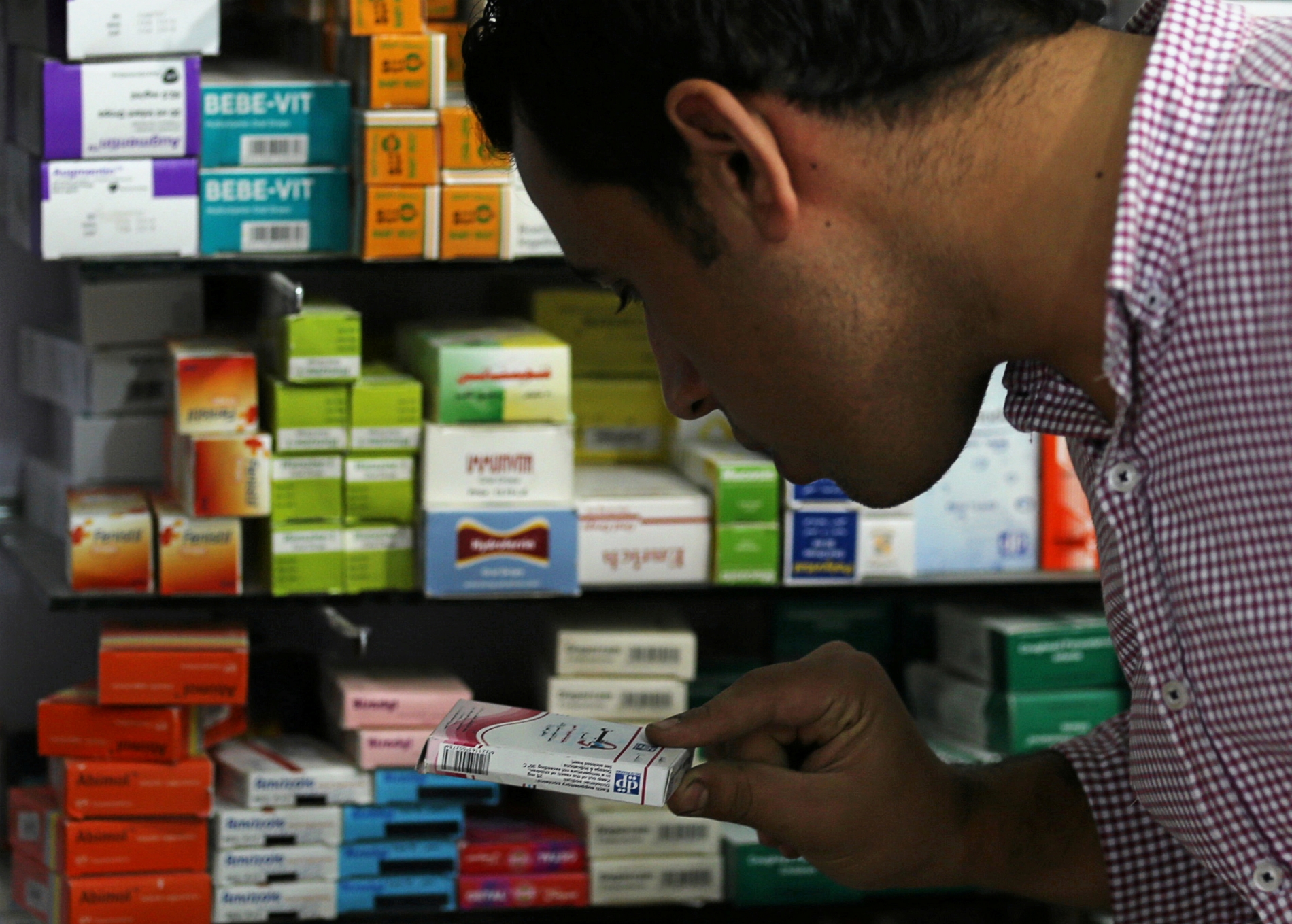
Most medicines available to buy in Egyptian pharmacies are locally produced.
A recent report by the research division at investment bank EFG Hermes described Egypt's pharmaceutical industry as entering a new phase, after two years of financial strain, escalating costs, and industry contraction triggered by the currency crisis. Price reforms, lower interest rates, and improved government liquidity, and a sector growth rate of 56% in the first half of 2025 are reasons for hope, propelling a 43% increase in prices and a 9% rise in sales.
As part of its efforts to reduce the pharmaceutical import bill, the government has prioritised access to foreign currency for importing raw materials and introduced a E£7bn ($147mn) financing package for drug manufacturers, offering subsidised interest rates of 5-7%. These steps have helped shrink medicine shortages from 40% to less than 5% of total market supply. The EFG Hermes report noted that companies continue to expand exports and increase the share of high‑margin products, supported by lower borrowing costs and a healthier working‑capital cycle.
Despite these developments, Egyptians still face rising drug prices and shortages, with limited regulatory oversight impacting efficacy. Delays in rolling out universal health insurance, combined with the expanding role of private and foreign investors in the pharmaceutical and hospital sectors, have further constrained access to affordable treatment. Egypt's medicine crisis has therefore become a pressing national issue, one that demands swift, far‑reaching, and sustainable remedies.