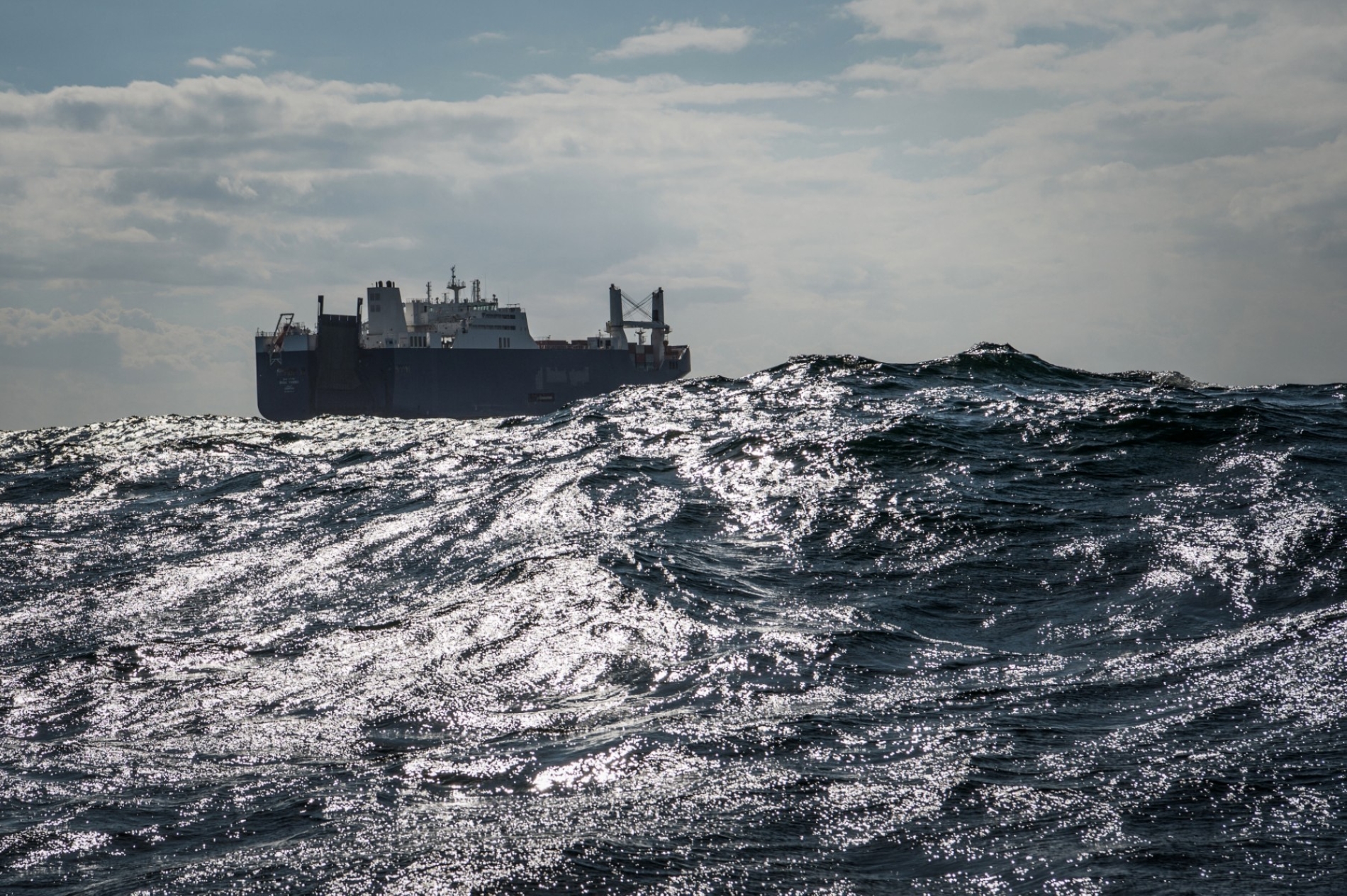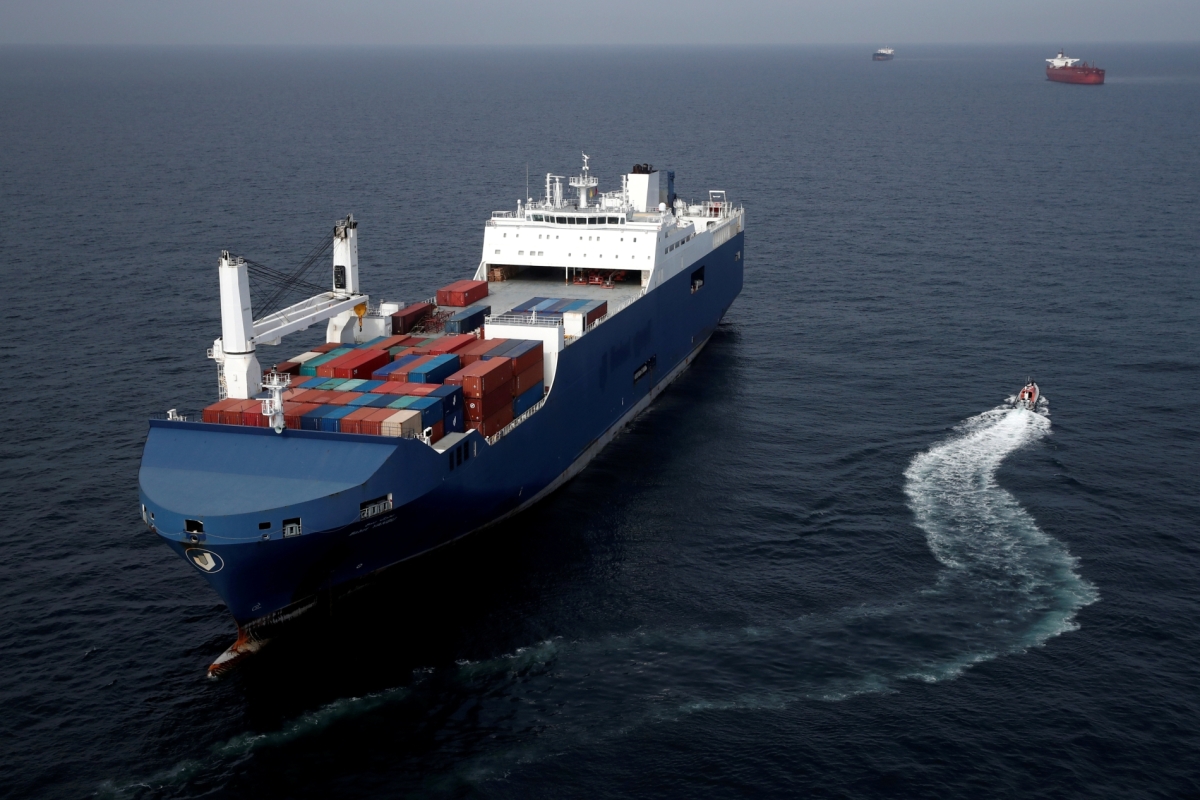

The National Shipping Company of Saudi Arabia (Bahri) is a big player in the global maritime and energy logistics landscape. Established in 1978 and listed on the Saudi stock exchange in 1993, the company is a key cog in the country’s energy exports and global supply chains.
Bahri is backed by Saudi Arabia’s sovereign wealth fund, the Public Investment Fund (PIF), which holds approximately 22.55% of the company's shares, and the state oil giant Saudi Aramco, which holds approximately 20% (the remaining shares are publicly traded). This ownership structure reflects Bahri’s importance as a national asset.
According to Bahri Ship Management, the company currently manages 95 vessels, including 42 Very Large Crude Carriers (VLCCs), 38 chemical and product tankers, six multi-purpose vessels, and nine dry bulk carriers. Its latest fleet disclosures indicate an owned fleet of just over 100 vessels, suggesting several recent additions to the portfolio.
Bahri ships carry crude oil, refined products, petrochemicals, dry bulk materials, and industrial equipment to markets worldwide. The company provides end-to-end shipping, supply chain solutions, and integrated maritime services. This combination positions Bahri as a critical pillar of Saudi Arabia’s energy ecosystem. It gives the country global commercial reach.
Market dynamics
The company’s revenue journey over the past seven years shows adaptation in the face of global market cycles. In 2018, revenues were $1.63bn, rising to $1.75bn in 2019. In 2020, they surged to $2.24bn, amid the global coronavirus outbreak. In 2021, revenues dropped sharply to $1.43bn but rebounded in 2022 to $2.29bn and hit $2.34bn in 2023. Last year, Bahri’s revenues came in at $2.53bn, a historical high. Analysts now wonder whether it can extend its upward momentum.
The contrast between 2020 and 2021 highlights the dynamics of the global tanker market. In 2020, the combination of extreme demand for floating storage, disrupted trade flows, and highly volatile freight cycles created an unusual but extraordinarily profitable environment for very large crude carriers. VLCC earnings reached historic highs, and major global operators such as Frontline, Euronav, VLCC pool members, and large Asian tanker fleets also recorded exceptional charter rates.
Bahri was no exception. It leveraged its sizeable VLCC fleet for one of the strongest financial years in its history. The following year, the situation reversed sharply. The unwinding of floating storage, the normalisation of freight markets, and the rebalancing of global supply chains led to a steep decline in tanker earnings worldwide. Revenues for the big players like Euronav, Frontline, Hafnia, and Scorpio Tankers all dropped materially, as market conditions tightened.
Bahri was no different, its revenues for 2021 reflection a market correction, rather than any company-specific factors, but recovered strongly early in 2022, owing to its diversified structure and strong customer base, whereas many international fleets relied heavily on single segment exposure and remained vulnerable to shifting freight cycles.