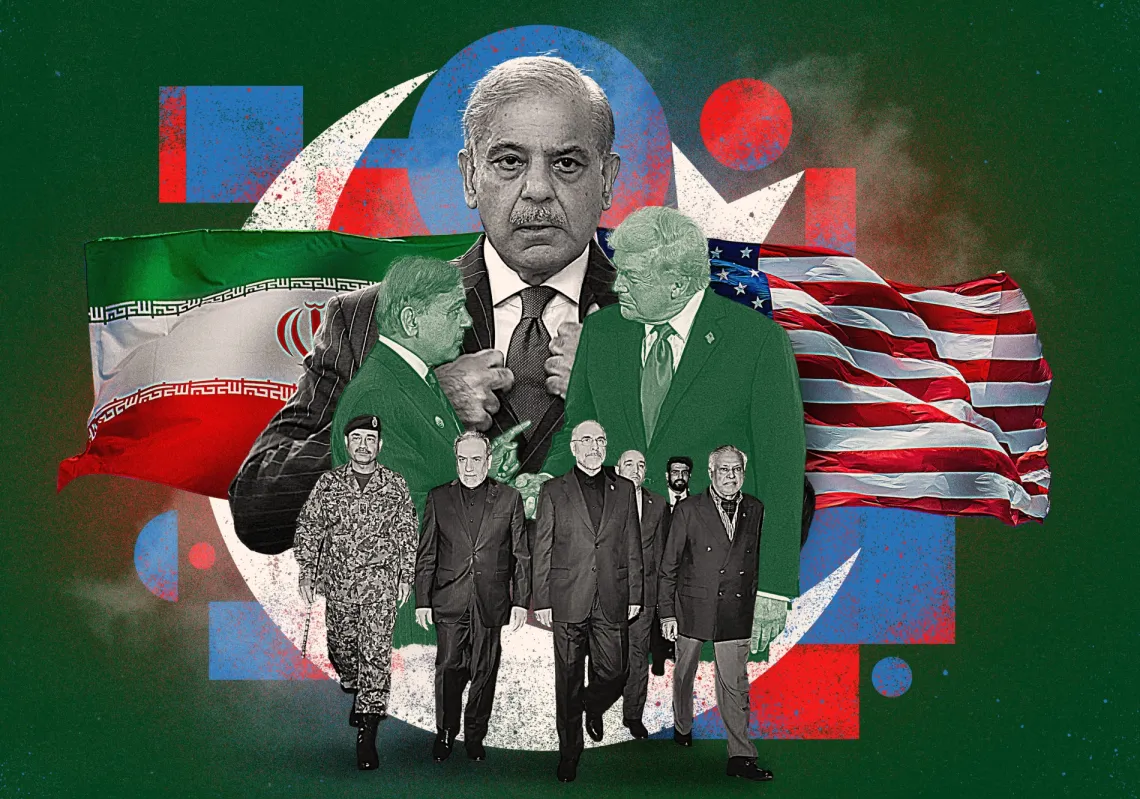
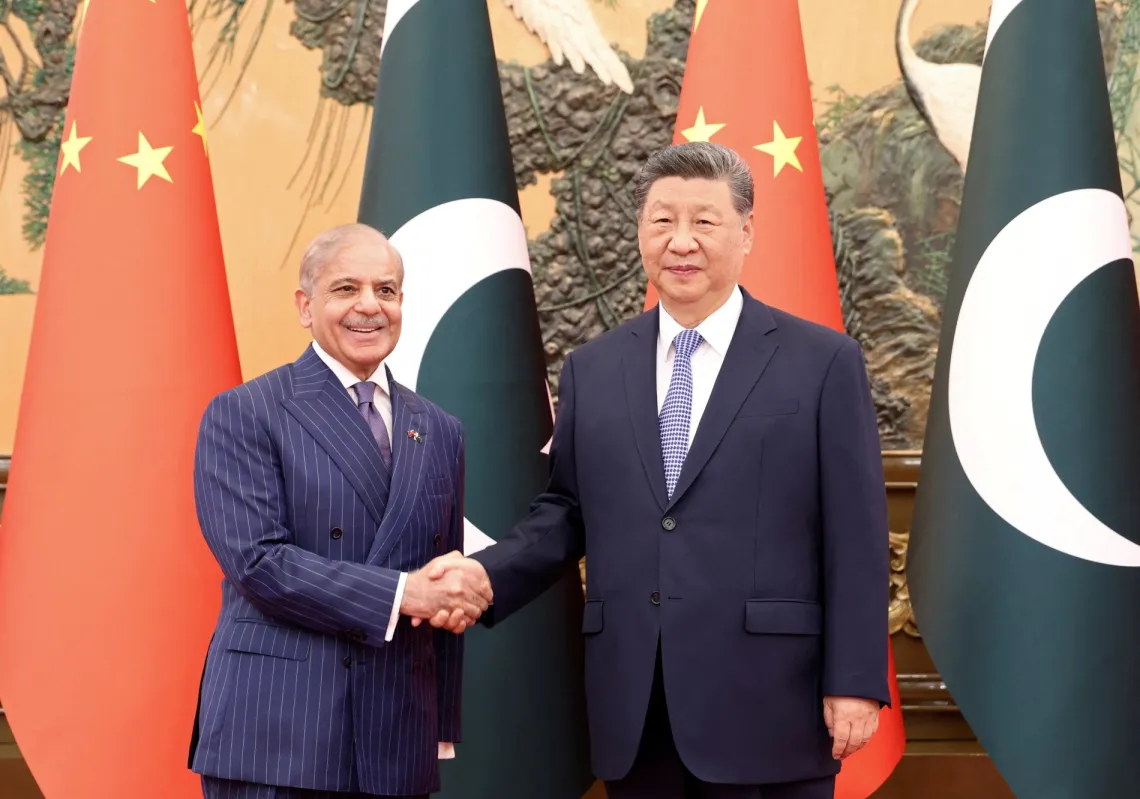
Islamabad kept both sides talking even as missiles were being launched. That tenacity looks to have paid dividends in a way that could yet reshape the Middle East's power dynamics.
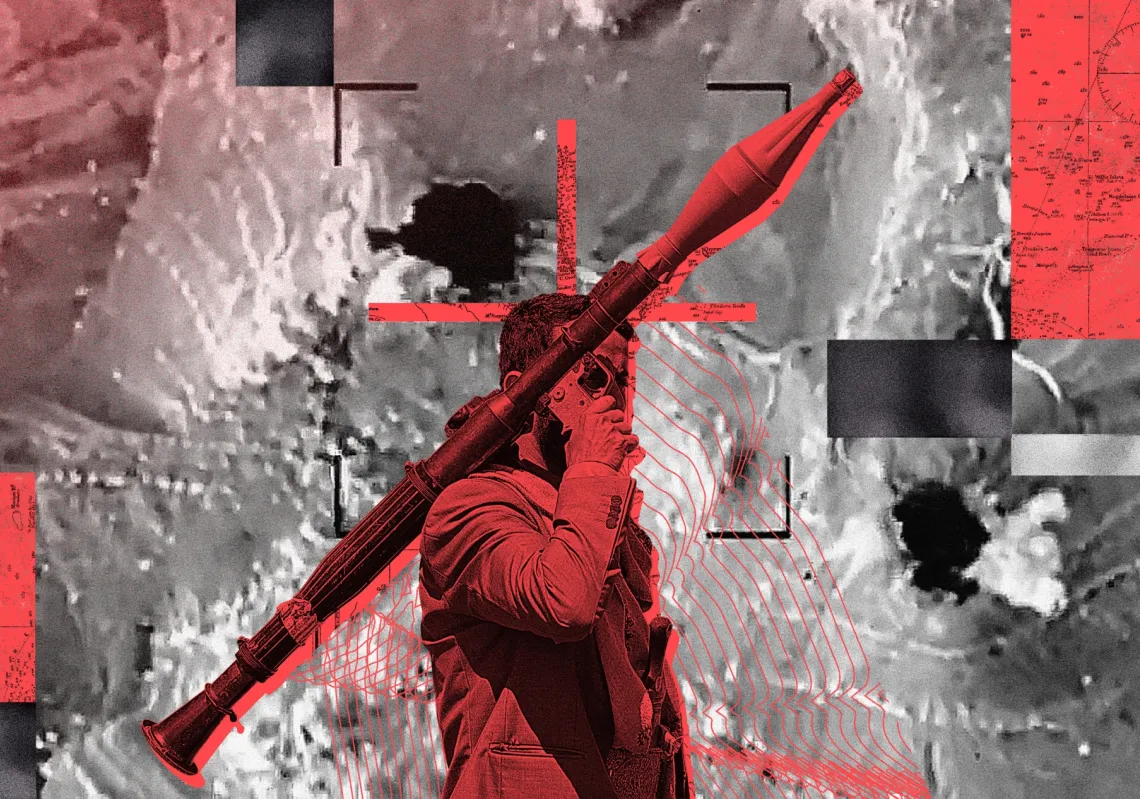
With war closing the Strait of Hormuz, Islamabad has become both broker and bridge, mediating between rivals while keeping Beijing's overland trade routes alive
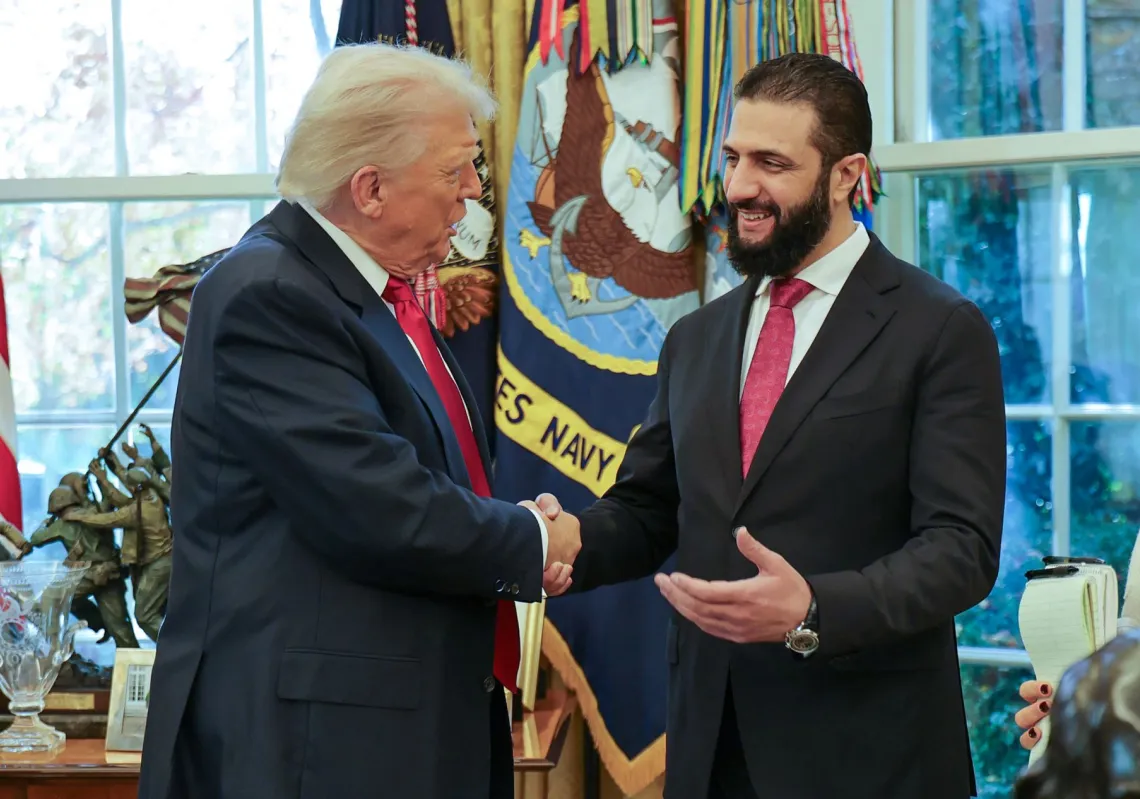
Donald Trump and Ahmed al-Sharaa have formed a good relationship which has helped Syria immensely, but Trump's term ends in 2028, so institutional relations are now a priority.
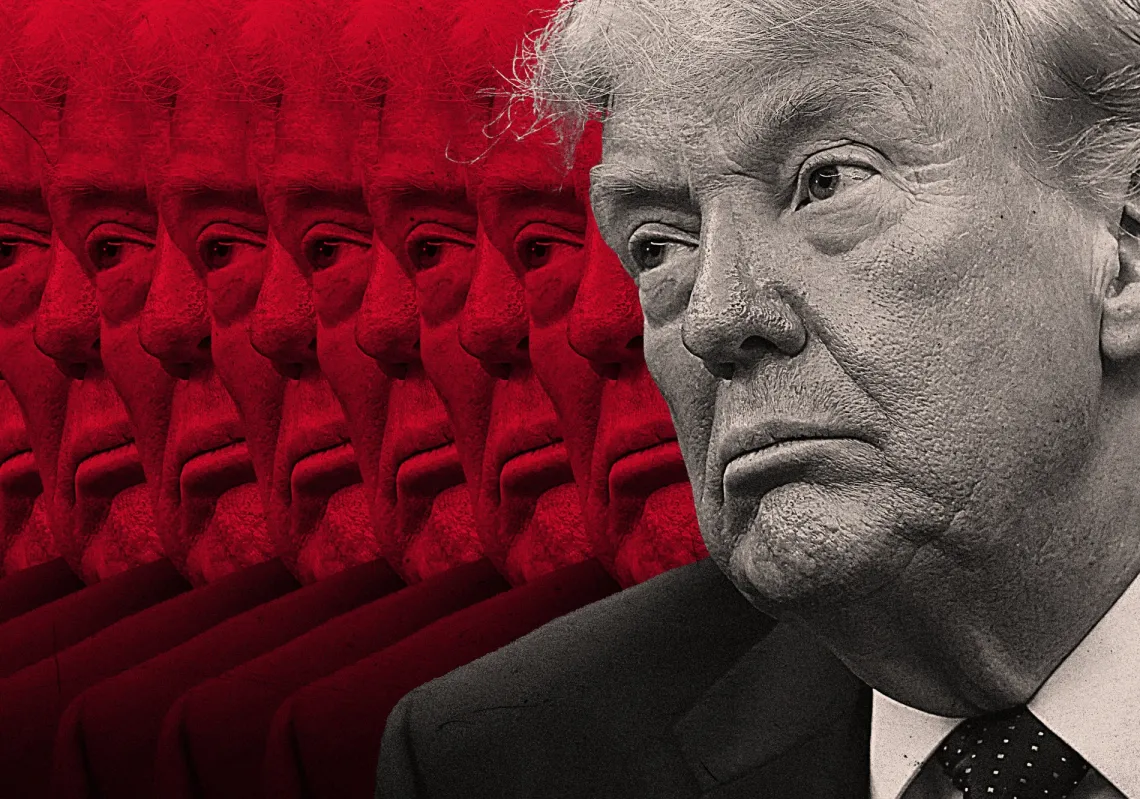
Sabre-rattling social media statements are par for the course with the US president, whose performative declarations keep everyone guessing, but do they produce lasting results?
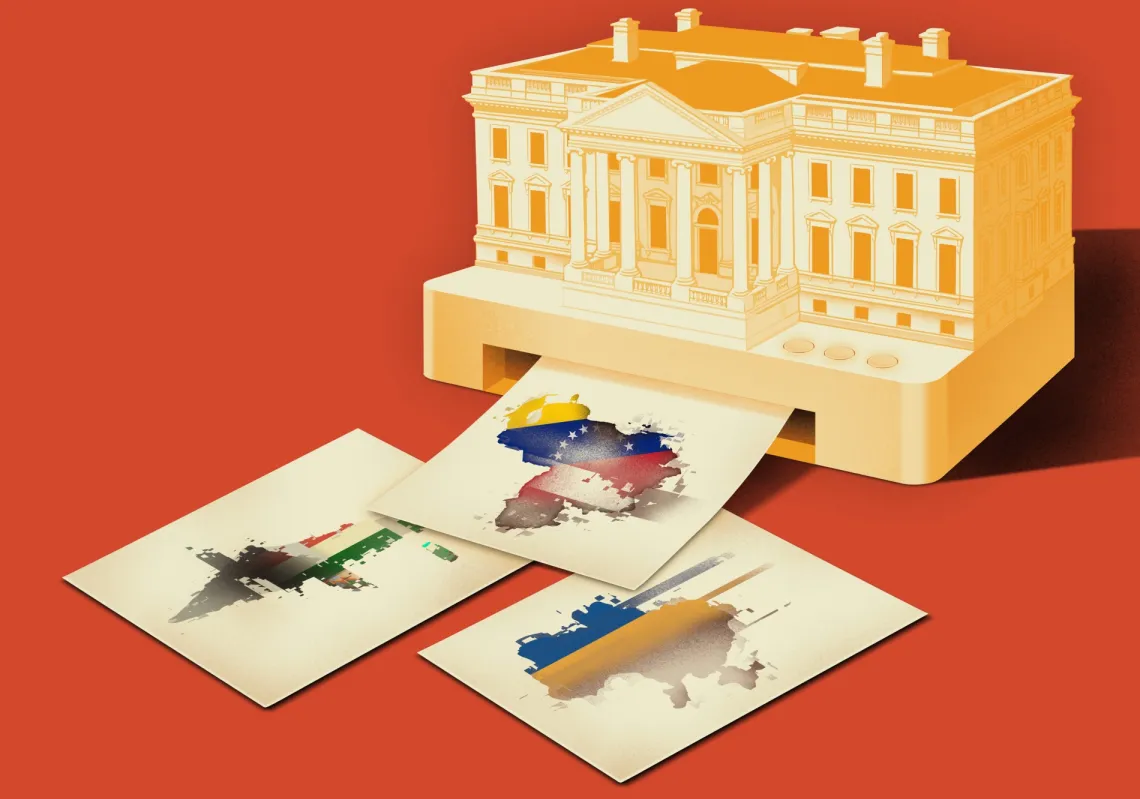
From Gaza to Ukraine, a coterie close to the president are wheeling and dealing their way through diplomacy's traditional terrain, scoring some wins but creating great confusion
In an exclusive interview with Al Majalla, the UN assistant secretary-general says the traditional approach of dealing with issues in silos no longer works and a 360 approach is needed.
There are many reasons to believe that prevailing geopolitical conditions have ended, and we are in the throes of new world order, but it is difficult to predict what this new order will look like.
Not so long ago, Russia’s Foreign Minister, Sergey Lavrov, made some very striking remarks on Italian television. According to the Guardian, he was asked
‘…how Russia could say it needed to …
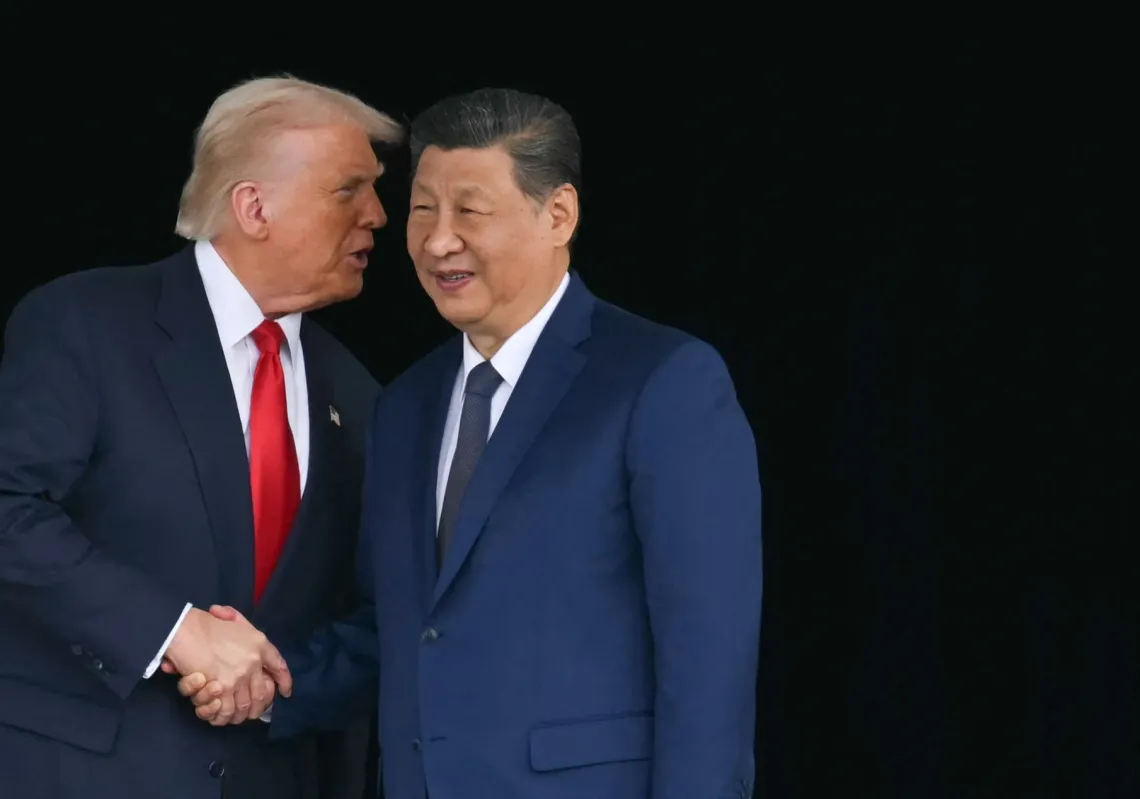
The sense that the US may be less committed to its allies' security is prompting a rethink of long-held assumptions, much to the delight of China and Russia
Supporting Israel used to help politicians get elected, but with Americans far more critical of Tel Aviv's influence on US policy, it has now become a liability at the ballot box
It is not just a fancy name for the air-conditioning industry, but an intricate system that begins with power stations and extends to the design of buildings and cities
The Palestinian-German author speaks to Al Majalla about the challenges facing Palestinian voices in Germany and how she engages German readers from within their own cultural and political context