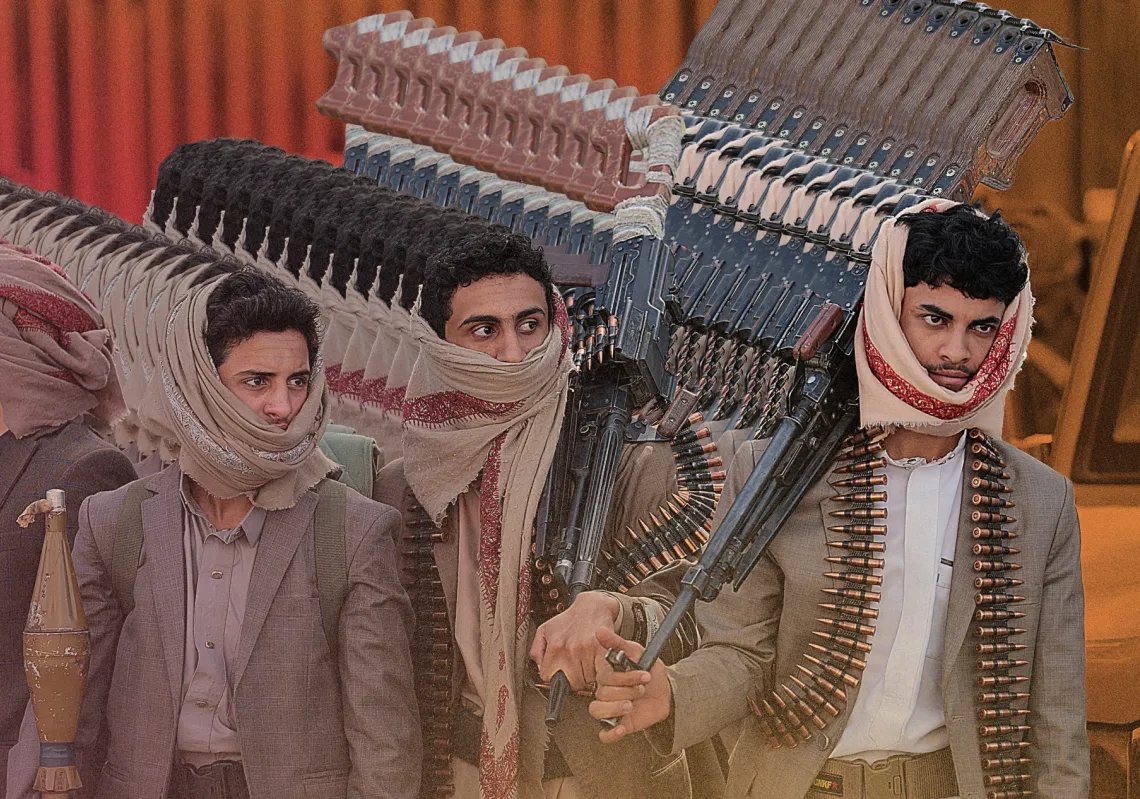
Overcoming Yemen's fragmentation requires more support for the Riyadh-led path—one that rejects secession, all militias and institutionalises the state
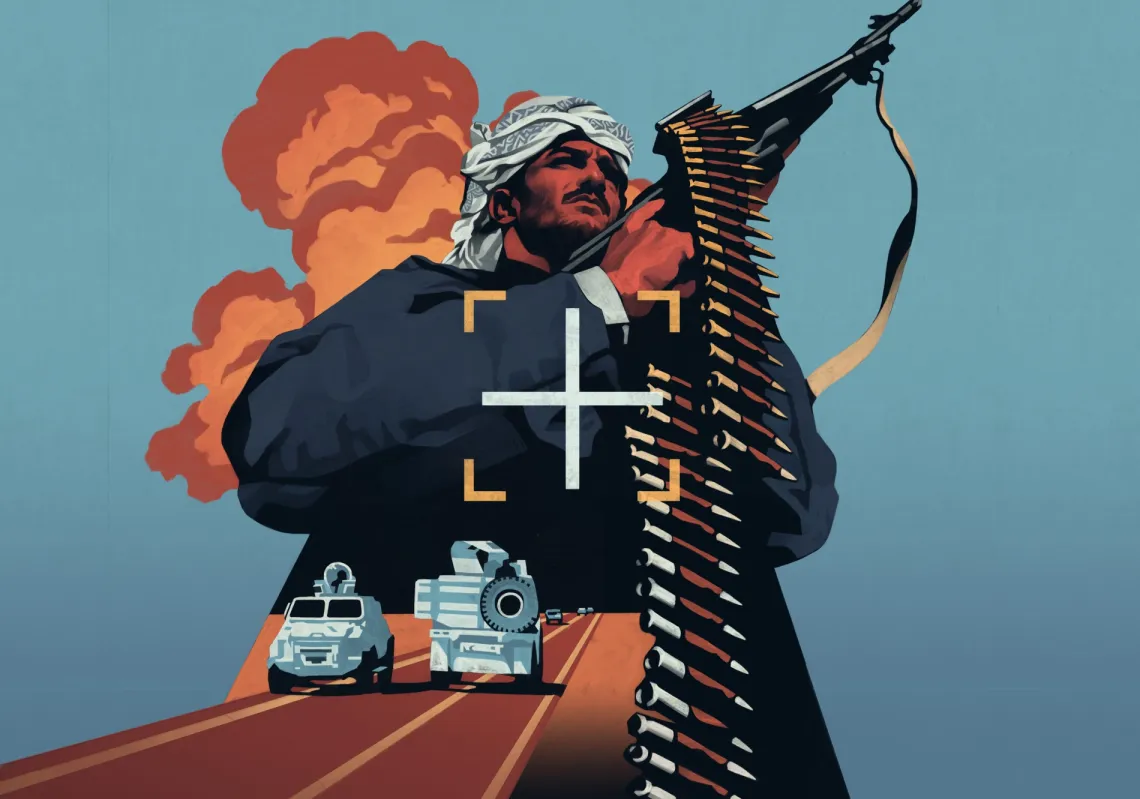
No single party in Yemen can impose dominance over the other through military force, nor can any side achieve dominance solely by relying on external actors
For decades, two separate states - North and South Yemen - existed side-by-side, until the Cold War ended. Suddenly, the two came together. For a brief moment, united Yemen prospered.
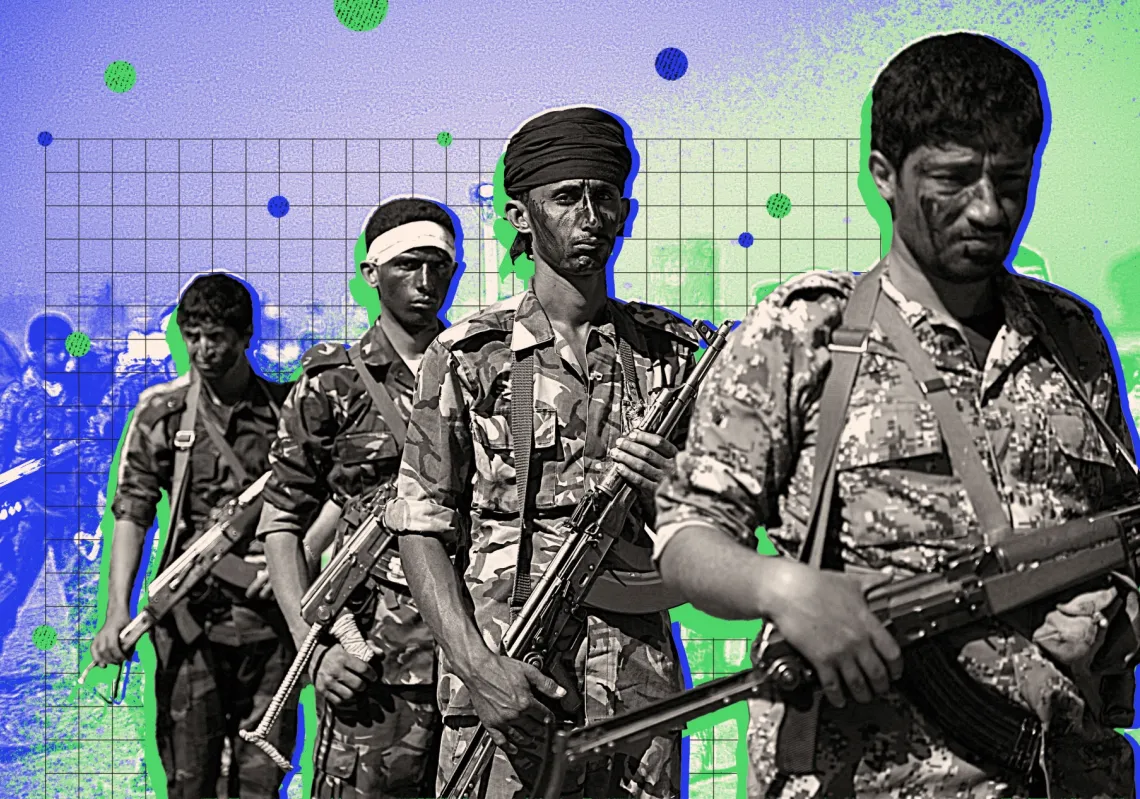
The rejection of peace initiatives, the clampdown on civil society, and the forced disappearance of humanitarian workers have contributed to growing fatigue among Yemenis under their control
Apart from its ongoing genocide in Gaza, Israel has, this week, attacked Syria, Lebanon, Tunisia and, most shockingly, Qatar—a staunch US ally. But in Yemen, it's been especially brutal.
Amid growing fears that the Middle East and the world are forgetting about a long-running war in the splintered country, a particular solution is gaining steam as popular protests break out
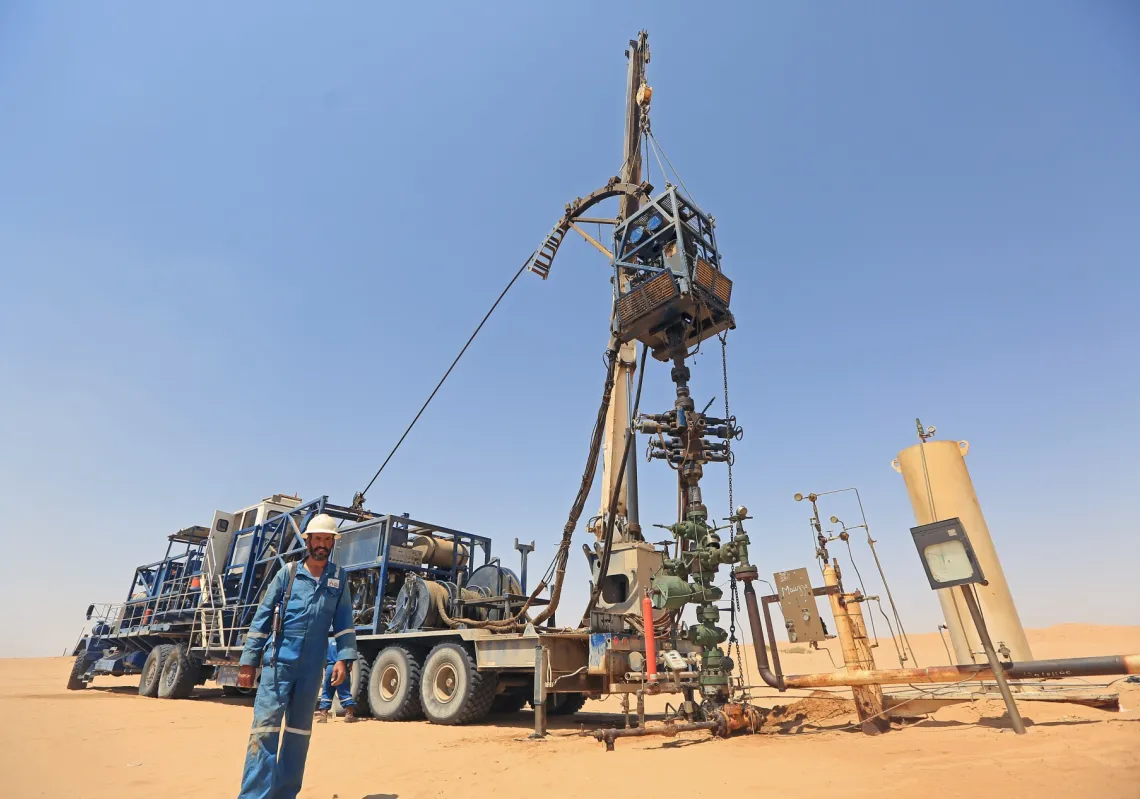
Far from being a technicality, the militia that controls much of Yemen's west and north is using the rial and the physical expression of money to alter the state's identity.
US President Donald Trump agreed a ceasefire in early May on the condition that the Houthis do not attack American ships. Good to their word, they are still attacking others, with no comeuppance.
Overcoming Yemen's fragmentation requires more support for the Riyadh-led path—one that rejects secession, all militias and institutionalises the state
Recently declassified meeting minutes between the two leaders show how Washington was well aware of Moscow's grievances over NATO expansion, but went ahead anyway
More than 160 years after the first tram was inaugurated in the Egyptian city, the pace of life has forced change, replacing the much-loved old carriages holding memories of a bygone age