The populous Arab country needs to increase its non-oil exports to bring in much-needed foreign currency and raise living standards, but it cannot afford to do so by importing
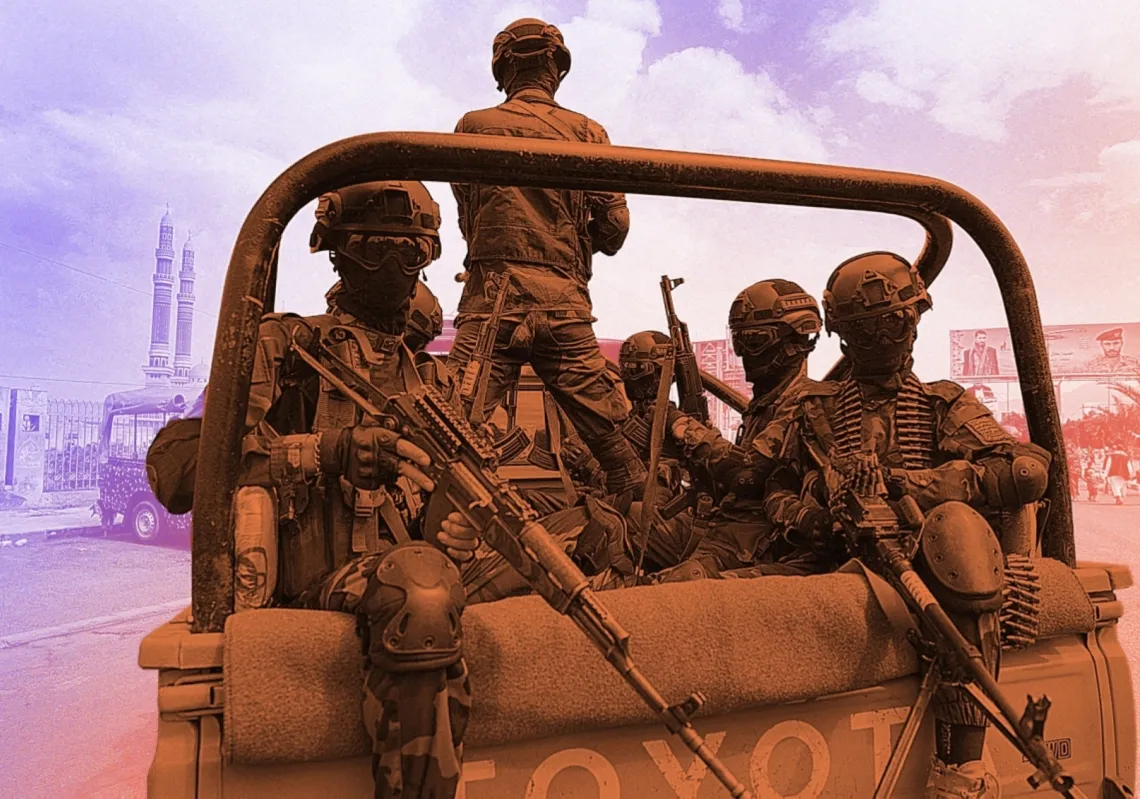
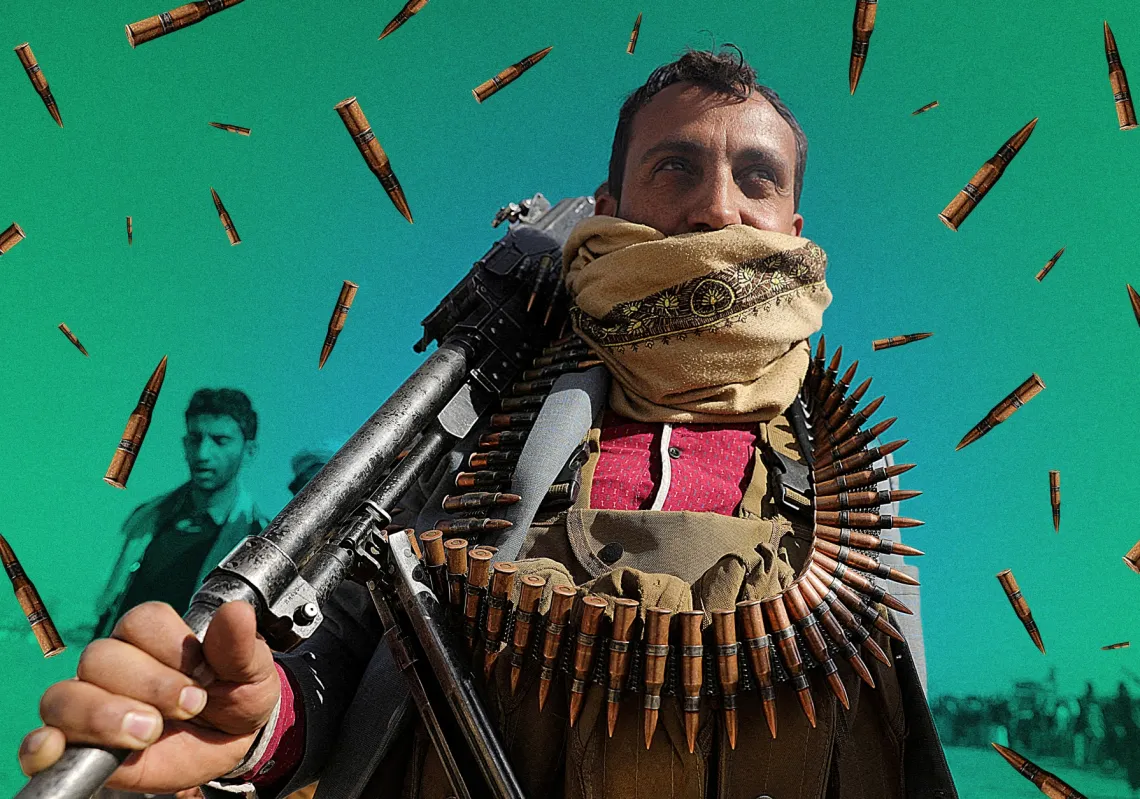
Some analysts say Houthi advances are only possible due to help from the IRGC, while others believe the group has evolved into a much more sophisticated and potent force
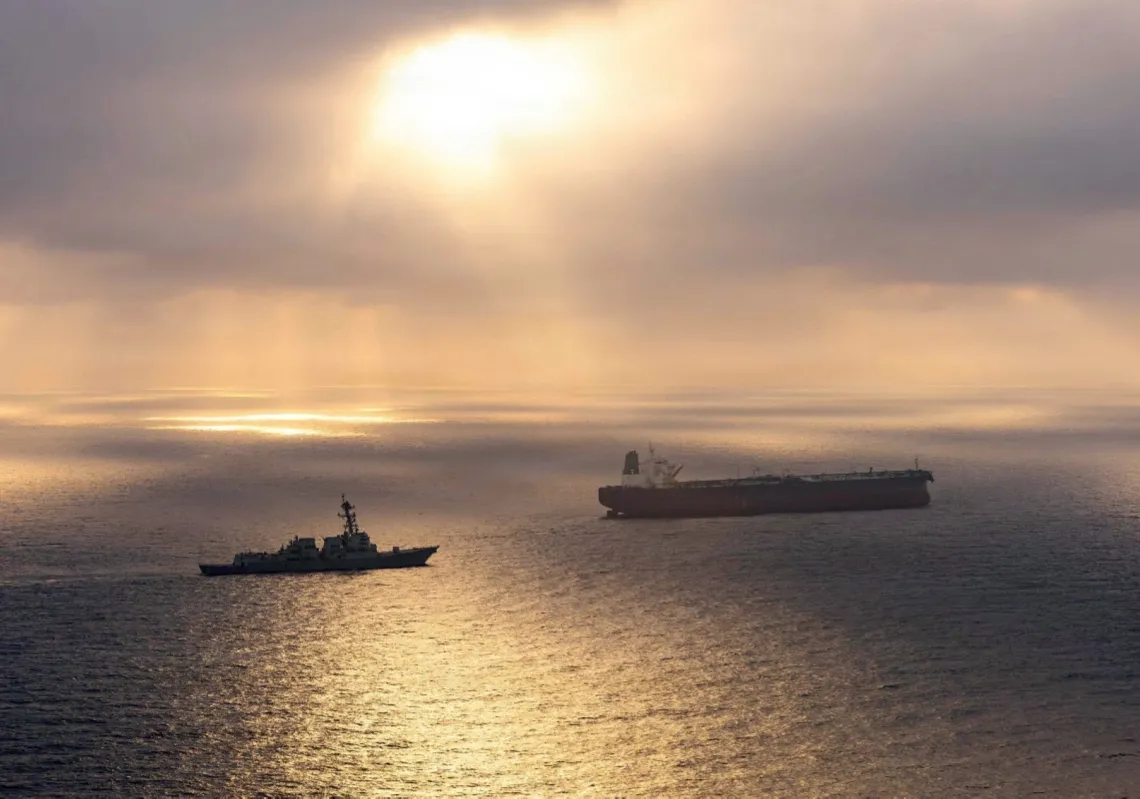
Sanctions created a maritime network adept at concealing oil and ownership, but the blockade and military strikes have exposed its limits now that the tankers themselves have become targets
Leading industry figures warn that artificial intelligence capabilities are advancing faster than humanity's ability to govern, restrain, and control them
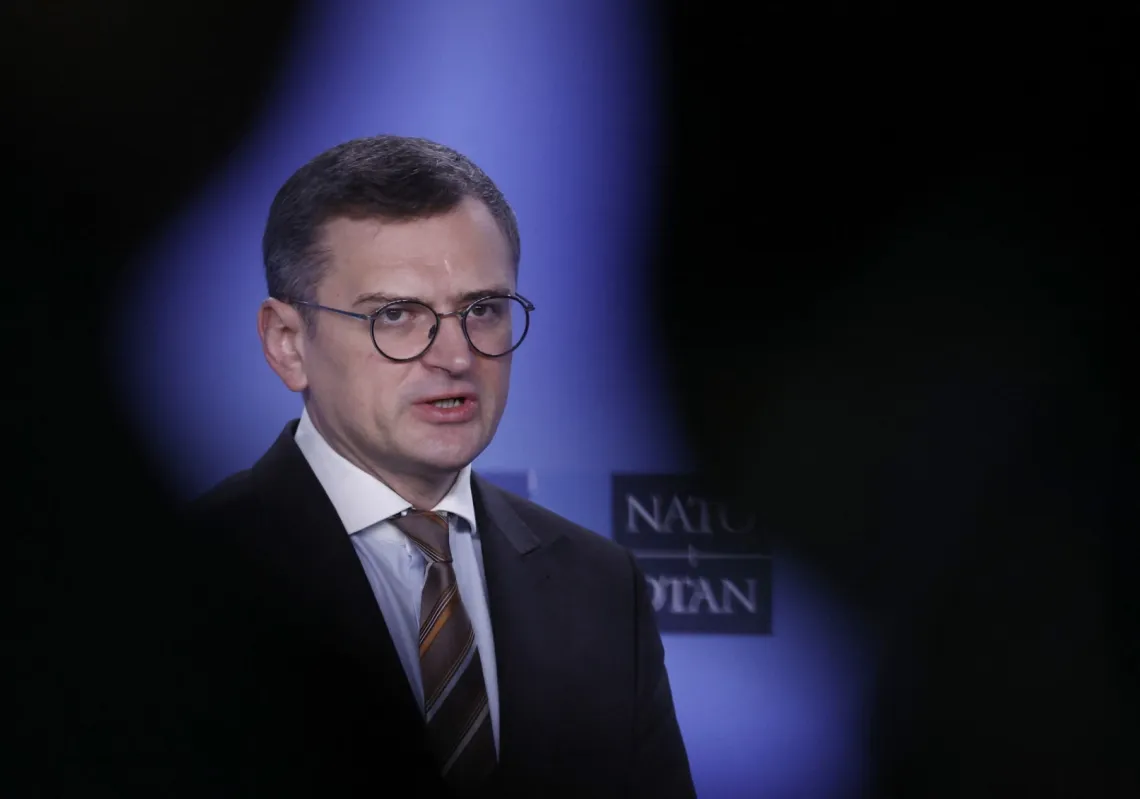
Ukraine's former foreign minister is pragmatic about the war, peace talks, Kyiv's opponent, Washington, the Chinese, and the Gulf. His thoughts are a fascinating insight into Europe's biggest battle