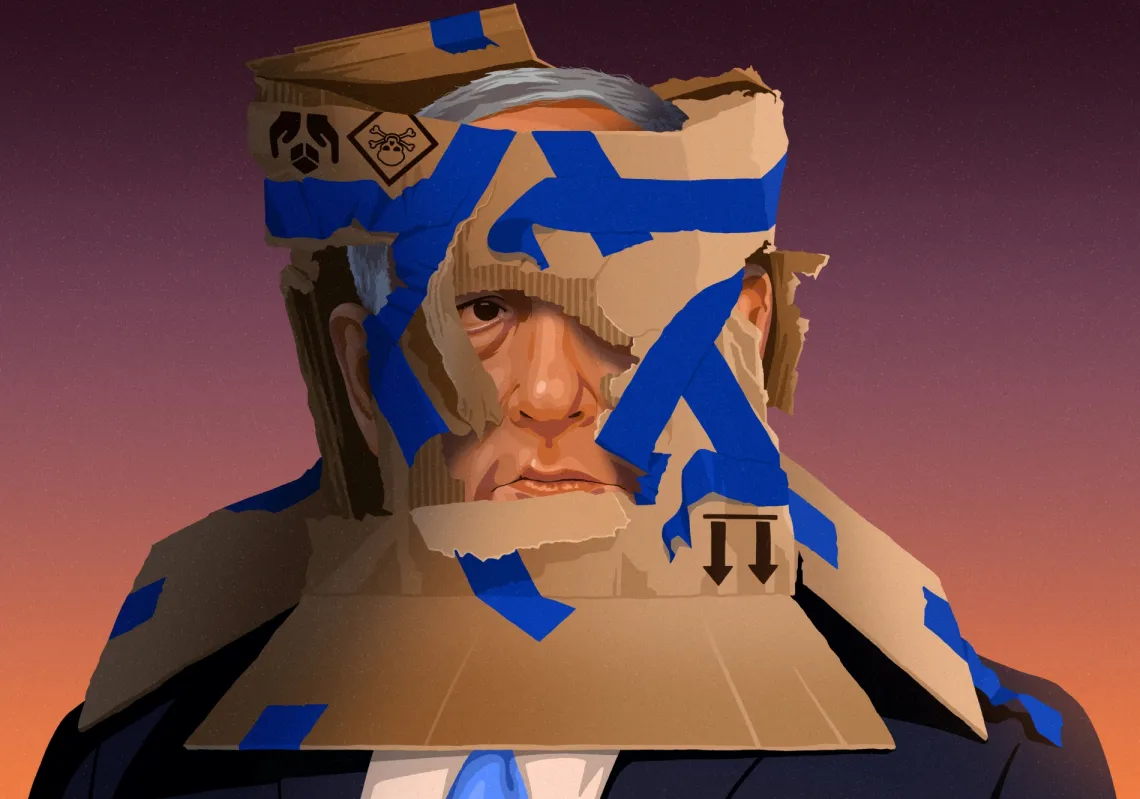
Some see this prize-winning documentary about Israeli soldiers' crimes in Gaza as whitewashing by suggesting a plurality of opinion; others see it as important evidence
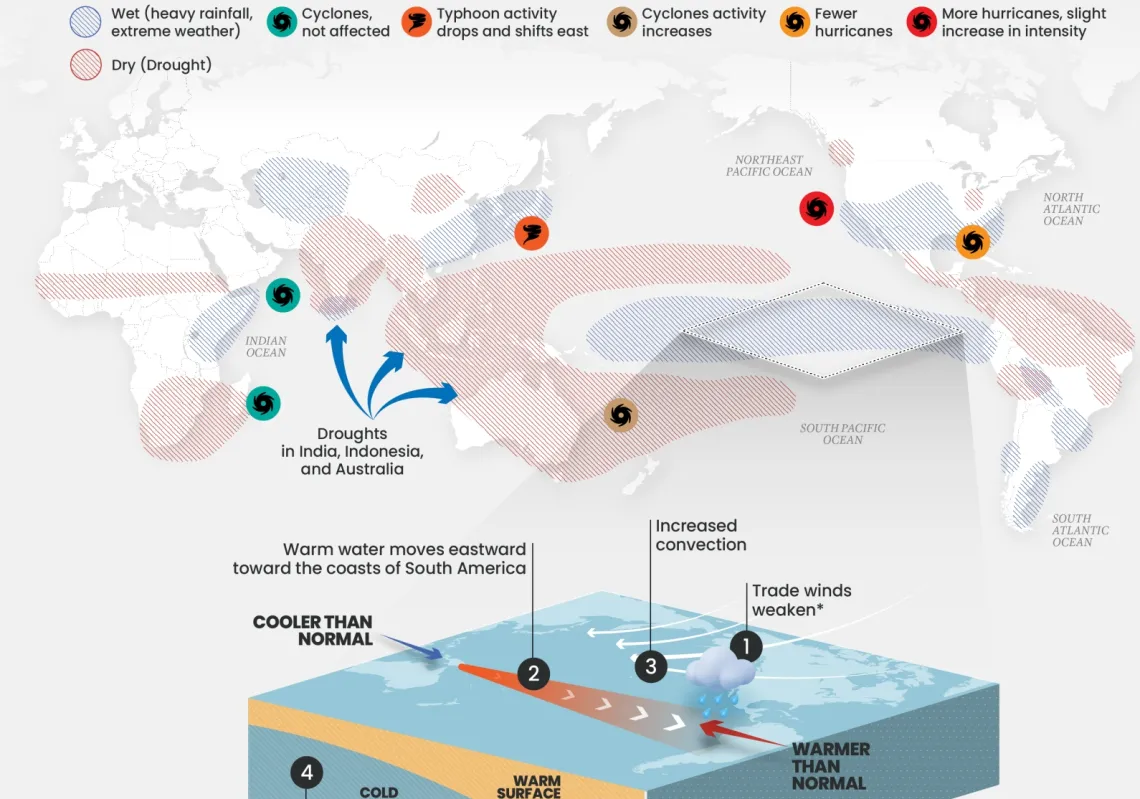
The Panama Canal has scaled back its daily ship transits from 36 to 32 as of 15 September, as declining rainfall threatens its water supply. At the same time, the Atlantic hurricane season has…
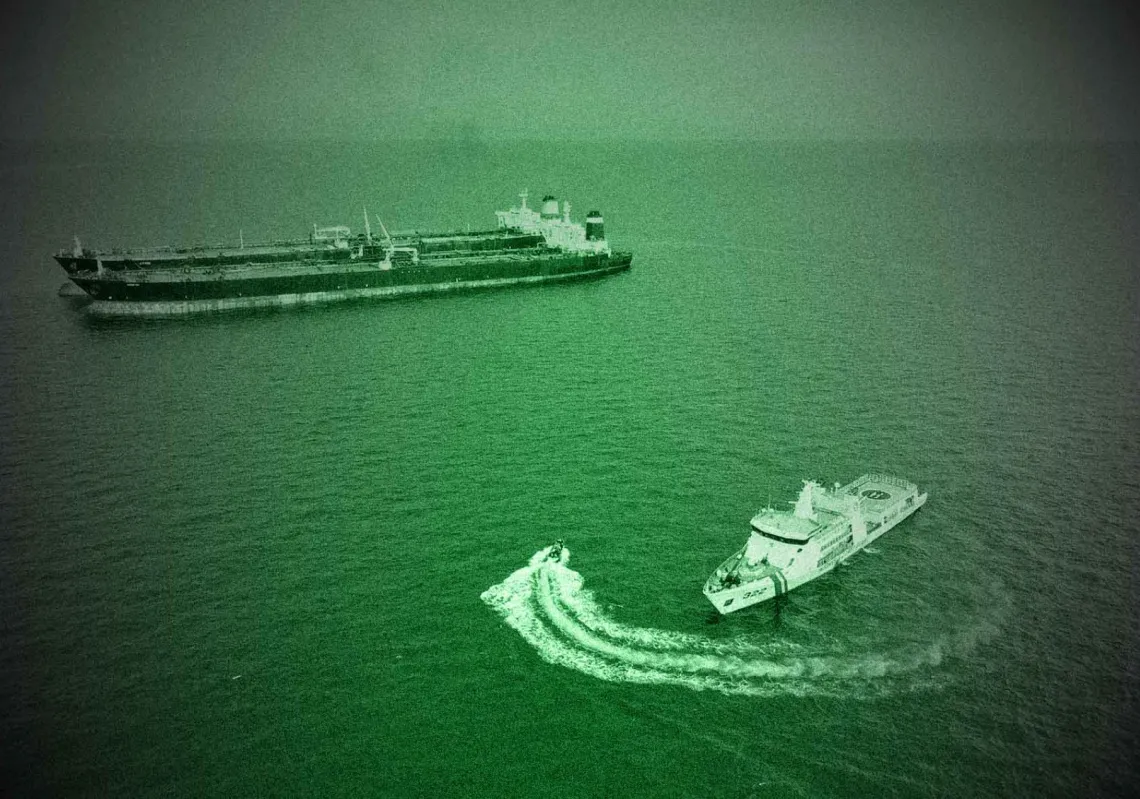
Tehran has gotten good at evading longstanding US sanctions, but the bigger it expands its shadow network, the more exposed and corrupt it becomes, weakening it in the long run
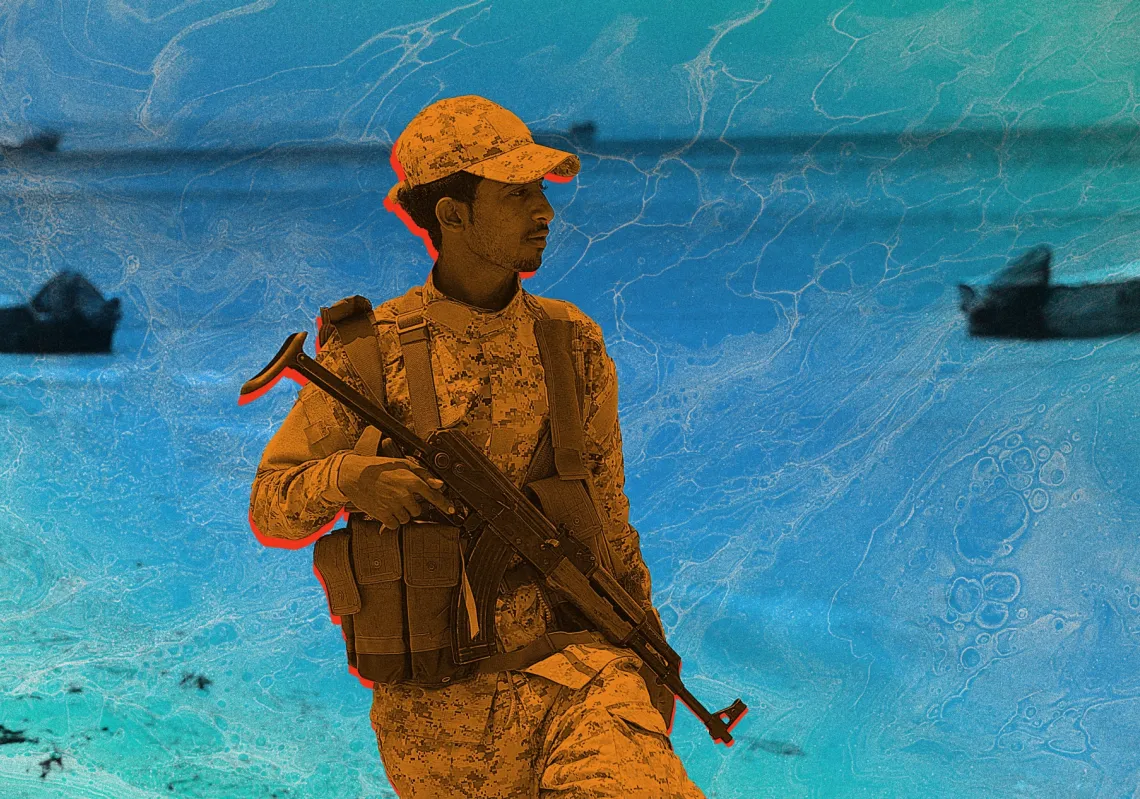
The Iran-backed militia has seized most of western Yemen to effectively control the Bab al-Mandab Strait, the gateway to the Red Sea and therefore the Suez Canal
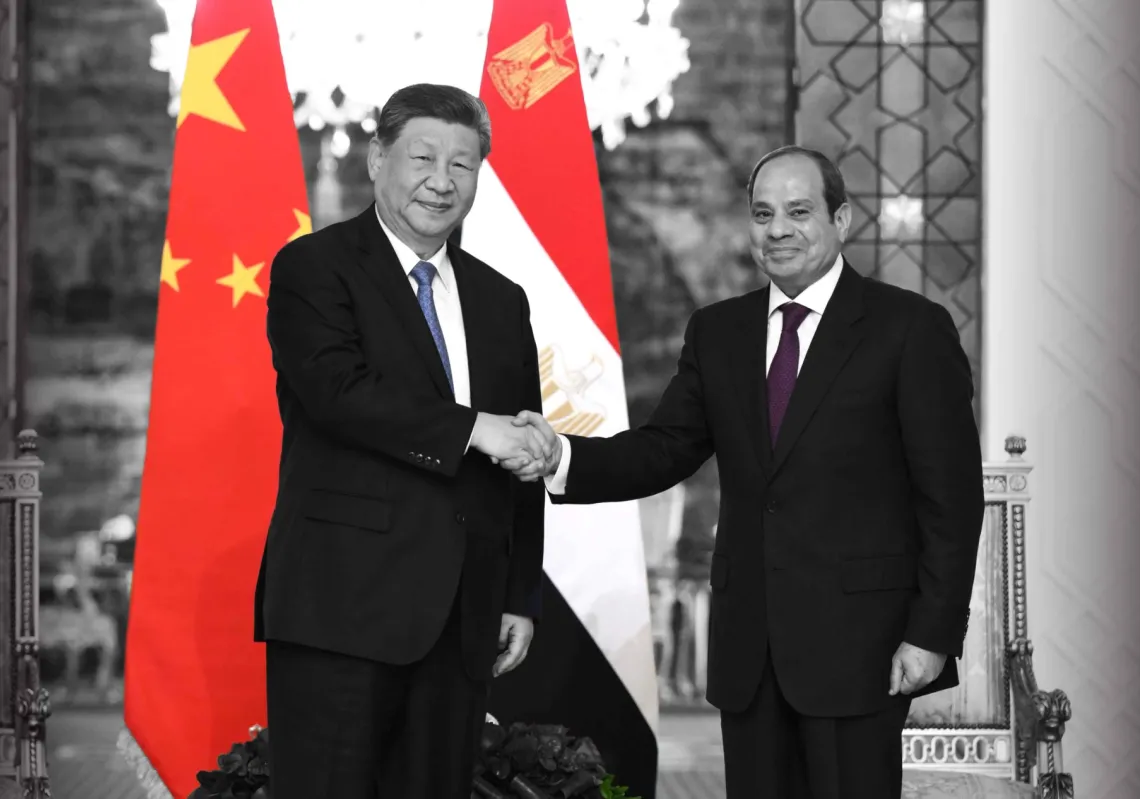
Beijing's multi-pronged proposal links to the new three-way 'Mecca Alliance' between Saudi Arabia, Türkiye, and Pakistan. What would be the parameters of this new Chinese security involvement?
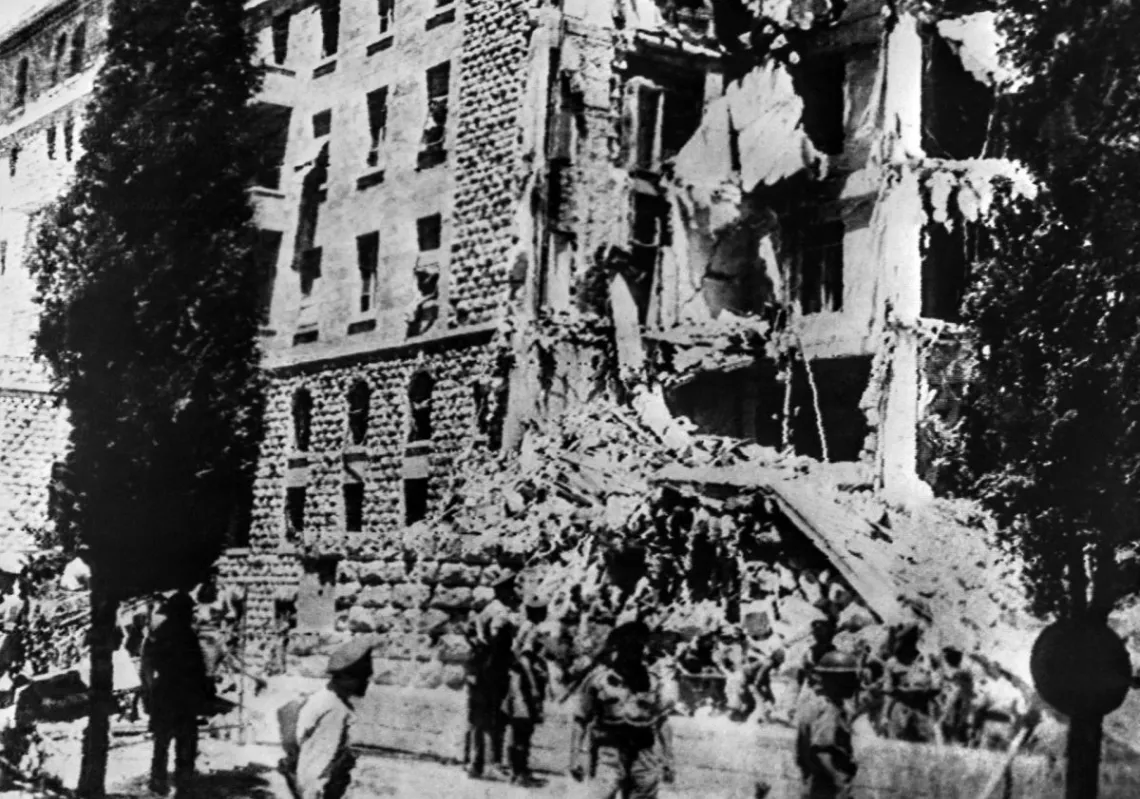
The UK's recent criticism of Israeli action in the West Bank has drawn a sharp rebuke from Tel Aviv, but friction between the two countries is nothing new
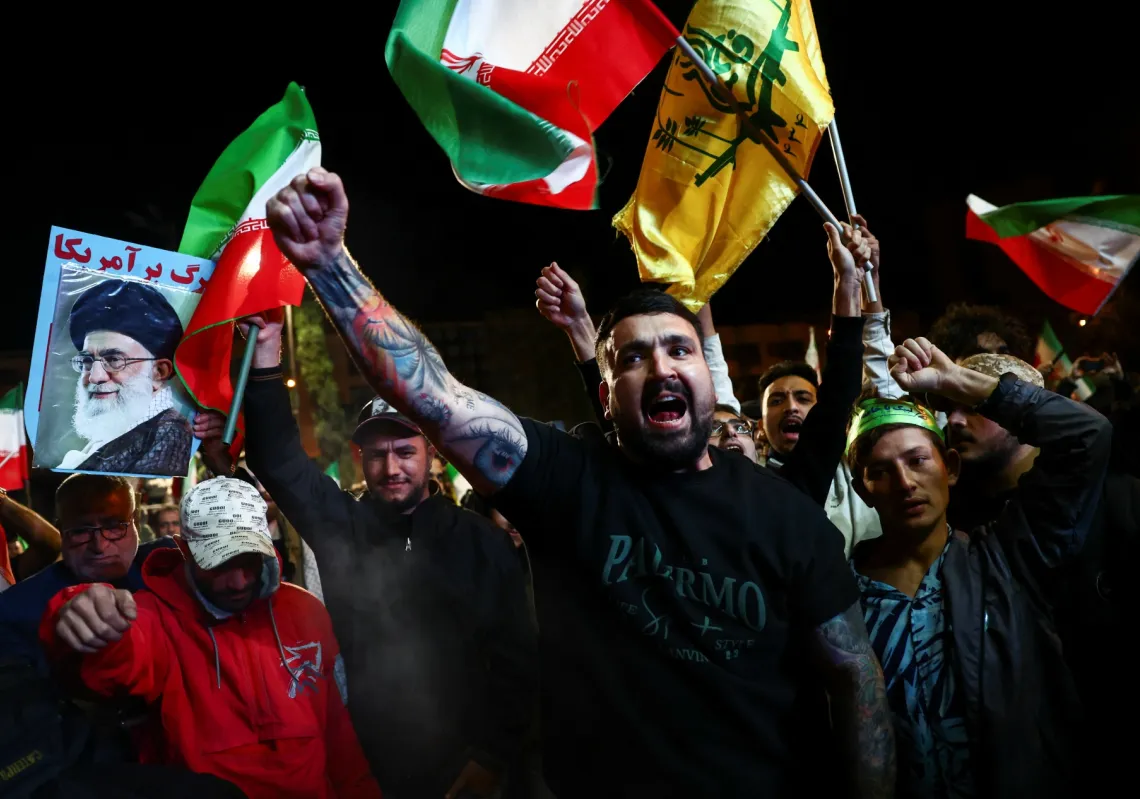
Should the US and Israel fail in their war on Iran, Tehran would likely expand its regional influence at the expense of Sunni Arabs, who could potentially turn to extremist groups to fight back
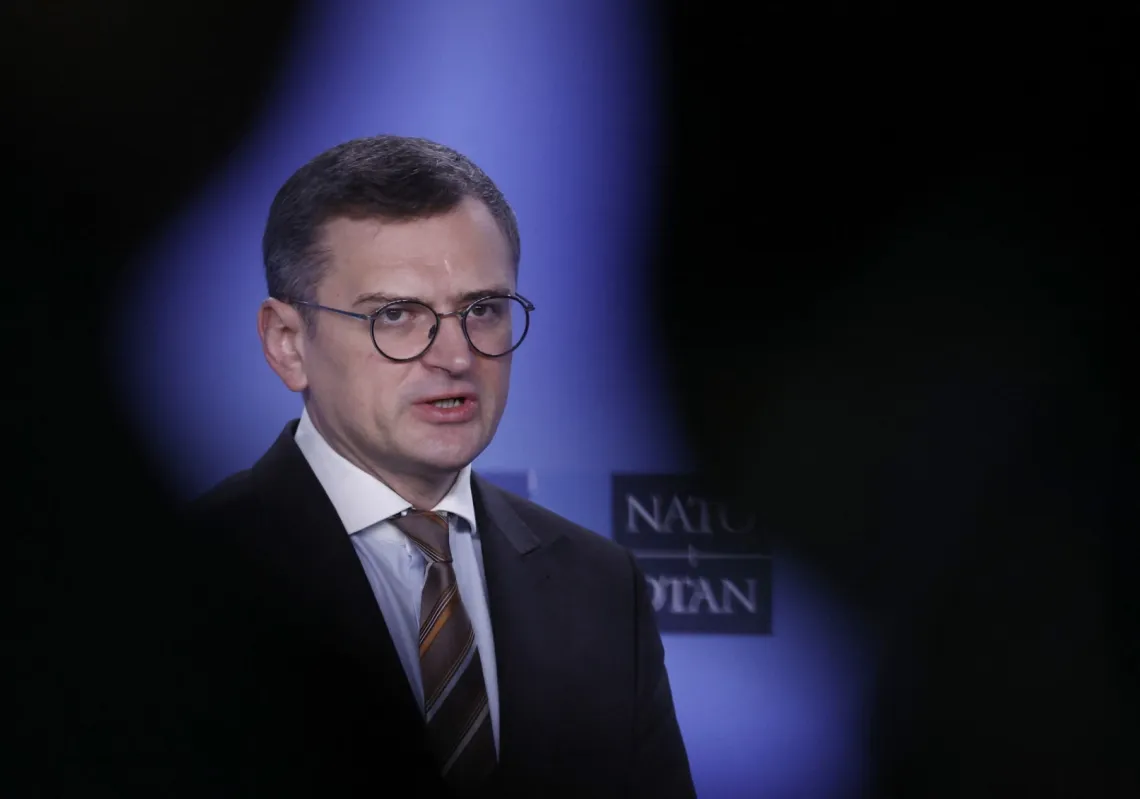
Ukraine's former foreign minister is pragmatic about the war, peace talks, Kyiv's opponent, Washington, the Chinese, and the Gulf. His thoughts are a fascinating insight into Europe's biggest battle