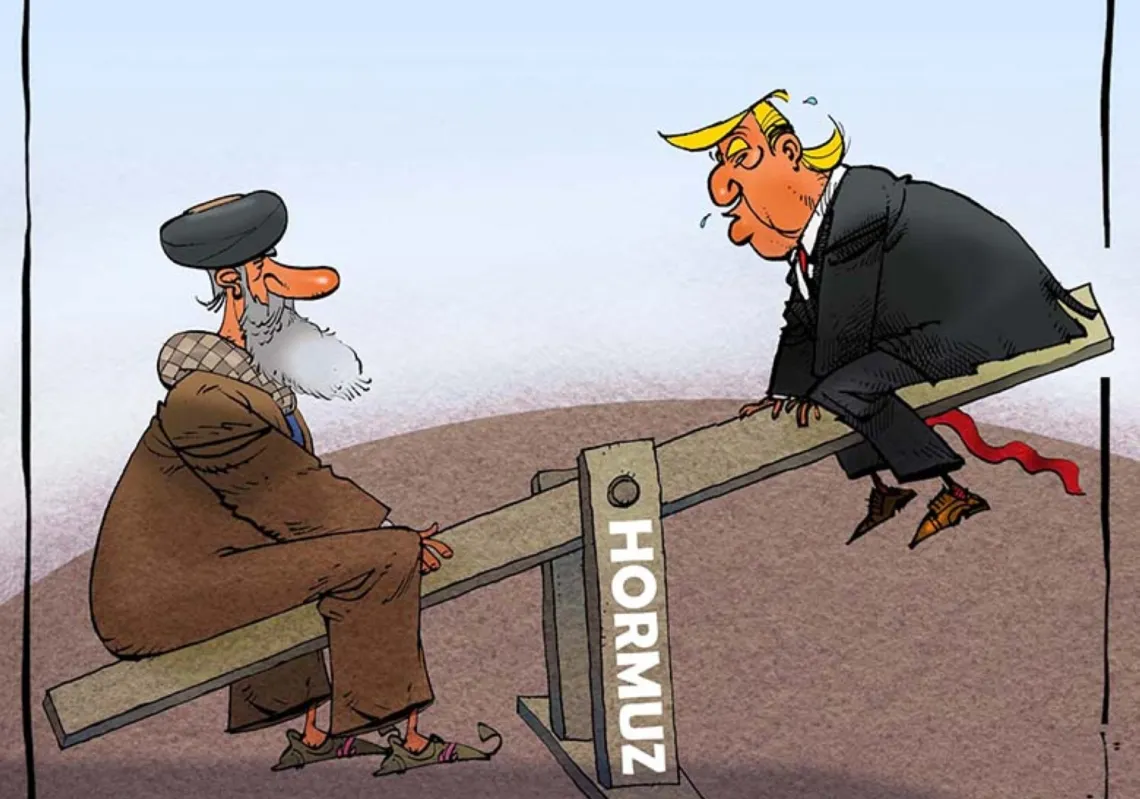

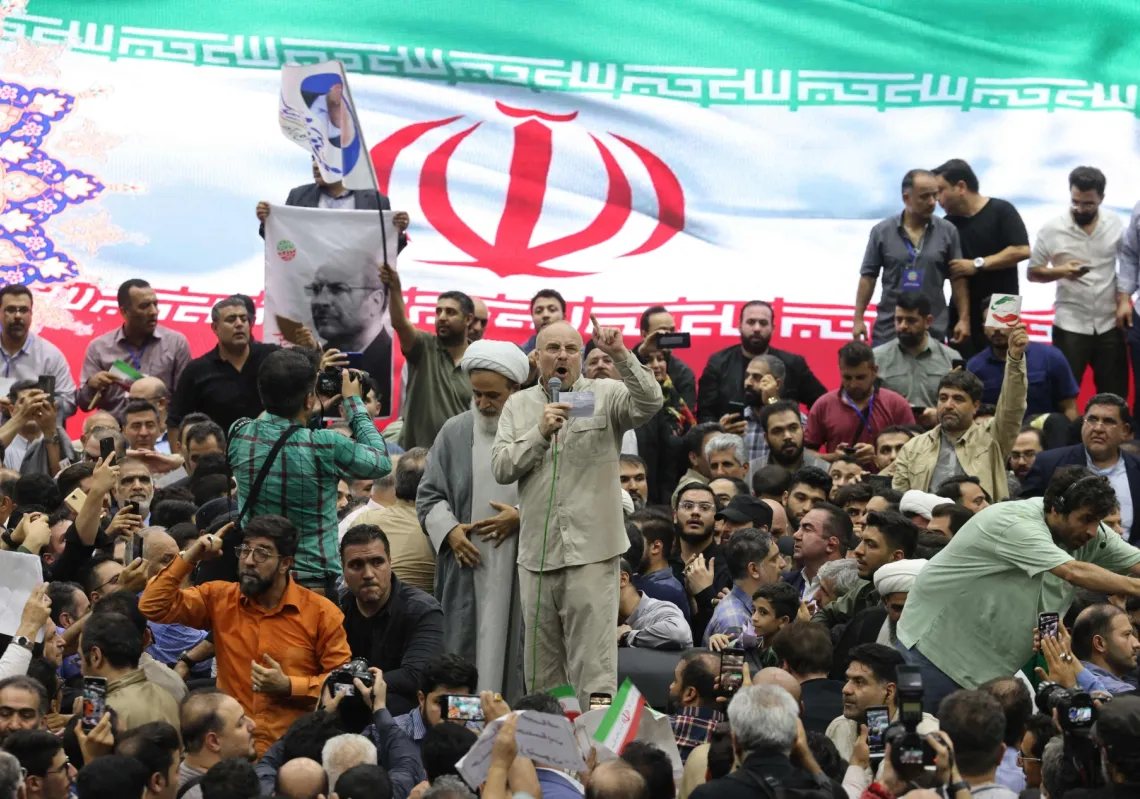
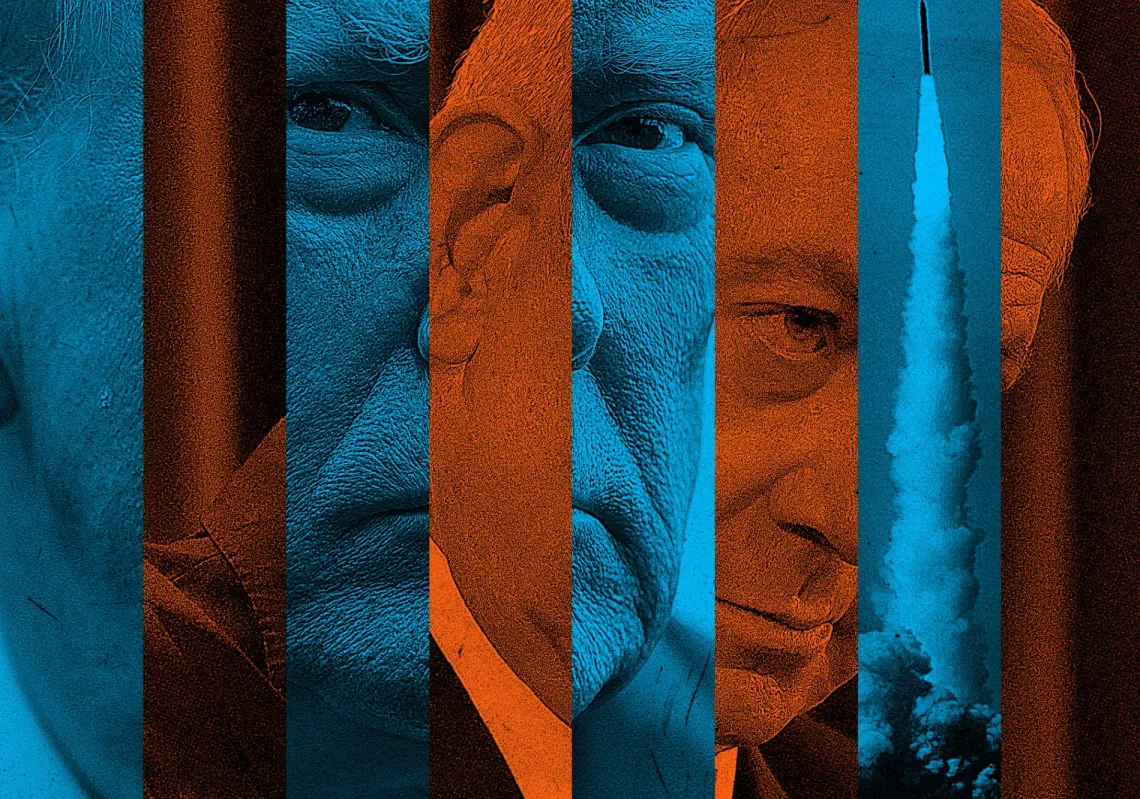
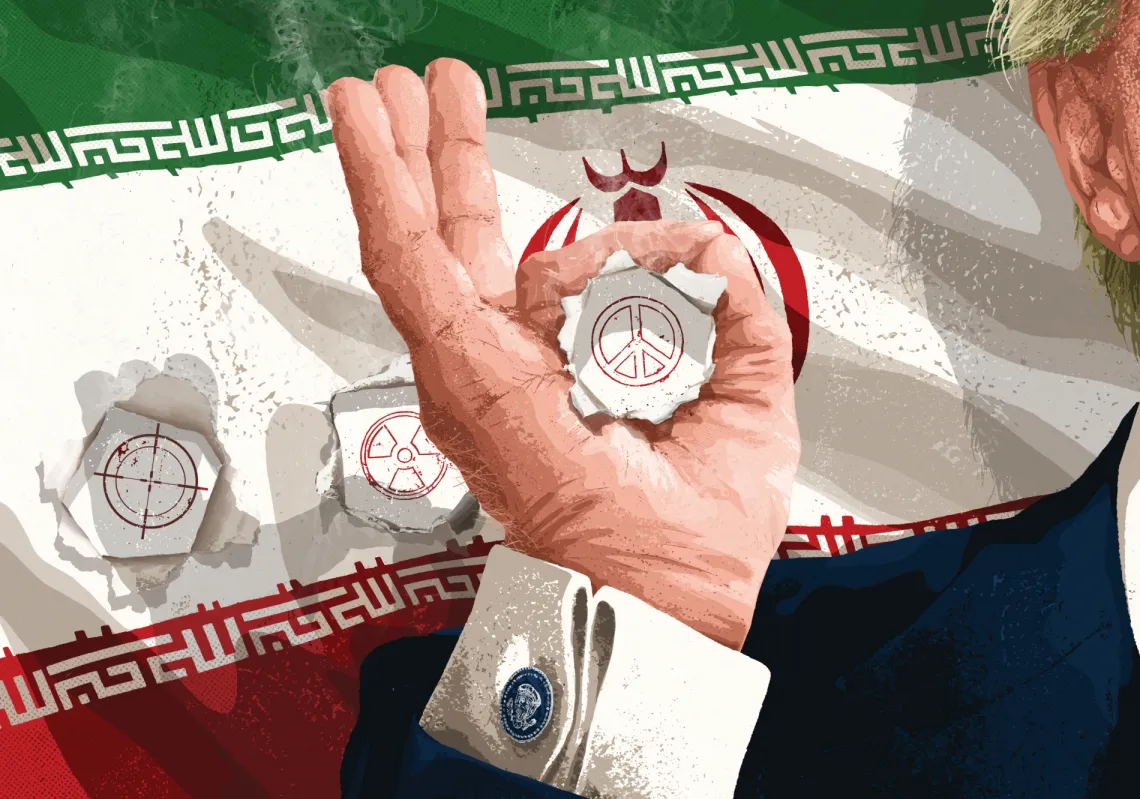
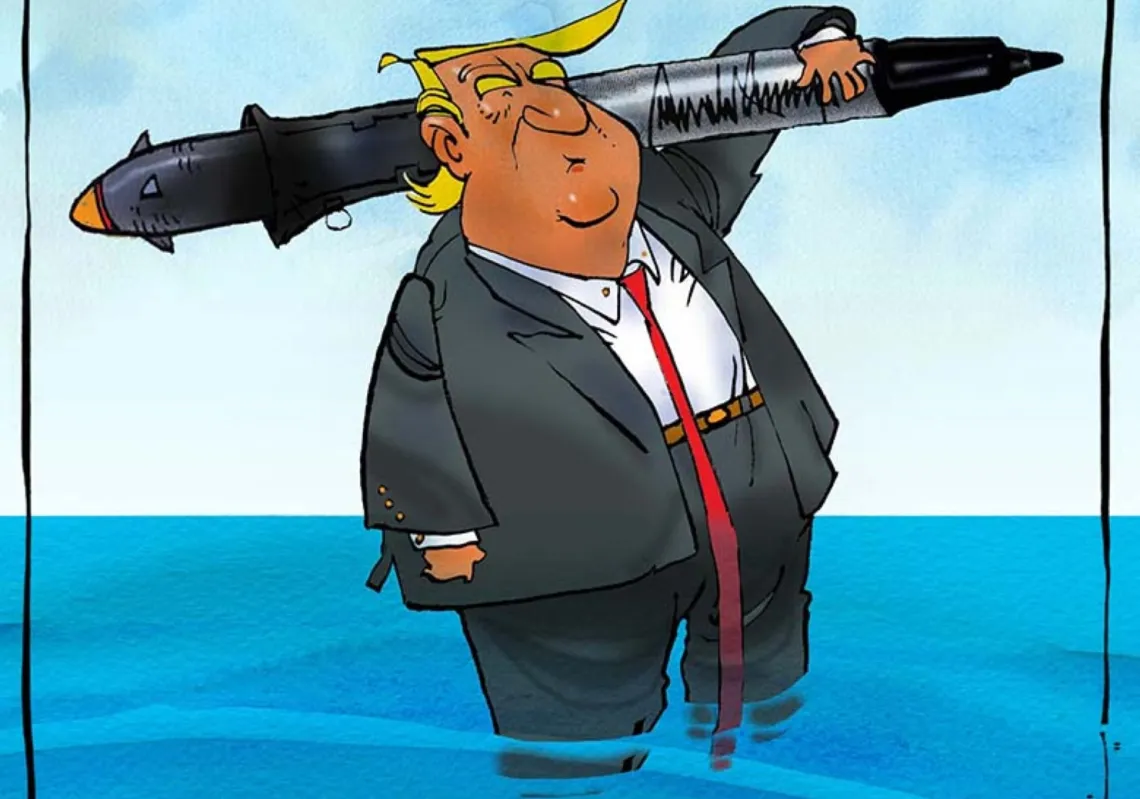



The Strait of Hormuz is now poised to become the primary arena of confrontation, with Iran relying on speedboat-driven guerrilla warfare to confront the US navy.
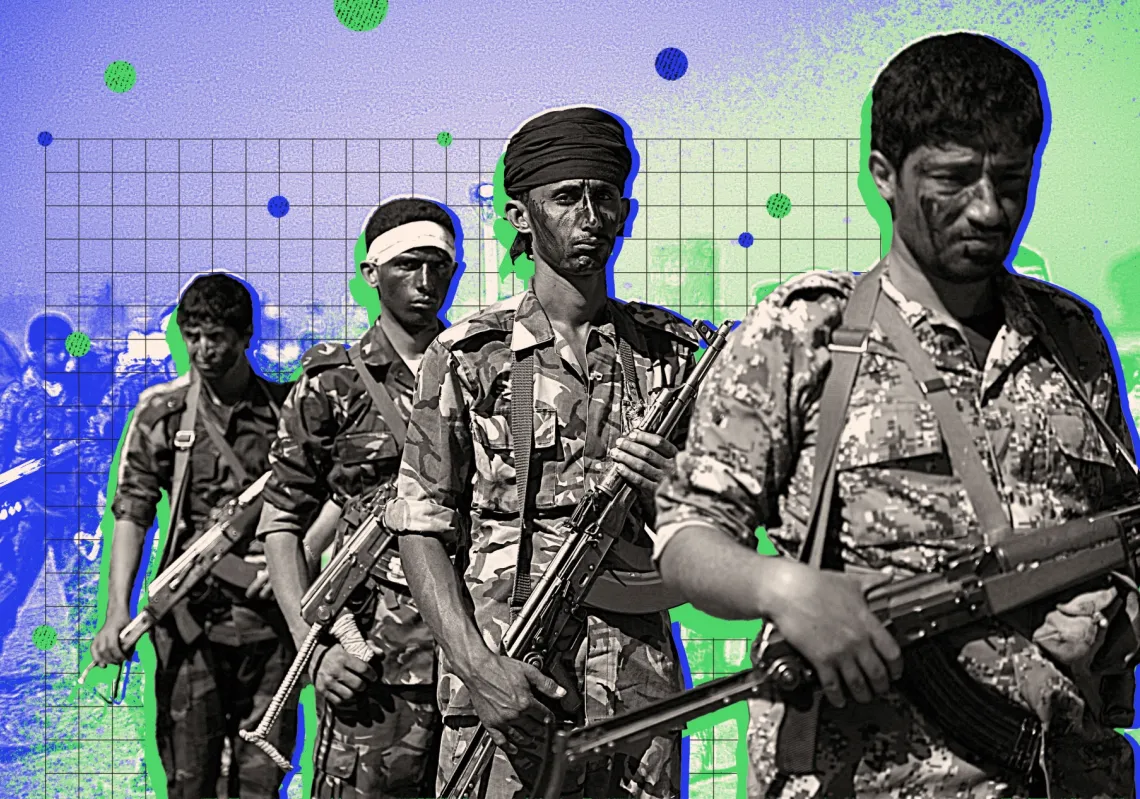
Former regime soldiers are stuck in limbo, as their undocumented status prevents them from working, travelling, and curbs family members' access to education, healthcare and social services
The standoff in the Hormuz is not simply a question of whether Tehran can survive economic pressure, but whether Washington can sustain the pressure at an acceptable cost.
Largely forgotten by history, leaders in Beirut and Tel Aviv shook hands on a plan for normal bilateral relations 43 years ago, after yet another Israeli occupation of southern Lebanon.
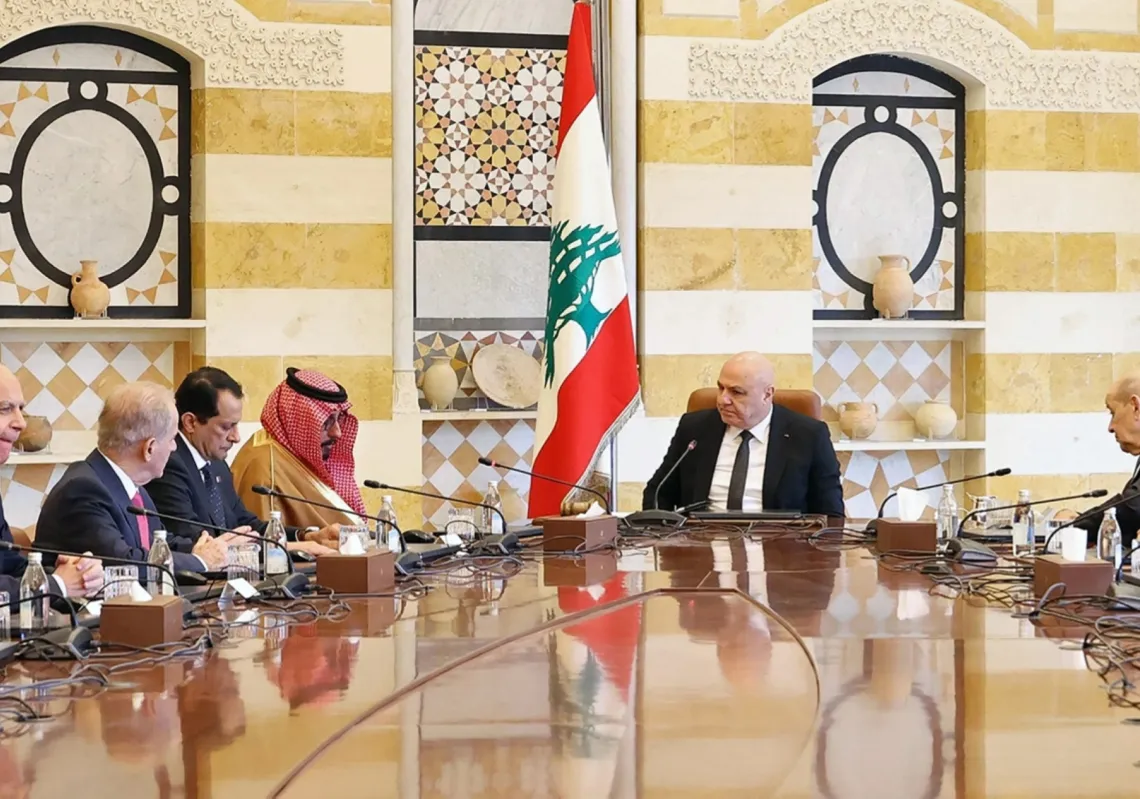
The initiative runs alongside an agreed budget and political discussions on power-sharing facilitated by an American envoy, but Washington is concerned about the presence of foreign fighters
Photos of Israeli soldiers cooking, celebrating, and looting inside homes in Gaza and southern Lebanon reveal how the occupied home is treated as a natural right
Shaibani held several calls with the Mossad chief days before the strike, explaining why the airport's runway was being rehabilitated and that it had no hostile intentions, but Israel bombed it anyway
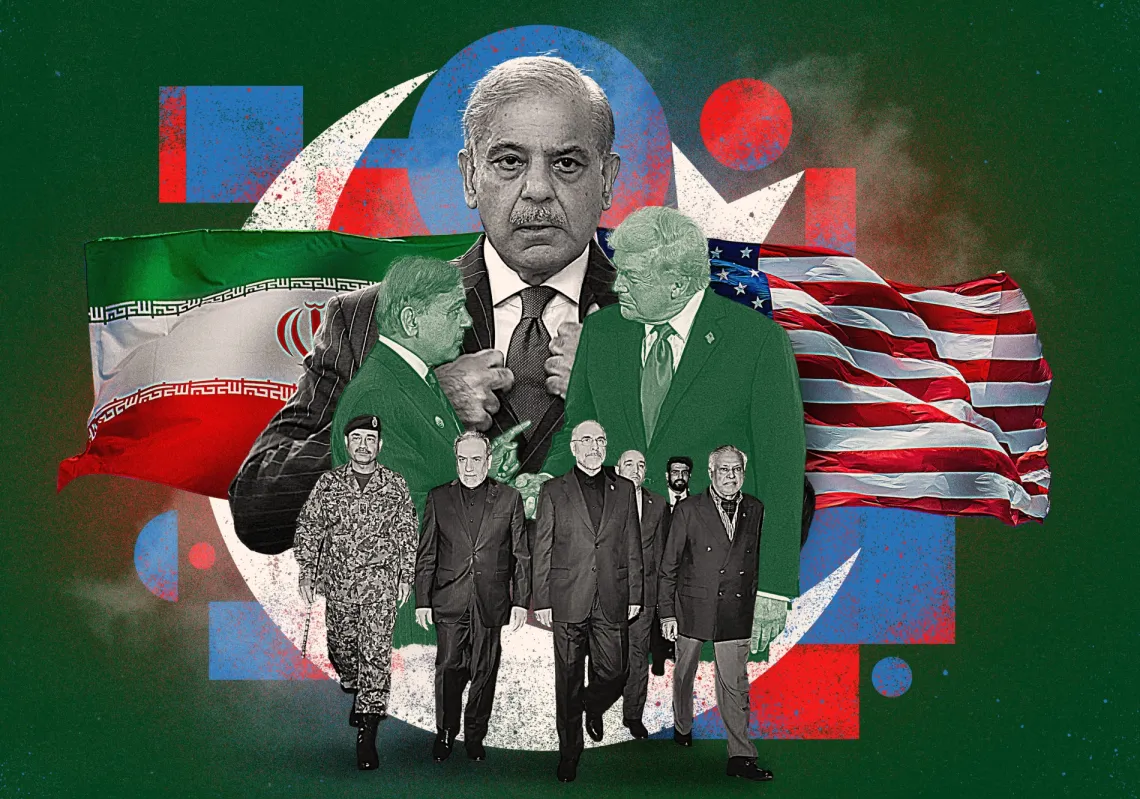
Ambassador Asim Iftikhar Ahmad speaks to Al Majalla about Islamabad's diplomatic role in the talks between the US and Iran, its balancing act between Tehran and Riyadh and the Mecca Pact
From Apple's chips to Nvidia's data centres, Israeli tech has embedded itself in the global tech ecosystem. This comes with grave national security implications.
Balancing the competing interests of regional and global stakeholders is no easy task. Can the president keep Syria from becoming an arena for regional conflict?