

In an interview with Al Majalla, the author recounts the hardships and struggles of female artists in Cairo's theatres, cabarets, and nightclubs during the city's very own Roaring Twenties
A serious game plan to advance a two-state solution with unified support from the US and its regional partners would help turn the tide against Iran and those who support it.
The revival of a long-shelved plan highlights Egypt's ambition for a secure, low-carbon source of power also capable of driving development and growth.
Where once Middle Eastern states took little interest in this war-torn Arabic-speaking state on the Horn of Africa, today it is a key arena for Middle Eastern foreign policy and, at times, competition
Israel's war on Gaza will either send the region spiralling into an intractable war or can be a turning point for a better future for all. Saudi Arabia can play a key role in achieving the latter.
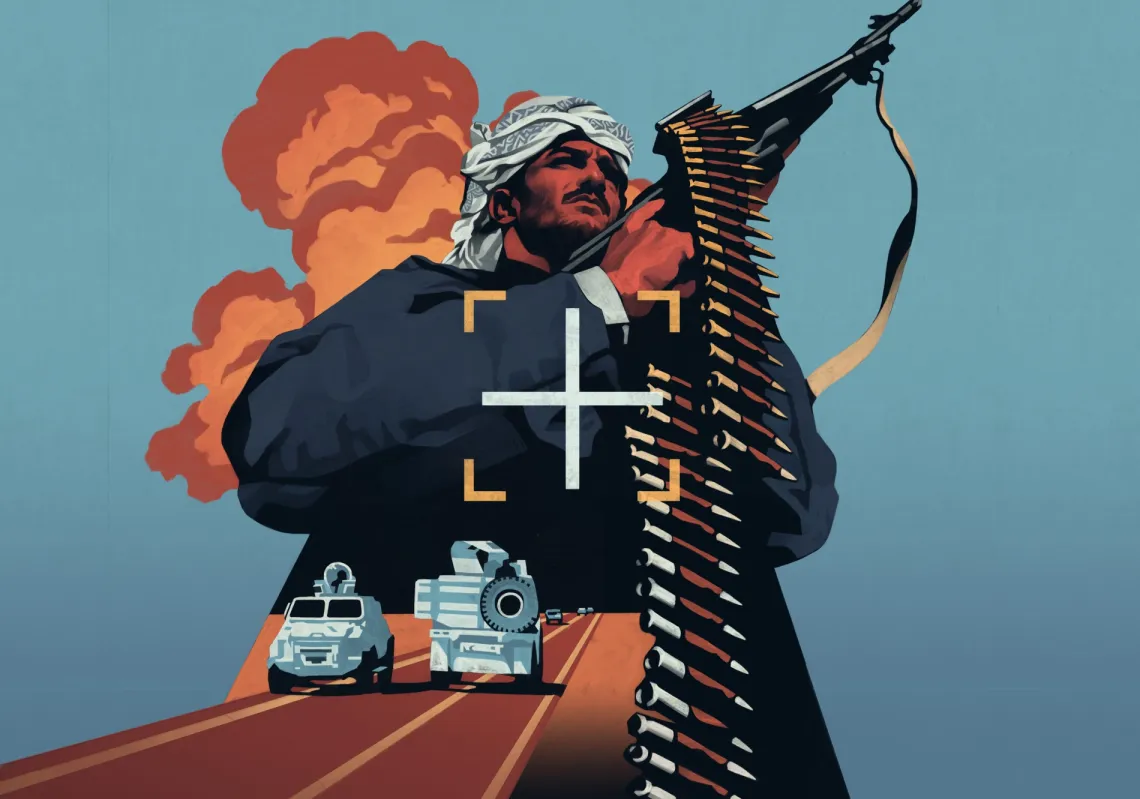
A huge belt of land dividing the dry Sahara from the tropical savannah has become a playground for mercenaries. An absence of state security, poverty, and a lack of education create the perfect storm.
Disruption in the Hormuz can have major implications for global trade, but it also creates opportunities for smaller nations like Iran to become global political players
The Iraq war was viewed as disastrous in retrospect, while the Iran war was unpopular from the get-go. Al Majalla highlights the similarities and differences between the two.
Pipelines have a chequered history in the Middle East, but the closure of the Strait of Hormuz has led US Tom Barrack to conclude that a new route through Syria could solve some problems.
