

In 2002, the CIA informed Iraqi Kurds of its plan for regime change. In part 1 of a 7-part series, Al Majalla publishes first-hand accounts of the conversations that would change the Middle East.
Ageing structures, war, the port explosion, and severe weather are all factors that contributed to building decay in Lebanon. But there is no plan for alternative housing should a perfect storm hit.
Regional and international factors create conducive conditions for ending the decades-long conflict between Baku and Yerevan. Al Majalla explains why, this time, it's different.
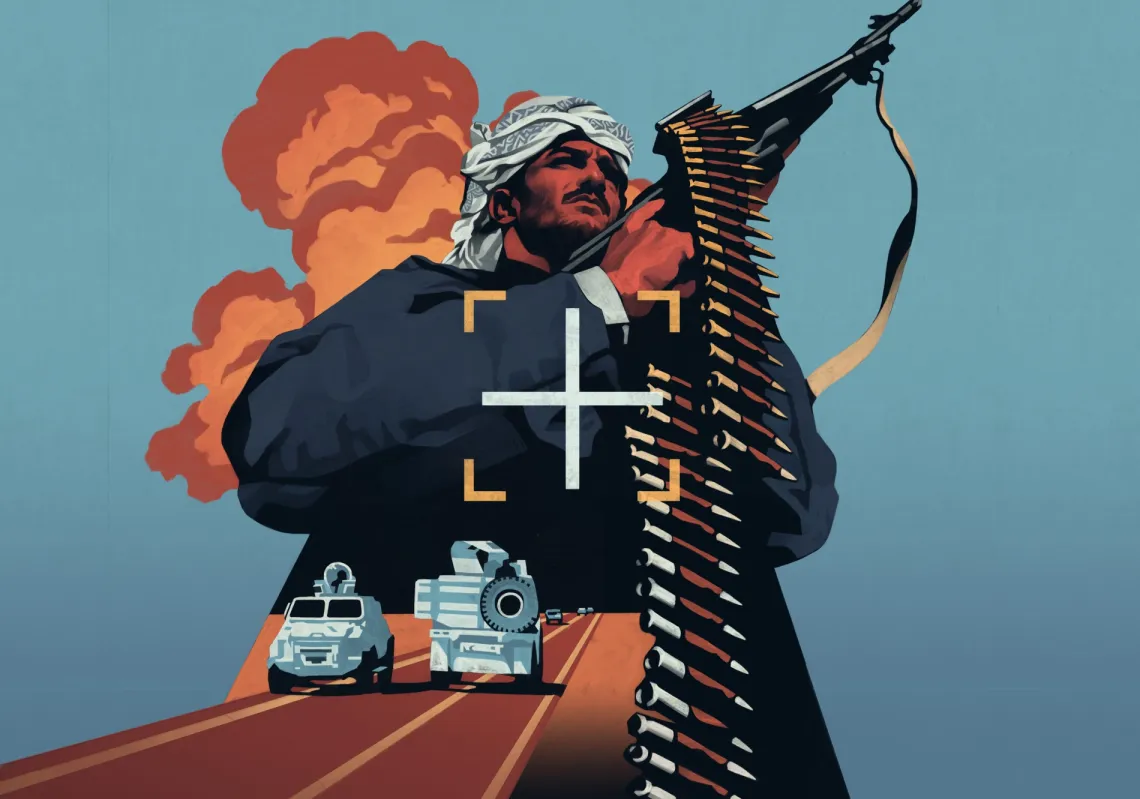
Damascus and Tehran wanted invading US troops to get stuck in a 'new Vietnam' and set up an operations room headed by their top lieutenants to cause havoc, never-before-published documents show.
The pursuit of international legal avenues to hold Israel accountable for its crimes must continue, and Palestinians need to unite behind a shared vision for the future
After the US invasion in 2003 toppled Saddam, Shiite clerics in Najaf helped the country get back on its feet. Its views are still sought, shaping the direction of Iraq today.
Cairo is wooing states in the Nile Basin and Horn of Africa using its defence industry and security expertise to counter geopolitical worries over the Red Sea and the Suez Canal
The recently implemented CAA law grants Indian citizenship to certain non-Muslims. Critics decry it as yet another step towards fascism in the world's largest democracy.
The British Royal Air Force carried out the first wartime airdrops during World War I in Iraq. Since then, airdrops have become more sophisticated and have been used in many conflicts.
Disruption in the Hormuz can have major implications for global trade, but it also creates opportunities for smaller nations like Iran to become global political players
The Iraq war was viewed as disastrous in retrospect, while the Iran war was unpopular from the get-go. Al Majalla highlights the similarities and differences between the two.
Pipelines have a chequered history in the Middle East, but the closure of the Strait of Hormuz has led US Tom Barrack to conclude that a new route through Syria could solve some problems.
