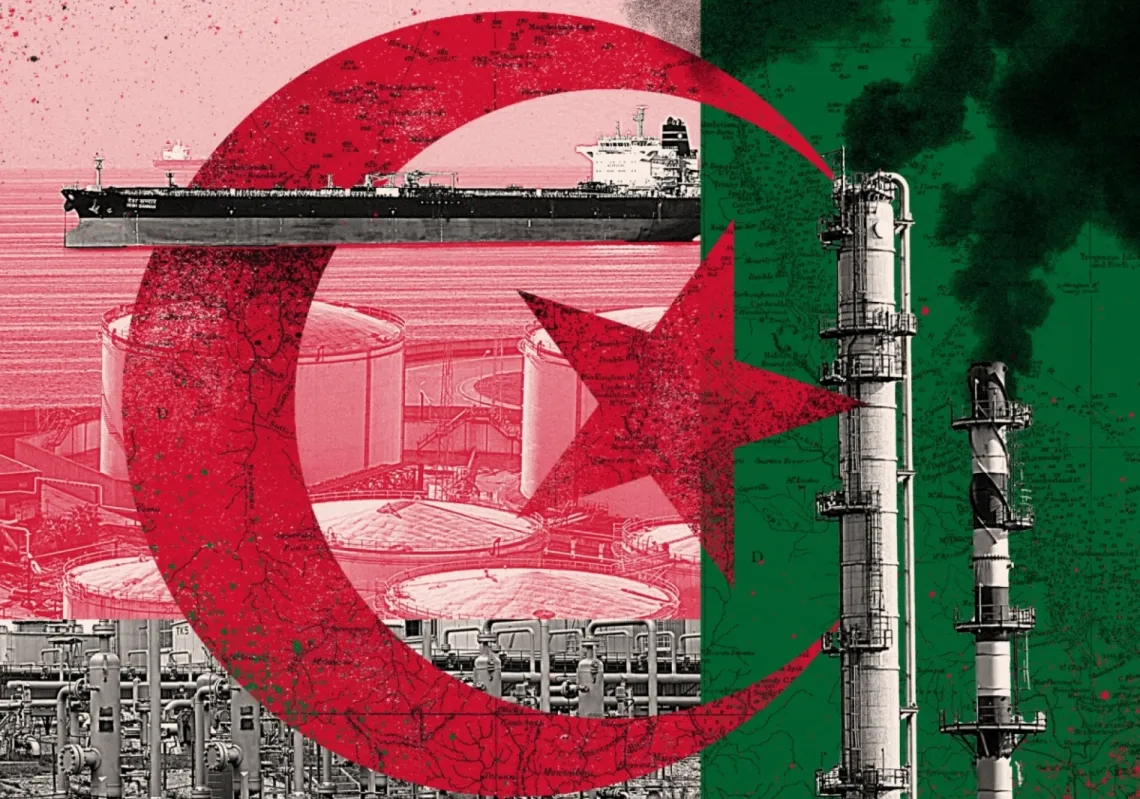



The north African nation wonders if it might step in, as war in the Middle East halts shipments of liquefied natural gas and leaves importing nations looking for alternatives.
When states are attacked, authority gravitates towards institutions capable of mobilising resources, enforcing discipline, and coordinating a military response
European gas prices have jumped by 30% after some big GCC oil and gas producers cut supplies, and now a vital maritime trade route is being threatened. The stakes have seldom been higher.
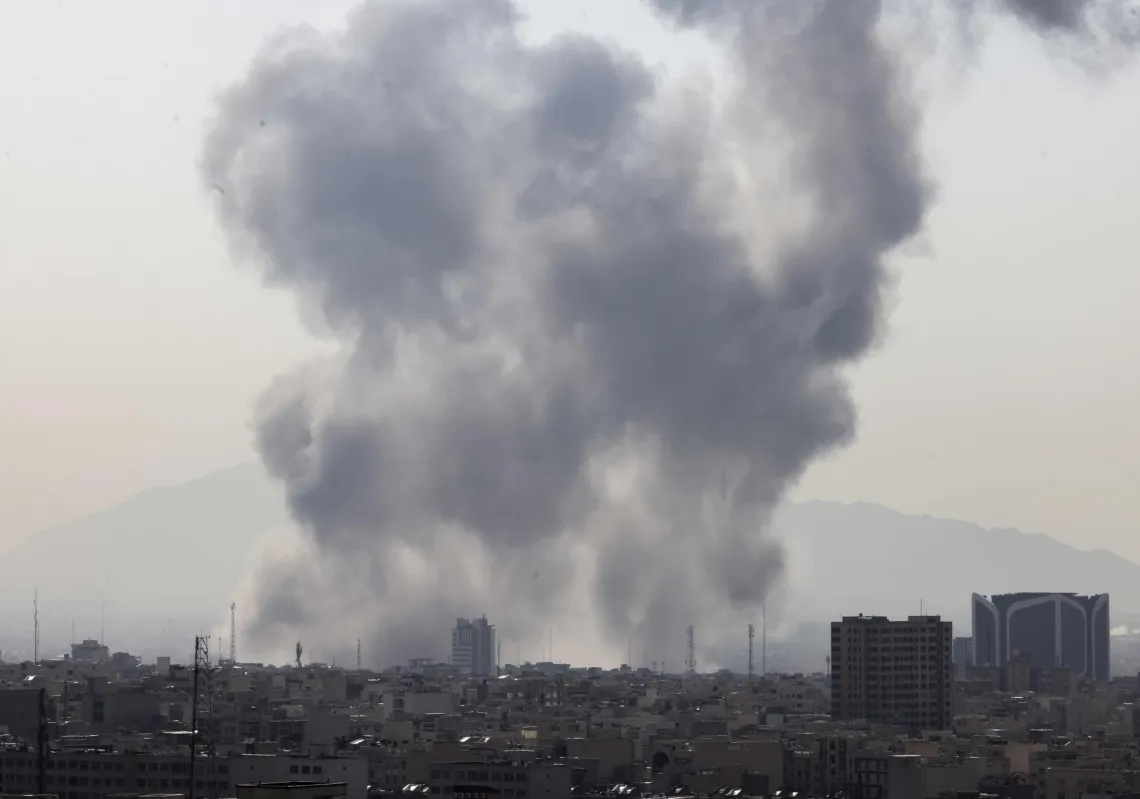
Military strategists have long warned that war should be waged only if those waging it know what they want to achieve. Herein lies a problem: Washington's war aims in Iran are incoherent.
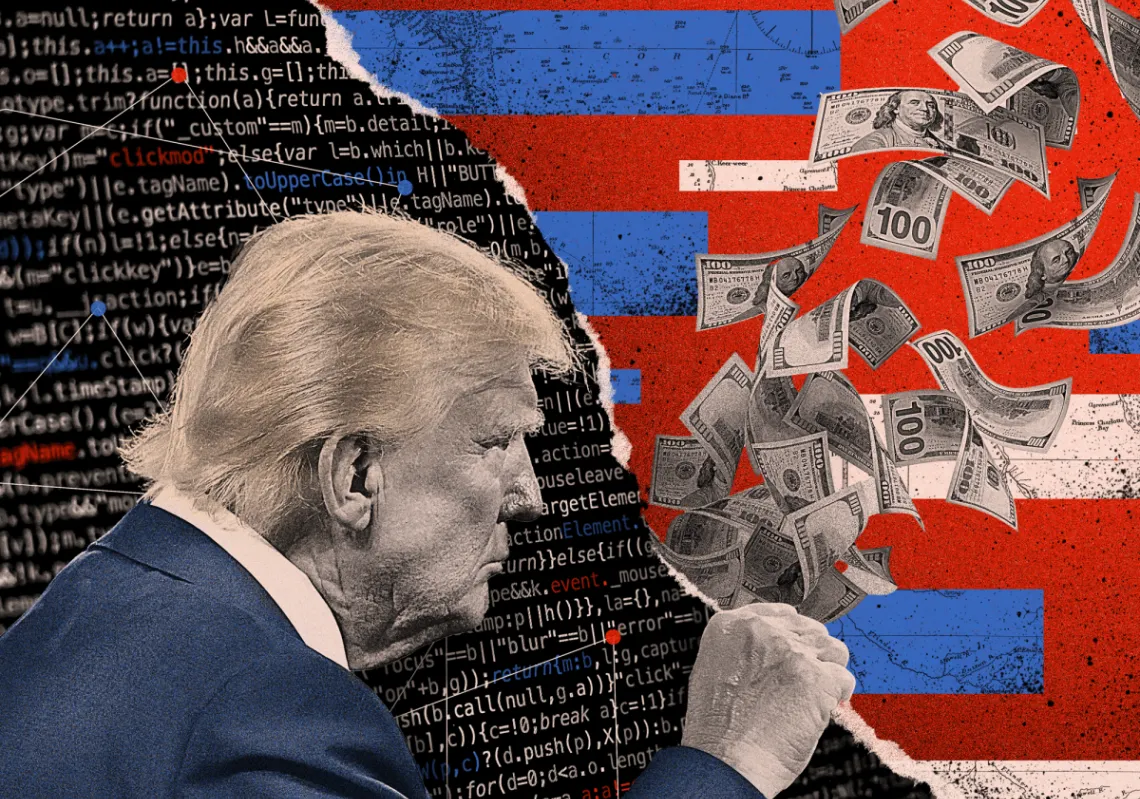
Quick, in-and-out precision operations that inflict maximum damage with minimum US casualties have long been a favoured tool of US presidents. Is Trump planning one for Iran?
A drop in the price of crude these days is nowhere near as painful as it used to be, because most of the Gulf Cooperation Council states have diversified away from hydrocarbons
Many of the big regional energy producers retain strong credit ratings as they boost their borrowing. How the money is spent will determine the wisdom of each approach.
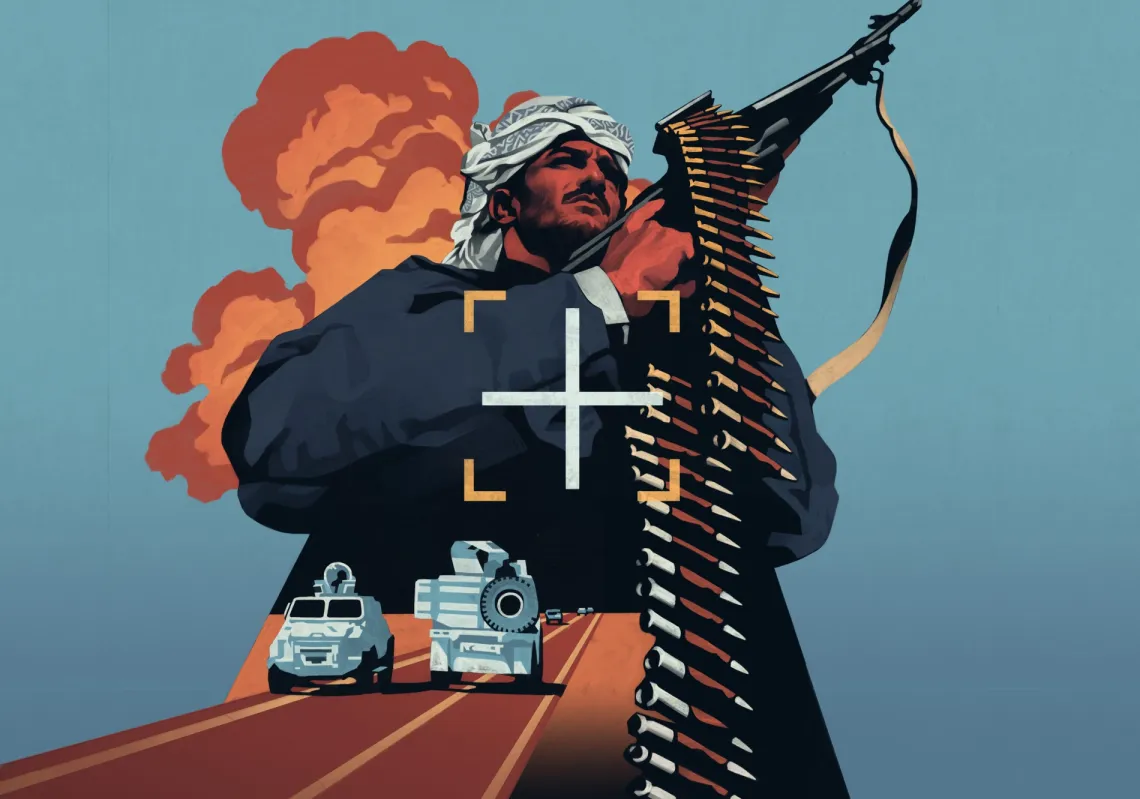
In this week's cover story, Al Majalla examines the military balance of power on the ground, the networks through which the Houthis obtain weapons, and the foreign support they receive
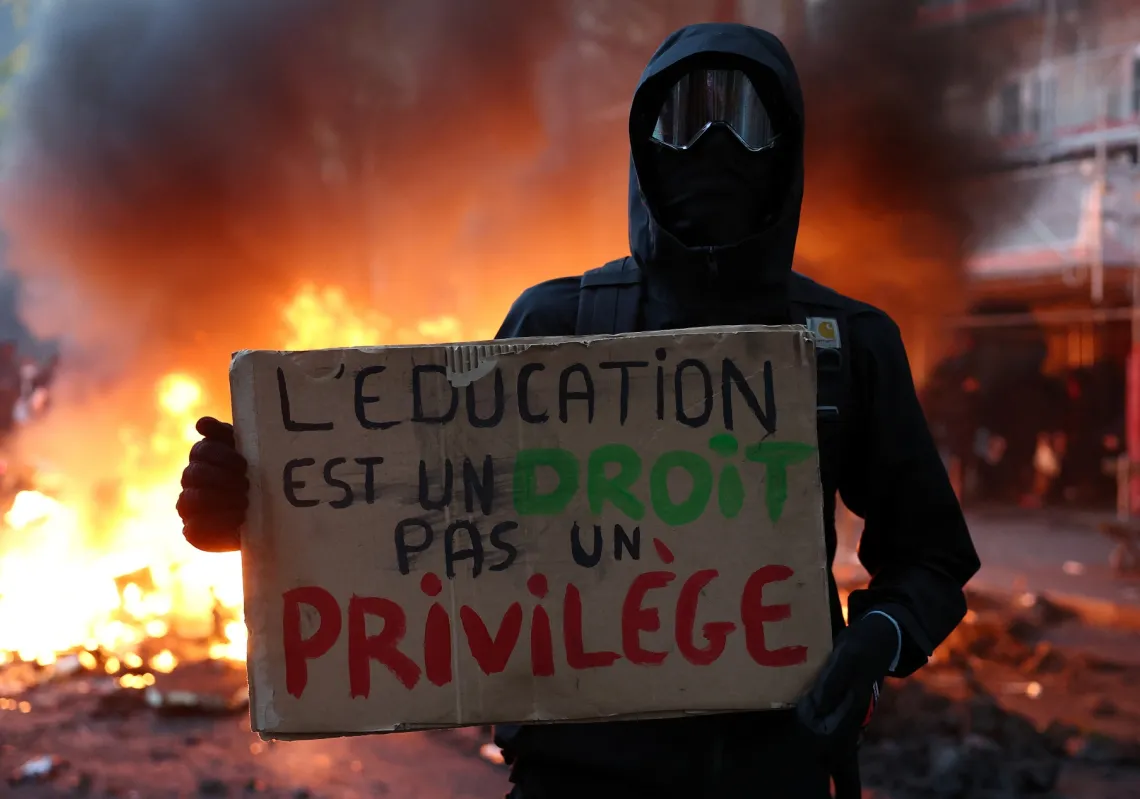
Education reform is at the heart of the demonstrations shaking Paris and beyond, with thousands already arrested, but the government's ability to meet learners' demands is limited
As YouTube star Accurso's influence grew, she transitioned from educator to child advocate. But it only became 'controversial' when she spoke up for Palestinian kids
From Gaza to Egypt, Lebanon, Morocco, Jordan, Iraq, and Algeria, this year's Arab Oscar submissions explore stories of conflict, displacement, memory, and survival