The Democrat can point to achievements in office, including success on jobs and inflation. Inward investment is up and Chinese imports are down, but will any of that matter at the ballot box?
Beijing reacted with war exercises to Taiwan's new pro-independence president. China is adamant that Taiwan must be reunified, Washington is adamant that it is independent. Is this the next war?
The very public disagreements between Washington and Tel Aviv over Gaza in recent weeks are both rare and telling, yet this transatlantic alliance has weathered far more severe storms
Israel fears that such action—if taken in Washington—could then be taken by other Israeli allies, whether against Netzah Yehuda or any other military unit
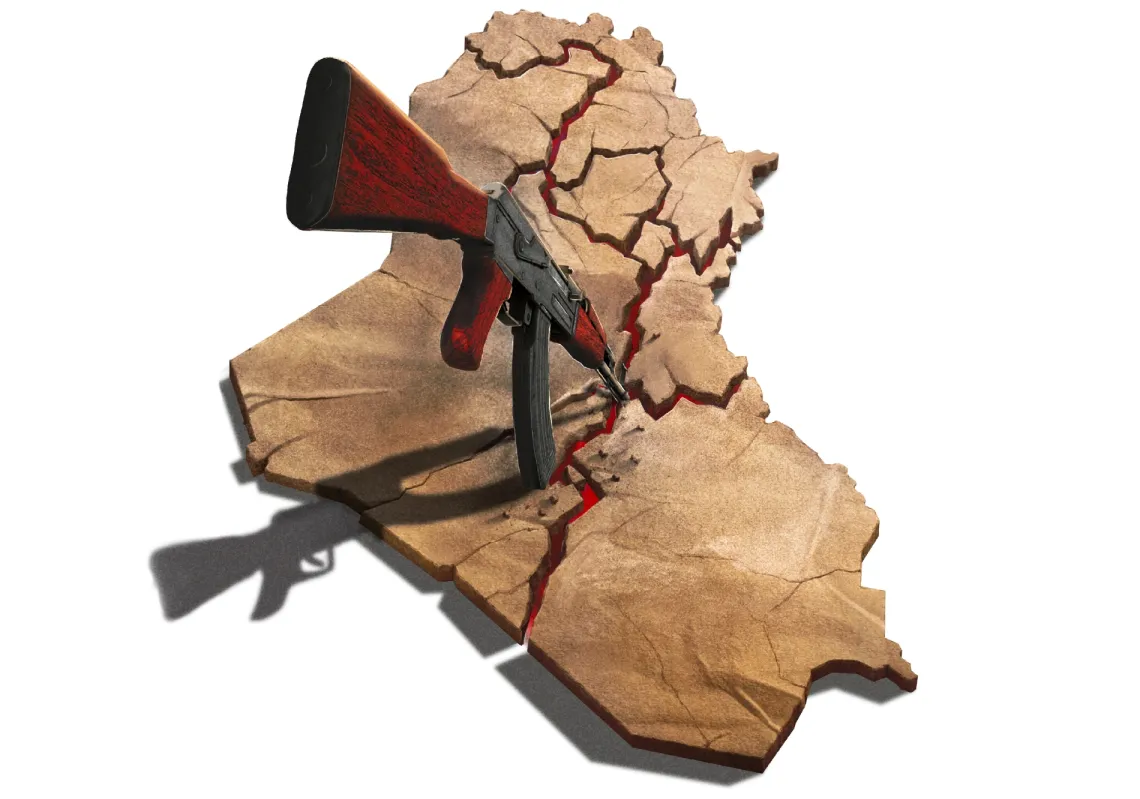
The Iraqi PM and Joe Biden stuck to the script, emphasising economic opportunities. No one mentioned US troop withdrawal, but Baghdad's tense relations with Iraqi Kurds did come up.
Six months of war have led to huge swings in public opinion and growing criticism of Israel from US leaders, which would have been unthinkable in the past. Have things changed?
The Saudis have outlined their conditions for a true and binding pact. Such a pact is highly unlikely, not least because of the current US political atmosphere and the issue of US-Saudi mistrust.
Plastic bottles contribute a quarter of the pollution affecting seas and oceans. The biggest two companies are trying to out 'green' each other, but doubts are being cast over their recycling plans.
The American CIA director's visit looks to be a desperate attempt by the Trump administration to avert a doomsday scenario in which NATO is pulled into a larger war with Russia
Al Majalla looks at the former army general's career, political positions, possible paths to victory, and what a change in leadership could mean for Israel and the region after three years of war
As social media transforms how people seek medical advice, figures such as Barbara O'Neill offer something conventional medicine rarely can: absolute certainty
The Iran war exposed the risks of being too closely tied to US military posture, which is why some Gulf states are repositioning themselves not merely as consumers of security but as architects of it