In part 4 of a 7-part series, Al Majalla sheds light on a meeting between Rafic Hariri and George W. Bush. The Lebanese PM left with an understanding as to Saddam's fate and with a message for Iran.
Before it invaded Iraq in 2003, the US was trying to reassure Iran that it would not be targeted next. In part 3 of a 7-part series, Al Majalla publishes private discussions held in Damascus.
The Kurdish leader was party to secret talks with the Americans in the run-up to the US invasion of Iraq. In part 2 of a 7-part series, Al Majalla reveals for the first time what he told the Syrians.
In 2002, the CIA informed Iraqi Kurds of its plan for regime change. In part 1 of a 7-part series, Al Majalla publishes first-hand accounts of the conversations that would change the Middle East.
Damascus and Tehran wanted invading US troops to get stuck in a 'new Vietnam' and set up an operations room headed by their top lieutenants to cause havoc, never-before-published documents show.
After the US invasion in 2003 toppled Saddam, Shiite clerics in Najaf helped the country get back on its feet. Its views are still sought, shaping the direction of Iraq today.
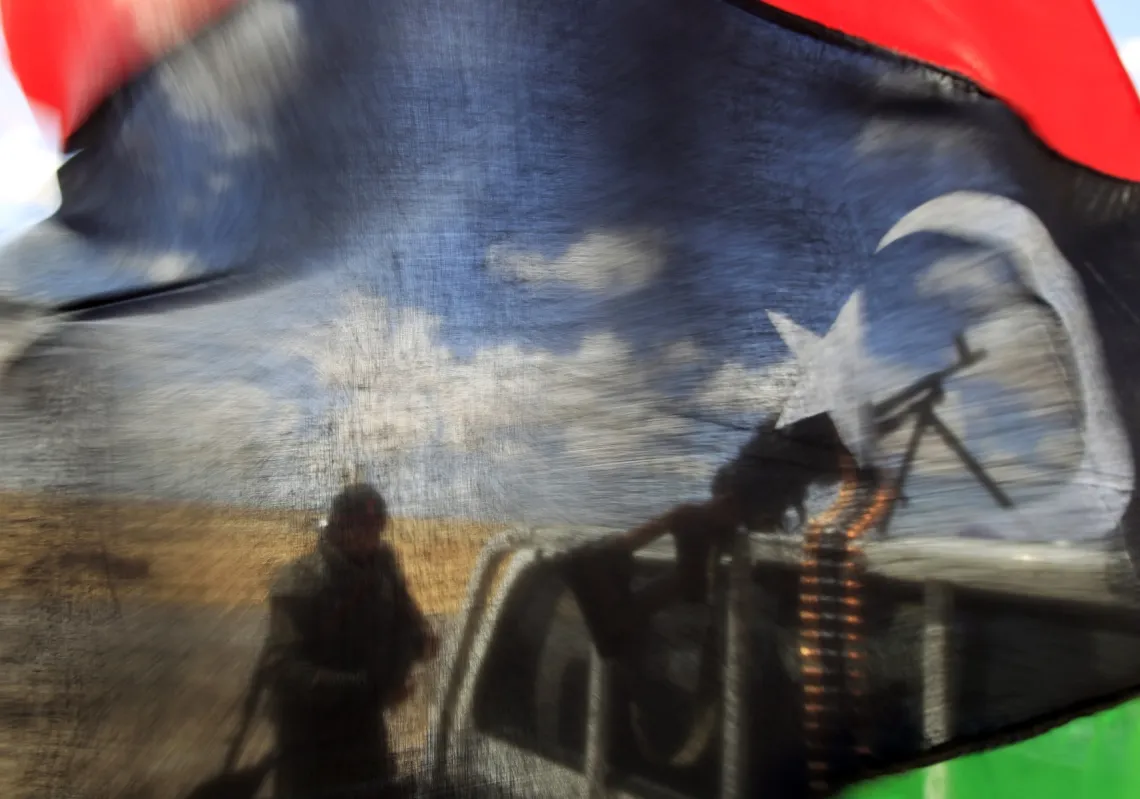
Armed groups have proliferated in the Iraqi security vacuum, in some cases supported by Iran. After three US soldiers were killed, the Americans have hit back. How will the militias react now?
Friday's drone attack on one of Iraq's largest gas fields has led to a temporary suspension of production, resulting in major power cuts across the country's northern Kurdistan region.
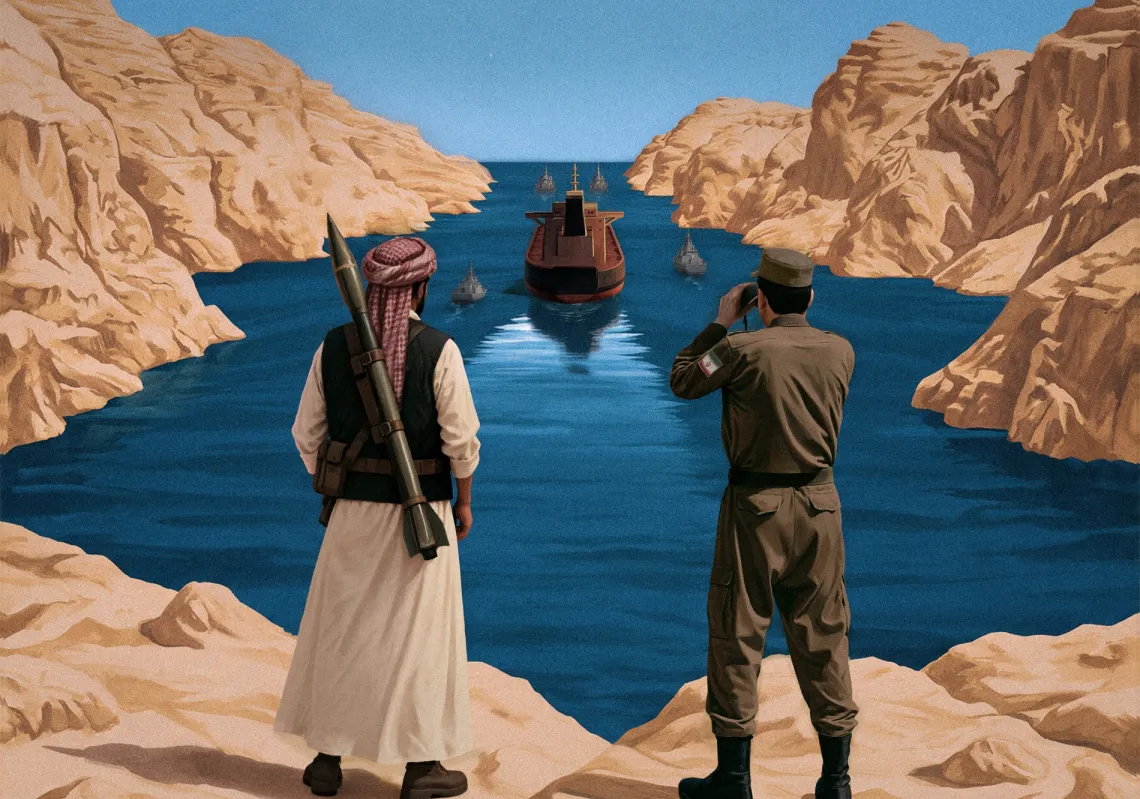
After nine Turkish soldiers were killed by the PKK in Iraq, there is a sombre and angry mood in Ankara. There are major political implications into local elections and over relations with the US.
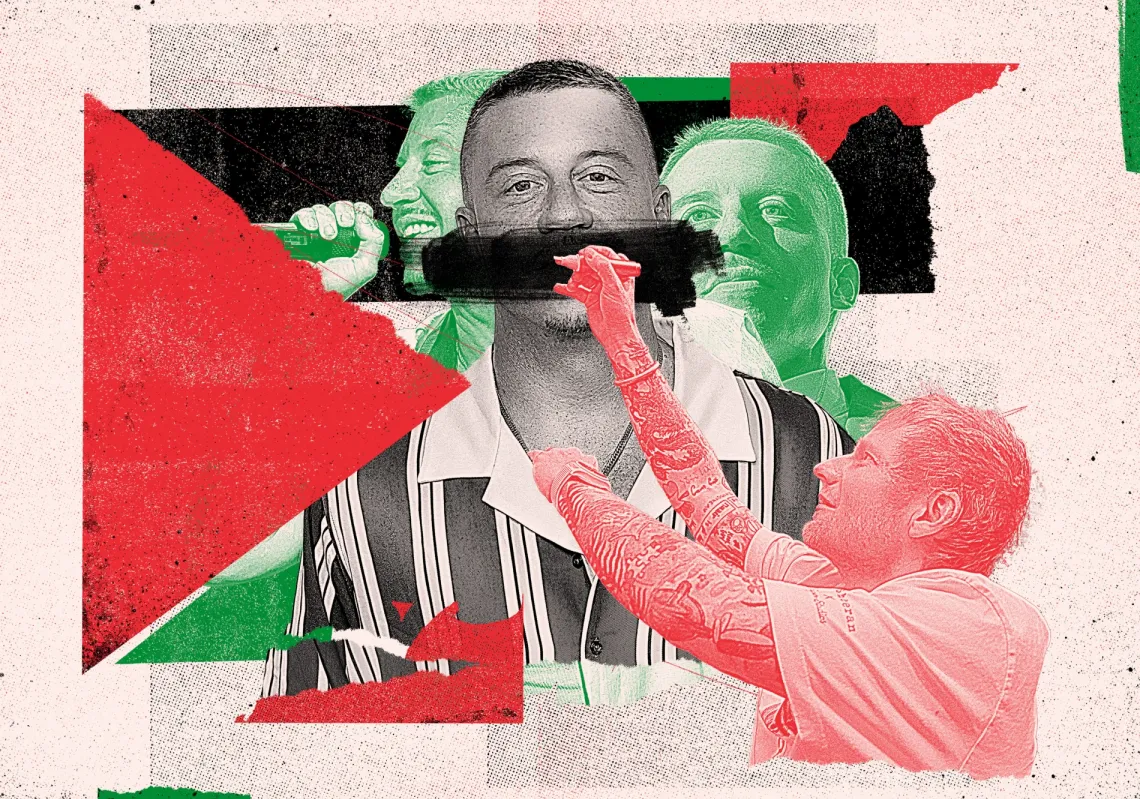
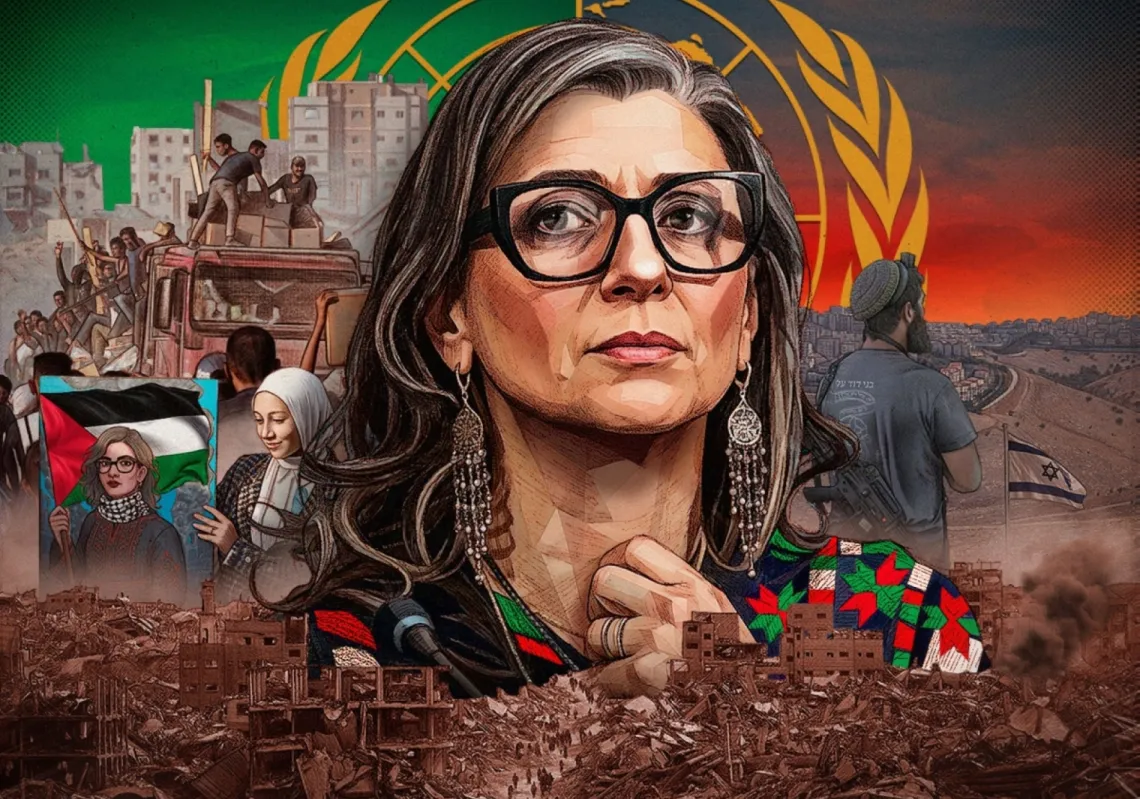
As support for Israel weakens across the US political spectrum, once-taboo questions about military aid, lobbying influence, and US backing are moving into the mainstream
Algeria is one of Africa's largest producers of hydrocarbons, and its proximity to customers in Europe makes it of growing interest as importers fret over a prolonged supply crisis from countries
Through extravagant processions led by palace women, the Mamluk state projected a message of power and prestige at home and abroad, turning the Hajj obligation into a soft-power tool