A pressure campaign by Washington to curb Tehran's influence over Baghdad seems to be yielding results, but any moves to disarm Iran-allied militias could stoke serious violence
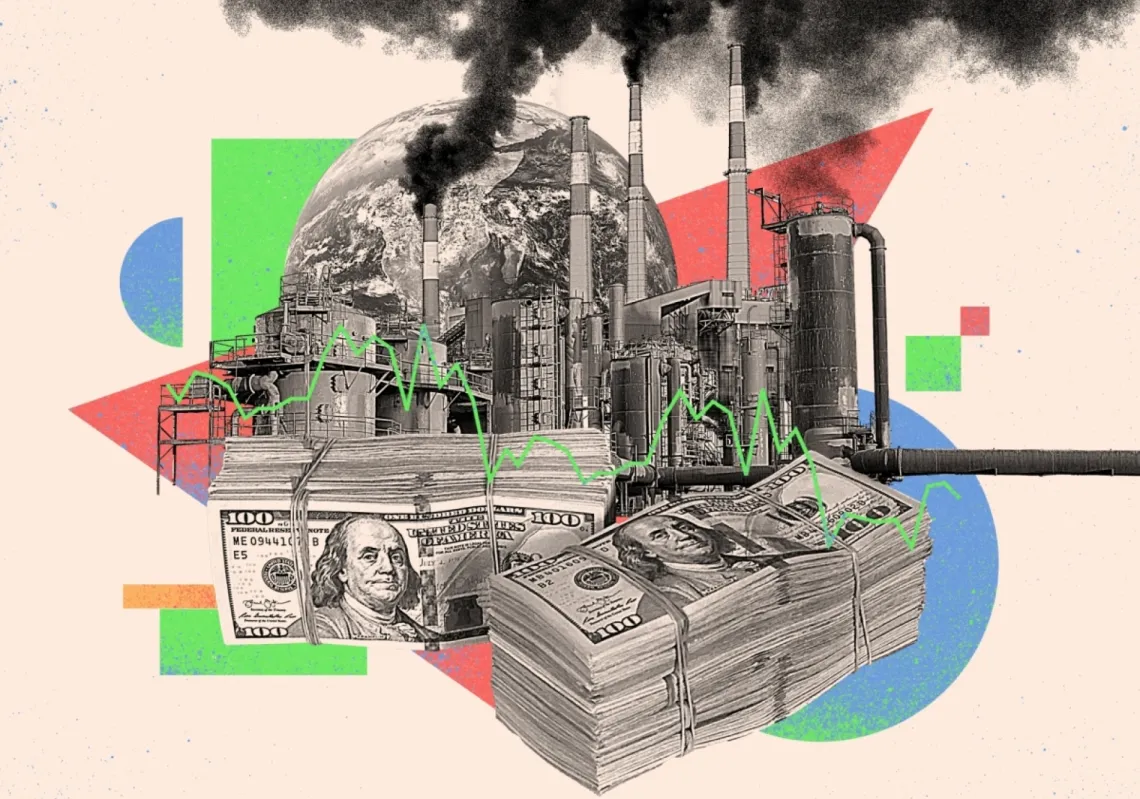
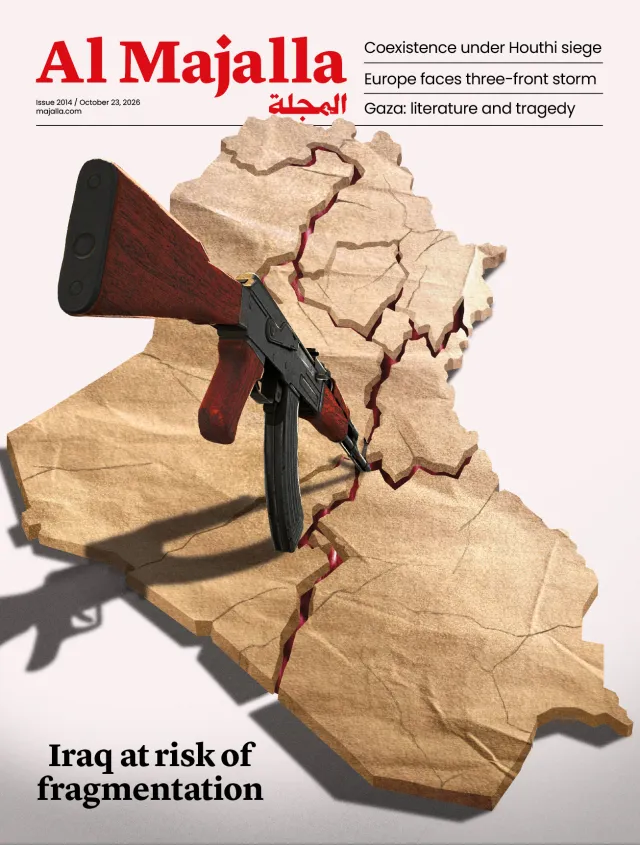
Washington's long-term strategy to unshackle Iraq from Iranian influence is yielding results. Having pulled a potent mix of financial and military levers, the militias have been eerily quiet of late.
It is no easy task to write about a wound that has yet to heal. In Nasiriyah and the Reed Hut, published by Al-Masar Publishing House, Ahmed Abdul Sattar reopens this wound
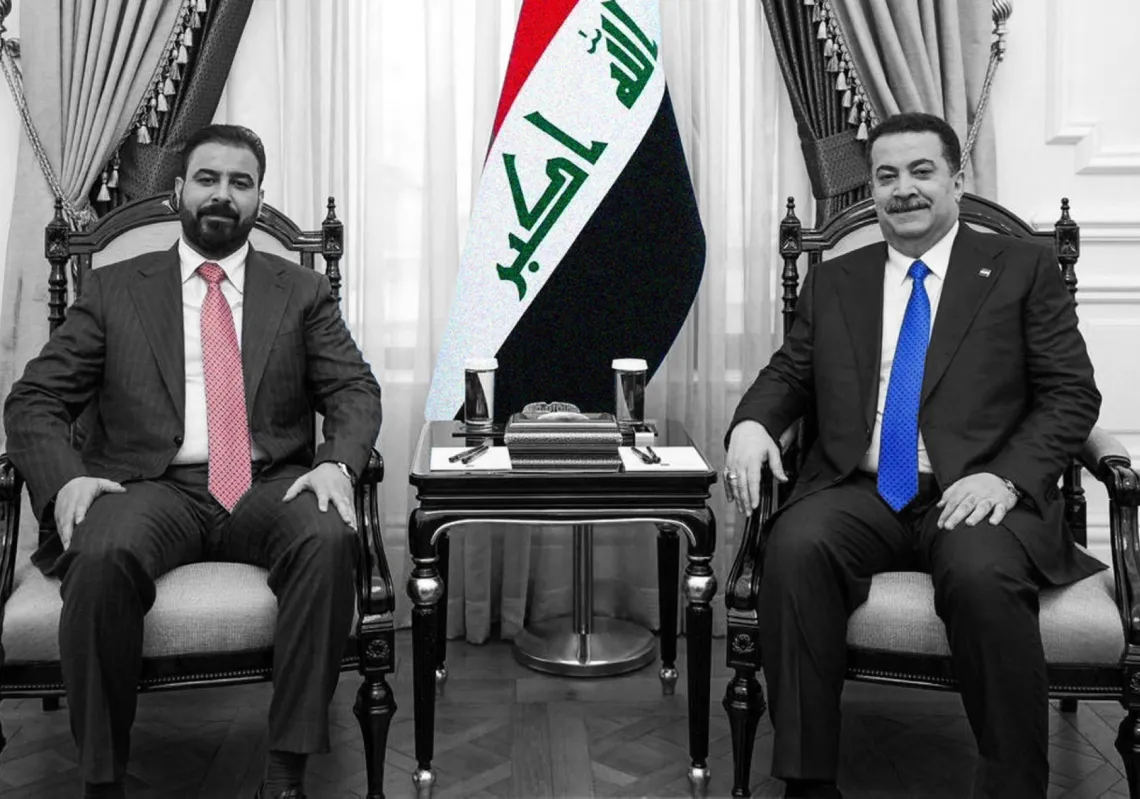
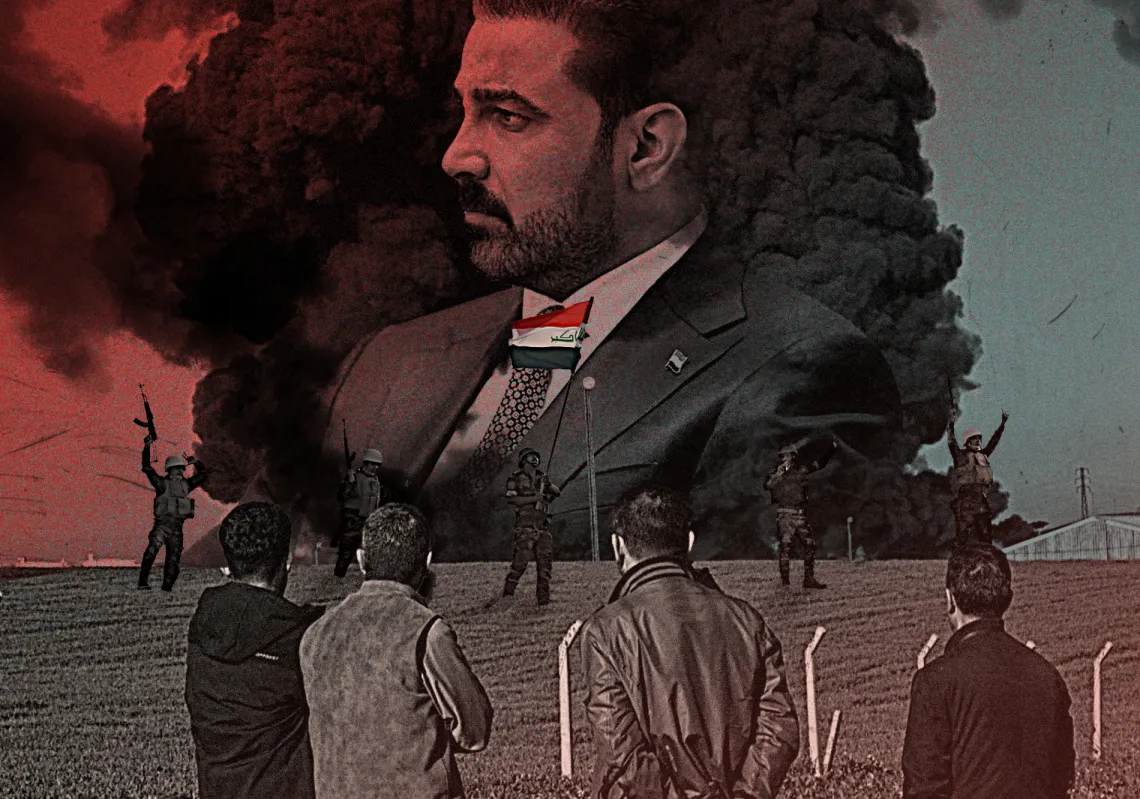
Intelligence chief and then prime minister, he left Iraq after threats and an assassination attempt from Iranian-backed militias. Now that he is back, he tells Al Majalla what he has planned.
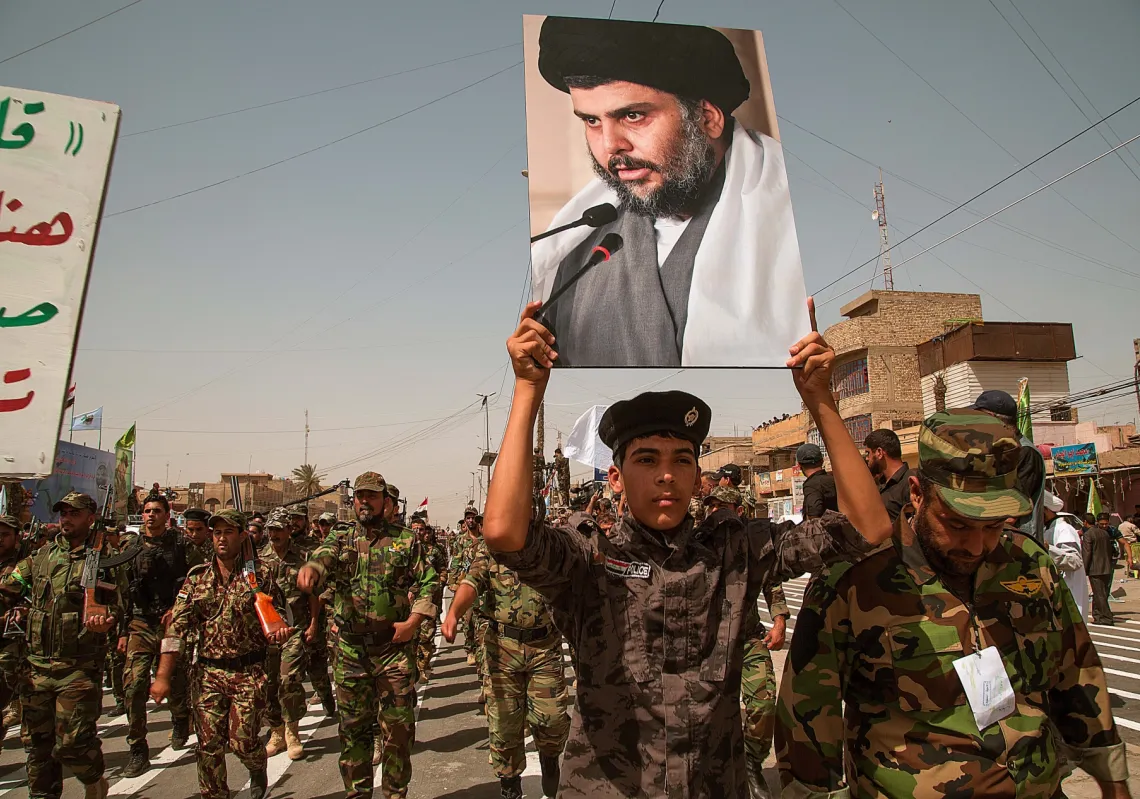
The US wants this huge Iran-aligned group to disband, but with 240,000 personnel, an arsenal of weapons, and a $3.4bn annual budget, the PMF is closer to becoming an integral part of the Iraqi state
The Ba'ath movement was a big part of the Arab world for almost 80 years. Its demise in Iraq after 35 years in power—and in Syria just recently—comes with important lessons.
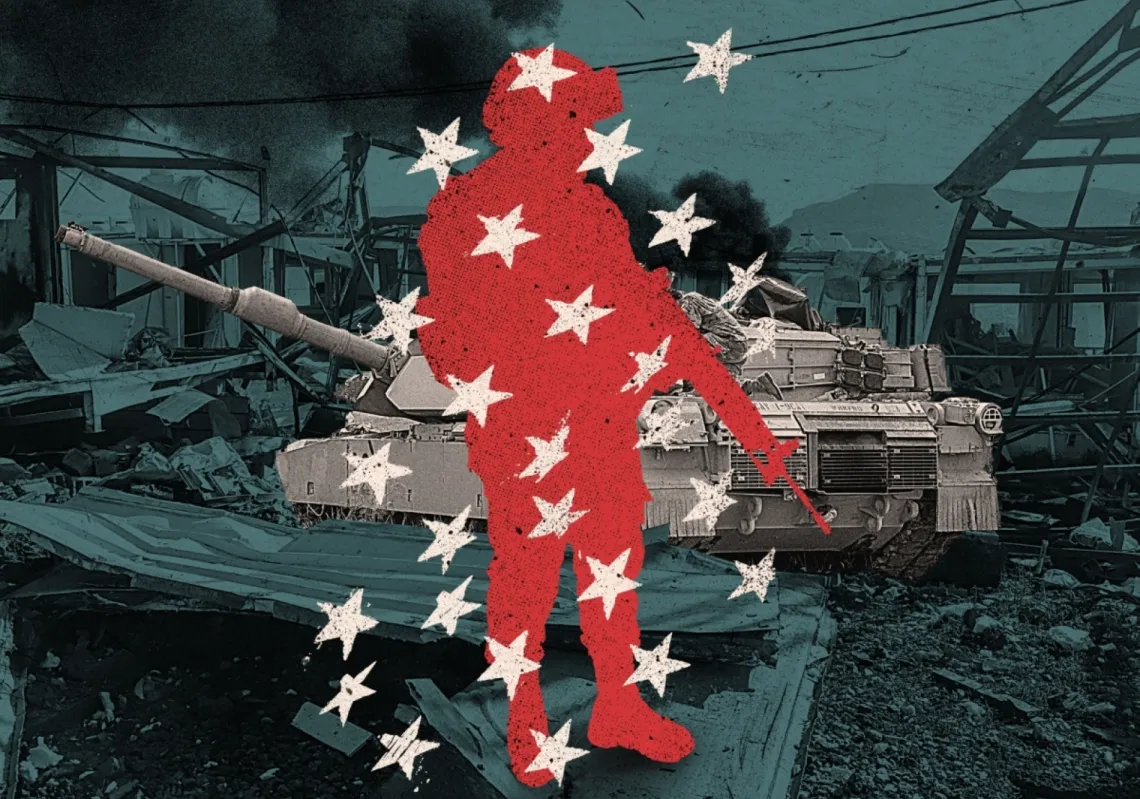
While Trump's rhetoric doesn't always match his actions, there are more signs than not that the US will draw down its forces in the region, leaving room for other actors to step in
Trump is unlikely to join an Israeli foray into Iraq, but he may decide to withhold the $250mn annual military assistance to Baghdad as a way to pressure the government to rein in its militias
In an interview with Al Majalla, the fund's director says he is working to increase private sector investment while trying to lay the groundwork for a more educated population
The standoff in the Hormuz is not simply a question of whether Tehran can survive economic pressure, but whether Washington can sustain the pressure at an acceptable cost.
The Strait of Hormuz is now poised to become the primary arena of confrontation, with Iran relying on speedboat-driven guerrilla warfare to confront the US navy.
Former regime soldiers are stuck in limbo, as their undocumented status prevents them from working, travelling, and curbs family members' access to education, healthcare and social services