There are still some serious questions, challenges, and obstacles that stand in the way of BRICS achieving total independence from the dollar with its proposed rival currency.
The high level of unemployment has become a national talking point in Iran, while claimed statistics offered by the government are no longer trusted by citizens.
The demise of debt talks with the IMF made the country's finances a national talking point. A Saudi package has provided wriggle room, but political action is needed for proper progress.
The land of frankincense has been trading with its neighbours around the Arabian Gulf and the Arabian Sea for millennia. It now has cutting-edge ambitions for its future.
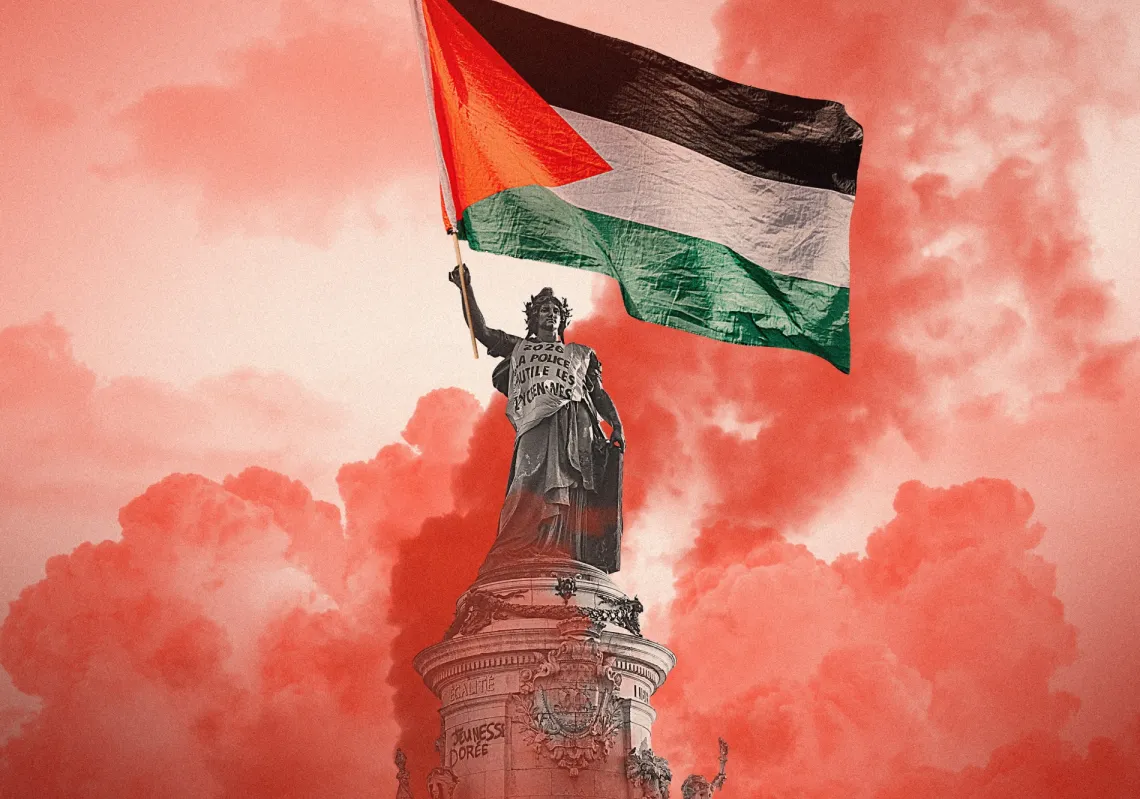
In its capital, once famed as the City of Light, it is now much darker. Paris is unable to achieve social and economic equality for millions of its citizens, sparking riots and disorder.
There is a long-standing nationwide sense of helplessness, stoked by government inaction over a series of crises. It shows up in various ways, from spending patterns to a rise in homelessness.
The share of manufacturing industry exports was once less than 10 percent. Now it has reached 80 percent, with more than half of this share going to Europe.
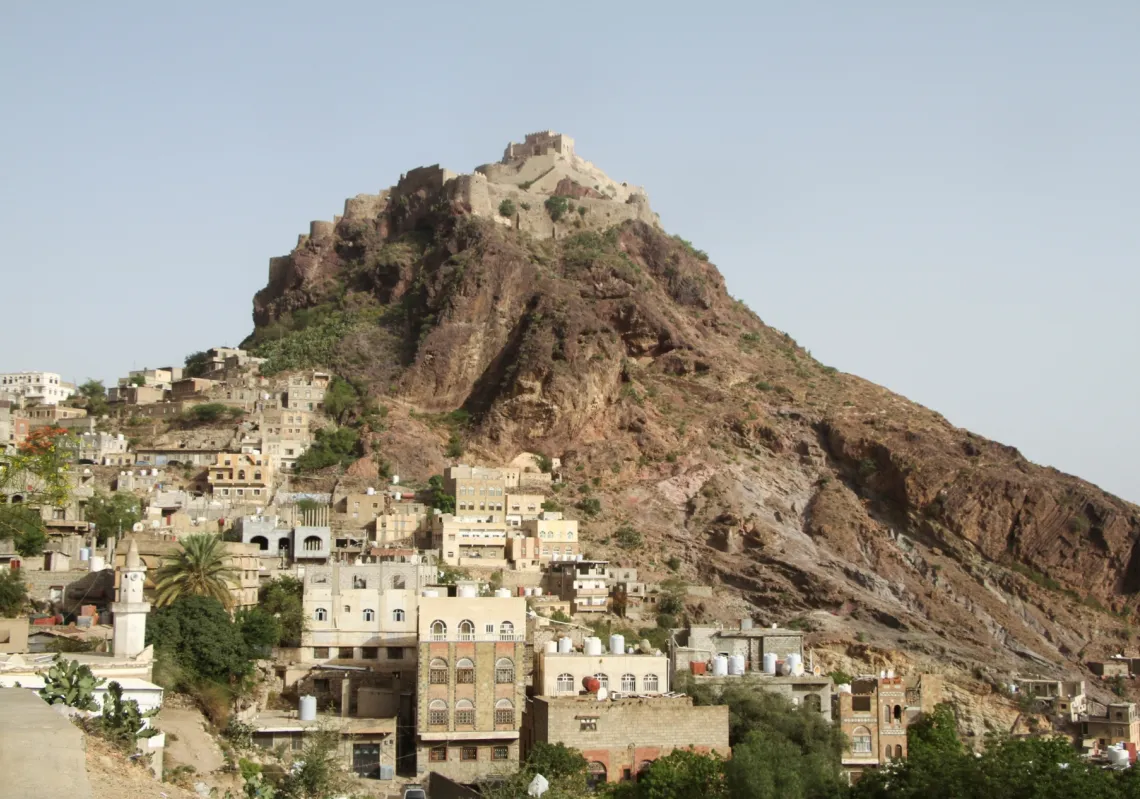
Yemen has promising economic potential in various sectors, including agriculture, industry, tourism, and oil, but any recovery in the country remains subject to political and security stability
In an interview with Al Majalla, the senior US diplomat says that while the US may no longer play the role of world policeman, it is not isolationist either
If anywhere encapsulates the Syrian capital in recent decades, it is this enigmatic and iconic public space, which has seen more than its fair share of changes
The two appeared to be in lockstep in many areas, but dig deep, and you will see where they don't align. So, what does this mean for the region? Al Majalla explains.