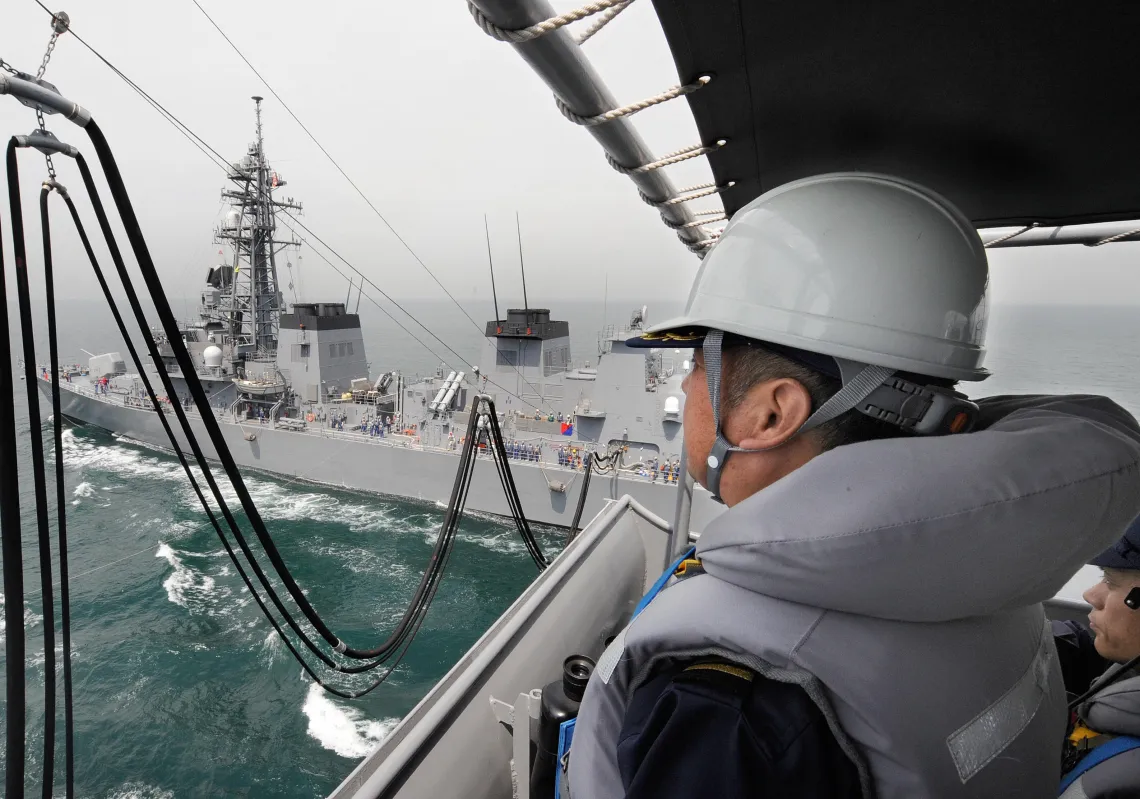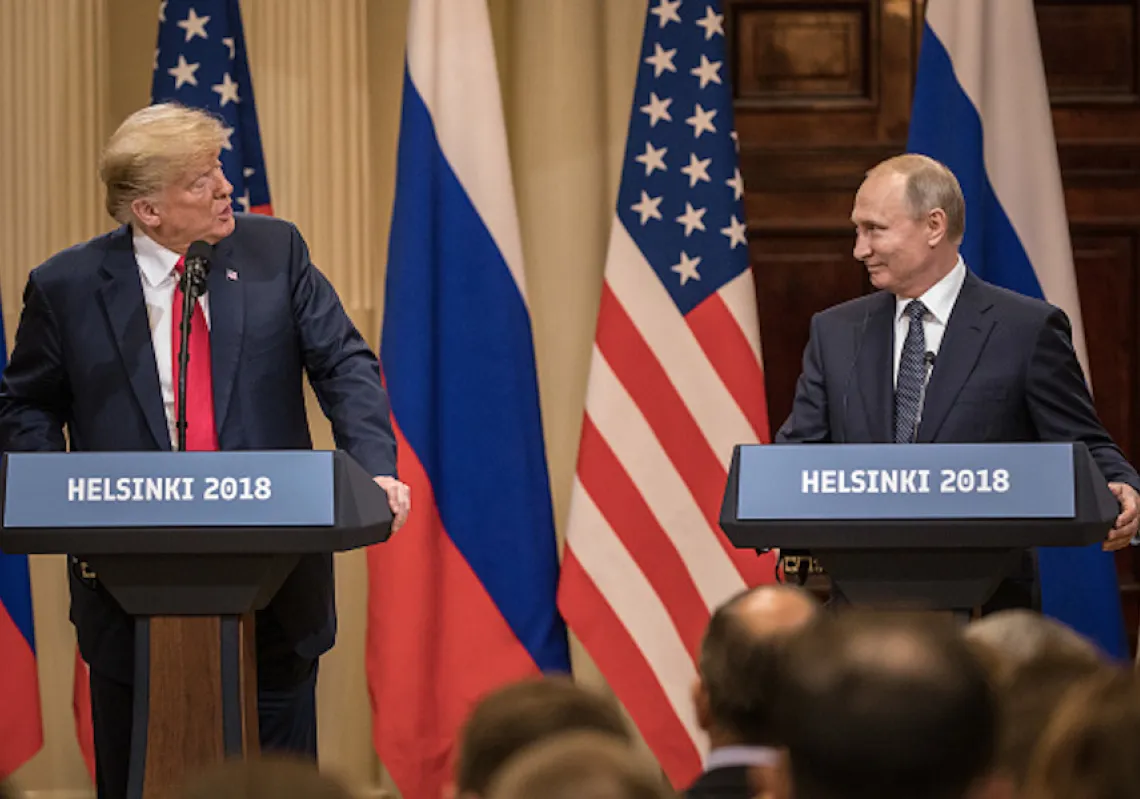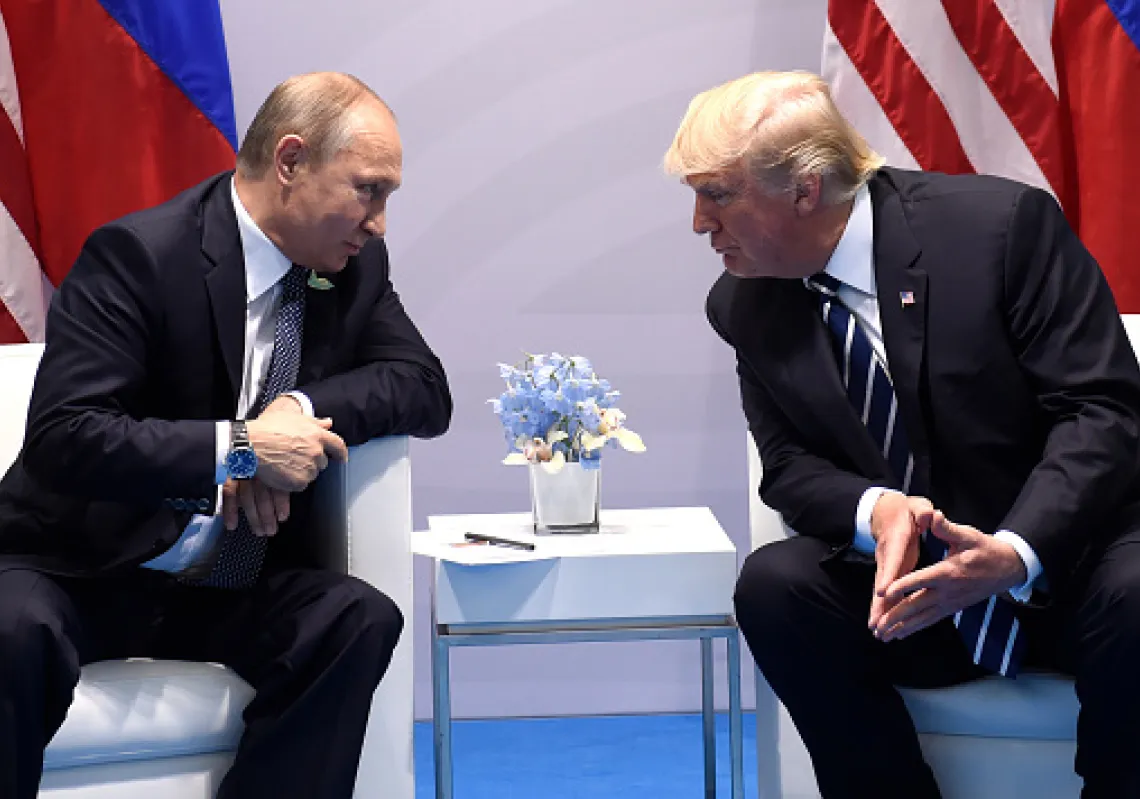


Economic blockades have long served as instruments of coercion, deliberately positioned in the grey zone between diplomacy and war. They have been used throughout history as a pressure tactic to force the enemy to make concessions at the negotiating table. This could be what Trump hopes to achieve by imposing a naval blockade on Iran, which continues to exercise control over what ships can enter and exit the Strait of Hormuz.

Blockading the blockade: Trump tightens his chokehold on Iran is this week’s cover story. In it, we examine the political and economic repercussions of the US naval blockade on Iran and whether such a strategy is sustainable amid Iran’s proven ability to withstand US pressure tactics.

Did Khomeini Kidnap Moussa Al-Sadr?

[caption id="attachment_55255521" align="aligncenter" width="585"] Imam Musa al-Sadr[/caption] by Hanin Ghaddar Last month, a former Iranian parliamentarian made a statement that brought back all…

Hanin Ghaddar

A Way Forward for the Balkans?

[caption id="attachment_55255543" align="aligncenter" width="2835"] Supporters of Serbian nationalist Vojislav Seselj gather after his arrival in Belgrade on November 15, 2014.(Getty)[/caption] by…

Majalla

Resisting Surveillance

[caption id="attachment_55255540" align="aligncenter" width="900"] Tens of thousands of New Yorkers participated in a silent march to protest NYPD racial profiling, including the Stop and Frisk…

Joseph Braude

The Two-Degree Delusion

[caption id="attachment_55255535" align="aligncenter" width="3600"] Children from the remote Turkana tribe in Northern Kenya dig a hole in a river bed to retrieve water.(Getty)[/caption] by Ted…

Majalla

Trump's Troubling Nuclear Plan

[caption id="attachment_55255503" align="aligncenter" width="594"] U.S. President Donald Trump speaks during a national security strategy speech at the Ronald Reagan Building in Washington, D.C., U.S…

Majalla