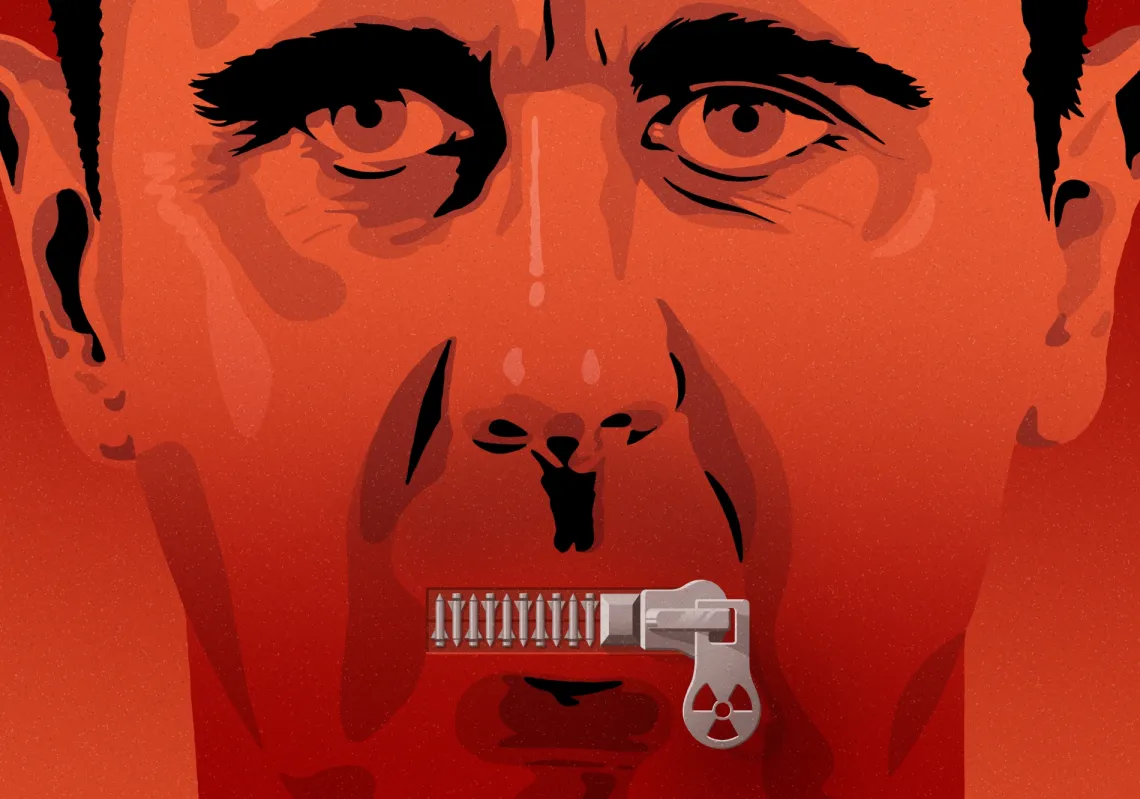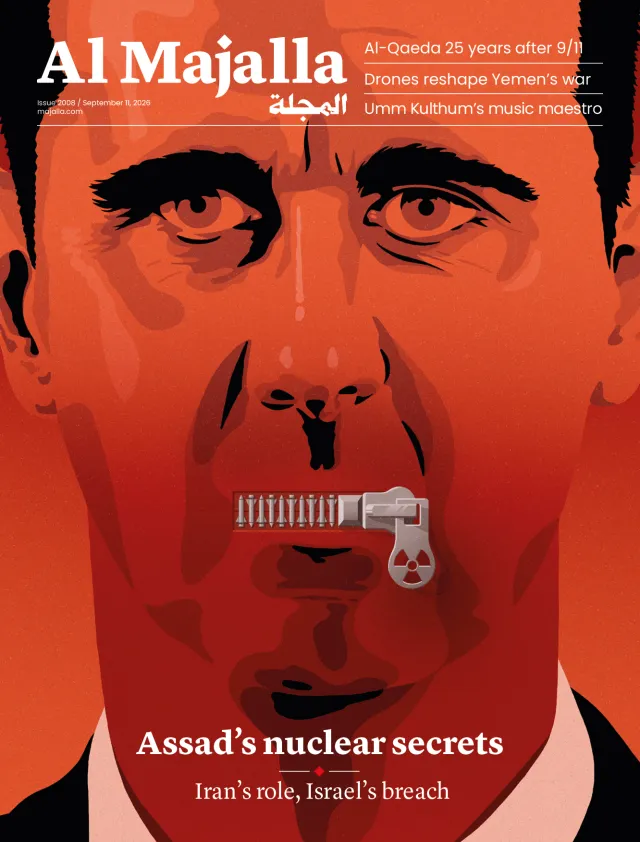


Economic blockades have long served as instruments of coercion, deliberately positioned in the grey zone between diplomacy and war. They have been used throughout history as a pressure tactic to force the enemy to make concessions at the negotiating table. This could be what Trump hopes to achieve by imposing a naval blockade on Iran, which continues to exercise control over what ships can enter and exit the Strait of Hormuz.

Blockading the blockade: Trump tightens his chokehold on Iran is this week’s cover story. In it, we examine the political and economic repercussions of the US naval blockade on Iran and whether such a strategy is sustainable amid Iran’s proven ability to withstand US pressure tactics.

Russia-Ukraine Crisis

Moscow has come a long way since it started massing troops and military equipment at the border with Ukraine back in April 2021. At the time, President Putin chose to call it just a military exercise…

Maia Otarashvili

Majalla’s Year in Review

The year 2021 has been full of political events ranging between Arab reconciliation, the war on Gaza, the delay of the long-awaited Libyan elections, the power outages and economic crisis in Lebanon,…

Majalla

Balancing the Arab Gulf Momentum

Most of the news coming out of the Middle East, these days, is about the Arab Gulf countries’ unprecedented diplomatic activity on both regional and international horizons. The Arab Gulf region is…

Dalia Ziada