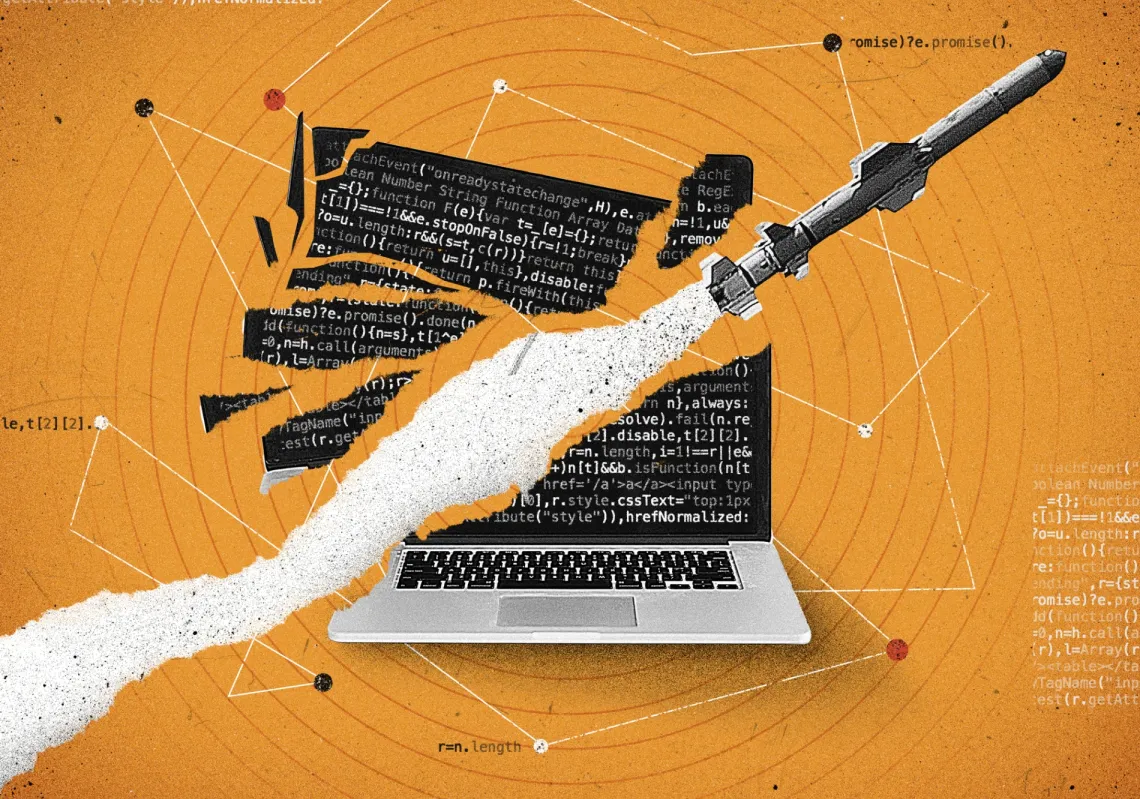

AI technology has had a huge impact on warfare in recent years, yet the systems are fallible, and concerns are growing, not least in terms of ethics and legality
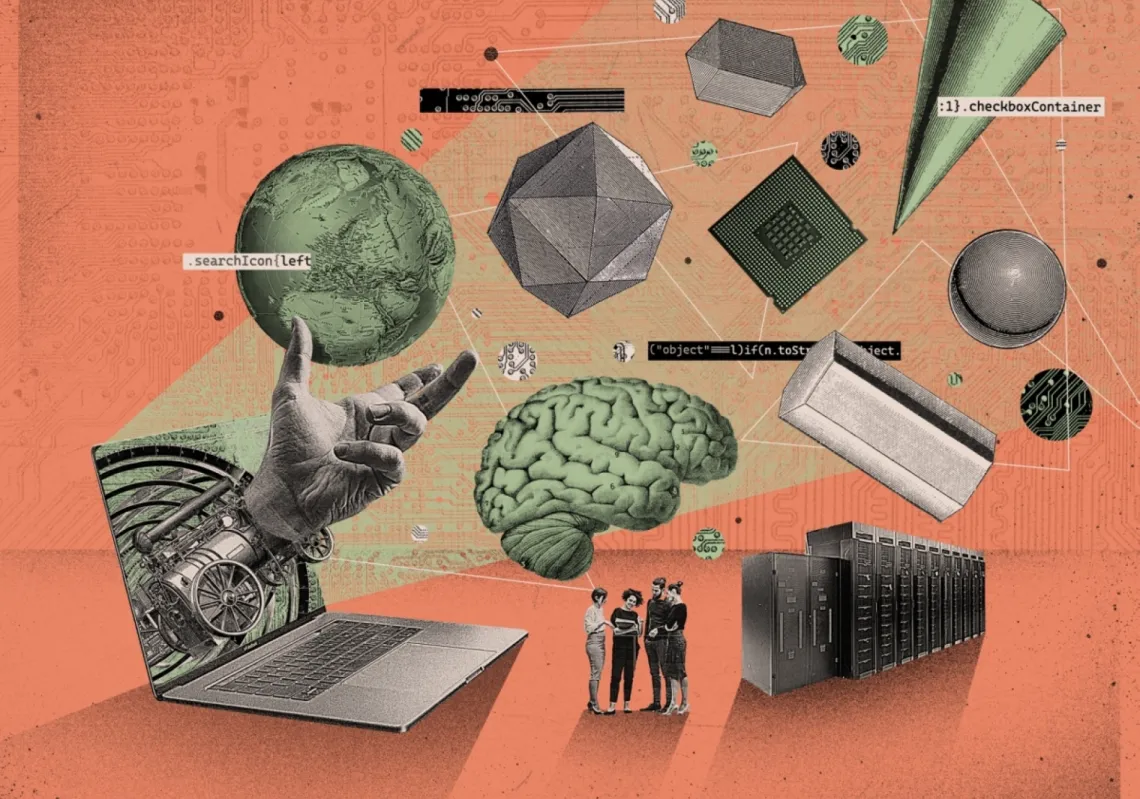
Algorithms already perform many human tasks with greater accuracy and efficiency. While AI cannot yet do everything a human brain can, progress in this field is rapid. What next for humanity?
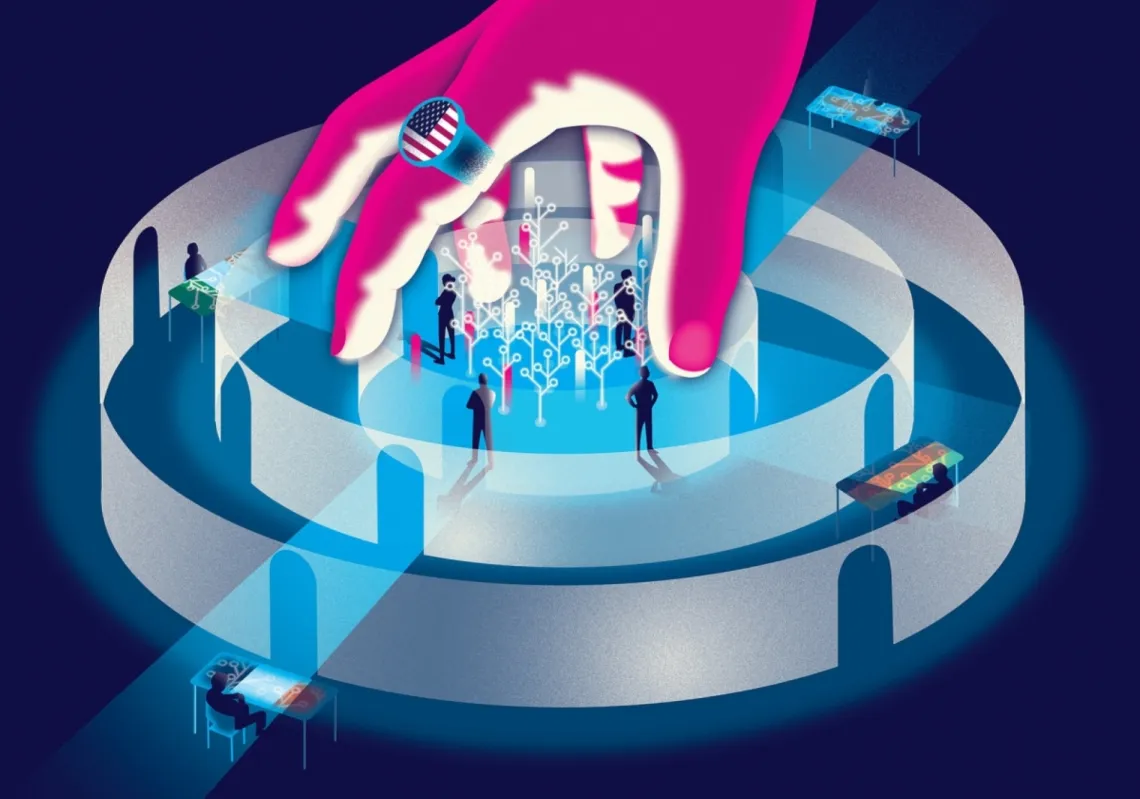
Amidst a larger trade war, the race to establish dominance in the AI industry is in full flow, the winner likely to set the rules of the game. A recent meeting in Beijing is evidence of its importance
When a start-up using 2,000 old Nvidia chips produced a ChatGPT rival for $6mn, investors took around $1tn out of the big US tech firms. Donald Trump called it 'a wake-up call'. Never a truer word.
Last week, Chinese start-up company Deepseek disrupted the AI market with the launch of its R1 model. Upon the launch of its AI chatbot, the company revealed in a research paper that it spent only …
A $500bn project involving key industry players is designed to build the gargantuan infrastructure needed to support the expansion of the AI revolution. For the US president, it is also about winning.
If the ceasefire collapses, China has an interest in getting the two sides back to the table, but it would be a difficult task given Tehran's deep mistrust of the US and Israel.
Israel's parliament approved a draconian death penalty law last week that only applies to Palestinian prisoners, in a move that the UN says "would constitute a war crime"