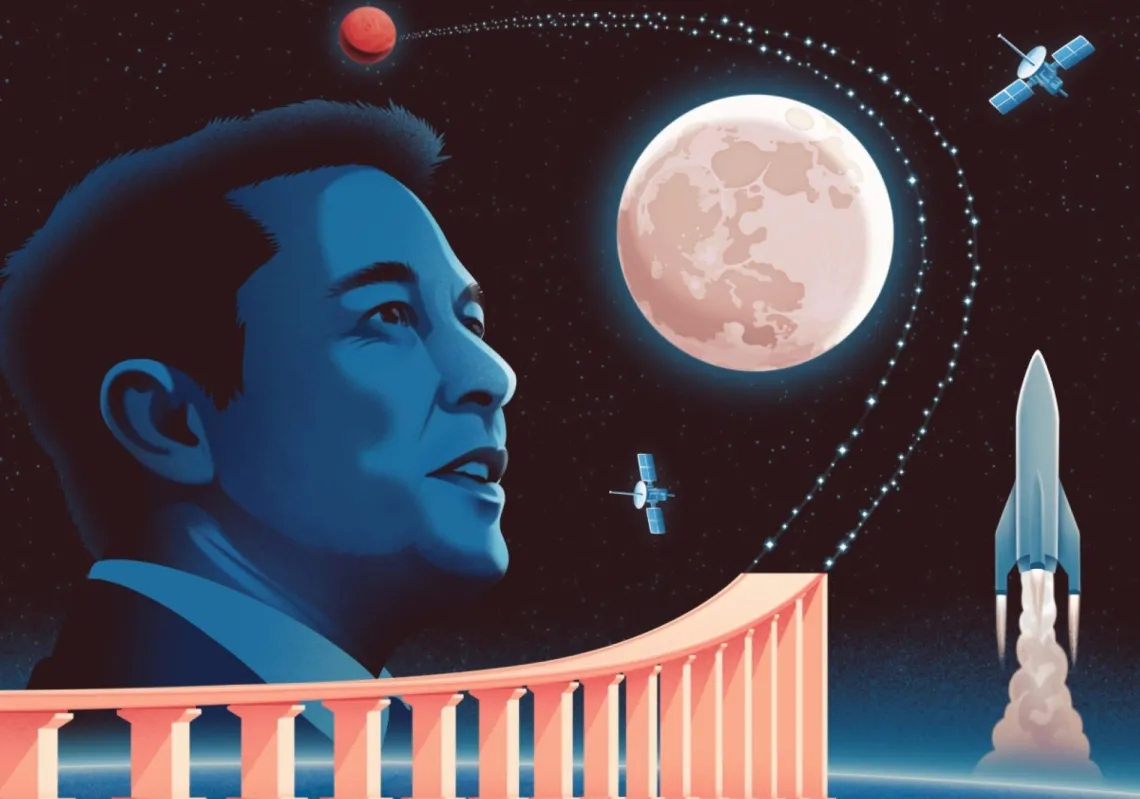
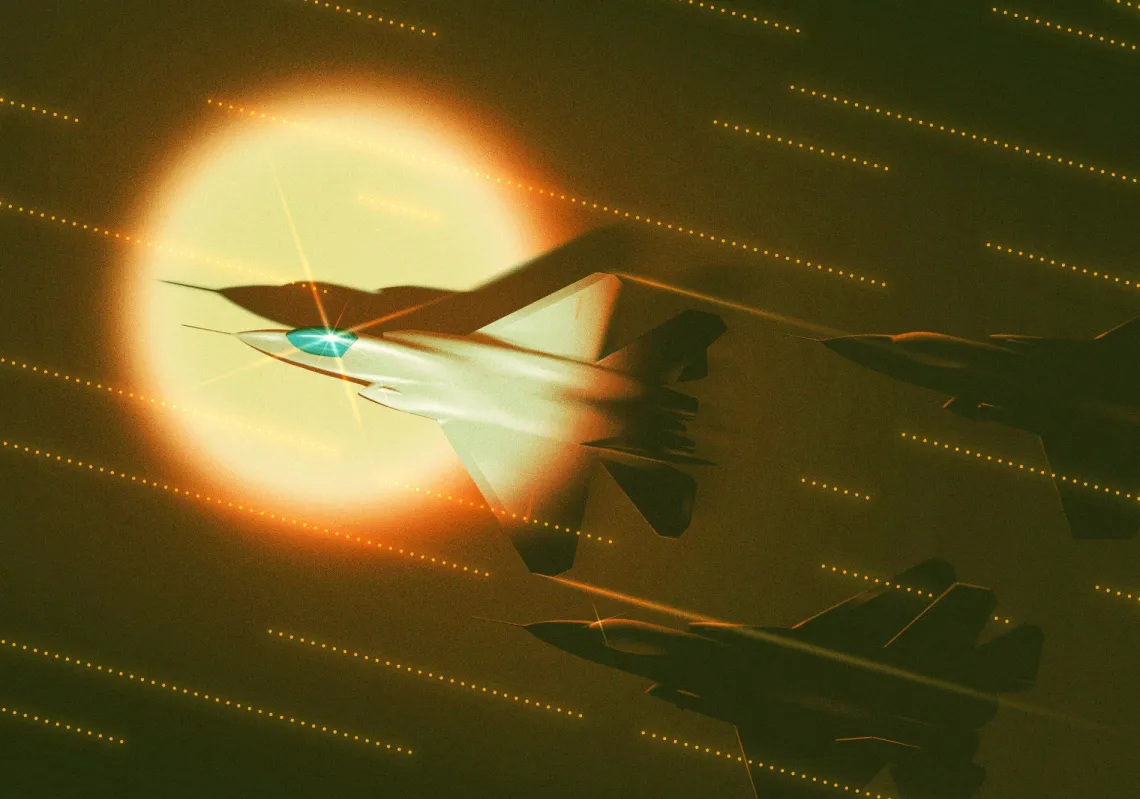
In low Earth orbit, carbon dioxide emissions are changing atmospheric density in such a way as to reduce the natural mechanics of decluttering space debris. More debris equals more danger.
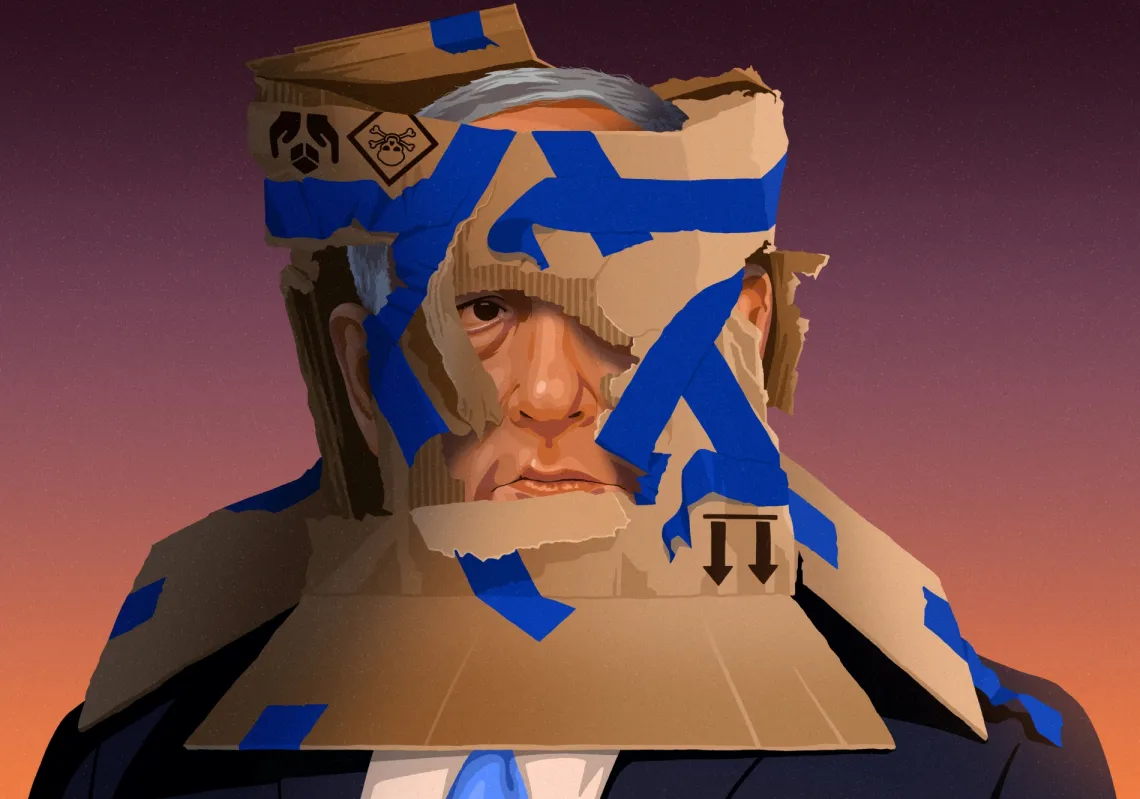
Al Majalla lays out the evolution of the unit at the heart of Israel's war machine, highlighting its notable successes as well as some of its catastrophic failures
Images of rocket trails, explosions, and destruction were broadcast worldwide, but a quieter war in cyberspace was also being waged, and it was no less important
Billions of dollars in federal funding have been withheld from universities where Gaza protests were staged, ostensibly for reasons of antisemitism. What will the impact be?
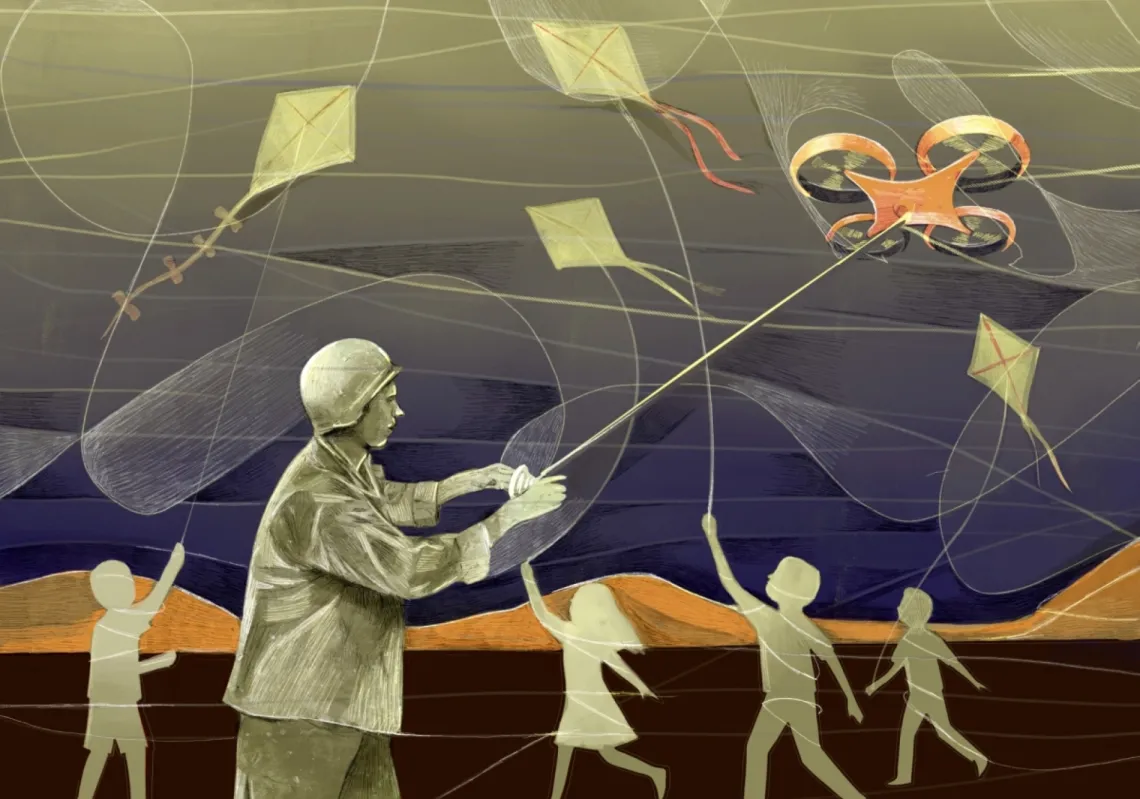
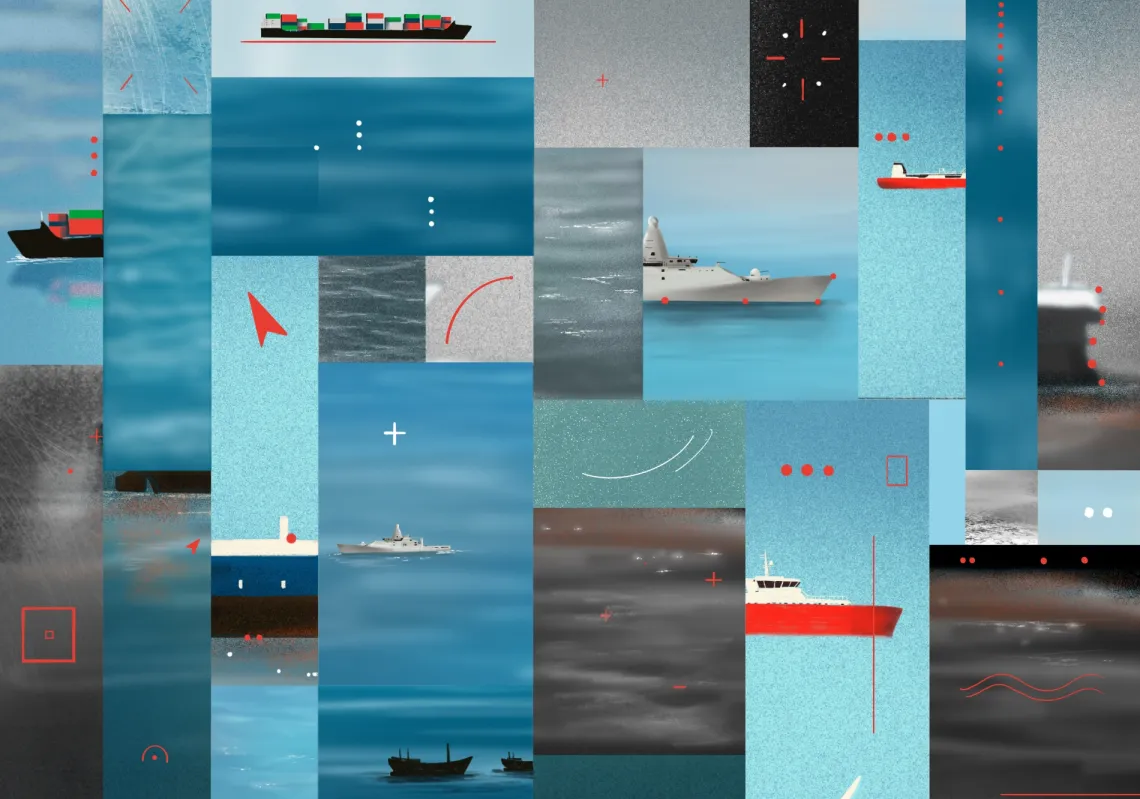
AI technology has had a huge impact on warfare in recent years, yet the systems are fallible, and concerns are growing, not least in terms of ethics and legality
The recent military flare-up begged questions on who would win in the event of a nuclear or conventional war. Here, Al Majalla compares their arsenals and respective journeys to become nuclear powers.
Algorithms already perform many human tasks with greater accuracy and efficiency. While AI cannot yet do everything a human brain can, progress in this field is rapid. What next for humanity?
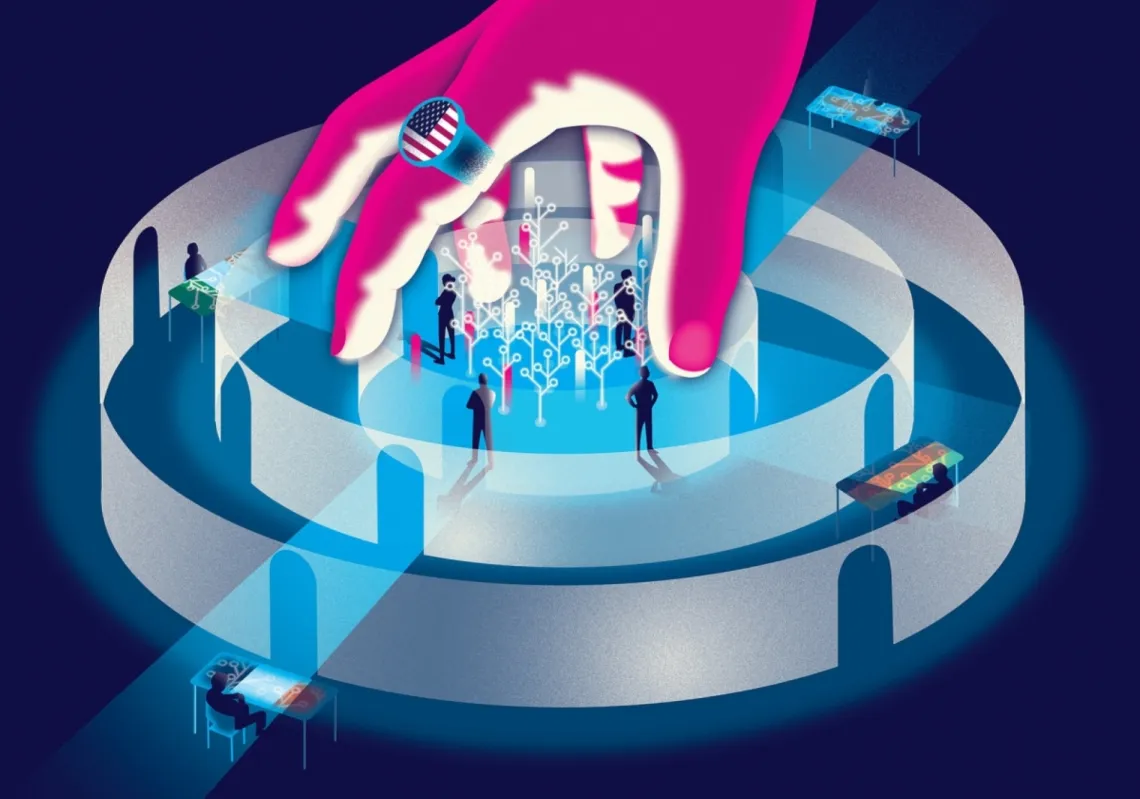
Smartphones and other tech devices are now exempted from tariffs after their stocks took a hit. Trump may now realise the US doesn't have the infrastructure and workforce needed to reshore production.
As support for Israel weakens across the US political spectrum, once-taboo questions about military aid, lobbying influence, and US backing are moving into the mainstream
Algeria is one of Africa's largest producers of hydrocarbons, and its proximity to customers in Europe makes it of growing interest as importers fret over a prolonged supply crisis from countries
Through extravagant processions led by palace women, the Mamluk state projected a message of power and prestige at home and abroad, turning the Hajj obligation into a soft-power tool