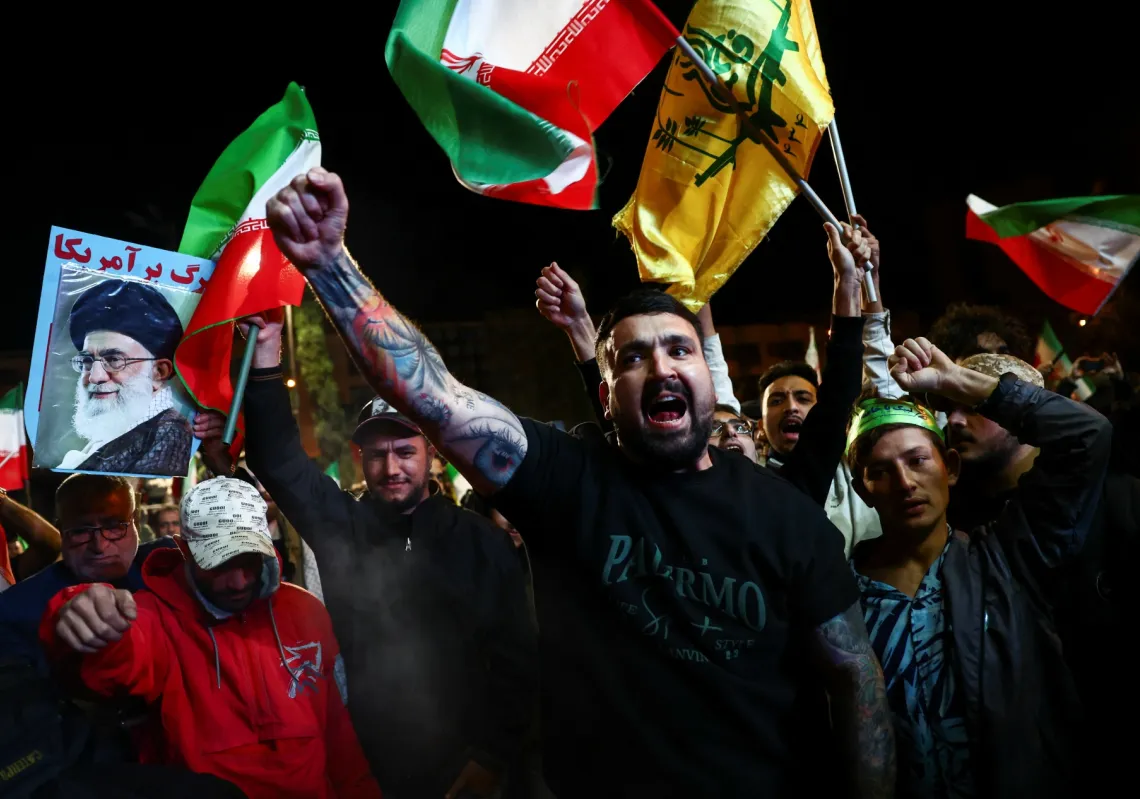
Elon Musk's satellite internet connectivity service— designed to bypass state-controlled networks—could form the nucleus of an alternative communications infrastructure in Iran
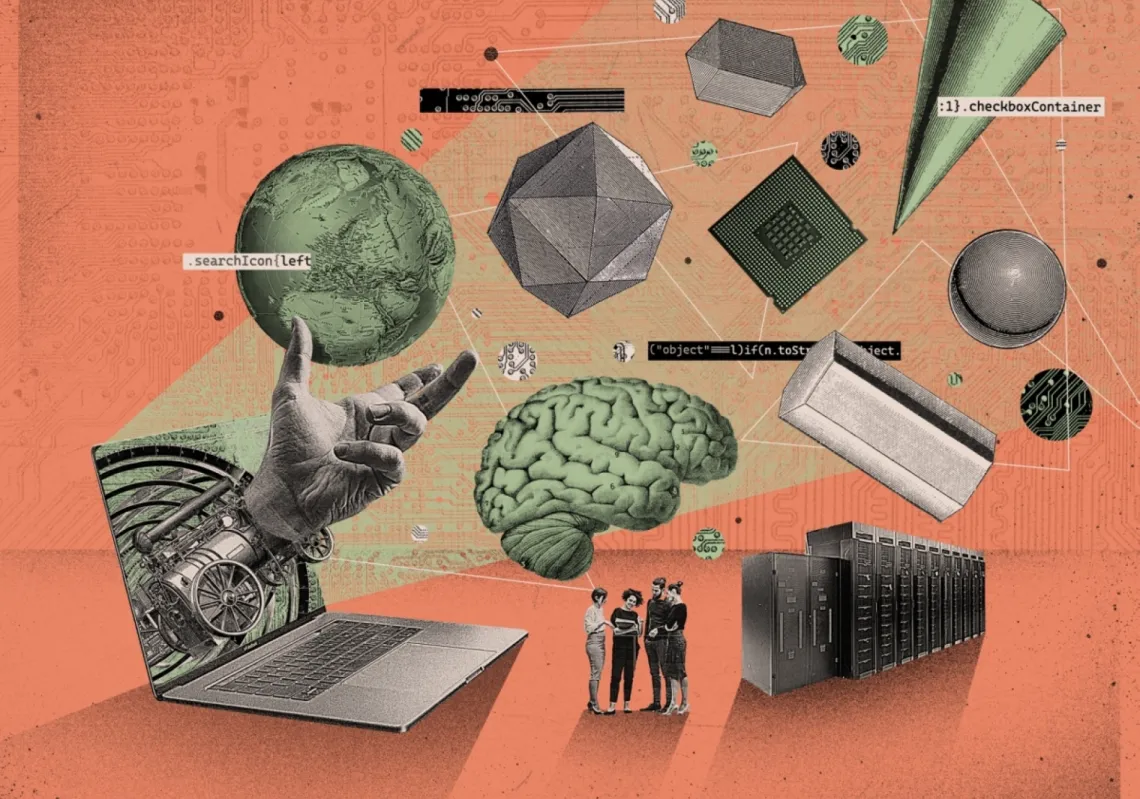
Using this powerful new technology to crunch data, produce forecasts, and detect risks seems like a no-brainer for our economies' custodians. How they do so is the question.
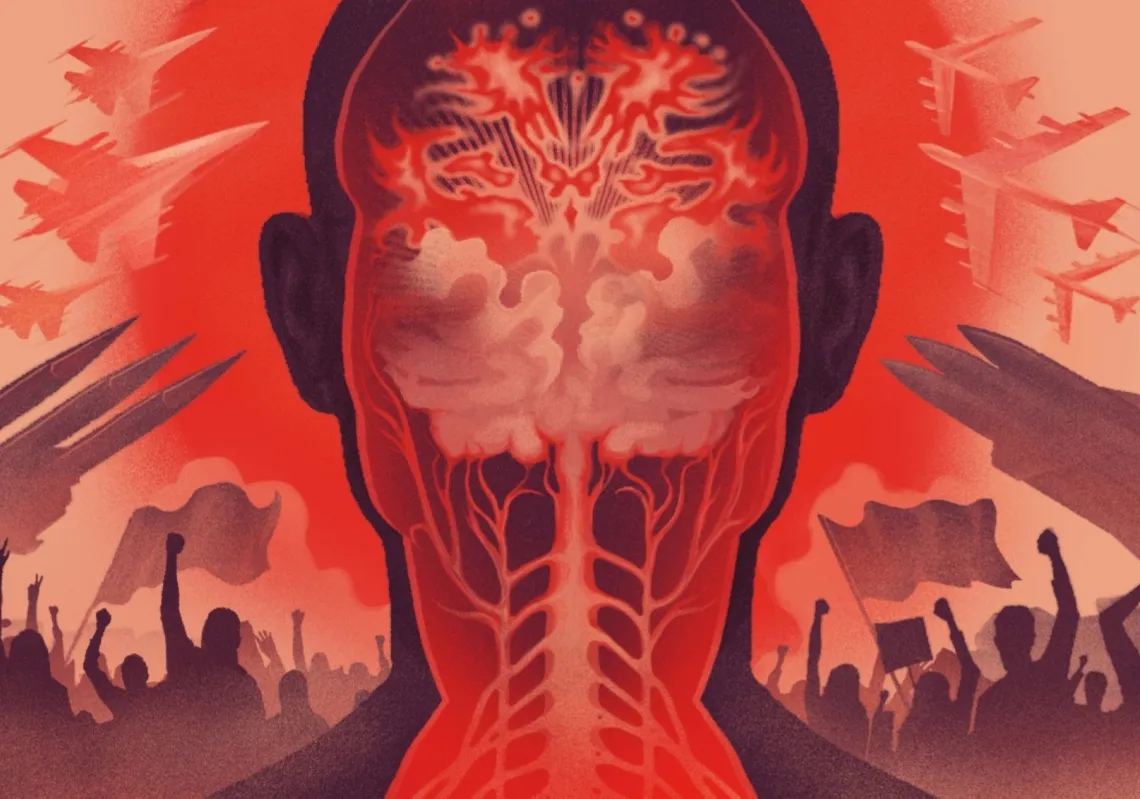
Militaries around the world will face competitive pressures to increase their reliance on AI, but to avoid catastrophe, its use must be guided by laws, rules, and norms
The integrity of this year's US presidential election is once again under threat, with technology playing an increasingly key and nefarious role in swaying the vote
WHO Director-General Dr Tedros Adhanom Ghebreyesus and the health ministers of France, Germany, Mauritania and Norway on why the world should support the historic first WHO Investment Round
After success attracting big-name investors into the country, there is speculation about the overlap between cutting corporate know-how and applications for the army and intelligence gathering
The goal is to reduce global deaths associated with drug-resistant bacteria by 10% by 2030 and ensure that at least 70% of antibiotics used globally belong to the safer WHO Access group
So crucial are the satellites that connect us (and spy on us) that the world above our heads could be the next major-power conflict zone. With China and India off to the moon, what next for space?
The company is the cornerstone of federal IT, but there are big questions, including in Congress, over its ability to cope with cyberattacks from Russia and China
In an interview with Al Majalla, the prominent French jurist discusses Israeli and Western duplicity, their violation of international law, and why Israel bears the cost of Gaza's reconstruction
Tehran's elite have few friends, but regional states fear the consequences of a disorderly transition. If Iran's 92 million people turn on one another, it could cause millions to flee abroad.
Going forward, the international community needs to reduce dependence on the US without upsetting the world's largest military and economic power. It will be a shaky tightrope to walk.
Scrapping foreign ownership caps and qualifying criteria will bring in more capital, with markets reacting positively to the latest reforms that build towards a more open country