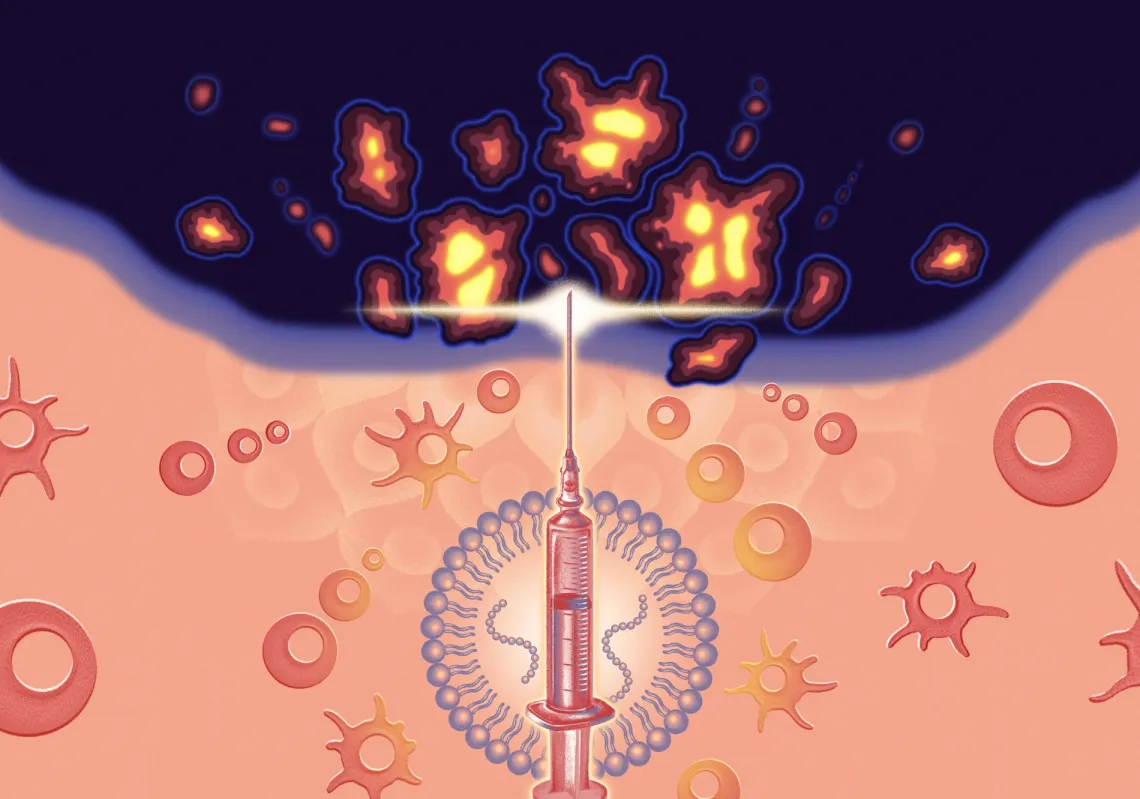
Research involving almost 1,500 people reveals a link between the consumption of processed food and drink, the quality of sperm, and the womb environment. The implications are huge.
Billionaires today make their money from data, algorithms, and digital innovation, with the AI revolution offering the chance of vast fortunes, but it is not just money that they hold in their hands.
Riyadh wants the powerful NVIDIA processors to help it develop an Arabic large language model. With the US reassured over technology transfer risks, an export licence is forthcoming.
A new update lets users see where an account is based, when it was created, and how often it has changed. Suddenly, highly political 'locals' are being exposed as frauds.
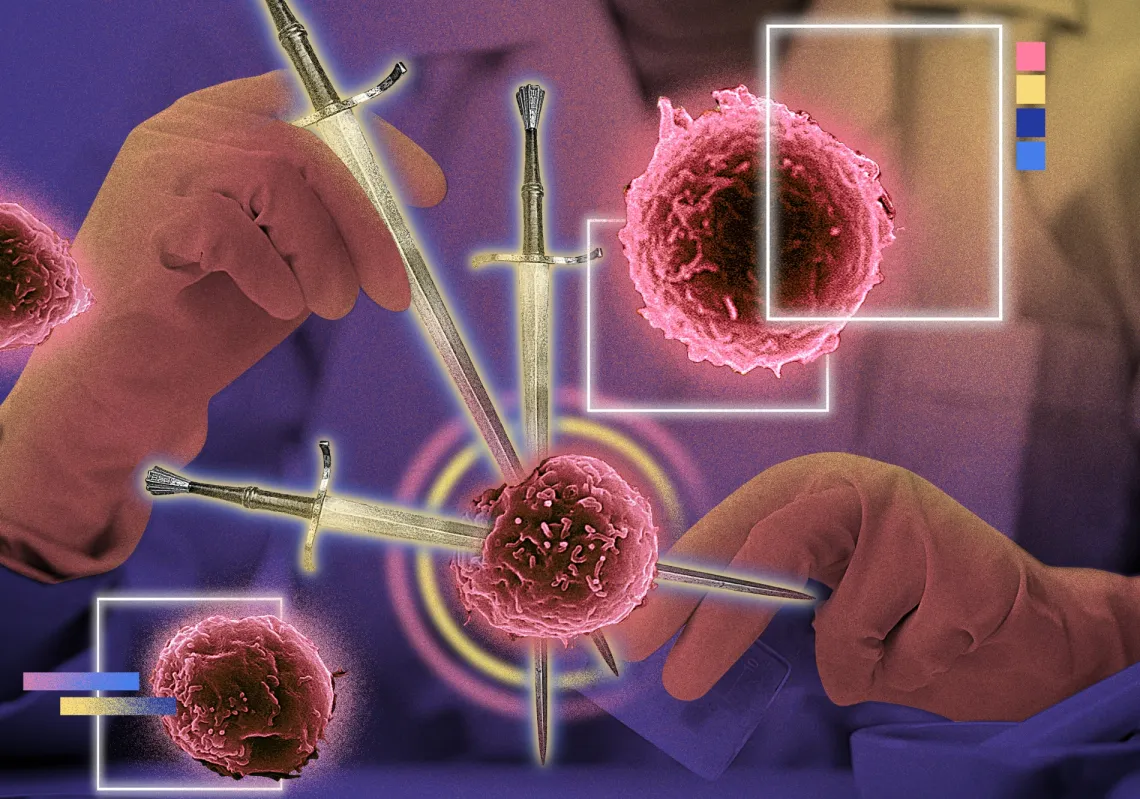
Alzheimer's disrupts more than memory—it breaks the brain's clock. New research reveals that saving patients' inner rhythms may be key to preserving identity, clarity, and connection.
Elon Musk's new AI-driven encyclopaedia promises freedom from human bias. But as Grokipedia takes shape, it exposes a deeper struggle over who controls knowledge in the digital age.
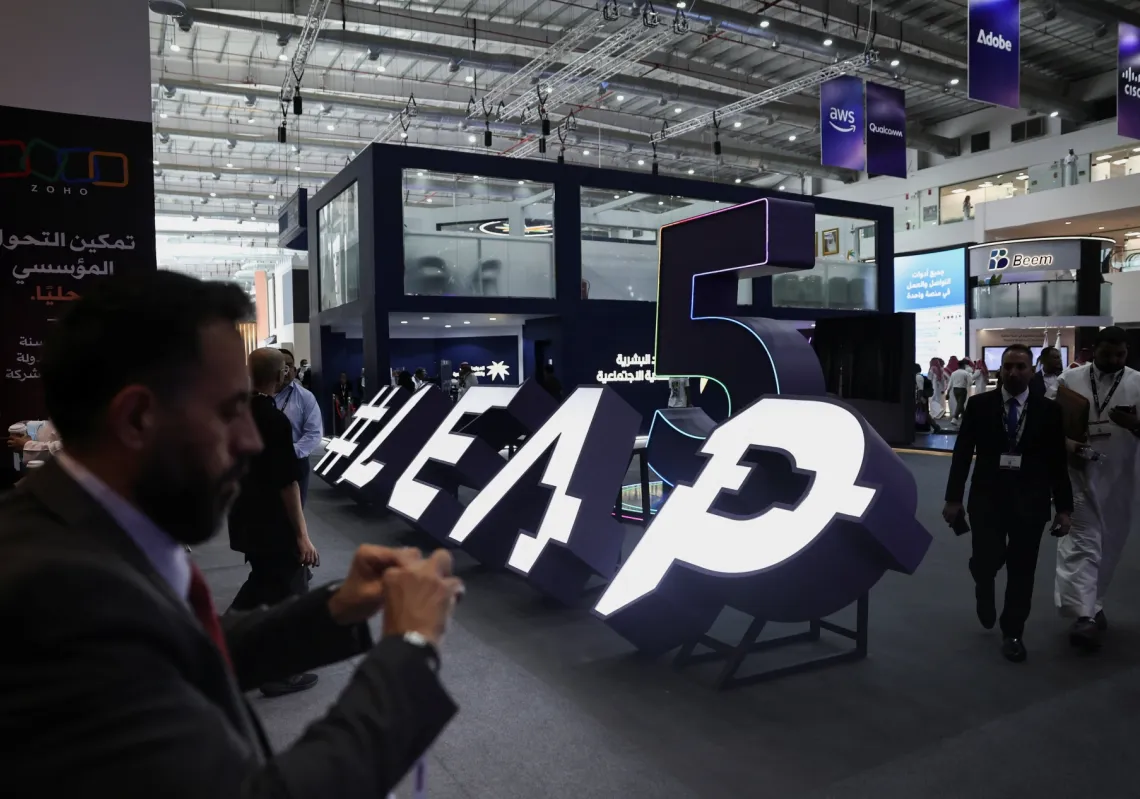
A new company is playing a big role in advancing and coordinating national initiatives related to data centres, cloud infrastructure, and the acceleration of AI adoption across key sectors
A global race between the US, China, Europe, and Gulf states towards AI supremacy is fully underway but the globalised nature of the 21st century prime technology creates border problems.
Exactly a century ago, images sent in the form of electronic signals via radio waves heralded a new invention, one that would shape politics, culture, and much else. Where next for TV?
Disruption in the Hormuz can have major implications for global trade, but it also creates opportunities for smaller nations like Iran to become global political players
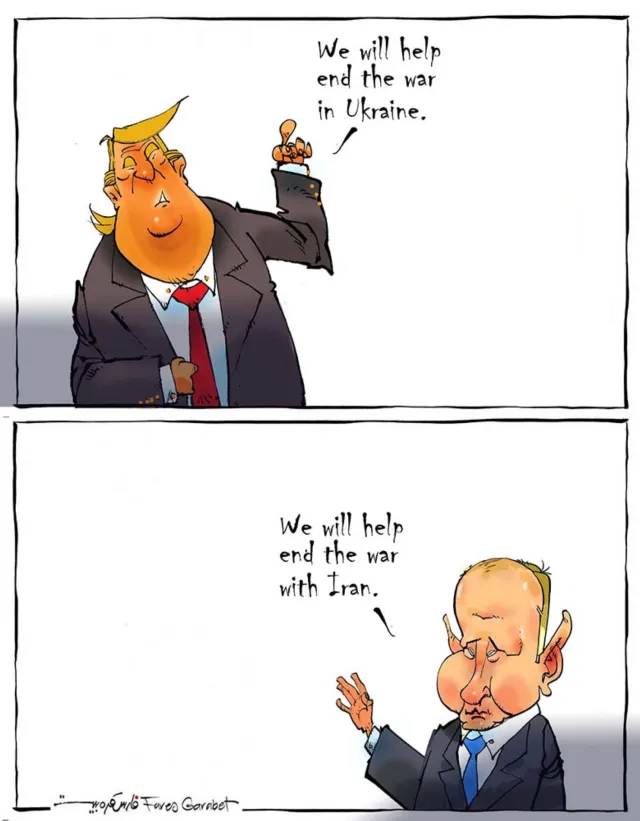
The Iraq war was viewed as disastrous in retrospect, while the Iran war was unpopular from the get-go. Al Majalla highlights the similarities and differences between the two.
Pipelines have a chequered history in the Middle East, but the closure of the Strait of Hormuz has led US Tom Barrack to conclude that a new route through Syria could solve some problems.