The current conflict is unlikely to go global for now, but the speed at which it has spread regionally is alarming. A look at history shows the geopolitical factors that led to world wars.
The UN Secretary-General warns Netanyahu that banning the UN agency would have devastating consequences for Palestinian refugees and reminds him of his obligations under international law
Shiites have always been an integral part of Lebanese society, holding government posts since its first government was formed in 1926, with feelings of "victimisation" only surfacing in the 1960s
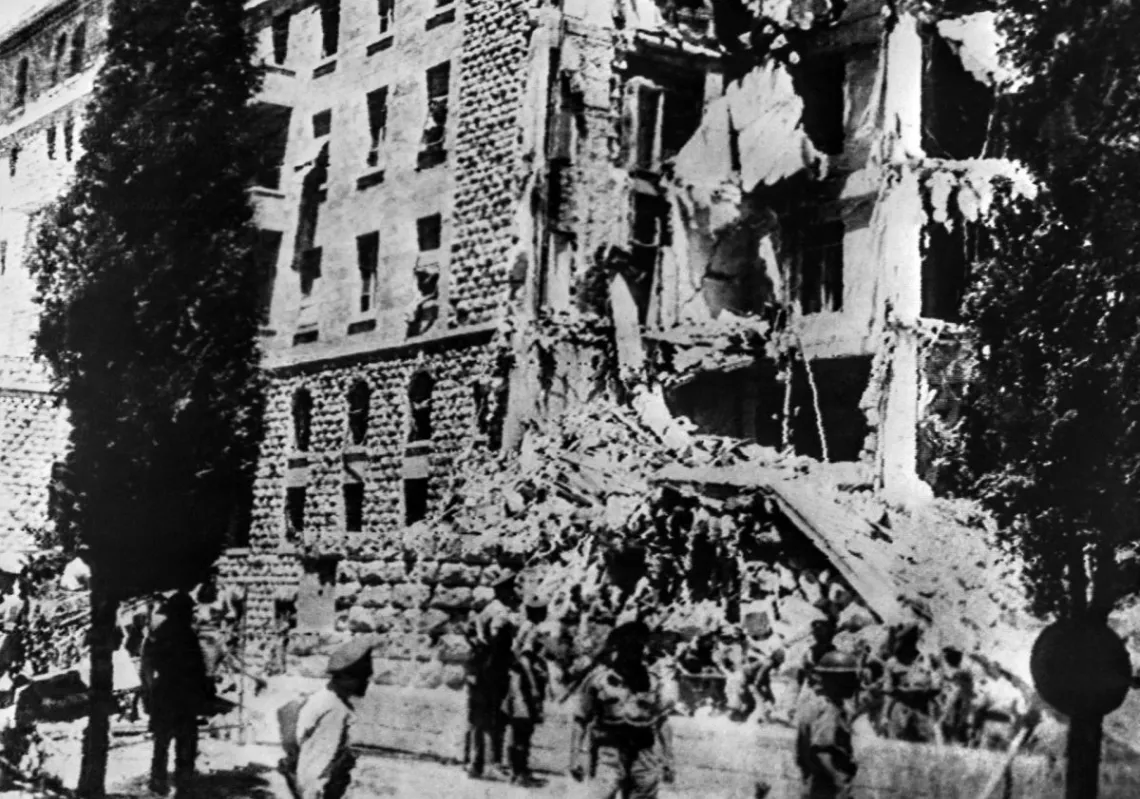
Israel has attacked Damascus multiple times this past year, but the Syrian capital is no stranger to such tactics. It has come under shelling from occupation powers numerous times in the past century.
The leaked four-page letter addressed to Israeli defence minister Yoav Gallant speaks of a possible halt to weapons transfers if Israel fails to comply within 30 days
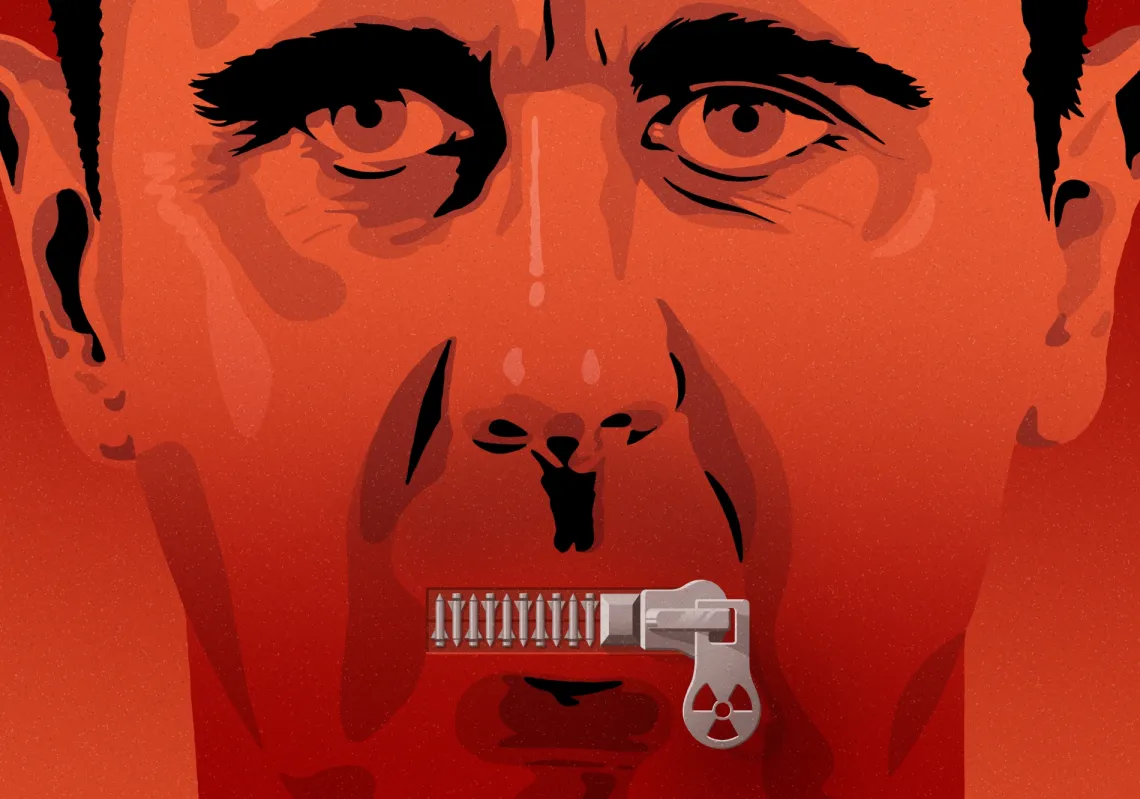
From blankets infected with smallpox to car bombs and explosive-laden pagers, Al Majalla highlights how state and non-state actors have used mundane objects to carry out murder
A university student came up with the idea in 1956, which came to fruition four years later. At the time, Fred Kahn didn't know that his idea would change the face of presidential politics in America.
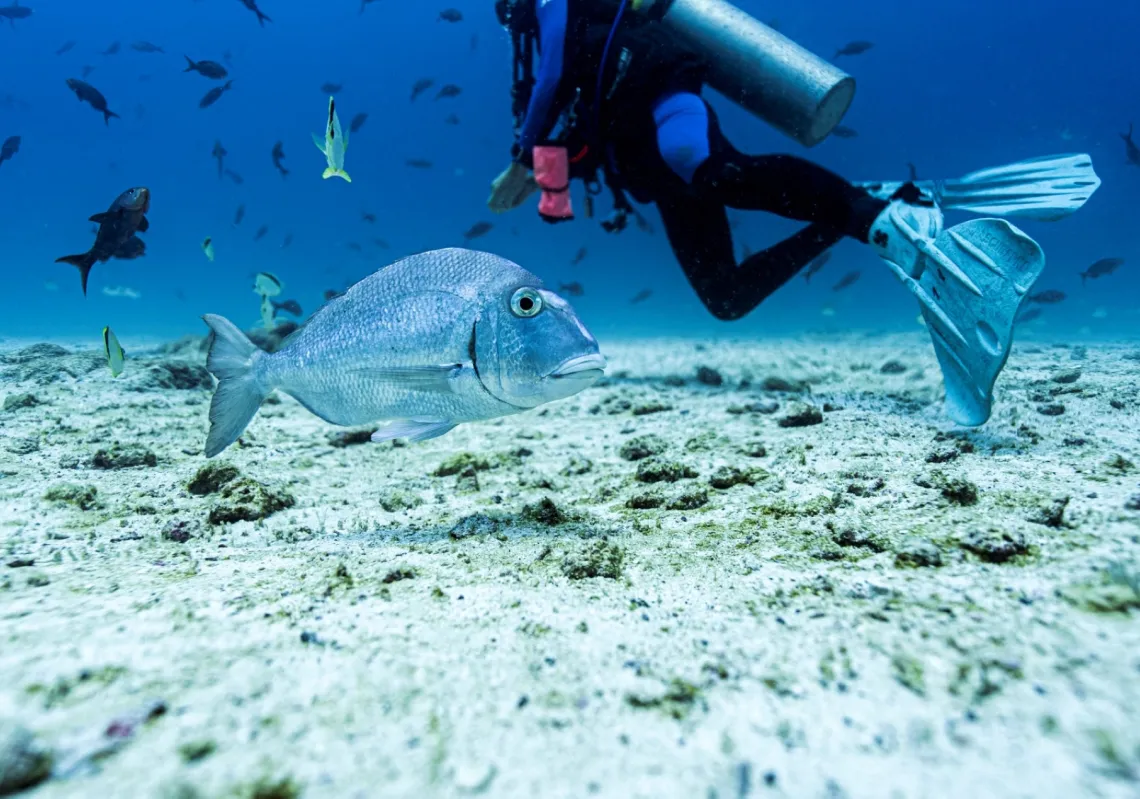
The standoff in the Hormuz is not simply a question of whether Tehran can survive economic pressure, but whether Washington can sustain the pressure at an acceptable cost.
Many Israelis actually believe that they lost the war, with opposition leader Yair Lapid accusing the Israeli premier of having led the country into "strategic collapse and diplomatic catastrophe"
The Strait of Hormuz is now poised to become the primary arena of confrontation, with Iran relying on speedboat-driven guerrilla warfare to confront the US navy.
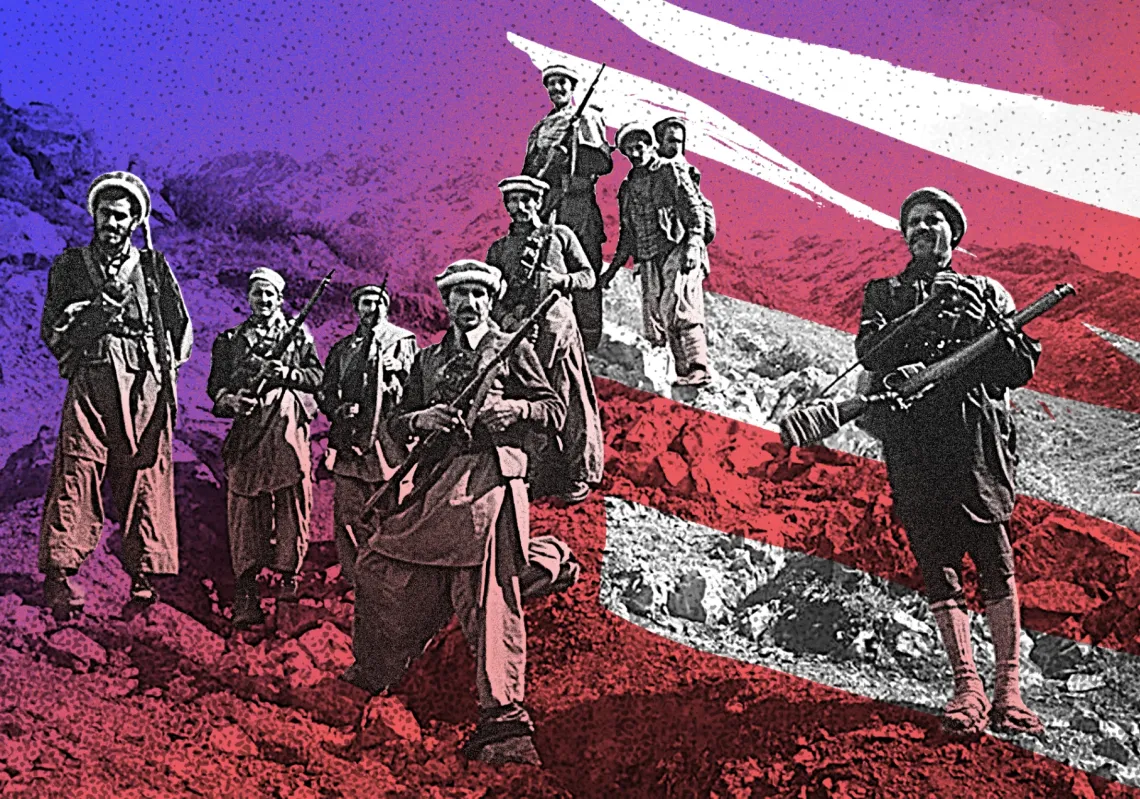
Former regime soldiers are stuck in limbo, as their undocumented status prevents them from working, travelling, and curbs family members' access to education, healthcare and social services