Disruption in the Hormuz can have major implications for global trade, but it also creates opportunities for smaller nations like Iran to become global political players
The Western and European media machine, distorting the Gaza war and demonising Muslims, will only contribute to a decline in investor moods and a dive in the global economy.
There is a new feverish race to invest in Africa, which has 30% of the world's mineral reserves and 40% of its gold deposits, as well as of cobalt, uranium, platinum, and chromium to boot.
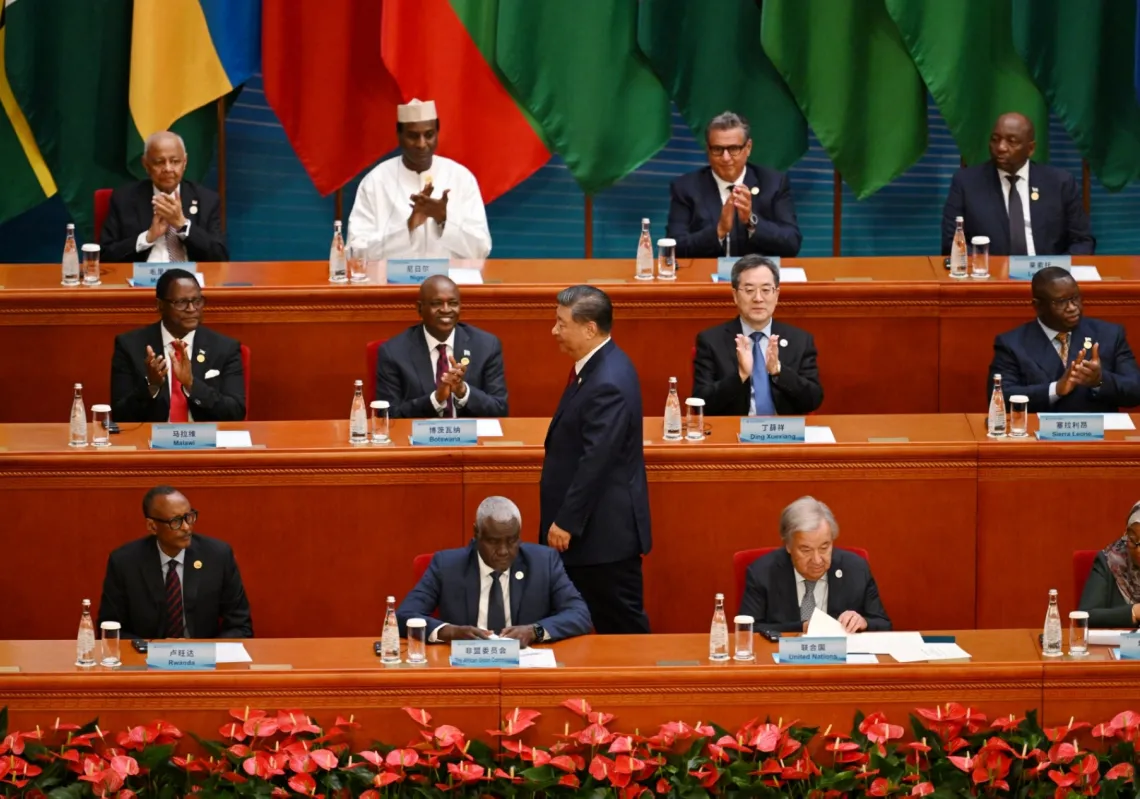
Due to their political histories, Africa and China share common grievances and aspirations. Today, they're a perfect match: what one lacks, the other provides. But what does the future hold?
Workers in former Soviet states have long headed for work over the border, but migrants ending up in the army are now a deterrent and alongside lower wages, jobs are now on offer elsewhere
Israel's war on Gaza is the most dangerous threat to the stability of the region and the wider world. Most observers agree that it is likely to be a long-term conflict.
Robust national capacities, the strength of institutions, and education and skills development should be at the top of the agenda in 2024 as the Kingdom pushes forward with Vision 2030
A big rise in spending in nominal terms says much more about the collapse of the pound than government spending power, as it continues to drop subsidies, including on fuel, deepening poverty rates
Disruption in the Hormuz can have major implications for global trade, but it also creates opportunities for smaller nations like Iran to become global political players
The Iraq war was viewed as disastrous in retrospect, while the Iran war was unpopular from the get-go. Al Majalla highlights the similarities and differences between the two.
Pipelines have a chequered history in the Middle East, but the closure of the Strait of Hormuz has led US Tom Barrack to conclude that a new route through Syria could solve some problems.