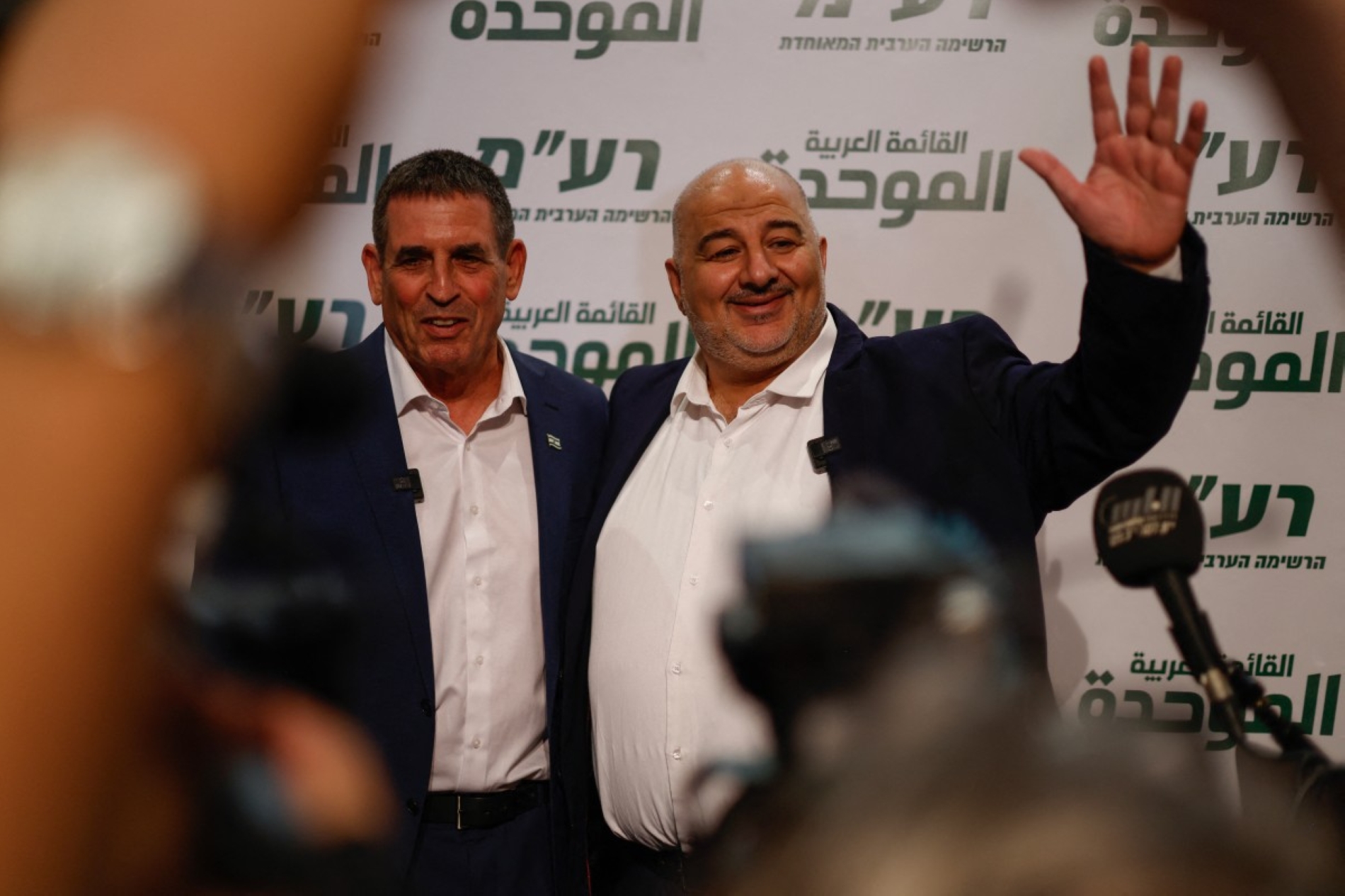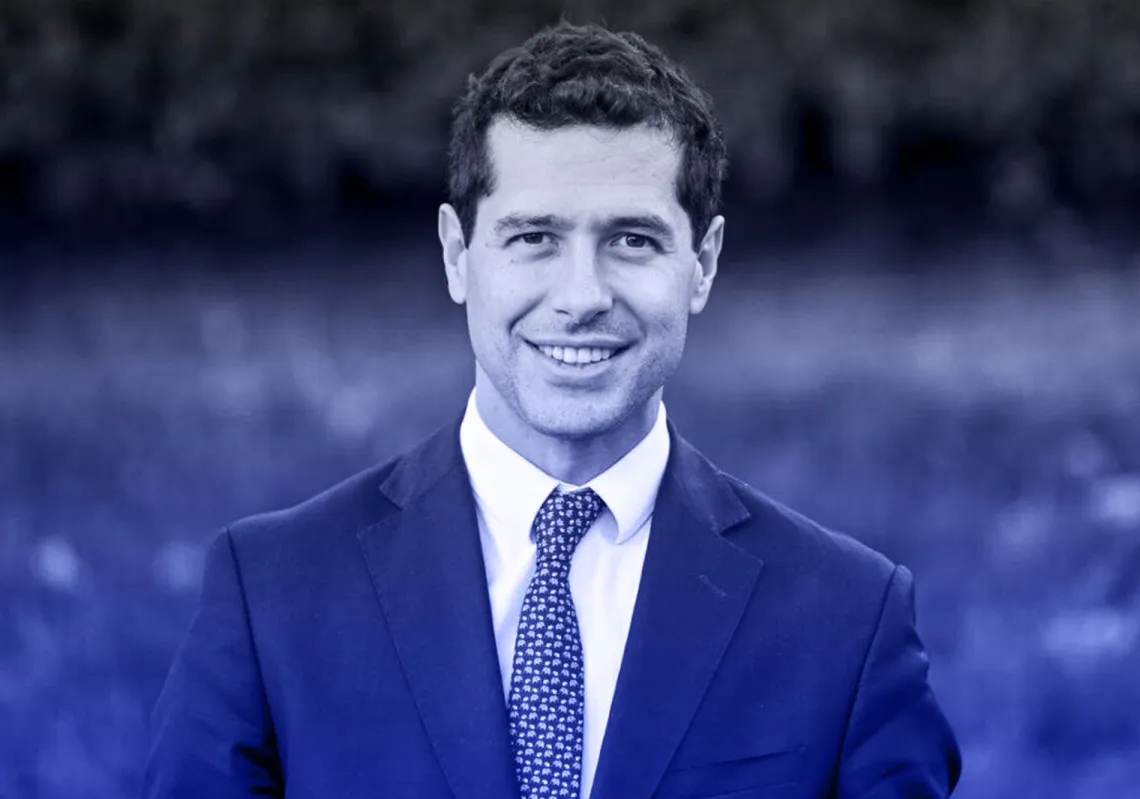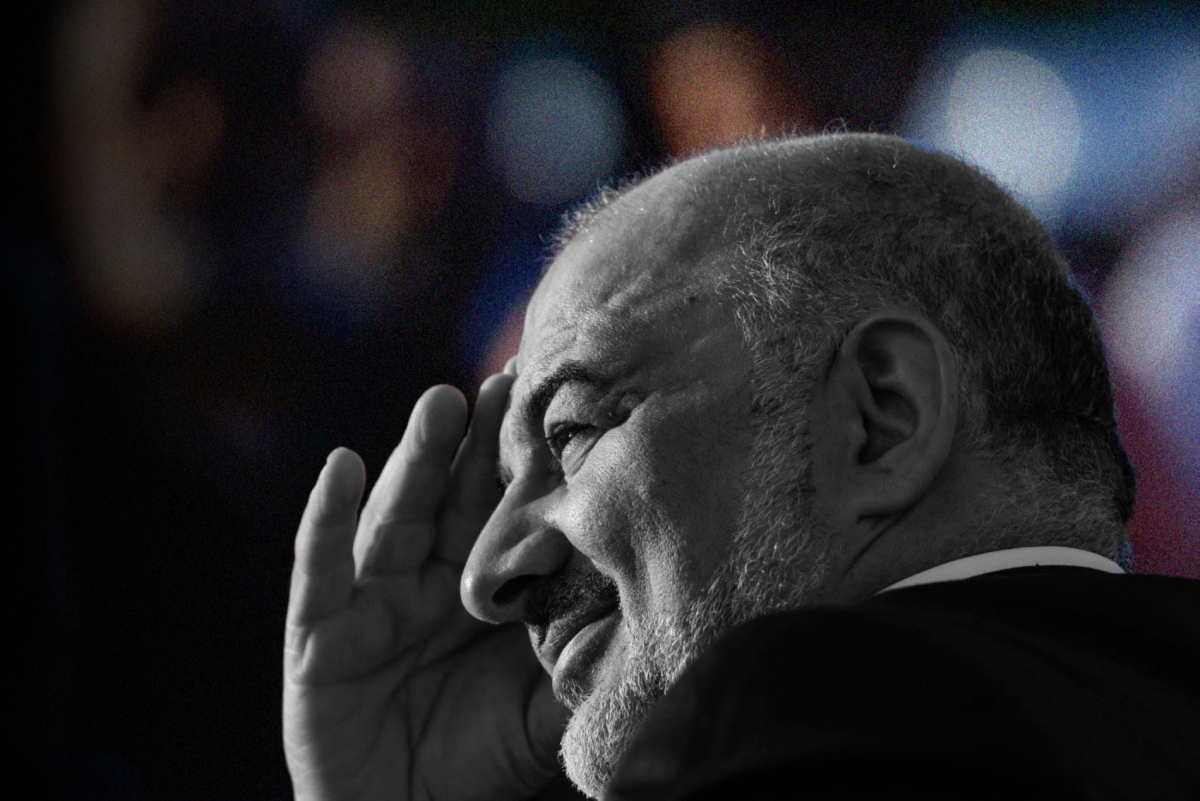

When I asked a prominent former Israeli intelligence official whom he had voted for in the Knesset elections of 27 October, he replied without hesitation: “Mansour Abbas, of course.” At first, I thought he was joking, so I asked again. He confirmed his answer, explaining that he regarded Abbas as the only politician in Israel who understood both Jews and Arabs and sought to bring them closer together in pursuit of coexistence and peace. He had even urged his family and friends to vote for him.
A few days later, I asked a senior Palestinian official in the presidential office in Ramallah for his assessment of the election results. To my surprise, he praised Abbas, leader of the United Arab List, more highly than other Arab political leaders in Israel, many of whom have historically maintained close ties with the Palestinian leadership.
A former Israeli intelligence official votes for him, a senior Palestinian official in Ramallah praises his approach, and the Jordanian monarch, King Abdullah II, has received him at his palace in Amman. Together, these encounters suggest that Abbas’s rise deserves examination beyond the confines of Israeli domestic politics.
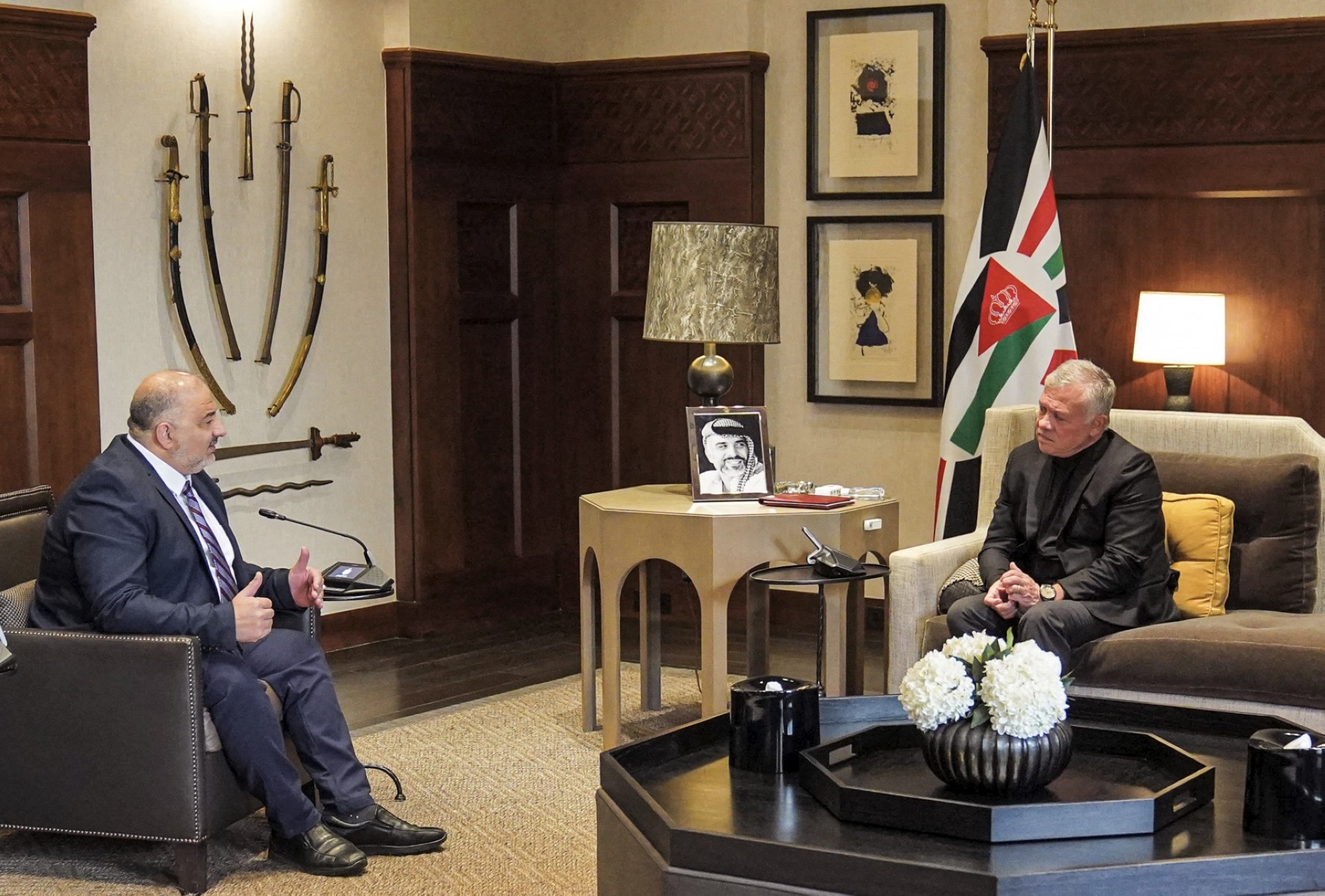
What explains the appeal of an Islamist politician who has found acceptance across such disparate political, national, and ideological circles during one of the bloodiest and most polarised periods of the Israeli-Palestinian conflict? Does he have a political vision that reaches beyond what is possible in Israel, or has he understood those limits differently from his predecessors?
The sheikh’s disciple who chose dialogue
Abbas was born in 1974 in the Galilean town of Maghar, where the Druze form the majority alongside Muslim and Christian communities. Raised in a conservative Muslim family, he studied dentistry at the Hebrew University of Jerusalem, where he chaired the Arab Students Committee in the late 1990s. He is married with three children and combines his training in dentistry with religious preaching and political activity.
Abbas was a disciple of Sheikh Abdullah Nimr Darwish, founder of the Islamic Movement in Israel, who advocated peaceful political engagement and dialogue with Jewish society. When the movement split in 1996 over participation in Knesset elections, its Southern Branch, to which Abbas belongs, chose to work within Israeli institutions, while the Northern Branch, led by Sheikh Raed Salah, took a different course.
Abbas rose through the movement’s organisational and political ranks and helped draft its charter, which emphasised moderation. Elected to the Knesset in 2019, he soon moved beyond the political ambitions of the movement’s founding generation, seeking a role in government rather than limiting himself to parliamentary representation.
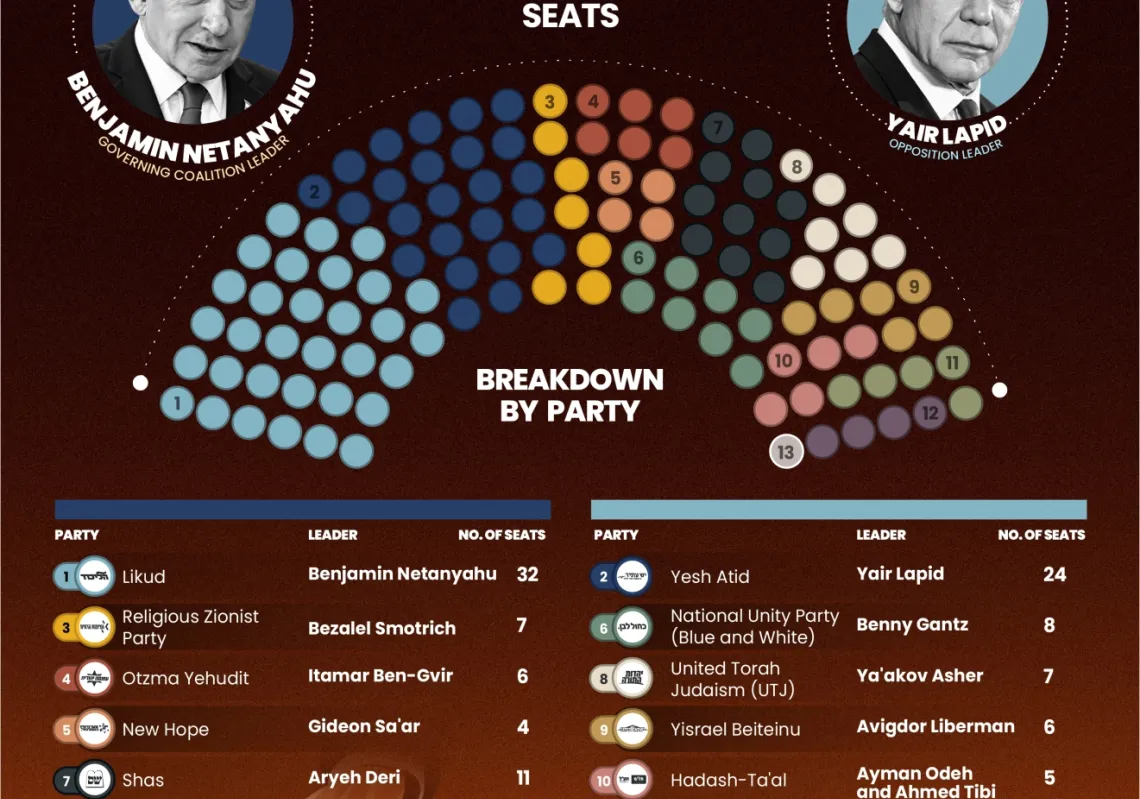
In 2021, under his leadership, the United Arab List broke away from the Joint List and ran independently. With four seats, Abbas became a key figure in negotiations over forming the next Israeli government. Benjamin Netanyahu held talks with him, but Abbas eventually joined the governing coalition formed by Naftali Bennett and Yair Lapid. It was an unprecedented development in Israeli politics: an independent Arab party with a conservative Islamic orientation had become a partner in government.
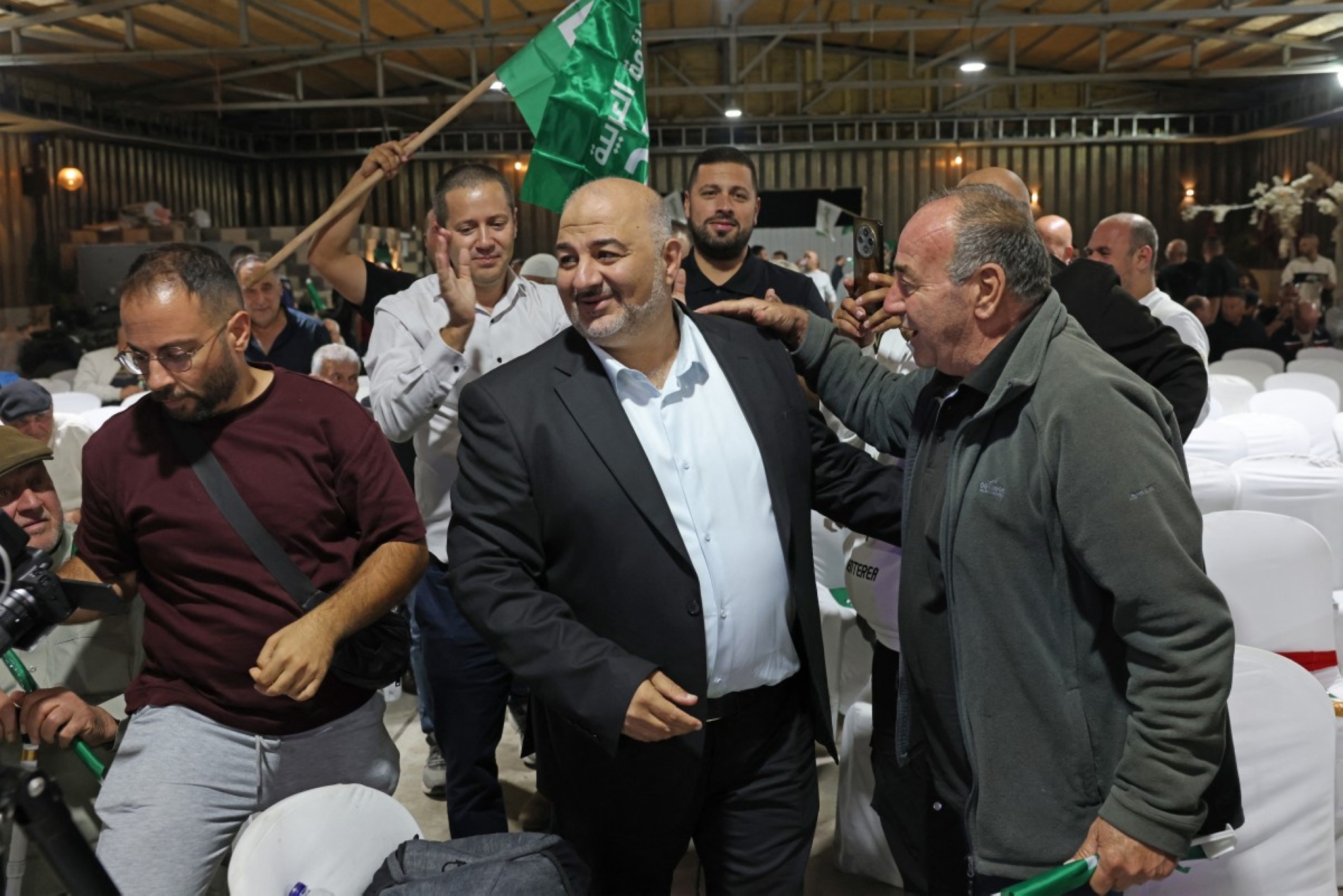
During his 2021 election campaign, Abbas concentrated on the everyday concerns of Israel’s approximately two million Arab citizens, particularly crime, violence, housing, home demolitions, unemployment, and discrimination in the allocation of government funds. He championed what became known as the ‘new approach’, under which the United Arab List was prepared to negotiate with both the right and the left to advance its voters’ interests.
His opponents maintain that a government should never grant rights in exchange for political concessions. Abbas, however, believes that gaining access to centres of power offers the most effective way to secure those rights. He argues that decades of parliamentary activity from the opposition benches have failed to bring about sufficient improvements in the lives of Arab citizens.
For Abbas, coalition membership is a means of influencing government decisions and the allocation of public funds, not an end in itself. His approach draws inspiration from Jewish religious parties, which have often secured substantial benefits for their constituencies through participation in successive governments, despite sometimes holding relatively few parliamentary seats.
Why are the Negev Bedouin backing him?
In the 2022 elections, the United Arab List won 73.9% of the vote in the Negev. In the most recent elections, it secured 85.28% of valid votes in Rahat, the largest Bedouin city in southern Israel. Turnout among Negev Bedouin also rose from approximately 51% in 2022 to nearly 80% in 2026. In villages unrecognised by the Israeli authorities, it increased from around 38 to 74%.
The party’s Islamic identity and social conservatism help explain this support, particularly given the Islamic Movement’s longstanding presence in the Negev and its extensive social, charitable, and religious networks. Practical concerns are equally important. For a Bedouin resident of a village threatened with demolition, whose home lacks electricity and running water and whose community has neither proper roads nor basic infrastructure, a politician’s ability to secure official recognition for the village or prevent the demolition of a home becomes a measure of success. This is every bit as important as their political positions and public statements.
During the United Arab List’s participation in the previous governing coalition, the government approved a five-year development plan for Arab society worth $8.97bn, alongside a $747.4mn programme to combat crime and violence. It also adopted a development plan for the Negev Bedouin and measures to recognise Bedouin villages and connect some Arab homes to the electricity grid.