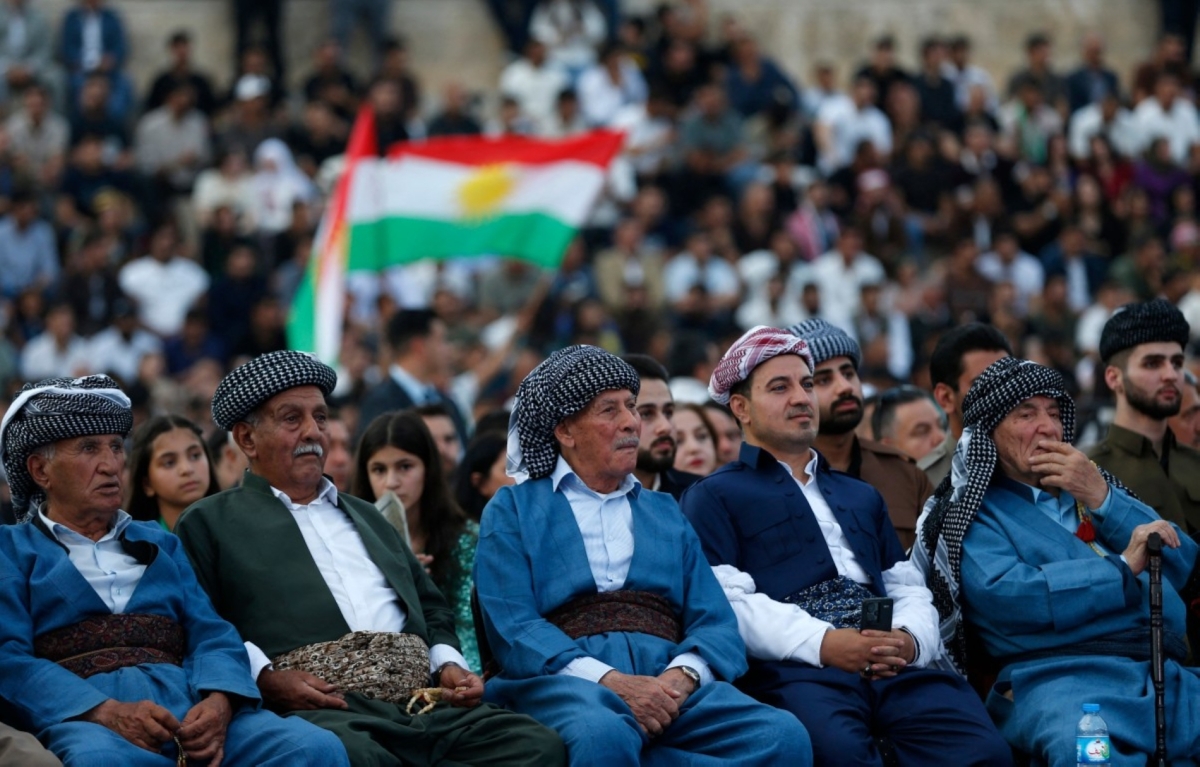

Iraqi Kurdistan is facing its most serious political division since the Kurdistan Region's unification two decades ago. Some are deeply worried about the consequences of the dispute, which began when the two dominant parties failed to agree on the formation of a new regional government. American troops’ withdrawal and the growing influence of Iran are contributory factors, according to a senior Kurdish political source.
In the most recent parliamentary elections, held two years ago, the Kurdistan Democratic Party (KDP) won 39 of the regional parliament’s 100 seats, five of which are reserved for minorities. The Patriotic Union of Kurdistan (PUK) secured 23 seats, while the remainder went to opposition parties, led by the New Generation Movement with 15. Since then, the KDP and PUK have wrangled but failed to make the region’s parliament effective or form a government.
Their disagreement centres on power-sharing. The KDP insists on upholding the Strategic Agreement the two parties signed in 2005, which divided senior offices between them. Under its terms, the PUK would hold the Iraqi presidency, with the KDP agreeing not to field a rival candidate. In return, the KDP would retain the presidency of the Kurdistan Region without PUK opposition.
Today, the KDP argues that its larger parliamentary representation, together with demographic changes (population growth in its strongholds in western Kurdistan), entitles it to more senior positions. The PUK rejects this argument and maintains that it secured the Iraqi presidency through its own alliances (such as with the New Generation Movement), despite the KDP having fielded a rival candidate. It therefore demands a share of senior posts reflective of the combined political strength of its alliance, which holds almost as many seats as the KDP.
This squabbling has resulted in two years of deadlock. Although the parties reached a preliminary understanding that would give the KDP both the regional premiership and the presidency, while allocating the parliamentary speakership to the PUK, negotiations encountered fresh obstacles, such as who controlled the Interior Ministry, the security agencies, and the office of the deputy prime minister and vice-president of Kurdistan (both earmarked for the PUK).
Such tensions have resulted in armed clashes in Iraqi Kurdistan, such as in the mid-1990s, following the popular uprising of 1991 and the Second Gulf War, when the Kurds gained autonomy in northern Iraq. Local elections the following year led to the establishment of a regional parliament and government, but fighting between the two main parties lasted from 1994-96, known locally as ‘the war of the enemy brothers’.
In 1998, American diplomats tried to reunite the Kurdish parties’ respective territories, but Kurdistan remained effectively divided between two administrations. The KDP controlled Erbil and Duhok provinces, while the PUK governed Sulaymaniyah. Each exercised complete authority over administrative, economic, and security affairs in its territory, before they were finally brought together in a unified government under the Washington Agreement in 2006.
A KDP coup?
Recent developments suggest this division could soon return. On 4 November, the KDP parliamentary bloc convened a session without prior coordination or agreement with the PUK, relying on its ability to secure the required quorum of 52 members. The session resulted in the election of KDP candidate Vala Farid as Speaker, accompanied by a call to begin forming parliamentary committees.
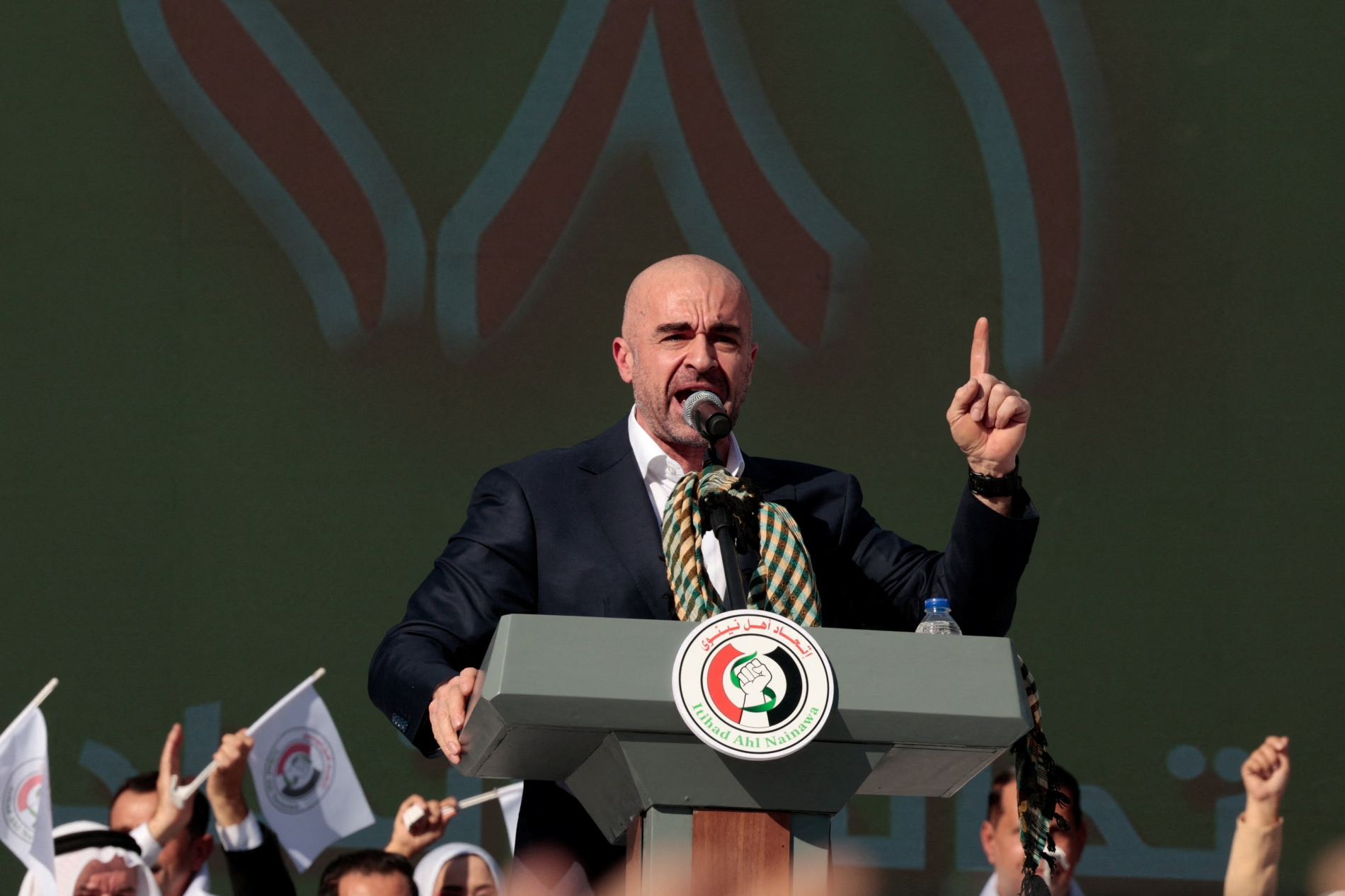
PUK leader Bafel Talabani denounced it as a “coup,” describing the session as illegitimate. He announced the withdrawal of all PUK ministers and threatened escalatory measures if the KDP proceeded with electing parliamentary committees or choosing the region’s president and prime minister. Al Majalla understands that PUK ministers and senior government officials are now holding their meetings in Sulaimaniyah under the chairmanship of Deputy Prime Minister Qubad Talabani.