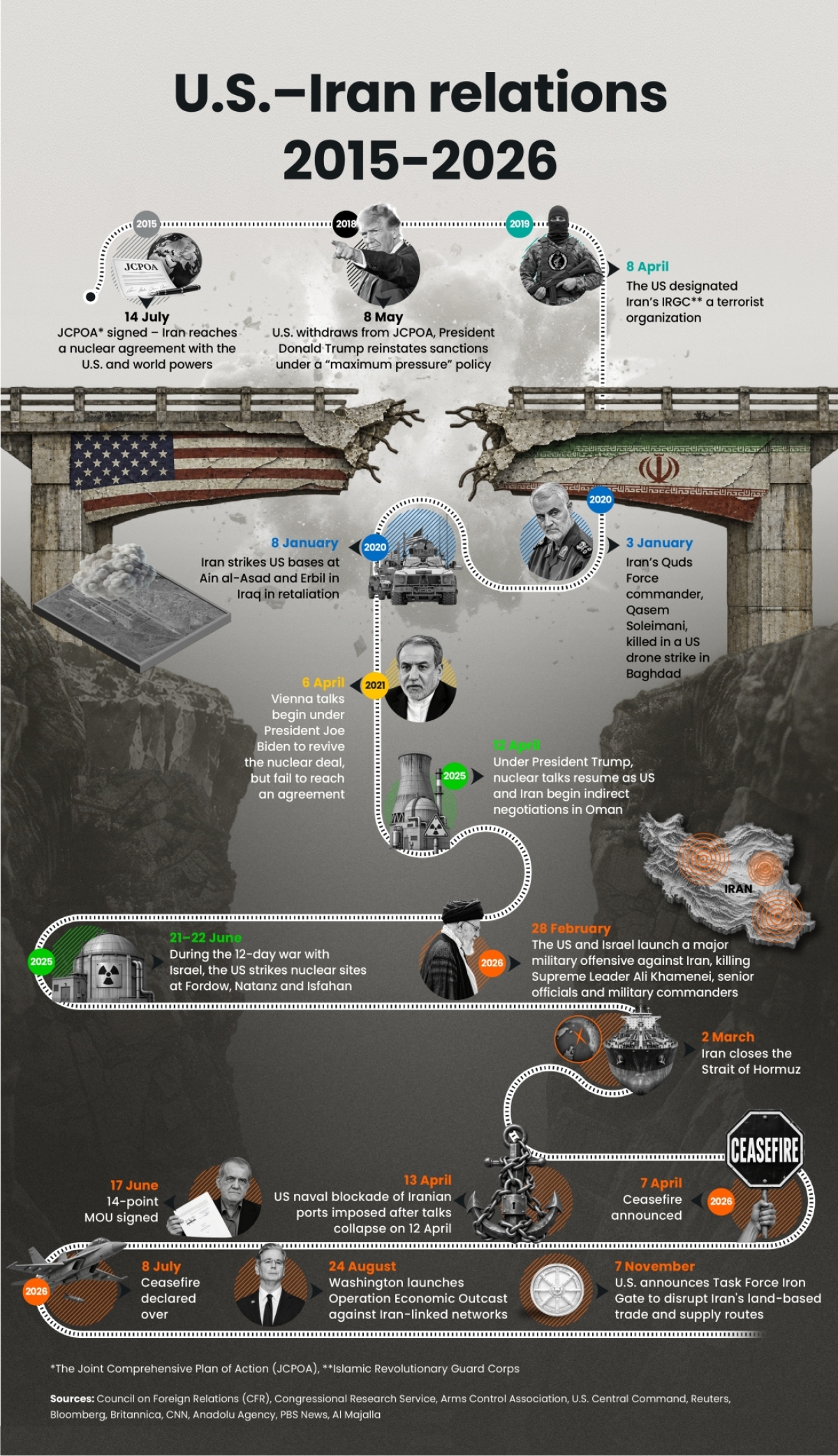

The nuclear deal signed by Iran and world powers on 14 July 2015 did not end decades of hostility between Tehran and Washington. It offered a diplomatic pause in a deeper struggle over influence, security and the balance of power in the Middle East. The roots of that hostility date back to 1953, when the CIA helped overthrow Iranian Prime Minister Mohammad Mosaddegh after he nationalised the oil industry, paving the way for the Shah's return. In 1979, the Islamic Revolution toppled the Shah, and Iranian students seized the US Embassy in Tehran, holding American diplomats hostage for 444 days and ushering in a lasting period of hostility.
On 14 July 2015, US President Barack Obama secured the Joint Comprehensive Plan of Action (JCPOA), under which Iran agreed to curb its nuclear activities and accept stringent international monitoring in exchange for sanctions relief. But the deal left Iran's ballistic missile programme, regional influence and support for armed groups unaddressed, fuelling subsequent US and Israeli opposition.
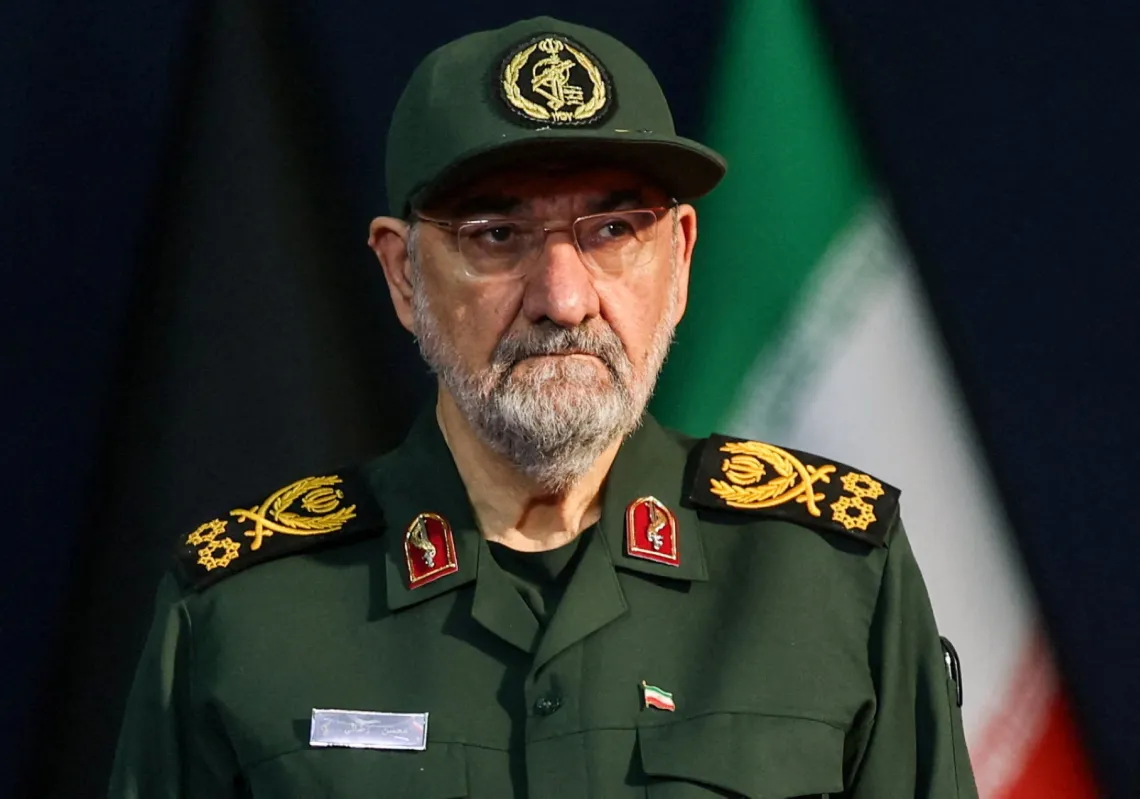
On 8 May 2018, President Donald Trump withdrew from the agreement and launched a "maximum pressure" campaign to force Tehran into a broader deal covering its nuclear and missile programmes and regional activities. Iran responded by breaching nuclear restrictions, increasing uranium enrichment and expanding its regional leverage. In April 2019, Washington designated the Islamic Revolutionary Guard Corps (IRGC) a Foreign Terrorist Organisation.
The confrontation soon extended beyond sanctions. In January 2020, the United States killed Qasem Soleimani, commander of the IRGC's Quds Force and a key architect of Iran's regional network, in a drone strike in Baghdad. Iran retaliated with missile attacks on Iraqi bases hosting US forces. Tehran nevertheless maintained its reliance on allied armed groups across the region to exert pressure without repeatedly engaging in direct confrontation.
Efforts to revive the nuclear deal resumed under President Joe Biden in 2021 but stalled over disagreements on commitments, Iran's nuclear advances and regional issues. The Gaza war in October 2023 opened another front, drawing Iran-backed groups into confrontations across Lebanon, Iraq and Yemen. Meanwhile, tensions between Israel and Iran escalated into direct exchanges of attacks in 2024.