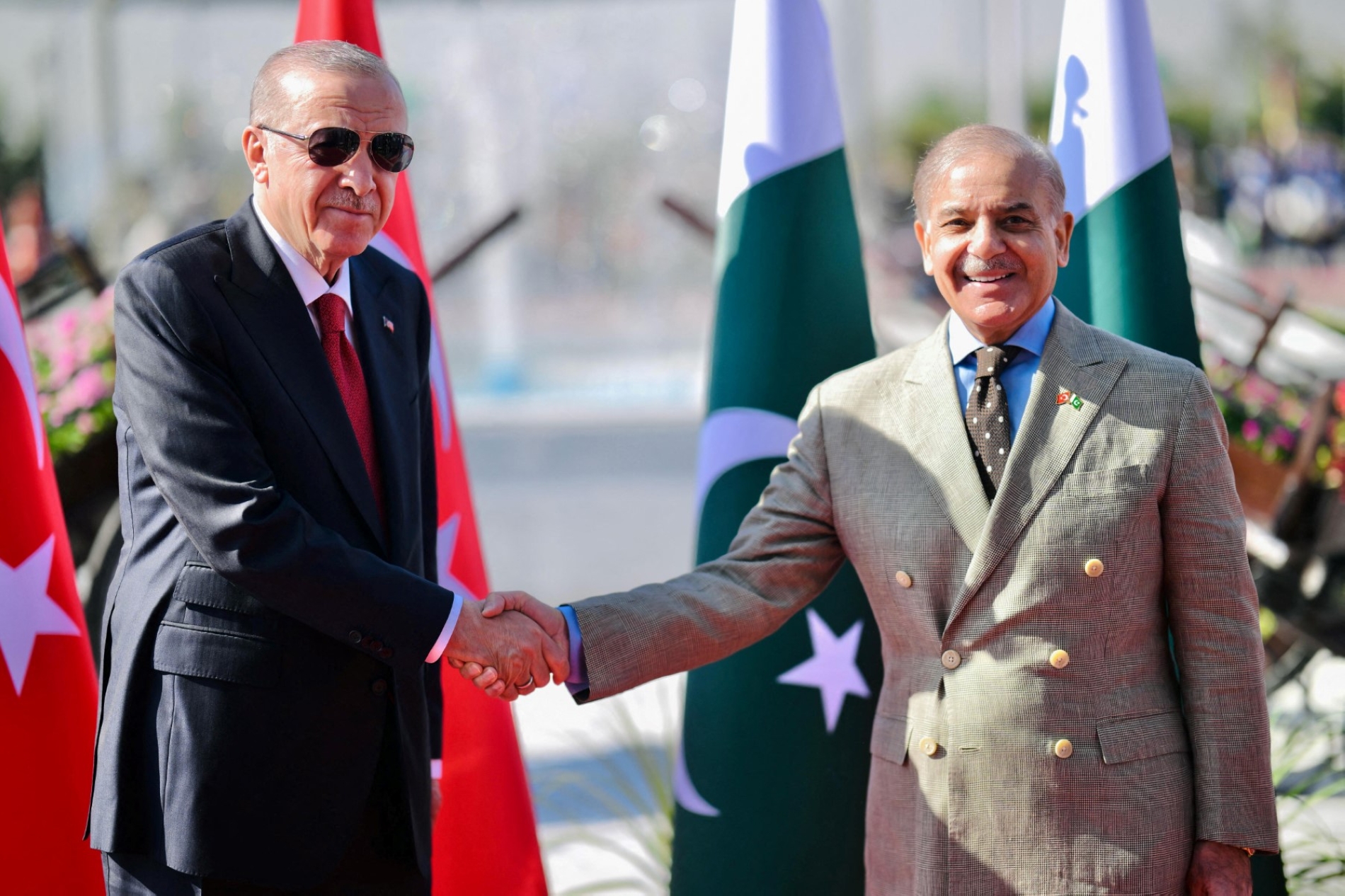

Pakistan’s foreign policy is being tested on several fronts. It is deepening its defence partnership with Saudi Arabia and Türkiye, but at the same time it is preserving its ties with Iran, maintaining its strategic partnership with China, rebuilding relations with Washington, and widening its engagement with Moscow. These relationships are not interchangeable.
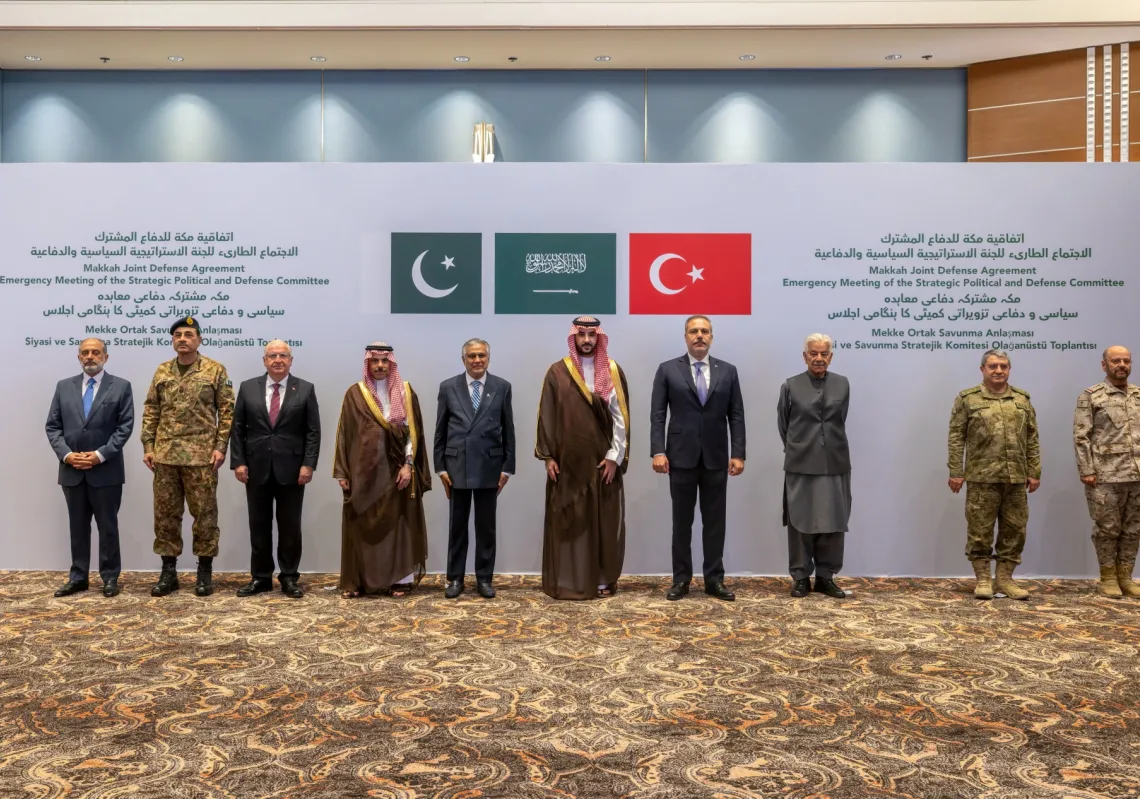
The Mecca Joint Defence Agreement with Saudi Arabia and Türkiye has raised Pakistan’s regional profile, but analysts now wonder whether Islamabad can expand its influence without being drawn into long-term conflicts. Some think it needs to openly define its national priorities, make credible commitments, and retain room to manoeuvre when partners’ interests diverge from its own. While diplomatic access is an asset, converting it into durable influence is harder.
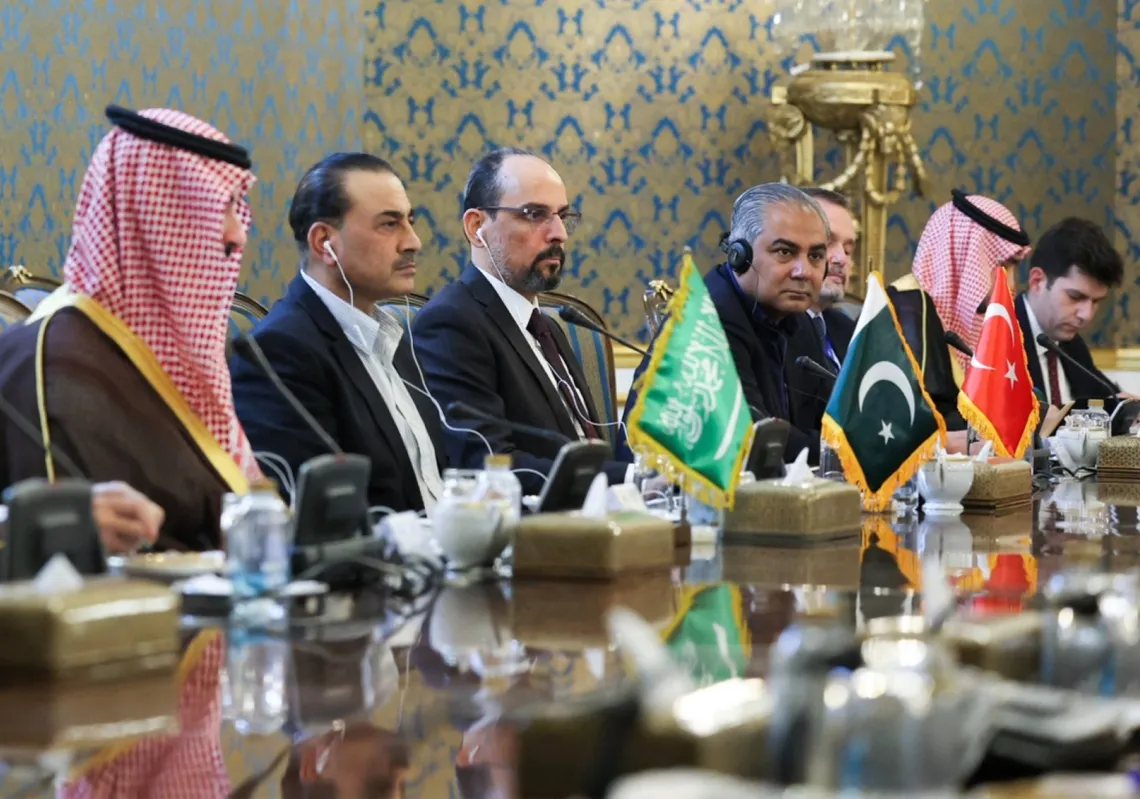
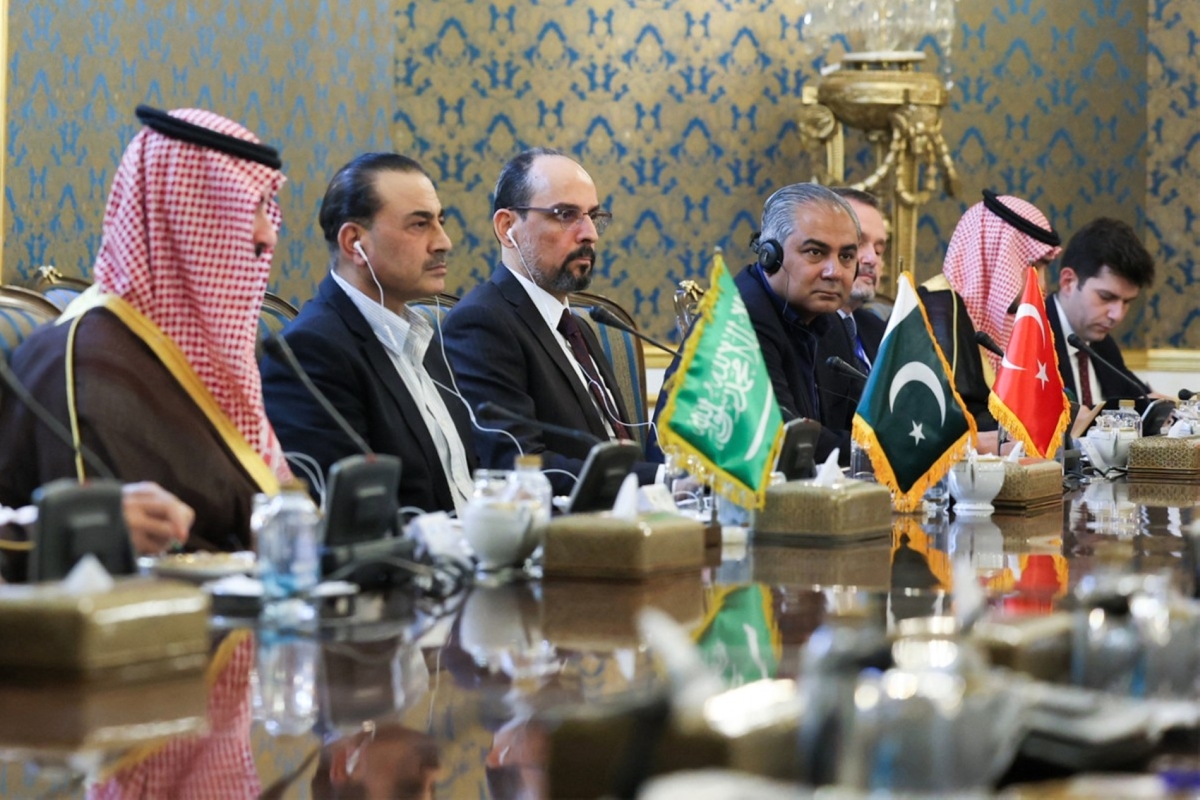
The Mecca agreement, signed by the three states on 7 August 2026, is the clearest expression of this positioning. It states that an armed attack on one will be regarded as an attack on all. Pakistani officials describe the arrangement as defensive and not directed against any one country. A committee has begun institutionalising cooperation, while a secretariat in Saudi Arabia is to be led by a Pakistani secretary-general for the first three years.
For Islamabad, the agreement links a longstanding economic and security partner with a country possessing a capable defence industry and diplomatic reach. Working together could improve training, intelligence coordination, air defence, maritime security, and defence production. It also gives Pakistan a formal place in discussions about a region vital to its energy supplies and commercial interests.
The agreement forms part of a wider expansion of Pakistan’s defence relationships across the Middle East. It has longstanding military ties with Saudi Arabia, the United Arab Emirates, Qatar, and Oman, including training, exercises and procurement, while the Badr memorandum signed in Doha by Pakistan, Qatar, Türkiye, and Indonesia centres on defence production and technology. These arrangements differ in legal scope and should not all be described as mutual-defence pacts, but together they underline Pakistan’s military relevance.
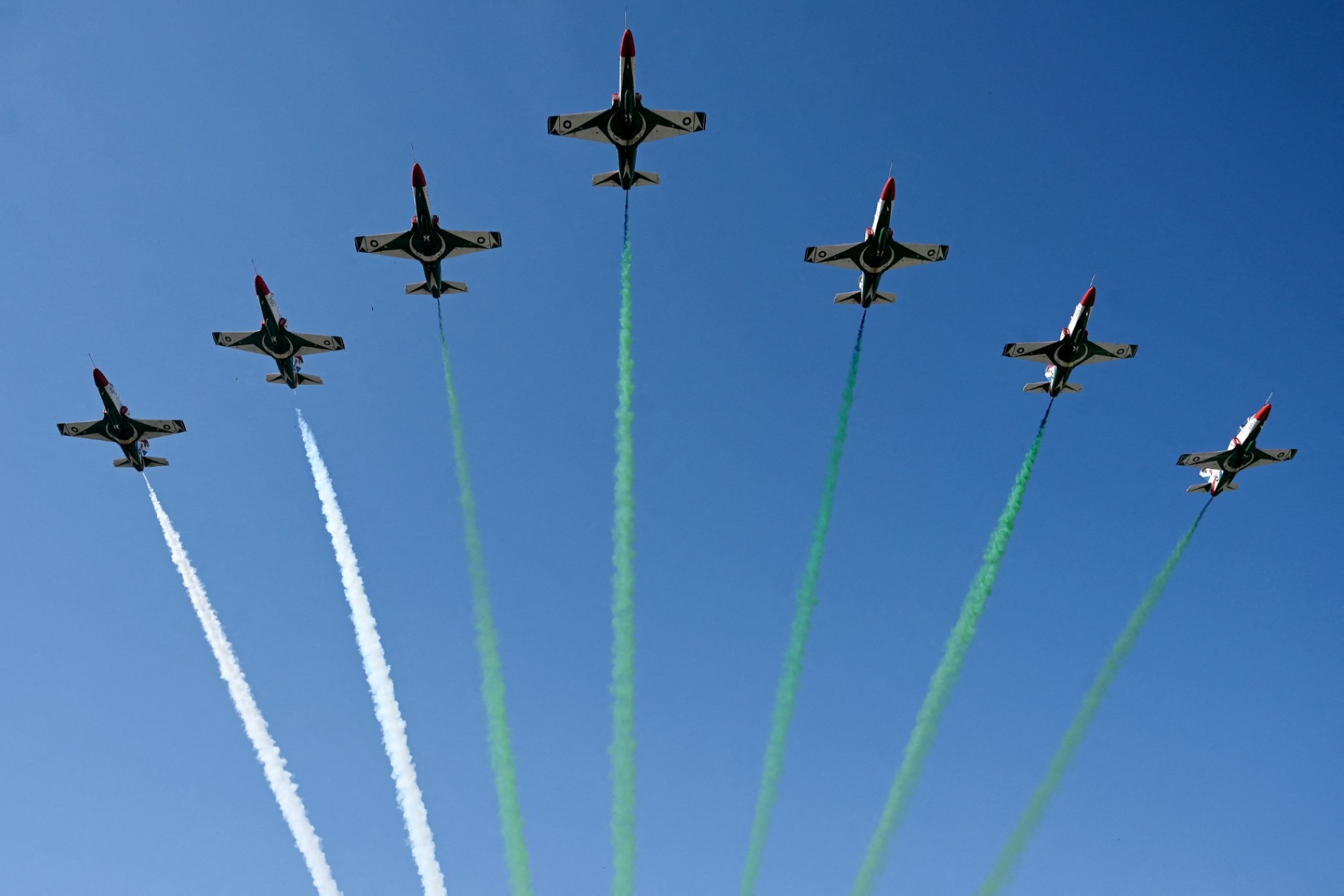
The country has one of the world’s largest militaries, a nuclear deterrent, an established defence-production base, and deep Gulf ties. Its aircraft, training institutions, and naval experience are all assets. Yet Islamabad is keen not to promise more than it can resource, and diplomatically, the most delicate test is Iran, its geographic neighbour with whom it must work on border security and trade.
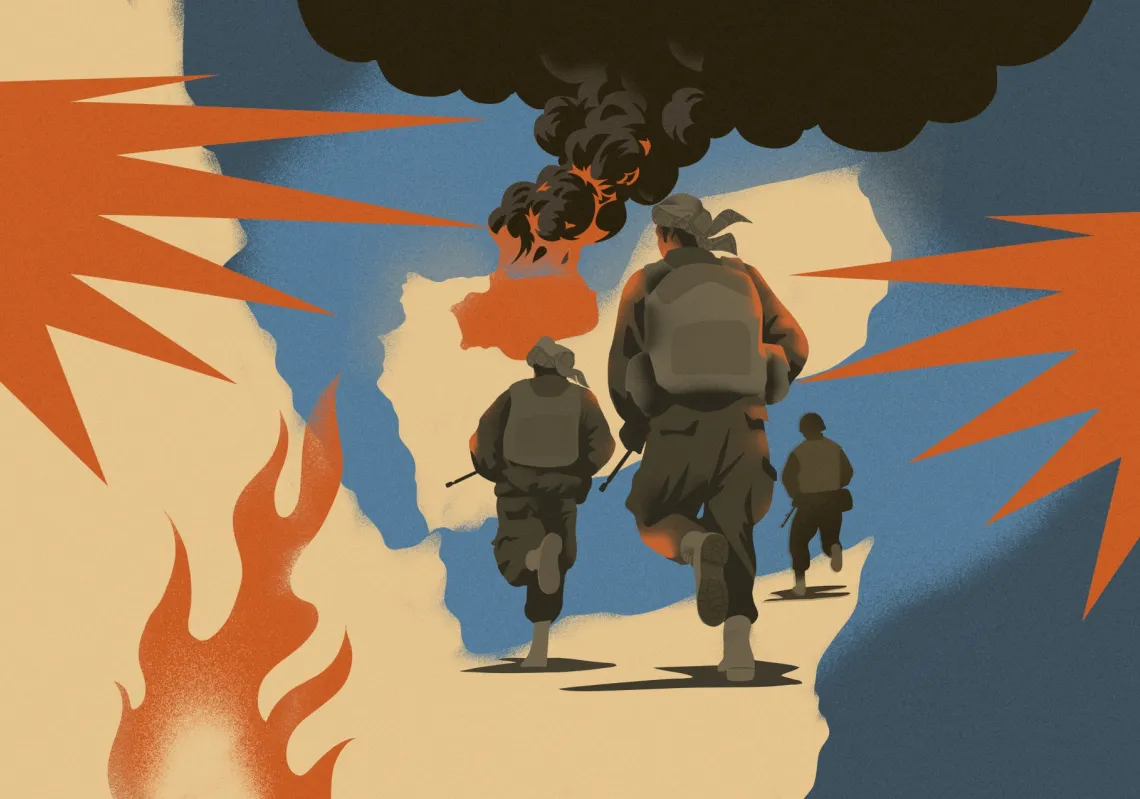
Regional stability requires that these two big countries have functioning relations, but Pakistan’s defence partnership with Riyadh adds a point of tension, given that Saudi Arabia is currently duelling with the Iran-aligned Houthi movement in Yemen. Islamabad wants to support Saudi Arabia’s defensive security while keeping its Tehran channels open and encouraging a negotiated settlement.
This distinction is central to Pakistan’s calculations: helping Saudi Arabia protect its territory and critical infrastructure without joining its war against the Houthis, condemning attacks and supporting defensive coordination while maintaining dialogue with Tehran. Such a policy is difficult, especially when accusations and military incidents increase pressure to align publicly with one side or the other, but abandoning either relationship would be costly.
Iran war impact
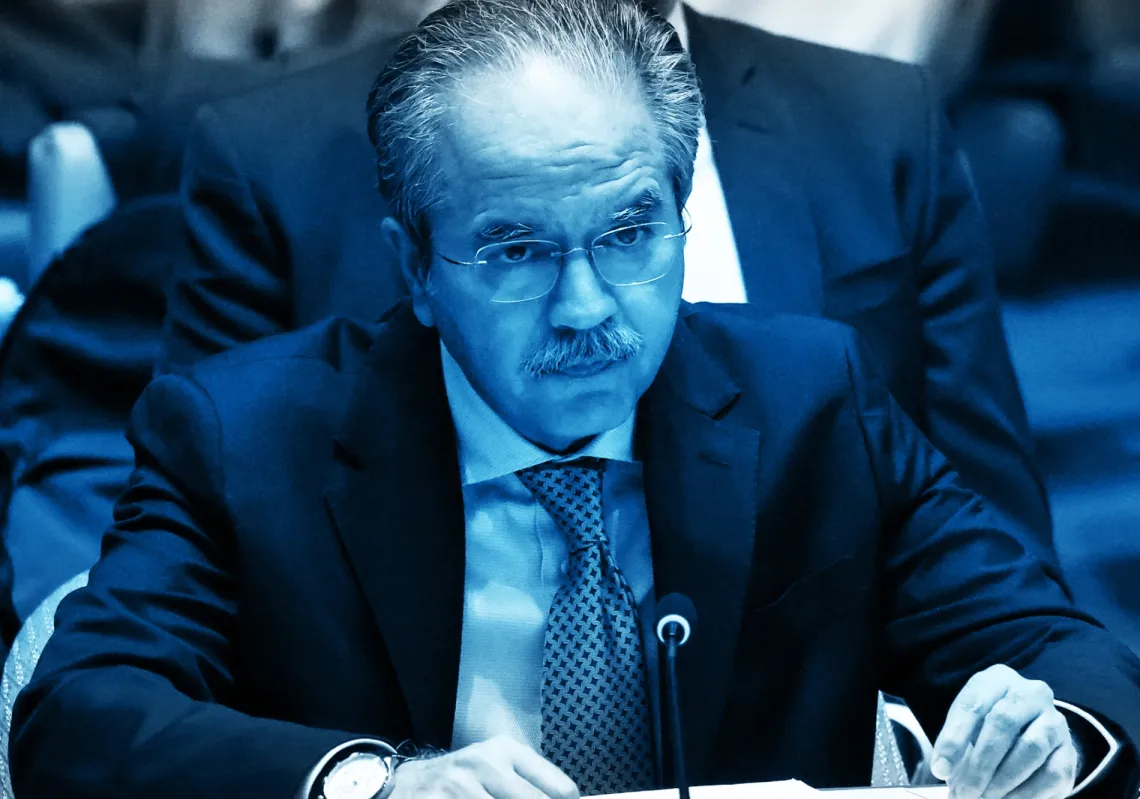
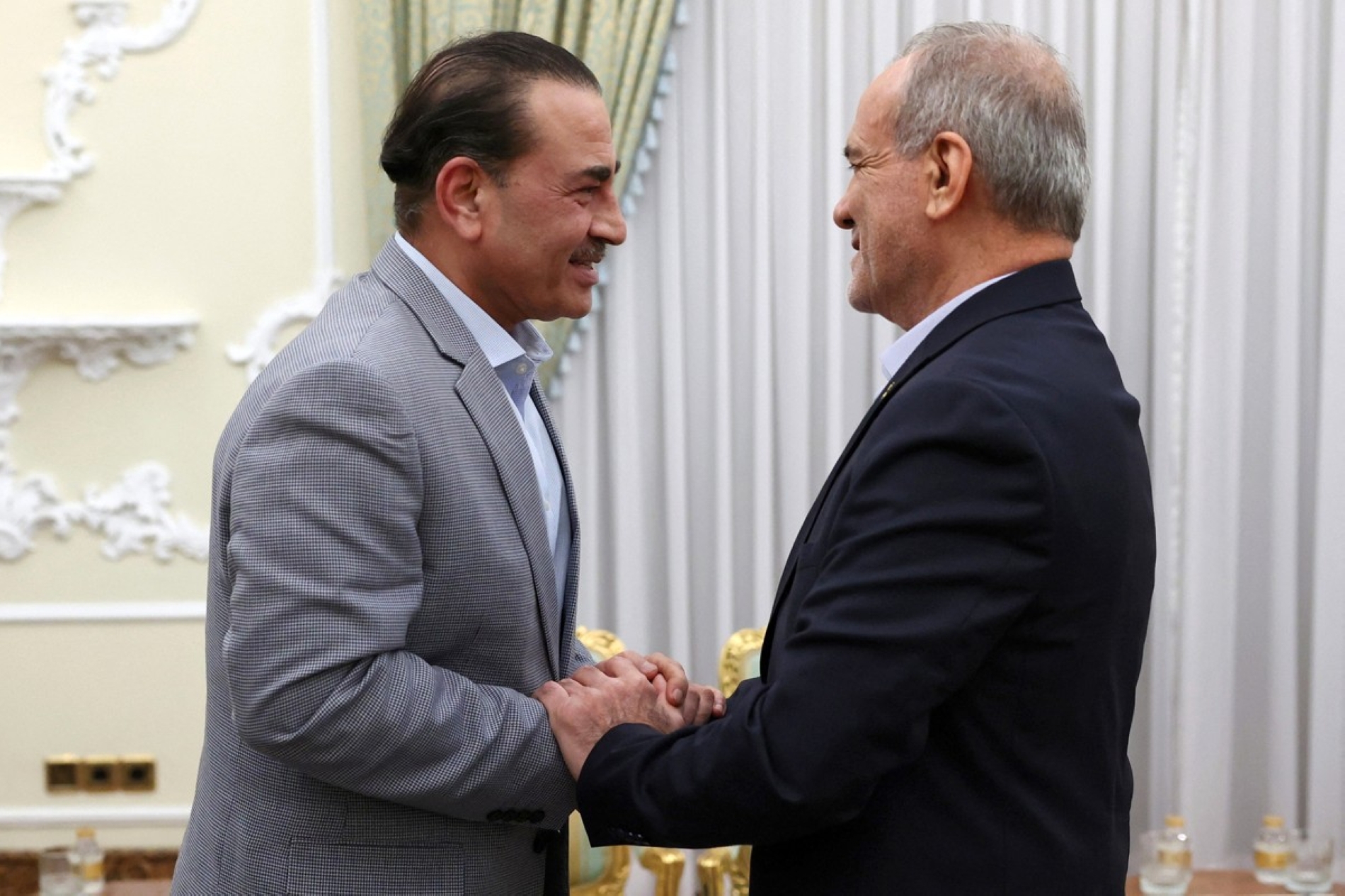
The US-Israeli war on Iran has made this balancing act more urgent, given its impact on regional stability and maritime trade. Pakistan has used its access to Tehran and the Gulf capitals to seek de-escalation, with Field Marshal Asim Munir featuring prominently in discussions with Iranian political and security figures, together with Saudi and Turkish officials. But Pakistan cannot dictate Iran’s nuclear decisions, determine Washington’s military posture, or guarantee Houthi acceptance.
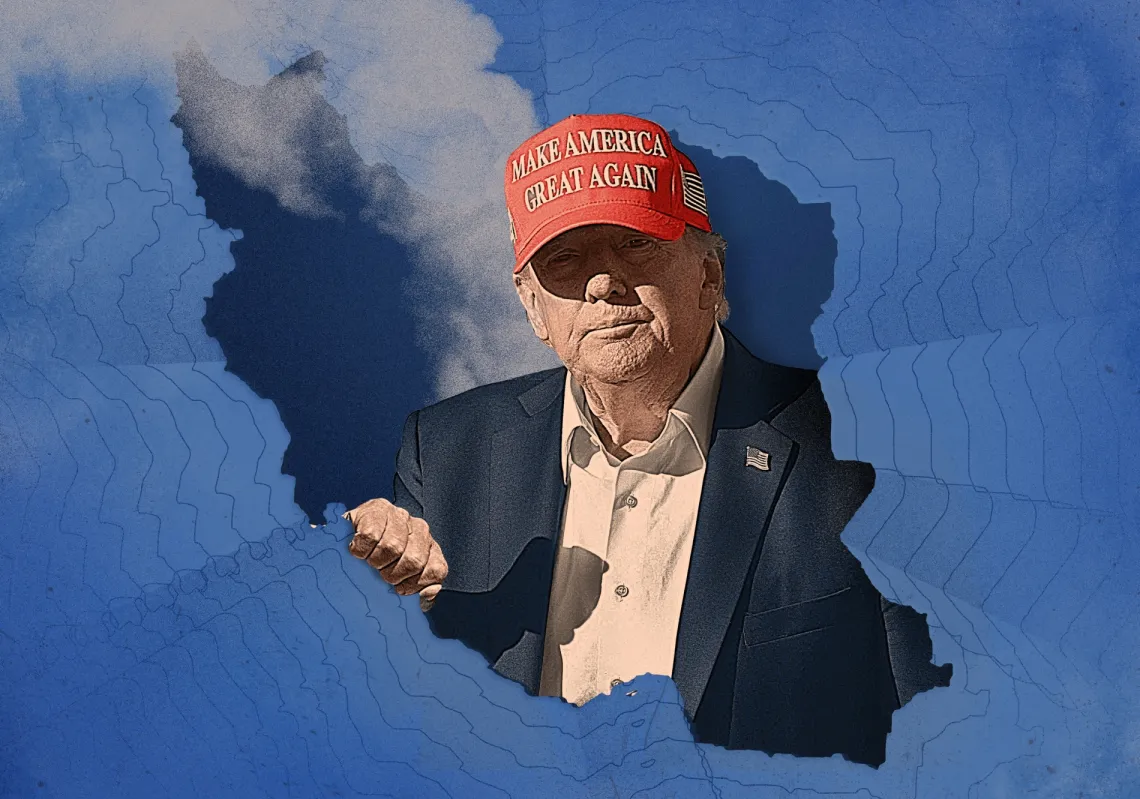
Pakistan’s credibility depends on communication and honesty about what it can deliver. If Iran sees Islamabad as an instrument of the Saudis or the Americans, its credibility disintegrates. Likewise, if Saudi Arabia doubts Pakistan’s support for its defence, the Mecca agreement loses credibility. As far as Washington is concerned, Pakistan has worked with both Democratic and Republican administrations, but relations have been especially strong under President Donald Trump.
The US midterm election results have given the Democrats Congress in a major setback for Trump, a Republican president. Domestically, it will constrain his legislative agenda and increase scrutiny, but Trump retains a lot of executive powers over foreign policy. The US needs to work with Pakistan on issues such as Afghanistan, counterterrorism, and the Middle East, and the South Asian state’s geography, intelligence, and regional access make it too useful for the US to ignore.
Islamabad can expect more constructive engagement with Trump for the final two years. If Democrats win the White House in 2028, then policy language and priorities may change, but underlying interests will remain the same, and Pakistan will continue to work across administrations, not just with one president. Economic ties reinforce that logic. US-Pakistan trade was worth $11.5bn in 2025.
Top strategic partner
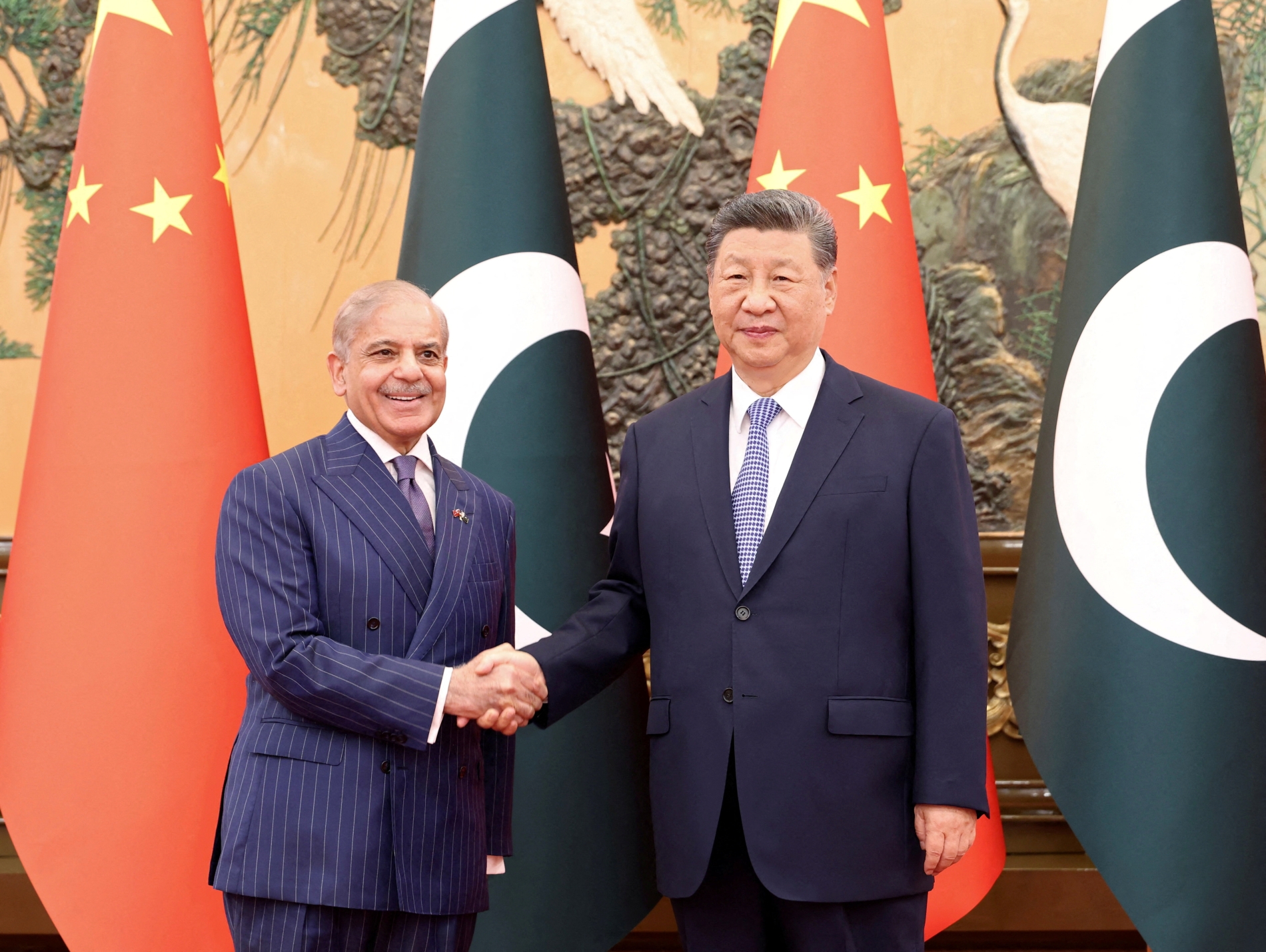
Despite its ties to Washington, however, China remains Pakistan’s most consequential strategic partner and a major defence supplier. The China-Pakistan Economic Corridor (CPEC) is central to that relationship. Chinese investment of around $25bn was made during CPEC’s first phase, which added nearly 8,000 megawatts of power-generation capacity.
The next phase focuses on industry, agriculture, minerals, technology, and business-to-business investment, but more than trade, their partnership is rooted in geography and strategic calculation. China offers infrastructure, military technology, and diplomatic support, whereas Pakistan offers access to the Arabian Sea and a partner in a strategically important region.
Balancing Washington and Beijing means more than just not choosing one side over the other. Pakistan needs Chinese investment and defence ties, but it also needs Western markets, finance, and technology. Its national interest lies in preventing its territory, infrastructure, or diplomacy from becoming instruments of great-power competition.