Europe’s gathering storm

Brussels faces pressure on all sides: sustained economic stagnation, a worsening geopolitical environment, and domestic challenges brought by the rise of populism

Ewan White

Europe’s gathering storm

The 1990s were a high point for ‘Euro-optimism’ – a positive belief by supporters of the European Union (EU) in the future integration and success of European states. The decade began with Germany reuniting, ended with the launch of the Eurozone, and in the middle saw many former Communist countries in Eastern Europe transition to market democracies and apply to join the bloc.

The European Community, meanwhile, previously the European Economic Community, became a key pillar of the new EU created by the Maastricht Treaty. While there were some setbacks—not least Brussels’ inability to prevent the conflicts as Yugoslavia collapsed—many entered the new millennium hopeful that a new, united Europe could put aside the divisions of the two world wars and the Cold War and take its place as a leading global actor.

Fast forward a quarter of a century and the picture today is far less sanguine. While the EU survived the turbulence of the eurozone and Greek debt crises in the late 2000s, and the UK’s exit a few years later, any dreams that the EU might emerge as a global power centre comparable to the US or China have largely faded. Instead, Brussels faces pressure on all sides: a worsening geopolitical environment, sustained economic stagnation, and domestic challenges brought by the rise of populism.

Geopolitical challenges

The most pressing threat, as it has been since 2022, is Russia. As Finland’s president Alexander Stubb remarked last year, Europe enjoyed something of a “holiday from history,” immediately after the Cold War, with the continent largely spared major conflict between the 1999 Kosovo campaign and Russia’s annexation of Crimea in 2014. This allowed governments to reduce defence spending and, theoretically, enjoy the ‘peace dividend’.

Vladimir Putin’s invasion of Ukraine four years ago shattered that illusion. The EU and its member states have mobilised €225bn in financial, military and humanitarian support for Kyiv since 2022, as leaders further west fear victory in Ukraine will prompt Putin to strike deeper into Europe. With Russia increasing shadow operations against European targets, containing Moscow is now viewed as an existential goal.

To this end, defence spending has skyrocketed to over 2.2% of GDP on average, but as high as 3.5-5% in frontline countries like Poland and the Baltic states, while the EU has created new instruments, like Security Action for Europe (SAFE), offering up to €150bn in loans to support joint defence procurement. But the pressure keeps growing. In September, Germany officially attributed an attempted drone attack at Leipzig/Halle airport to Russia, while the war in Ukraine continues, with Moscow launching heavier attacks on key infrastructure.
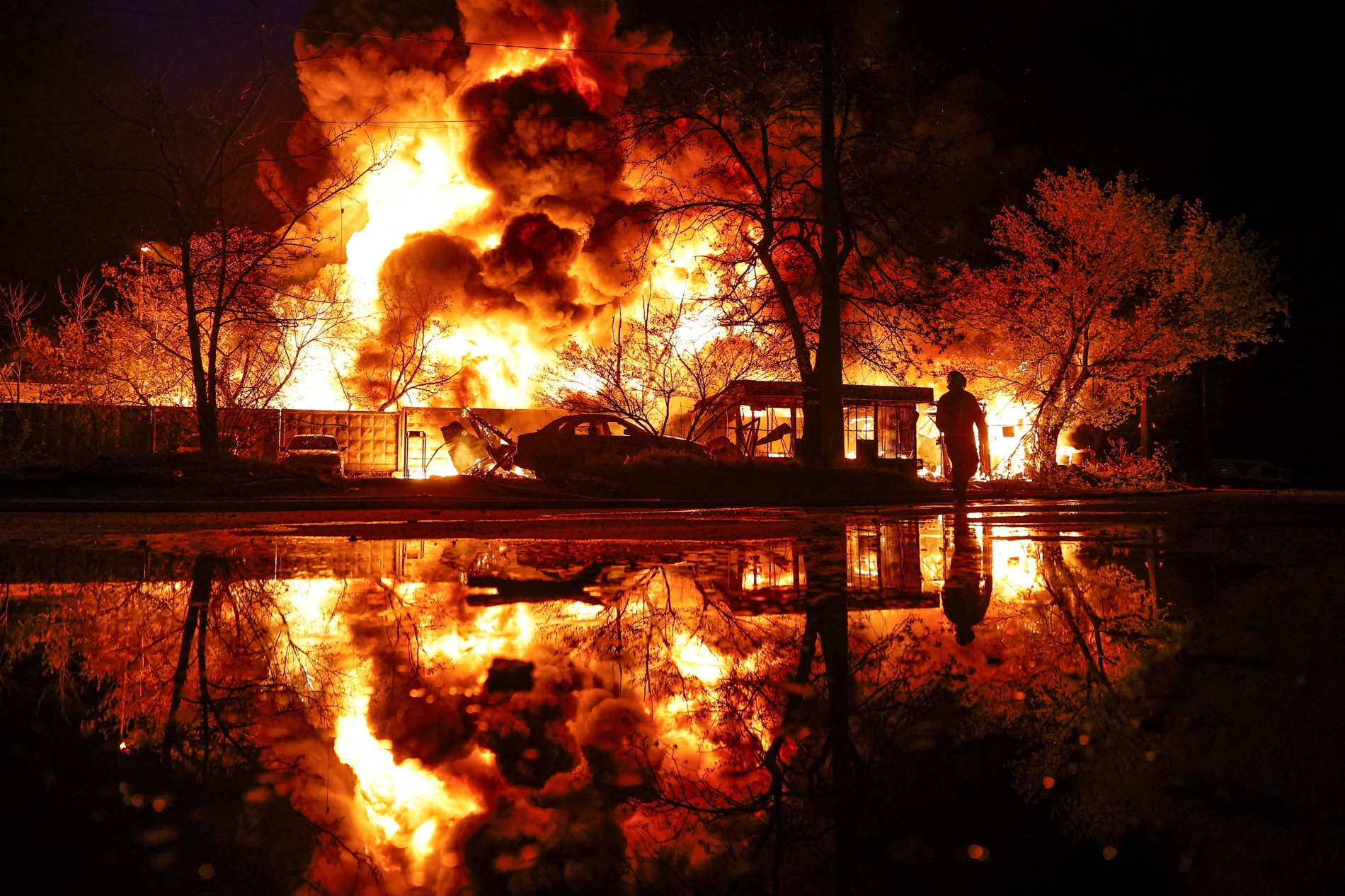
REUTERS/Valentyn Ogirenko
A firefighter works at the site of a recyclable materials warehouse hit by a Russian missile strike, amid Russia's attack on Ukraine, in Kyiv, Ukraine, on 16 April 2026.

Russia's increased aggression has been compounded by another growing geopolitical concern: the unreliability of the US under Donald Trump. European leaders, including the UK, initially sought to placate Trump, despite the high tariffs he imposed and his hostile rhetoric. Frequent attempts were made to persuade him to continue to back Kyiv and ensure Ukraine was not sidelined in negotiations.

But more serious fissures have since emerged. Trump’s 2025 national security strategy criticised European governments and expressed optimism about their growing populist opponents. The president’s repeated efforts to ‘acquire’ Greenland over the objections of Denmark. Most recently, the war on Iran, which European states broadly opposed, prompted an angry response from the White House. Even before Trump’s election, European leaders knew the US was less committed to European defence, and they must prepare to face down Russia alone if necessary, but Trump has raised the prospect of an openly hostile United States, sniping at Europe from across the Atlantic.
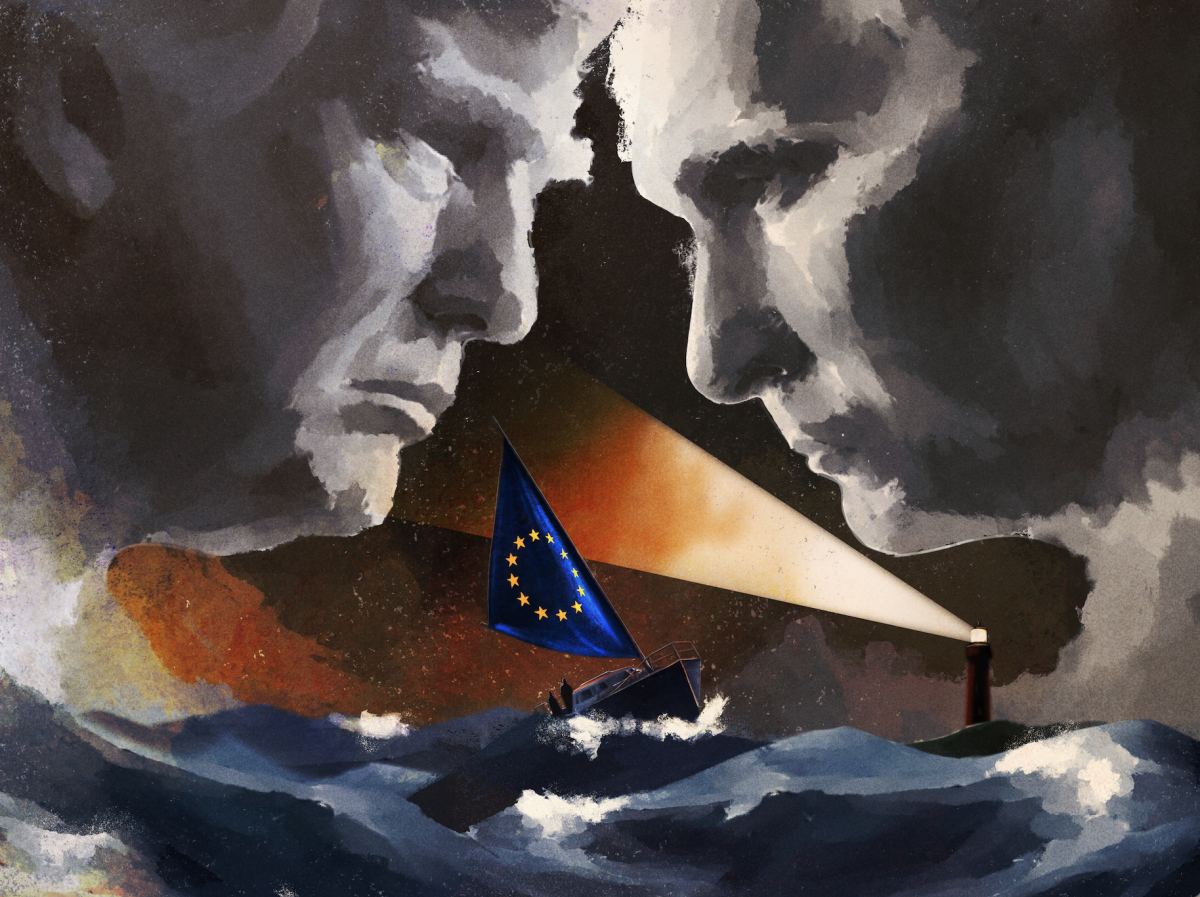
Various crises at home and abroad show a reactive bloc, seeking to nervously steer its ship through rough waters rather than setting the agenda

Economic stagnation  

Continued economic stagnation across the continent adds another layer of difficulty. The Eurozone has endured sluggish growth since the 2020 pandemic, but that trend has been exacerbated by the energy crises caused firstly by the 2022 Ukraine war, and now by the Strait of Hormuz and Bab al-Mandab crises. While the US, which enjoys its own energy supply, has grown by an average of 3.4% in the past five years, the EU has grown by around 2.6% in that time. Moreover, the productivity gap has widened with EU labour productivity well below US levels. In fact, the larger European economies are even worse, with much of Europe's success coming in a handful of success stories like Poland and Spain.

France, for example, is forecast to grow just 0.8% in 2025-6 while Germany grew barely 0.2% last year and is forecast to grow 0.6% in 2026. Related high debt levels, with French public debt now around 119% of GDP, mean European governments are increasingly exposed to rising global borrowing costs. France in particular is coming under pressure, with bond yields rising amid concerns over its financial position and the wider inflationary effects of Trump's war. Though the European Central Bank is well placed to intervene should contagion spread, the growing crisis could add yet another economic challenge.

Reuters
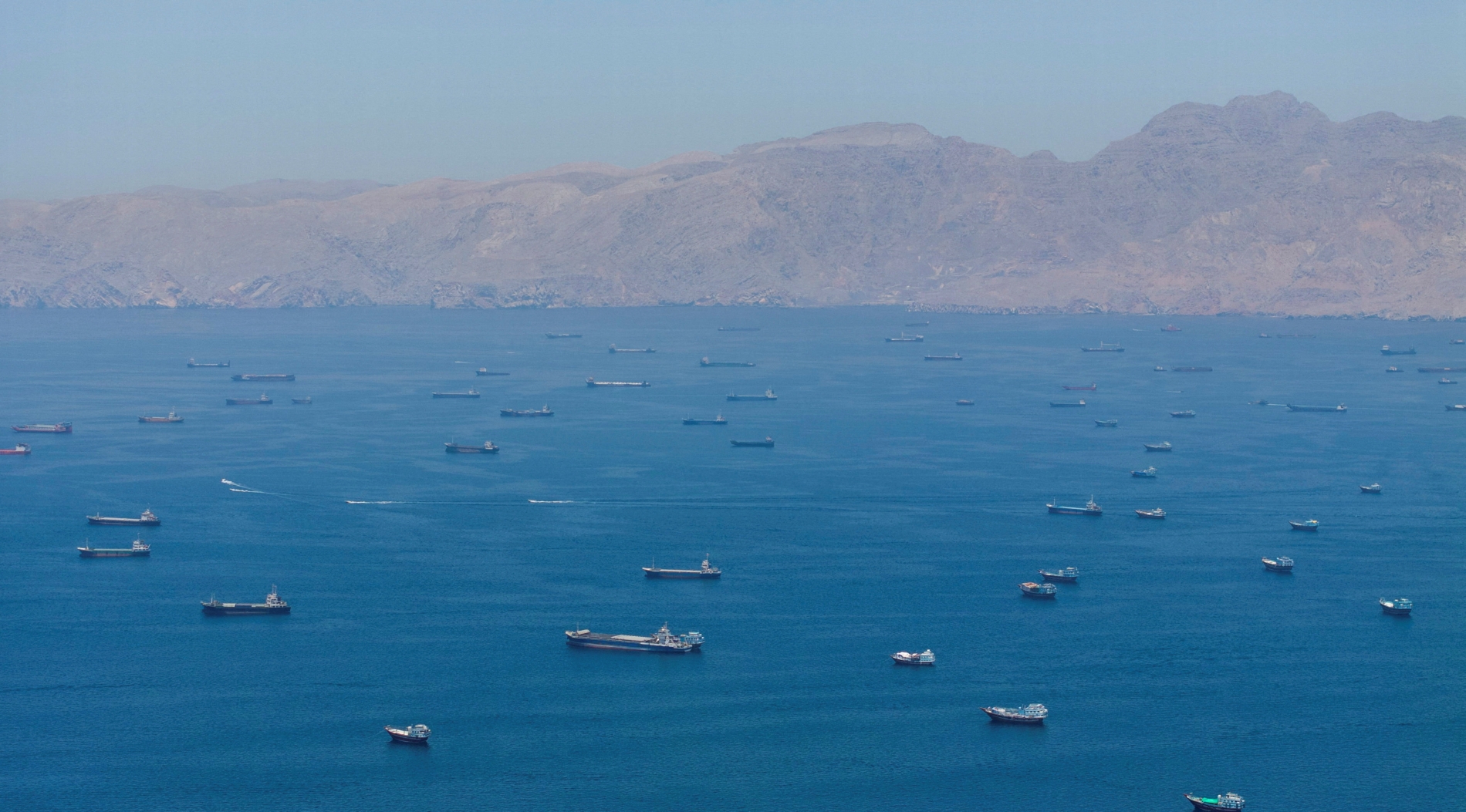
An aerial view showing ships anchored in the Strait of Hormuz, as seen from Musandam, Oman, on 25 May 2026.

These economic problems intersect with the geopolitical troubles. Trump's war in Iran, disruption around Hormuz, continued restrictions on Russian energy, and the US' proposed ban on exporting US diesel in September threatened to worsen the squeeze on Europe—despite the G7 agreeing to release 100 million barrels of fuel from emergency reserves.

Conscious of its economic precarity, the EU has taken a more ambivalent approach to China than the US. While Trump, and Biden before him, have generally taken a hawkish line on Beijing, European leaders have been more cautious, often hedging at times of poor relations with Trump. On the other hand, Germany and France have recently urged the EU to develop emergency measures to prevent trade partners from distorting the market in their favour, concerned that the growing EU-China trade deficit and dependence on Chinese supply chains are becoming economically and strategically damaging.

Meanwhile, the EU finds itself caught between the growing rivalry between Washington and Beijing on Artificial Intelligence. While some European powers have sought to develop their own AI ecosystems to create a degree of 'digital sovereignty ', the continent lacks the capital and united political will to seriously rival either of the two dominant AI powers. At best, this could leave European states and economies dependent on Chinese and/or American AI, producing sizable trade deficits. At worst, if the rivalry turns harsher, European states and companies could increasingly be forced to pick a side.

Populist peril

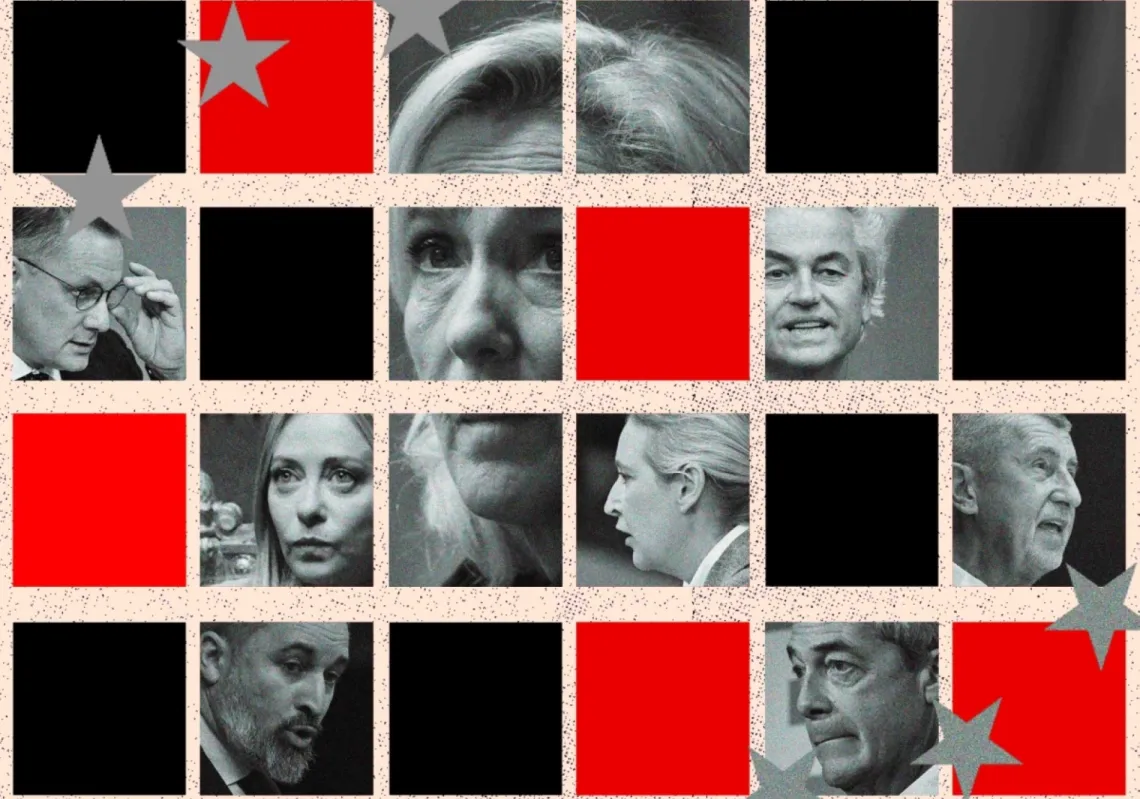
Amid growing geopolitical dangers and economic stagnation, European leaders continue to face the ongoing threat of populism. This is nothing new, and right-wing populists have stalked the EU for decades. In some ways, the EU is under less threat from populists than it once was. Several populists have won power and, once in office, proven less hostile to the EU. Italy's Prime Minister, Giorgia Meloni, for example, has moderated her stance towards Brussels since entering office in 2022. In the Netherlands, Geert Wilders's Party for Freedom won the 2023 elections on a platform that included a referendum on EU membership, but he abandoned the idea during coalition negotiations. His coalition ultimately collapsed in 2025 after Wilders withdrew from government.

Meanwhile, Poland's populists, the PiS Law and Justice Party, lost power in 2023, while Hungary's notoriously Euro-sceptic premier Viktor Orban was defeated in 2026 after 16 years in office. These populists have largely been limited to comparatively peripheral members, but now both France and Germany, the EU's beating heart, face the prospect of far-right parties gaining greater power.

REUTERS/Sarah Meyssonnier
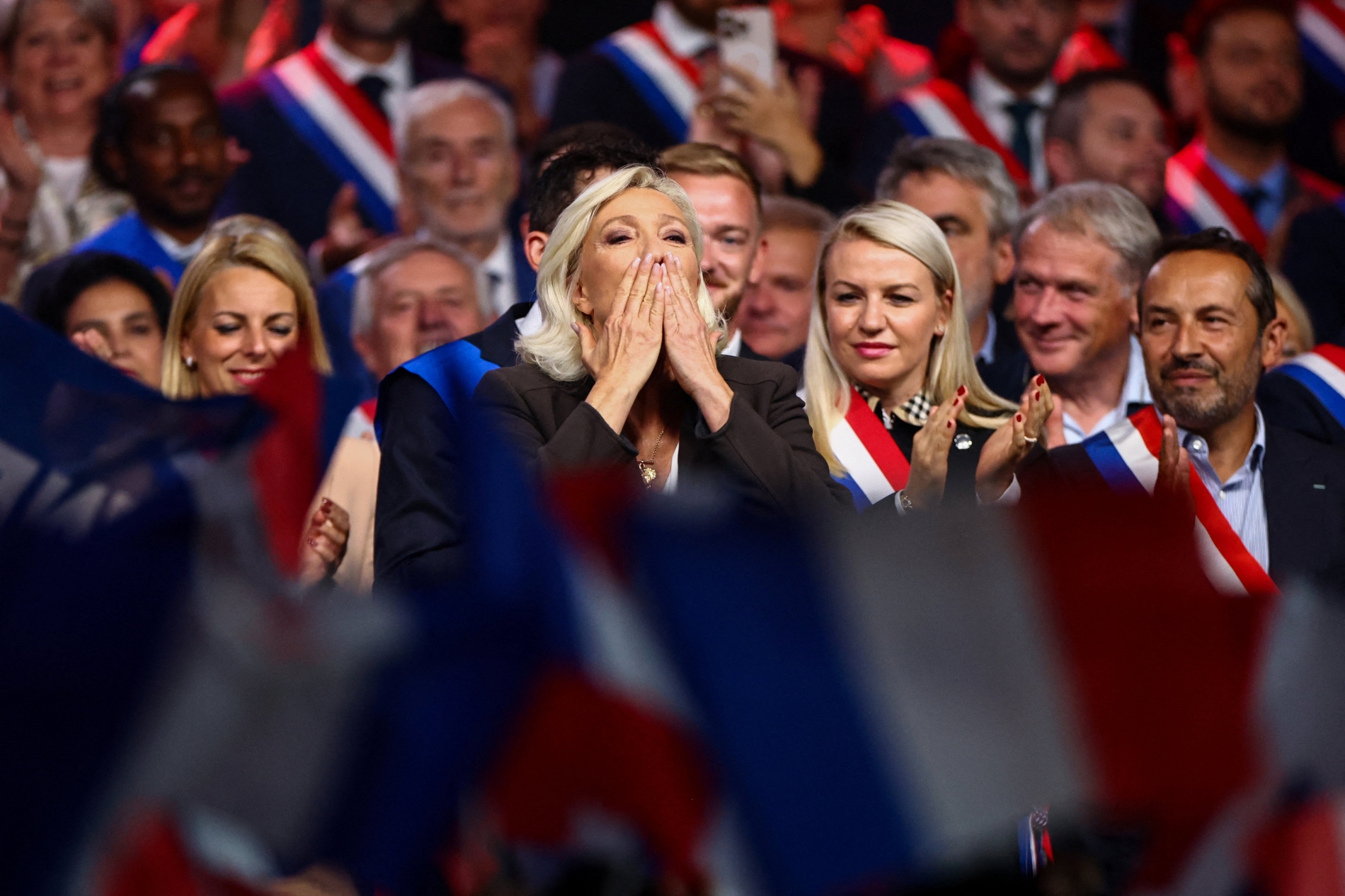
Marine Le Pen, French far-right leader and member of parliament, who is running in the 2027 French presidential election delivers a speech in Henin-Beaumont, northern France, on 13 September 2026.

In France, Marine Le Pen currently leads the polls to win the 2027 presidential election. On Sunday, she officially launched her presidential campaign amid mass protests and social and economic discontent. Meanwhile in Germany, Alternative Fur Deutschland (AFD) recently won Saxony-Anhalt's state elections and is ahead in most national opinion polls. Were either to triumph, this may not prove existential for the EU in the way it once might have. Le Pen no longer advocates France leaving the Union, while an AfD strategy paper recently suggested that the party would first seek to transform the EU into a looser alliance of sovereign states, with a referendum on German membership only if treaty renegotiation failed. 

However, at the minimum, both advocate a far more nationalist view of Europe, wanting to return sovereignty to national capitals, weakening the EU's ability to act collectively. Such a move would curtail Europe's ability to pool resources and develop common solutions for the geopolitical and economic challenges outlined above. Given that Trump seems to favour a weakened Europe, it is therefore perhaps unsurprising that his national security paper lionised the right-wing populists. 

The idealists of the post-Cold War era dreamt of an EU that expanded and thrived, not the sluggish, embattled bloc we see today

Rough waters ahead

A Euro-optimist might argue that Europe is no stranger to internal and external challenges but, since the EEC was first formed in 1957, has found ways to overcome them. This is a fair point, and the various threats currently facing the continent could well subside before reaching a critical point. But at the same time, it's also clear that the bloc is a long way from the 1990s dream of becoming a major geopolitical player.

The various crises at home and abroad show a bloc that is frequently reactive rather than proactive, seeking to nervously steer its ship through rough waters rather than setting the agenda in the way that, for good or ill, Donald Trump and Xi Jinping appear to be doing. The idealists of the post-Cold War era dreamt of an EU that expanded and thrived, not the sluggish, embattled bloc we see today.

font change