
The 1990s were a high point for ‘Euro-optimism’ – a positive belief by supporters of the European Union (EU) in the future integration and success of European states. The decade began with Germany reuniting, ended with the launch of the Eurozone, and in the middle saw many former Communist countries in Eastern Europe transition to market democracies and apply to join the bloc.
The European Community, meanwhile, previously the European Economic Community, became a key pillar of the new EU created by the Maastricht Treaty. While there were some setbacks—not least Brussels’ inability to prevent the conflicts as Yugoslavia collapsed—many entered the new millennium hopeful that a new, united Europe could put aside the divisions of the two world wars and the Cold War and take its place as a leading global actor.
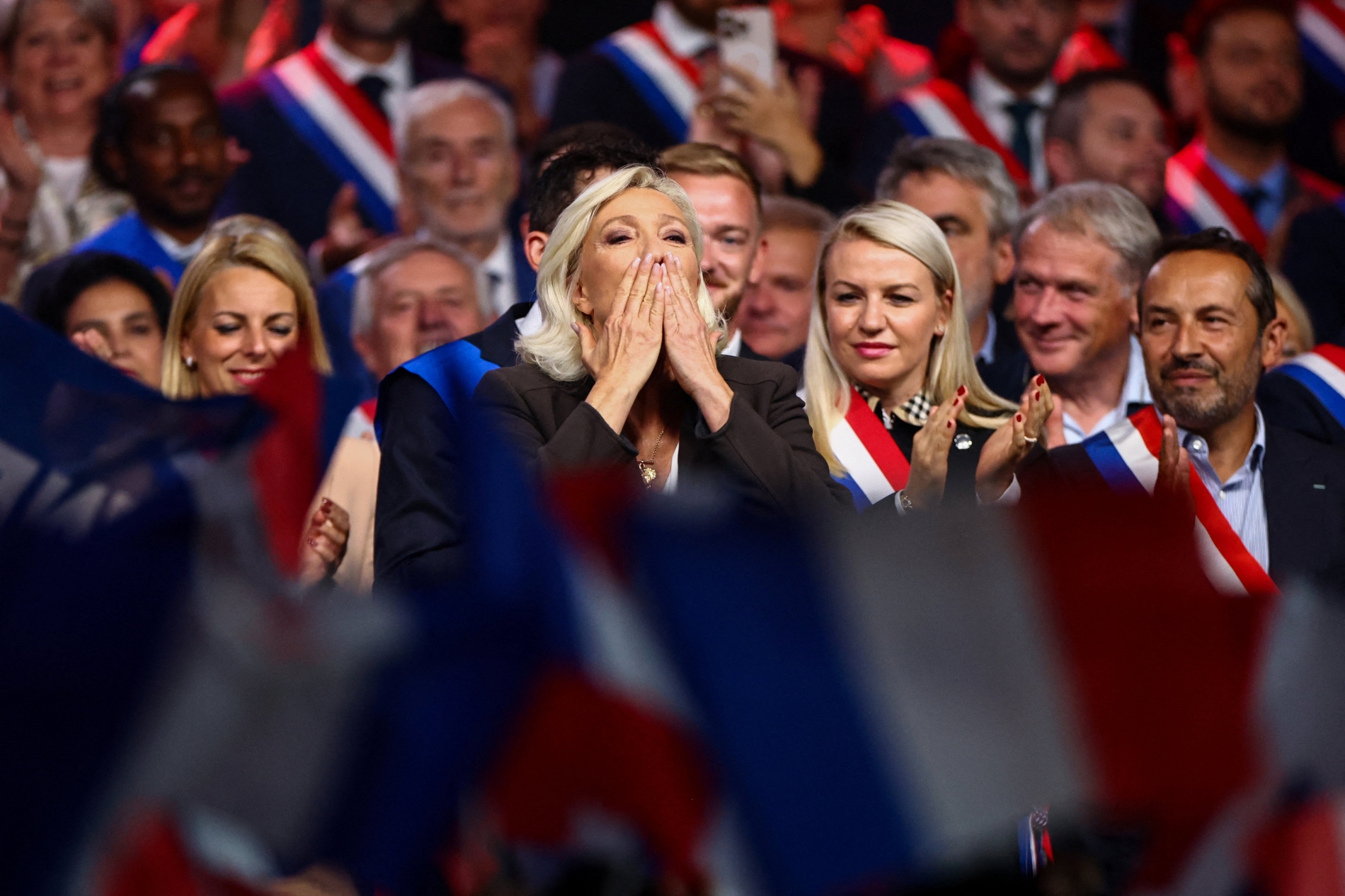
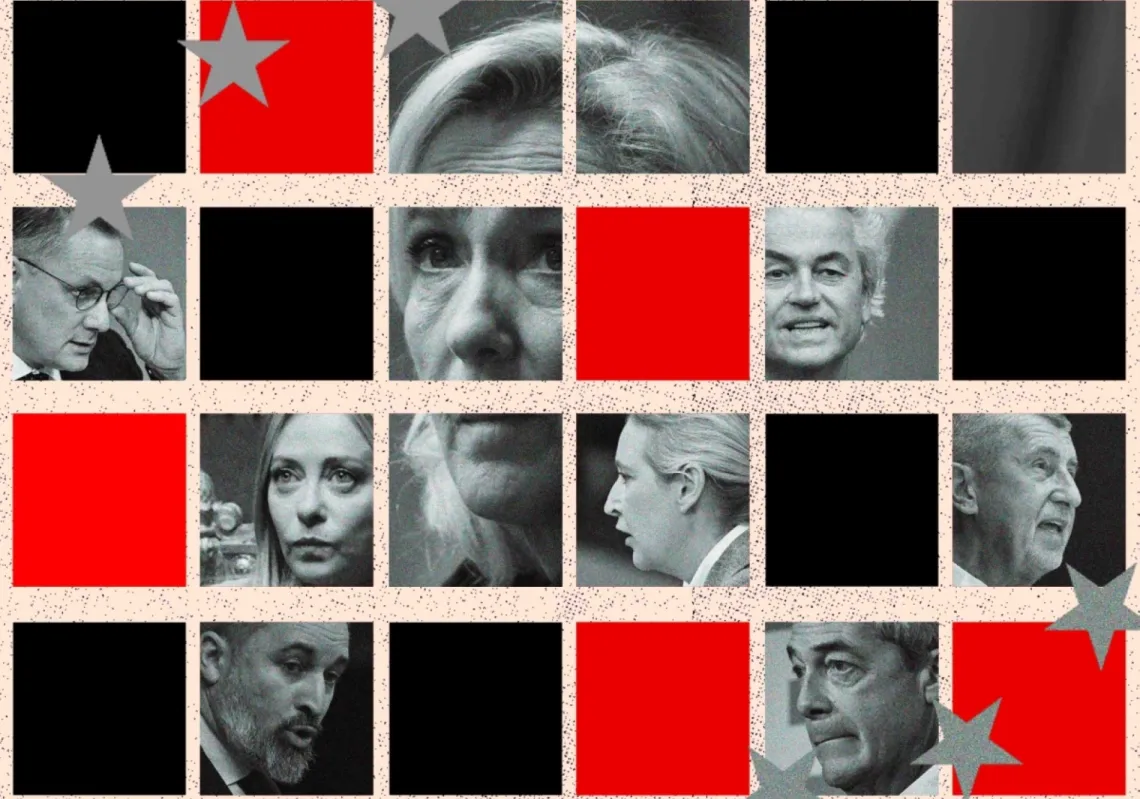
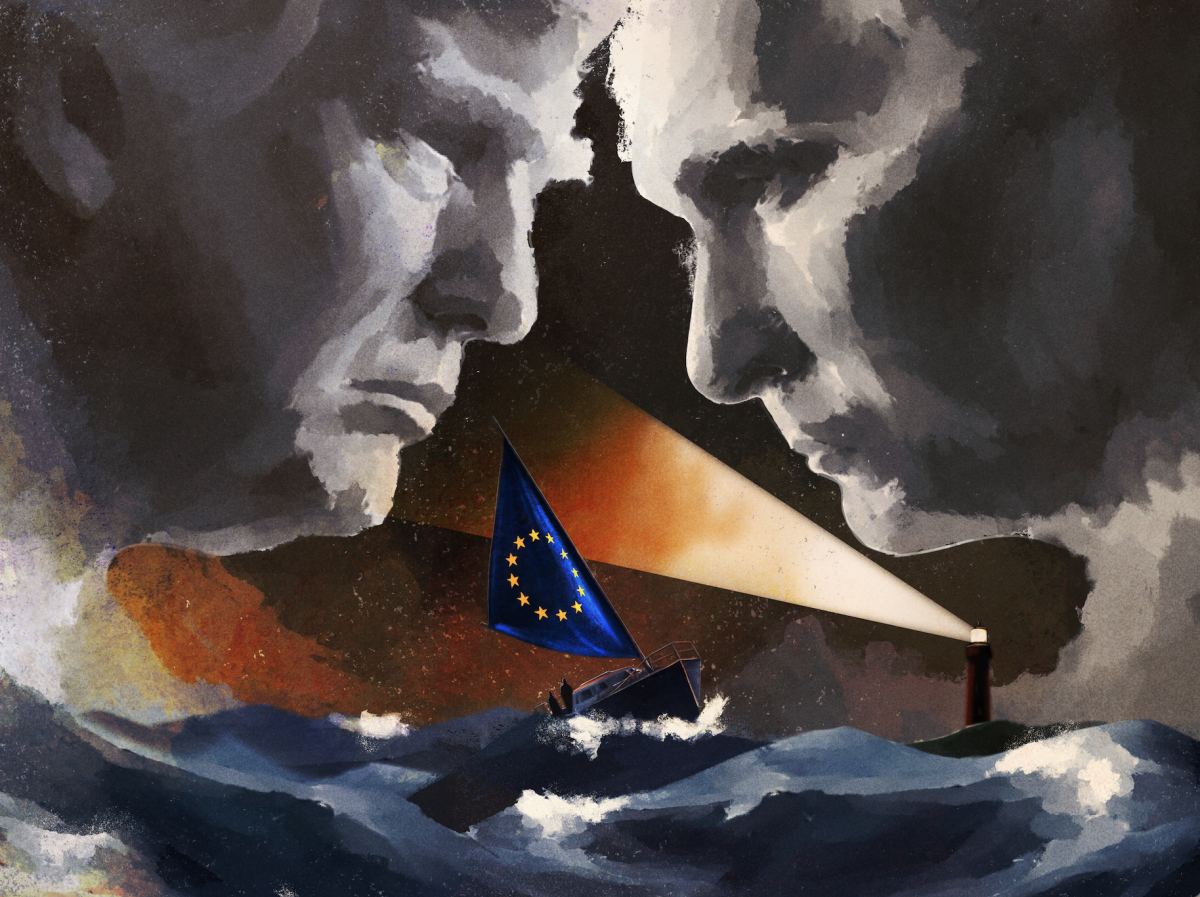
Fast forward a quarter of a century and the picture today is far less sanguine. While the EU survived the turbulence of the eurozone and Greek debt crises in the late 2000s, and the UK’s exit a few years later, any dreams that the EU might emerge as a global power centre comparable to the US or China have largely faded. Instead, Brussels faces pressure on all sides: a worsening geopolitical environment, sustained economic stagnation, and domestic challenges brought by the rise of populism.
Geopolitical challenges
The most pressing threat, as it has been since 2022, is Russia. As Finland’s president Alexander Stubb remarked last year, Europe enjoyed something of a “holiday from history,” immediately after the Cold War, with the continent largely spared major conflict between the 1999 Kosovo campaign and Russia’s annexation of Crimea in 2014. This allowed governments to reduce defence spending and, theoretically, enjoy the ‘peace dividend’.
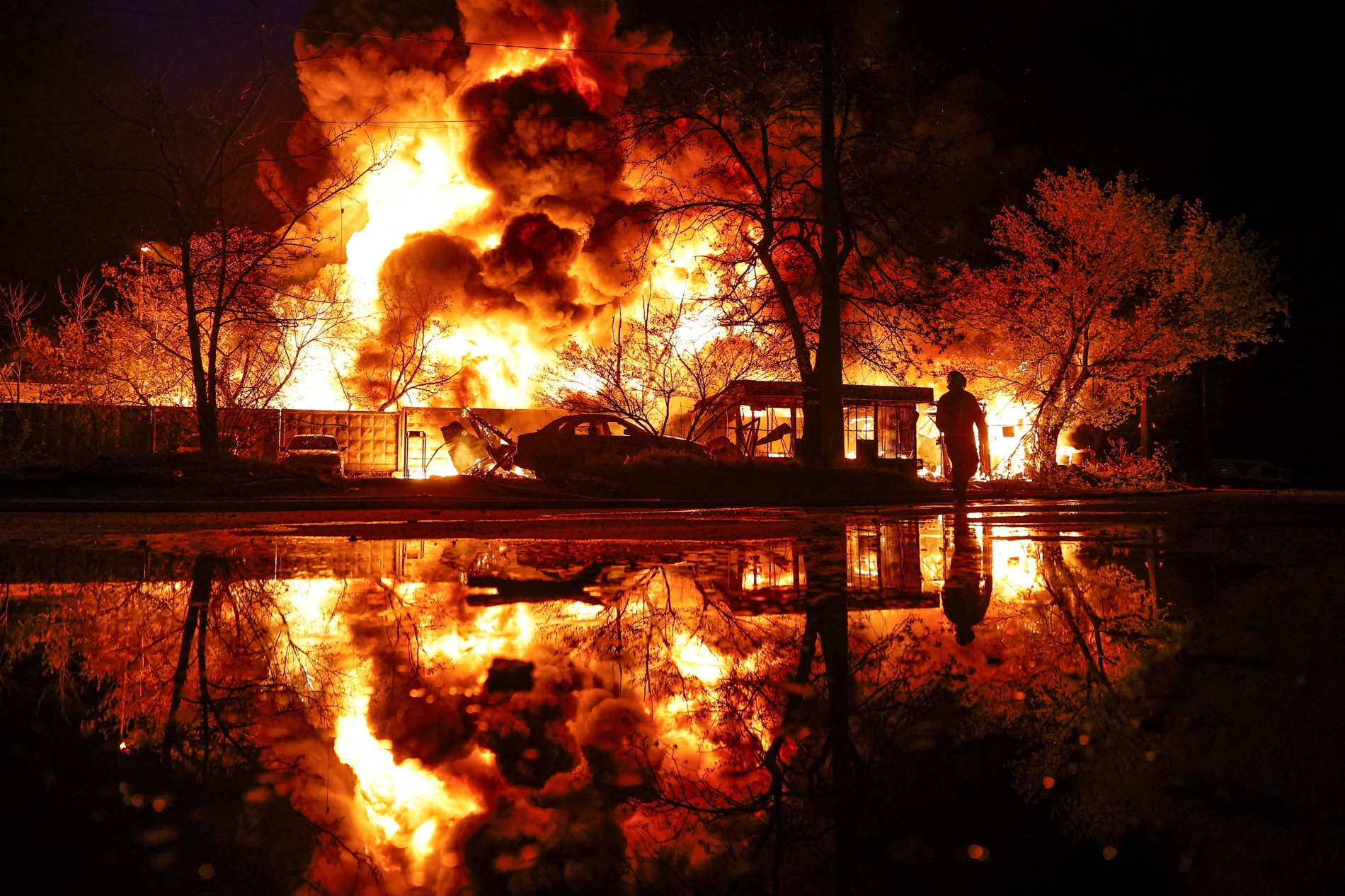
Vladimir Putin’s invasion of Ukraine four years ago shattered that illusion. The EU and its member states have mobilised €225bn in financial, military and humanitarian support for Kyiv since 2022, as leaders further west fear victory in Ukraine will prompt Putin to strike deeper into Europe. With Russia increasing shadow operations against European targets, containing Moscow is now viewed as an existential goal.
To this end, defence spending has skyrocketed to over 2.2% of GDP on average, but as high as 3.5-5% in frontline countries like Poland and the Baltic states, while the EU has created new instruments, like Security Action for Europe (SAFE), offering up to €150bn in loans to support joint defence procurement. But the pressure keeps growing. In September, Germany officially attributed an attempted drone attack at Leipzig/Halle airport to Russia, while the war in Ukraine continues, with Moscow launching heavier attacks on key infrastructure.
Russia's increased aggression has been compounded by another growing geopolitical concern: the unreliability of the US under Donald Trump. European leaders, including the UK, initially sought to placate Trump, despite the high tariffs he imposed and his hostile rhetoric. Frequent attempts were made to persuade him to continue to back Kyiv and ensure Ukraine was not sidelined in negotiations.
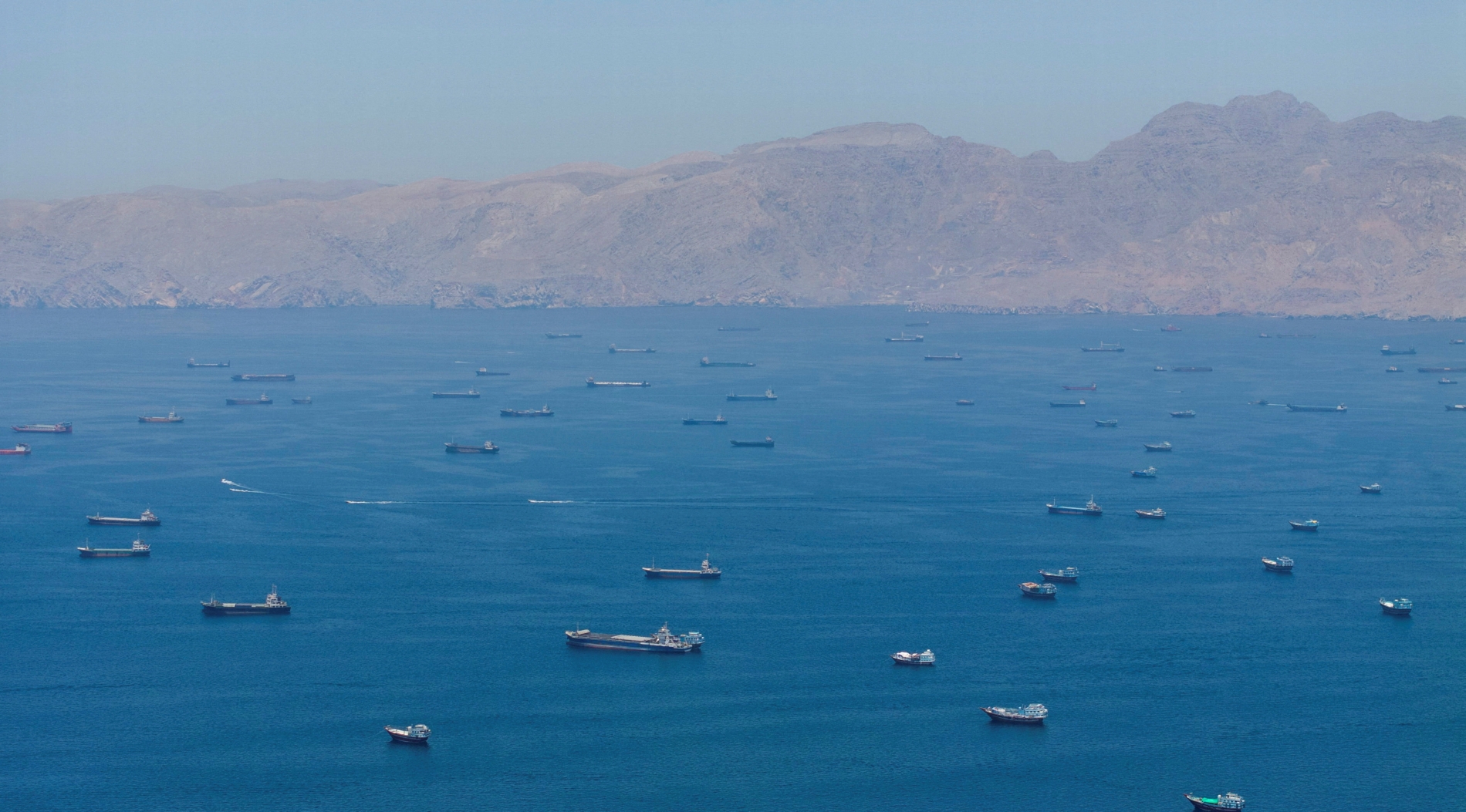
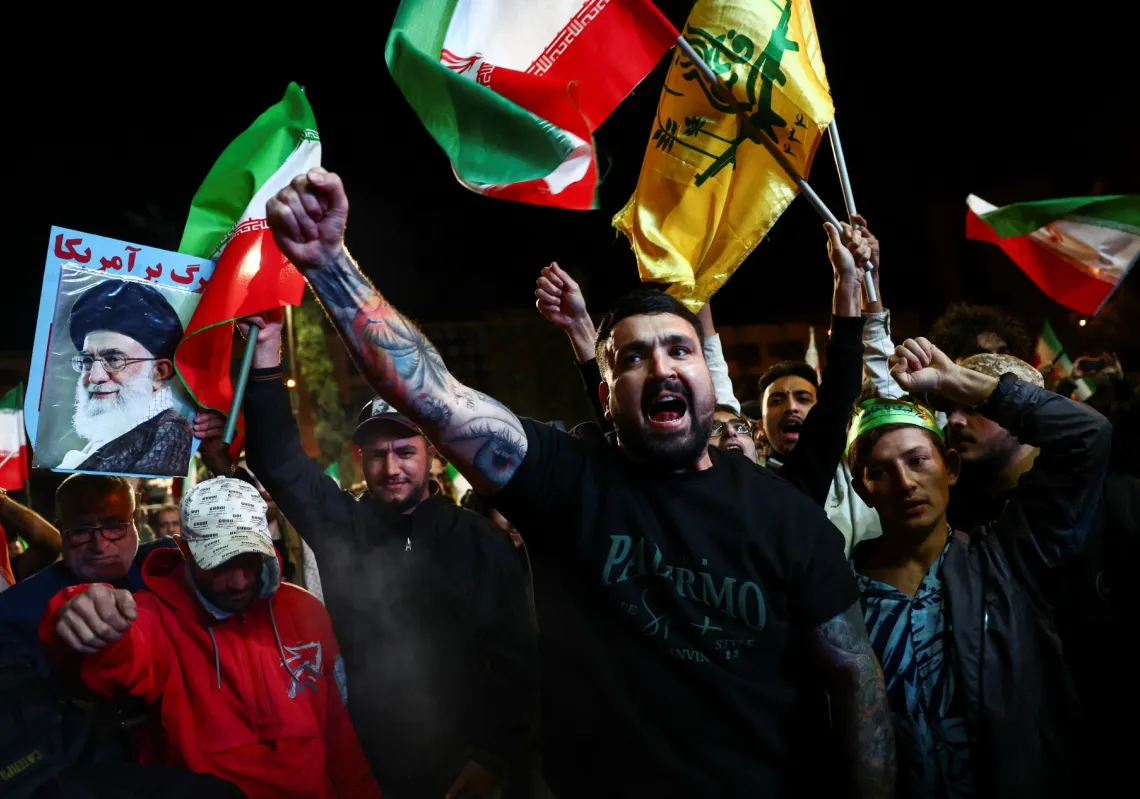
But more serious fissures have since emerged. Trump’s 2025 national security strategy criticised European governments and expressed optimism about their growing populist opponents. The president’s repeated efforts to ‘acquire’ Greenland over the objections of Denmark. Most recently, the war on Iran, which European states broadly opposed, prompted an angry response from the White House. Even before Trump’s election, European leaders knew the US was less committed to European defence, and they must prepare to face down Russia alone if necessary, but Trump has raised the prospect of an openly hostile United States, sniping at Europe from across the Atlantic.