Iran's new defence minister is a missile man, not a military man

Mehrdad Akhlaghi's appointment comes at a time when the regime's survival depends heavily on the quantity and quality of its missile arsenal

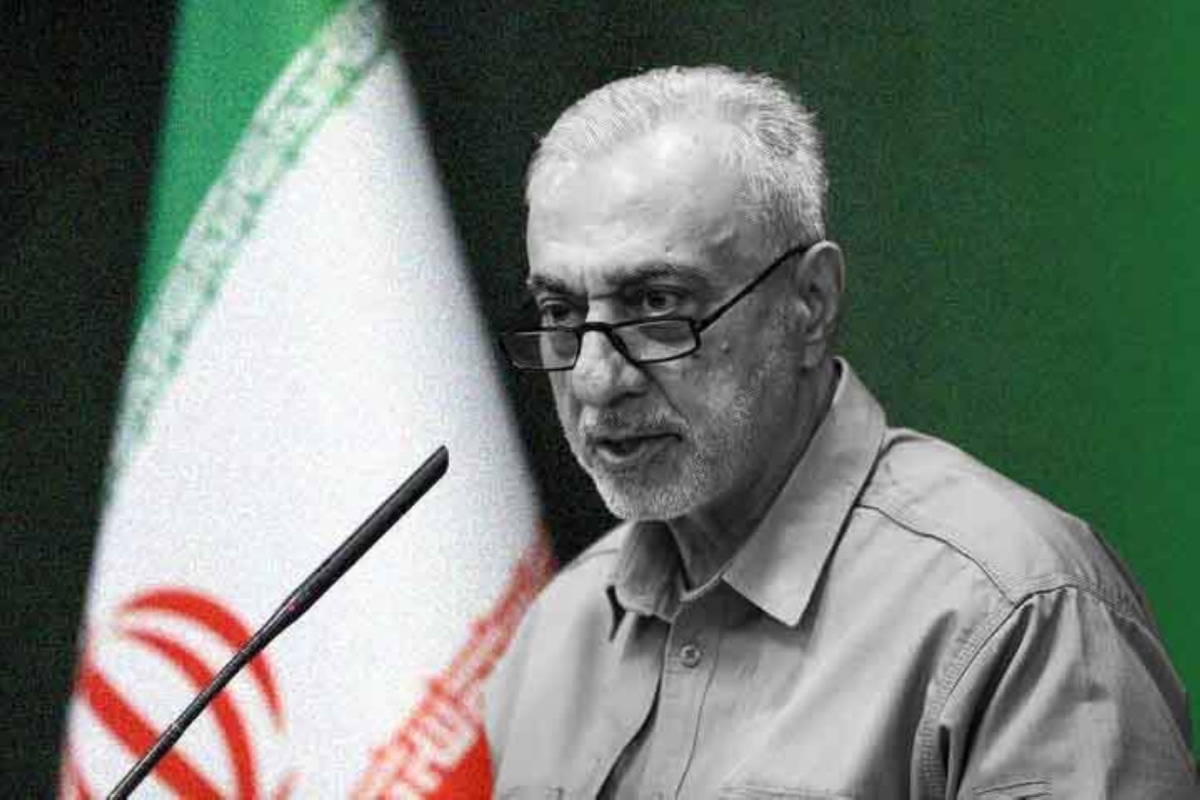
Iran's newly appointed Defence Minister Akhlaghi.
X
Iran's newly appointed Defence Minister Akhlaghi.

Iran's new defence minister is a missile man, not a military man

Mehrdad Akhlaghi was appointed defence minister in October 2026 by Iranian President Masoud Pezeshkian. He is an unusual choice, as, unlike most of his predecessors, he does not come from a uniformed military background. And his appointment comes arguably at the most sensitive time in the history of the Islamic Republic. He is a veteran of Iran’s military-industrial complex, with a particular association with missile development and production. That alone is quite revealing. The survival of Iran's government is greatly dependent on the quantities and qualities found in its missile arsenal. Akhlaghi got the job at a time when Tehran faces the imminent prospect of another round of war with the US and Israel and at a moment when replenishment of its battered military arsenal is an urgent national priority.

Born in 1958 and native of the city of Rasht, not far from the Caspian Sea in Iran’s north, Akhlaghi is unfamiliar to the Iranian public, but he has been on the radar of Western intelligence services for at least two decades. In March 2007, the UN Security Council placed him under sanctions for his involvement in Iran's ballistic missile programme. At the time, he headed the Shahid Bagheri Industrial Group, a key component of the country's missile-manufacturing industry. Washington subsequently imposed its own sanctions, as did the European Union and Britain. In other words, his appointment merely brings a longtime behind-the-scenes figure into the public spotlight.

He graduated in chemical engineering from Amir Kabir University of Technology before earning a master's degree in strategic management from Malek-Ashtar University, an institution linked to Iran's defence establishment. He has stated that he entered the defence industrial sector in 1984, at a time when Iran was four years into a bloody war with Saddam Hussein’s Iraq and when international isolation made domestic military production a top priority. By the mid-2000s, he had risen to a senior position in the country's missile industry.

Iran’s limited access to global arms markets did not end with the completion of the Iran-Iraq war in 1988. Tehran sought to compensate for its weak conventional air force and navy by investing heavily in missiles and, later, drones. Organisations such as the Shahid Bagheri Industrial Group were central to these efforts. Iranian reports credit Akhlaghi with supporting solid-fuel missile development, including the Fateh-110 missile family and later associate his managerial career with developments involving the Sejjil and Zolfaghar ballistic missiles.

The precise extent of his personal contribution to individual weapons systems is difficult to establish. What is clear is that he occupied senior positions in organisations central to Iran's expanding missile arsenal.
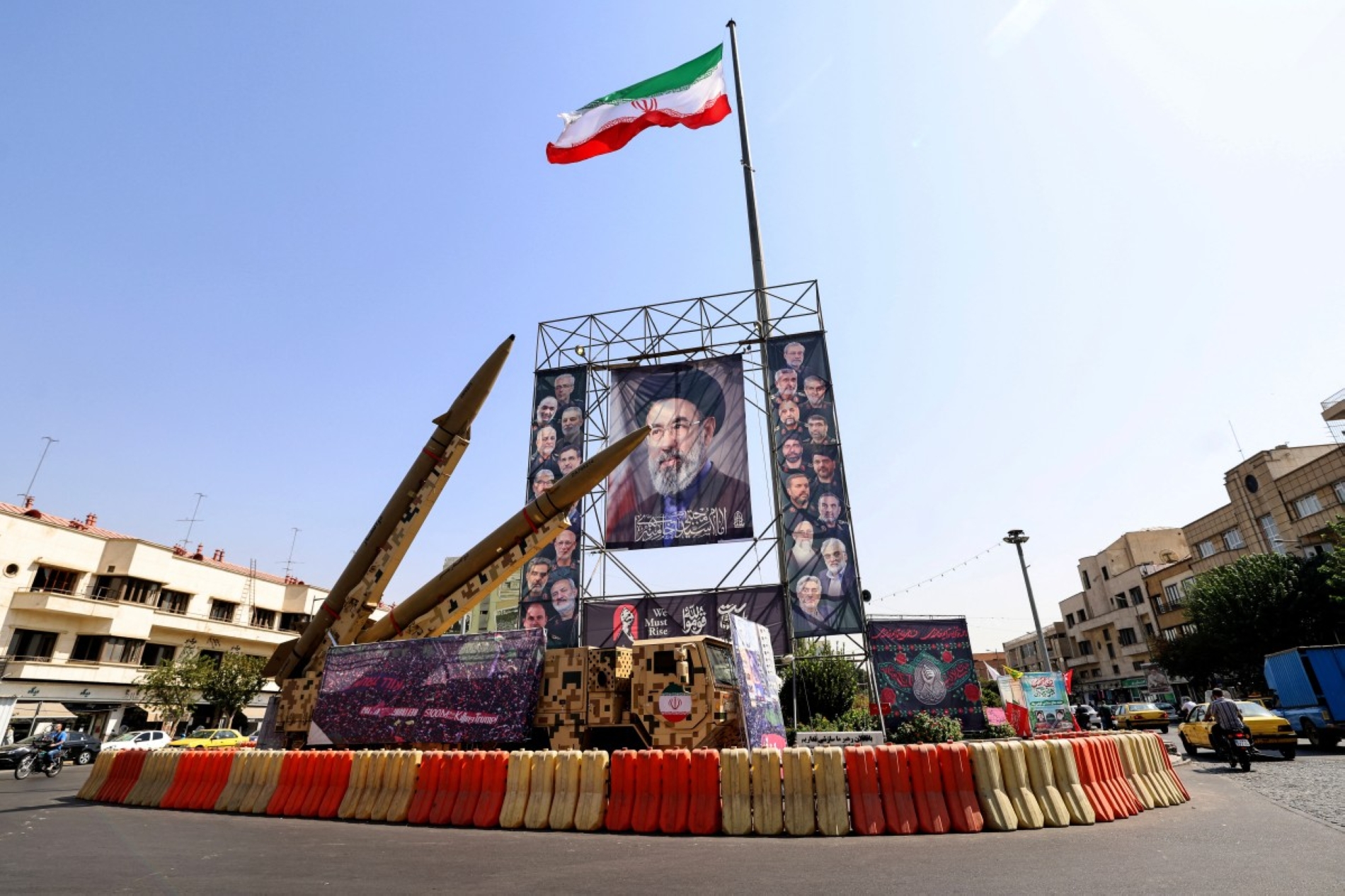
ATTA KENARE / AFP
Iranian-made Zolfaghar missiles are seen on display beside a large portrait of Iran's supreme leader Mojtaba Khamenei at Baharestan Square in Tehran on 28 September 2026.

Political connections

In the Islamic Republic, technical competence and organisational professionalism are not enough to catapult careers to higher echelons of power. You need political cover, and the new defence minister’s past associations seem to have helped his rise. Pezeshkian, defending his nomination before parliament (Majlis), specifically named Hassan Tehrani Moghaddam, Mohsen Fakhrizadeh, and Amir Ali Hajizadeh as Akhlaghi's former colleagues. This was very deliberate.

All three were prominent figures in Iran's strategic military establishment. Fakhrizadeh, a top figure in Iran’s nuclear programme, was killed by Mossad in 2020; Hajizadeh, who commanded the Revolutionary Guards' Aerospace Force, was killed by Israel in an airstrike in the June 2025 war; and Akhlaghi’s purported mentor, Tehrani Moghaddam— the “father of Iran’s missile programme"—was killed in 2011 in an explosion that, by some accounts, was also orchestrated by Israel. In Iran’s political system, few credentials can elevate someone’s standing more than close association with men such as these that officially enjoy near saint-hood status.

Akhlaghi's reported association with these men placed him at the intersection of the defence ministry's industrial apparatus and some of the Islamic Republic's most sensitive military programmes. The precise nature of his collaboration with each remains unclear, but Pezeshkian deliberately highlighted these relationships. It presented Akhlaghi as a surviving member of a generation that built Iran's strategic deterrent.
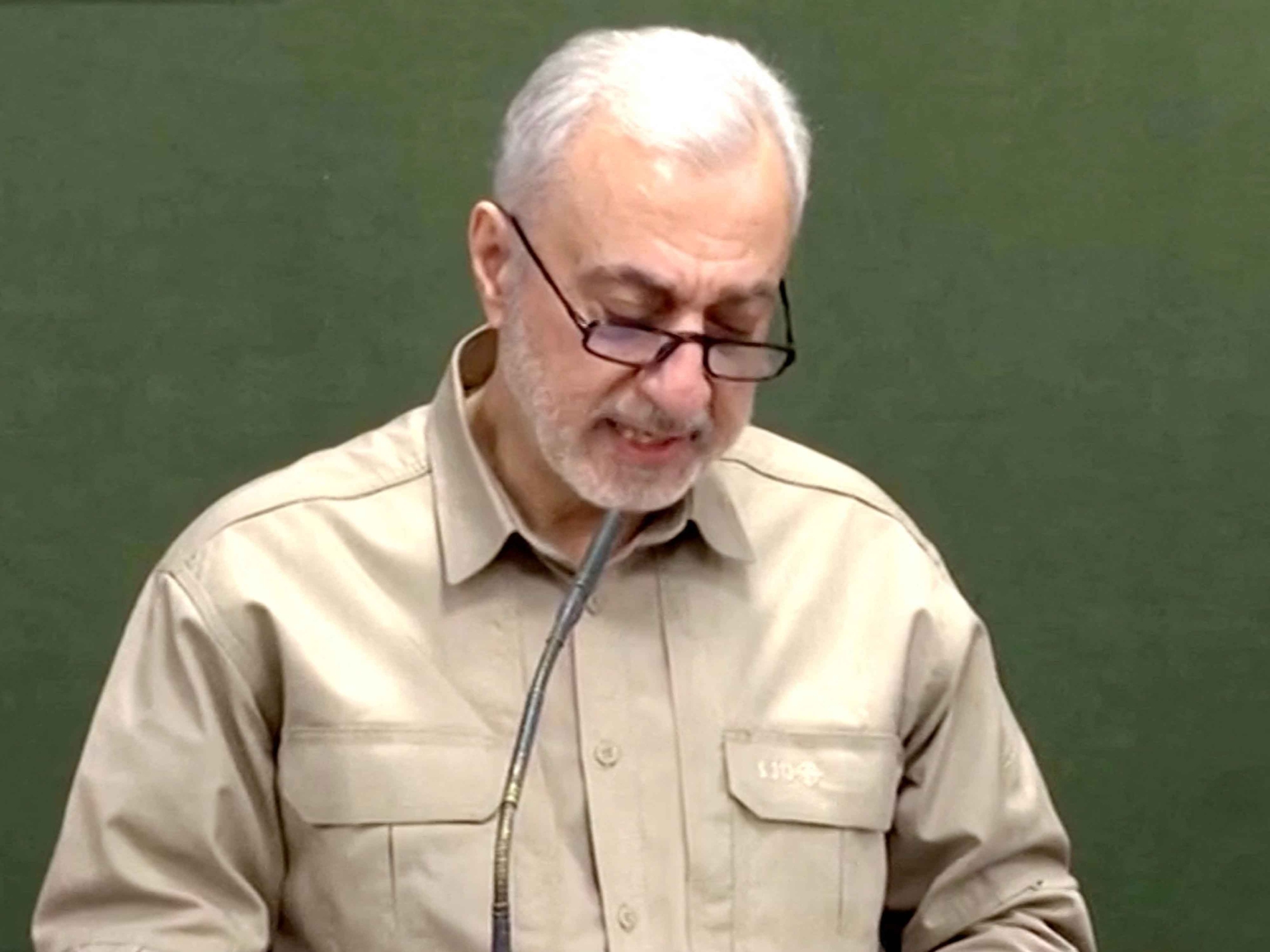
Akhlaghi remained low-profile until his nomination in October 2026; it was difficult to find even a photograph of him

His most important promotion came in November 2014, when Defence Minister Hossein Dehghan appointed him head of the Aerospace Industries Organisation. Dehghan praised Akhlaghi as an experienced manager who had risen through the organisation's ranks. This was during Hassan Rouhani's presidency, when Iran was negotiating the nuclear agreement with world powers. The appointment illustrated an enduring feature of Iranian politics: whatever differences exist between elected governments over diplomacy, strategic military capabilities have enjoyed considerable institutional continuity. It runs on its own track and answers only to the Office of the Supreme Leader.

Akhlaghi later moved into senior management at the Defence Industries Organisation, overseeing a broader range of military production. And he remained low-profile. According to Iranian media, until his nomination in October 2026, it was difficult to find even a photograph of him. His first widely circulated images showed a bespectacled man in a civilian suit appearing before parliamentary committees, surrounded by uniformed officers.

IRINN/ REUTERS
Iran's new Defence Minister Mehrdad Akhlaqi Ketabchi speaks in Tehran, Iran, 18 October 2026, in this still image from video.

Sensitive times

Akhlaghi's appointment was exceptional. His predecessor, Aziz Nasirzadeh, was killed during the opening American-Israeli strikes on 28 February 2026. Majid Ebn-e Reza subsequently ran the ministry in an acting capacity for nearly eight months. Pezeshkian finally nominated Akhlaghi in early October, and parliament approved him on 18 October with 237 votes in favour and 15 against. The vote took place virtually, a reminder of the security precautions imposed on Iranian institutions by the continuing threat of military strikes.

Where Akhlaghi draws his political support is less obvious than his professional qualifications. There is no compelling evidence that he belongs to an identifiable political faction or that he was imposed on Pezeshkian by the most hardline elements of the regime. His career has crossed several administrations, and his appointment appears to have enjoyed the support of senior figures in both the Revolutionary Guards and the regular army (Artesh). Ahmad Vahidi, the Guards' commander, and Amir Hatami, the army chief, welcomed his selection.

Akhlaghi has said his plans for the defence have been prepared in consultation with the armed forces' leadership. This is key to his success: in Iran, the defence minister must supply both the Guards and the regular armed forces, while the Supreme Leader, Mojtaba Khamenei, retains ultimate authority over military affairs. In that sense, Akhlaghi's selection almost certainly reflects an institutional consensus, although who initially championed his appointment remains unknown.

That consensus did not mean universal approval. Mohammad-Taqi Naqdali, a hardline parliamentarian, questioned Akhlaghi's record, accusing him of insufficient energy, weak management and failing to deliver important defence projects. He criticised his lack of combat experience during the Iran-Iraq War and suggested his lifestyle and work habits were incompatible with the revolutionary spirit required of a wartime defence minister. Another lawmaker, Hamed Yazdian, argued that Akhlaghi's programme was too conventional and failed to give sufficient weight to ideological commitment, technological innovation and the wider requirements of hybrid warfare.

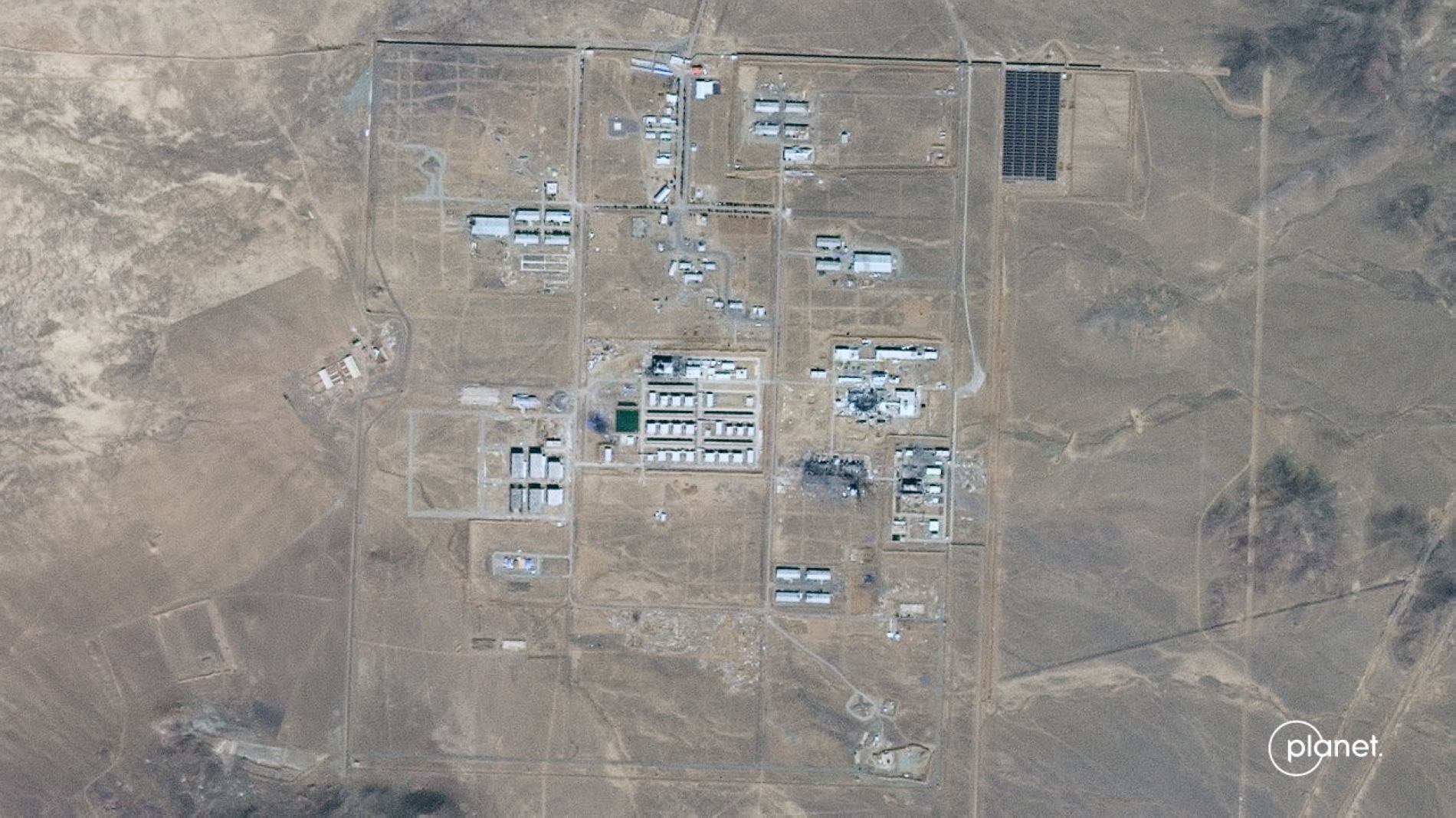
 2026 Planet Labs PBC/Handout via REUTERS
A satellite image shows missile-production facilities at Bidganeh, Tehran province, Iran, on 3 March 2026, amid the US-Israeli conflict with Iran.

These objections are revealing, but matter only to a small extent. They suggest that Akhlaghi's greatest vulnerability may not be his technical competence but his failure to conform to the image of the revolutionary military leader favoured by sections of the hardline establishment. Pezeshkian nevertheless defended him vigorously, describing his scientific expertise, experience and longstanding involvement in weapons development as precisely the qualifications Iran now requires.

The question, then, is whether his appointment represents a political concession by Pezeshkian to the hardliners or a pragmatic response to Iran's military predicament. The available evidence points more strongly toward the latter. Akhlaghi is firmly part of the Islamic Republic's security establishment, but he is not obviously the representative of any single ideological faction. His principal asset is his familiarity with the industrial machinery that produces Iran's weapons. Following the destruction inflicted during successive wars, Tehran's immediate challenge is not merely to develop new missiles but to manufacture enough of them, protect production facilities and replenish depleted stocks.

Akhlaghi's plans reflect this urgency. He has called for a major expansion of outsourcing, with plans to increase the share of defence production undertaken outside the ministry to more than 85% by 2027. He also advocates dispersing production facilities, protecting sensitive manufacturing sites and drawing more heavily on universities and private technology companies. Iranian officials claim that weapons production has already increased substantially since the war, although those figures remain difficult to verify independently. Akhlaghi has also promised greater attention to air defence, an area where Iran's shortcomings were exposed by American and Israeli attacks in 2025 and 2026.

Akhlaghi's political future will therefore ultimately depend less on his ability to satisfy competing factions than on whether he can deliver what they all need: a defence industry capable of surviving further attacks and supplying the weapons necessary for likely more confrontations to come. Iran's leadership may remain divided over how to manage its conflict with Washington. On the need to rebuild its military capabilities, there appears to be considerably less disagreement.

font change