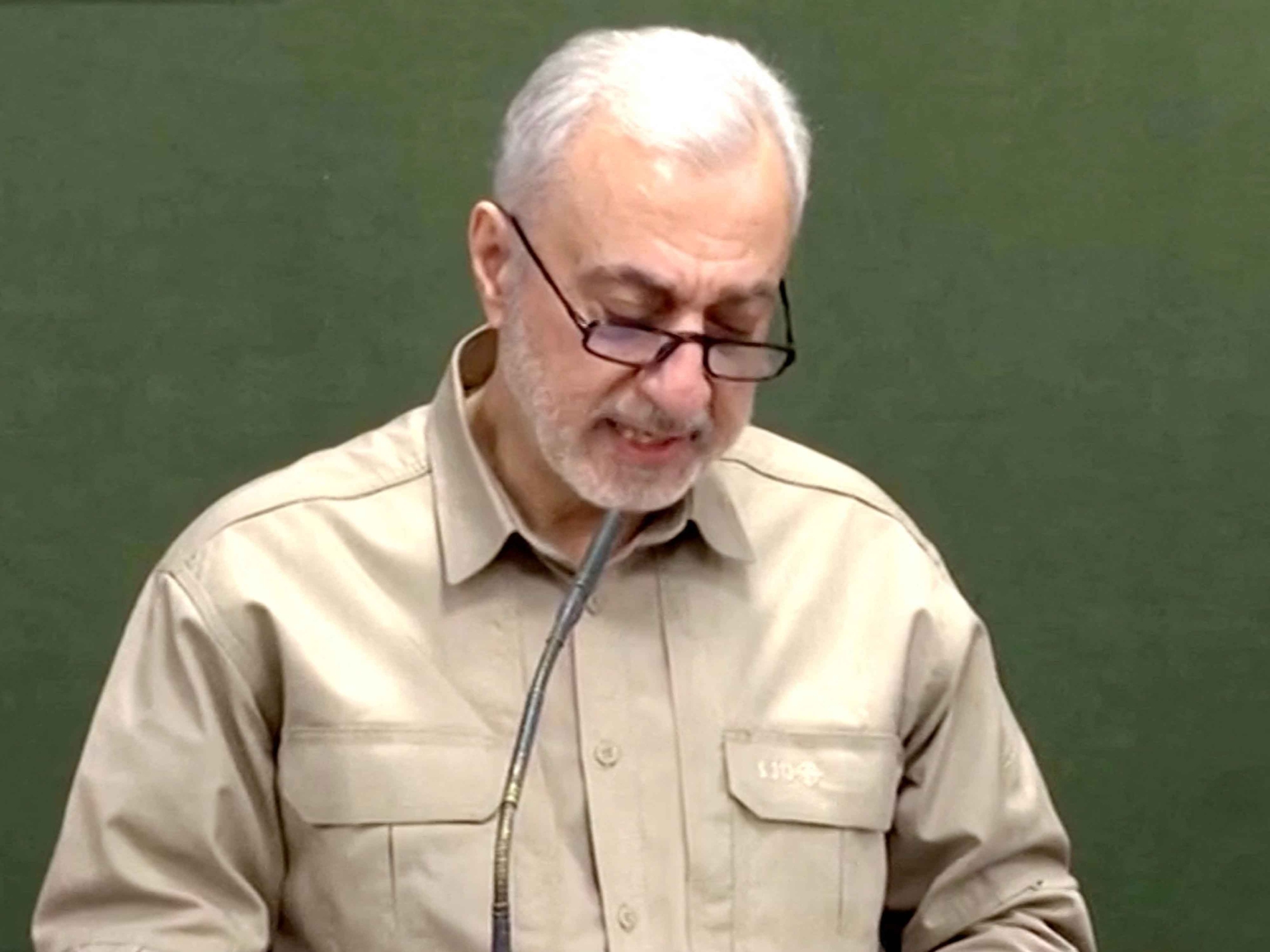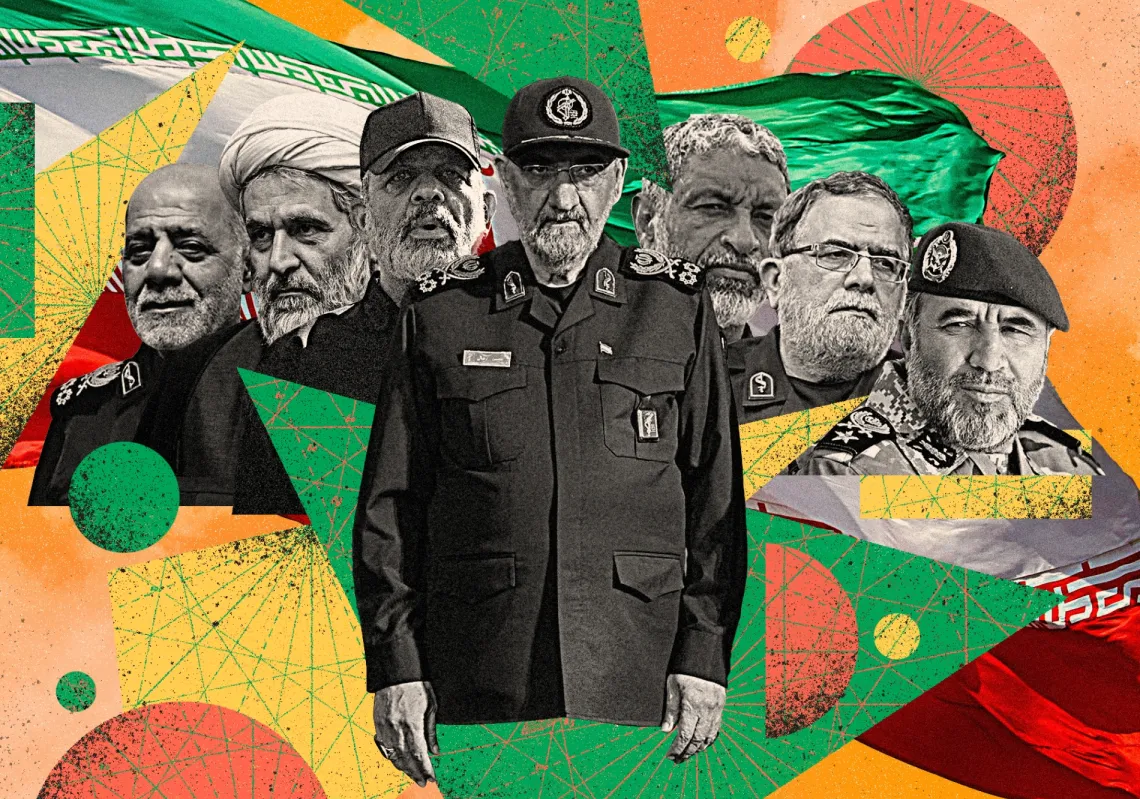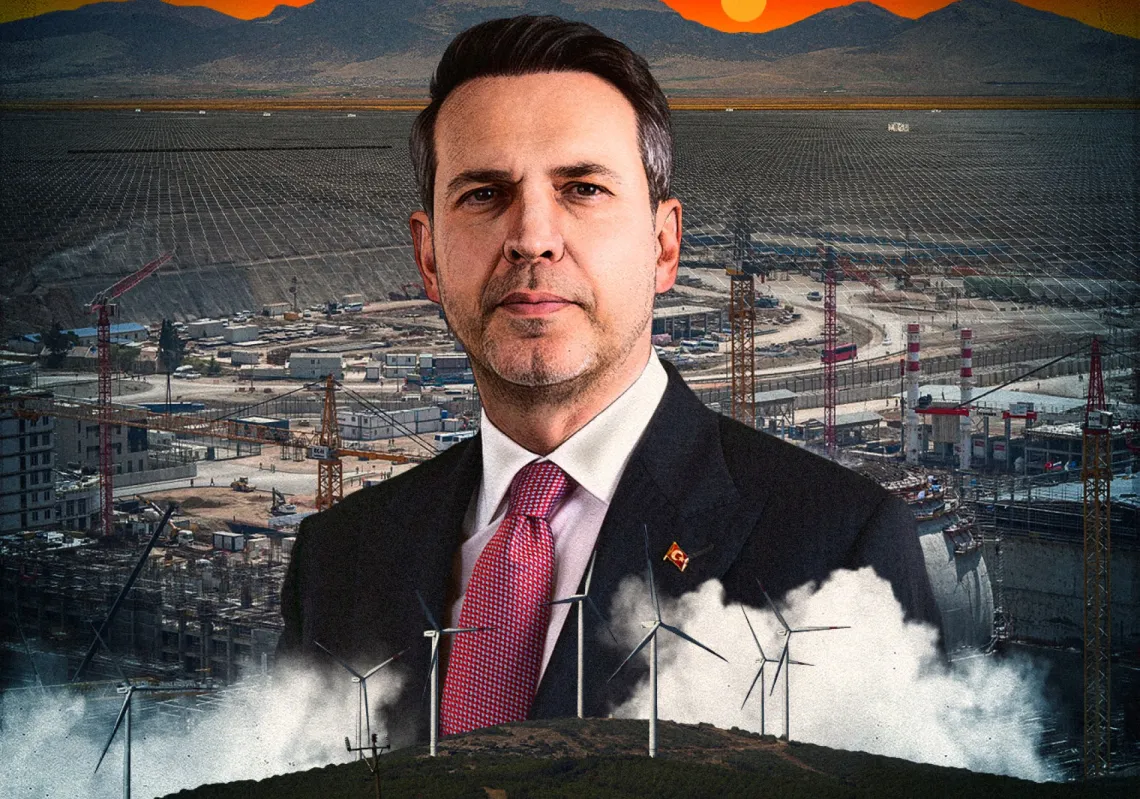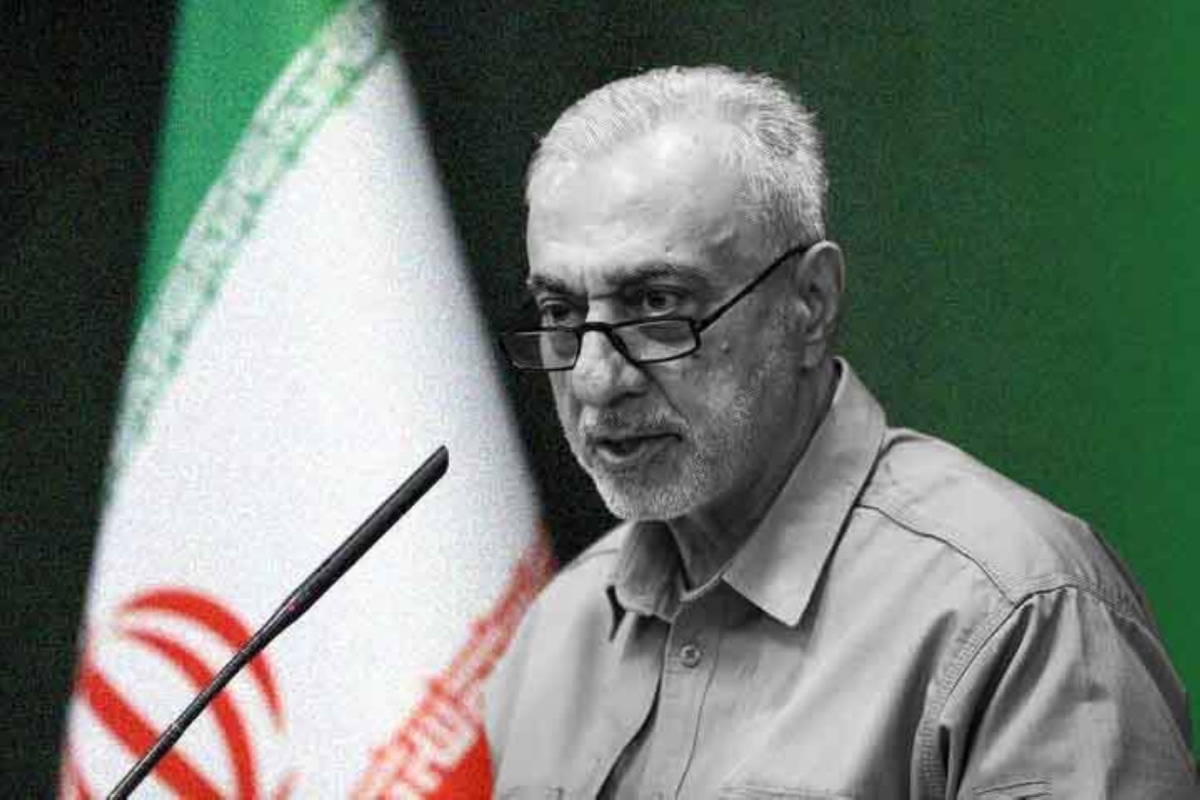

Mehrdad Akhlaghi was appointed defence minister in October 2026 by Iranian President Masoud Pezeshkian. He is an unusual choice, as, unlike most of his predecessors, he does not come from a uniformed military background. And his appointment comes arguably at the most sensitive time in the history of the Islamic Republic. He is a veteran of Iran’s military-industrial complex, with a particular association with missile development and production. That alone is quite revealing. The survival of Iran's government is greatly dependent on the quantities and qualities found in its missile arsenal. Akhlaghi got the job at a time when Tehran faces the imminent prospect of another round of war with the US and Israel and at a moment when replenishment of its battered military arsenal is an urgent national priority.
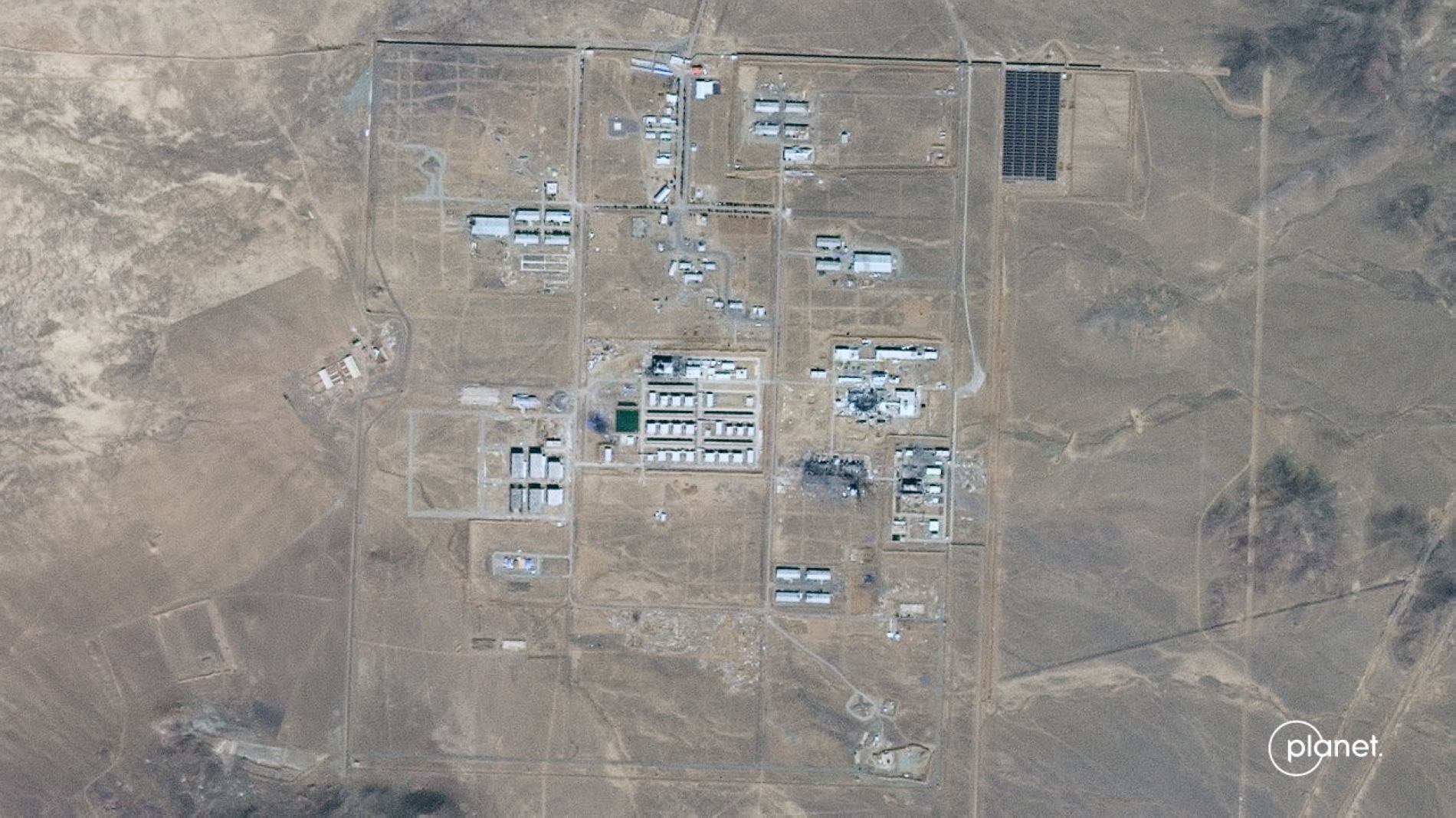
Born in 1958 and native of the city of Rasht, not far from the Caspian Sea in Iran’s north, Akhlaghi is unfamiliar to the Iranian public, but he has been on the radar of Western intelligence services for at least two decades. In March 2007, the UN Security Council placed him under sanctions for his involvement in Iran's ballistic missile programme. At the time, he headed the Shahid Bagheri Industrial Group, a key component of the country's missile-manufacturing industry. Washington subsequently imposed its own sanctions, as did the European Union and Britain. In other words, his appointment merely brings a longtime behind-the-scenes figure into the public spotlight.
He graduated in chemical engineering from Amir Kabir University of Technology before earning a master's degree in strategic management from Malek-Ashtar University, an institution linked to Iran's defence establishment. He has stated that he entered the defence industrial sector in 1984, at a time when Iran was four years into a bloody war with Saddam Hussein’s Iraq and when international isolation made domestic military production a top priority. By the mid-2000s, he had risen to a senior position in the country's missile industry.
Iran’s limited access to global arms markets did not end with the completion of the Iran-Iraq war in 1988. Tehran sought to compensate for its weak conventional air force and navy by investing heavily in missiles and, later, drones. Organisations such as the Shahid Bagheri Industrial Group were central to these efforts. Iranian reports credit Akhlaghi with supporting solid-fuel missile development, including the Fateh-110 missile family and later associate his managerial career with developments involving the Sejjil and Zolfaghar ballistic missiles.
The precise extent of his personal contribution to individual weapons systems is difficult to establish. What is clear is that he occupied senior positions in organisations central to Iran's expanding missile arsenal.
Political connections
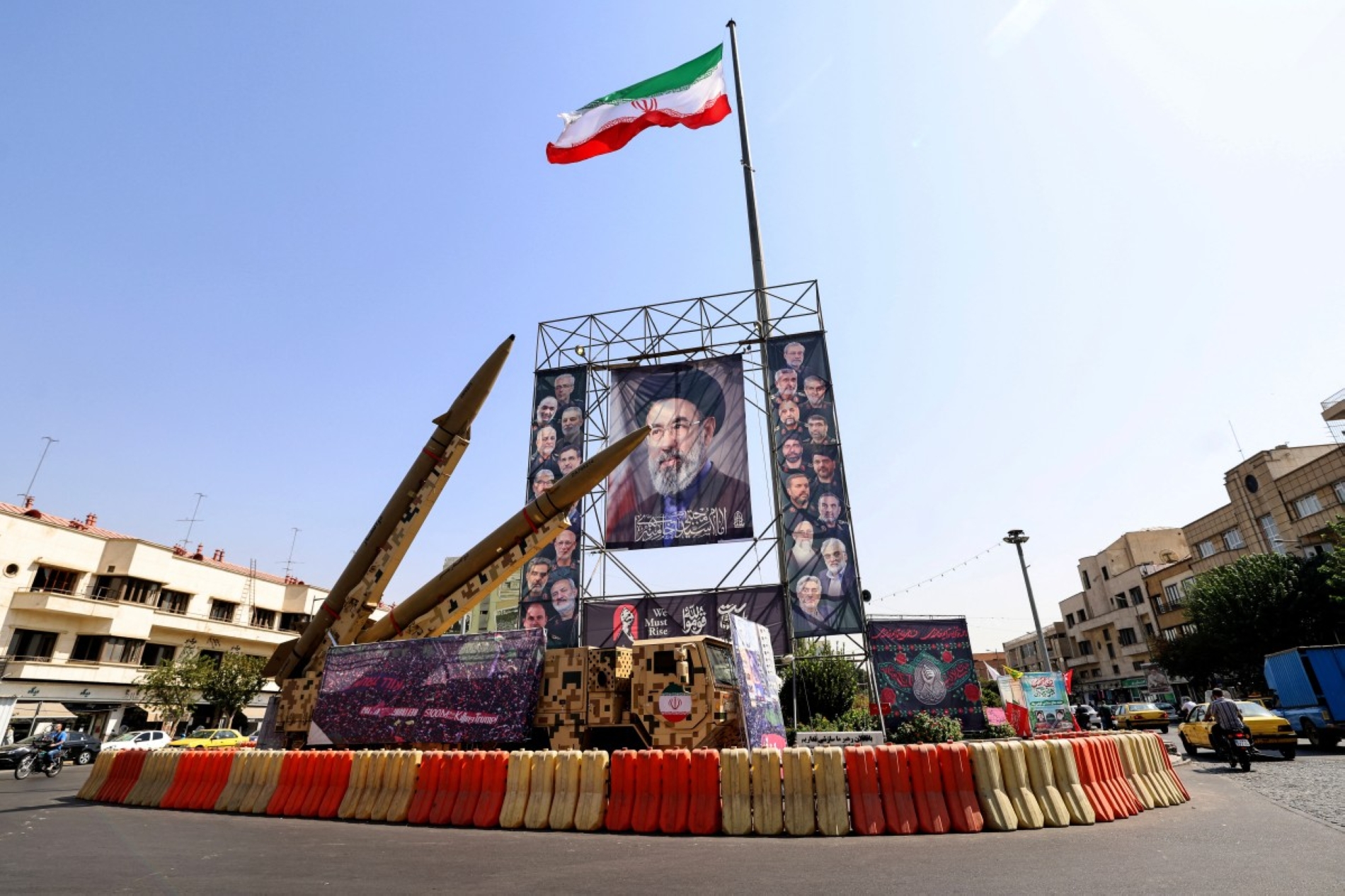
In the Islamic Republic, technical competence and organisational professionalism are not enough to catapult careers to higher echelons of power. You need political cover, and the new defence minister’s past associations seem to have helped his rise. Pezeshkian, defending his nomination before parliament (Majlis), specifically named Hassan Tehrani Moghaddam, Mohsen Fakhrizadeh, and Amir Ali Hajizadeh as Akhlaghi's former colleagues. This was very deliberate.
All three were prominent figures in Iran's strategic military establishment. Fakhrizadeh, a top figure in Iran’s nuclear programme, was killed by Mossad in 2020; Hajizadeh, who commanded the Revolutionary Guards' Aerospace Force, was killed by Israel in an airstrike in the June 2025 war; and Akhlaghi’s purported mentor, Tehrani Moghaddam— the “father of Iran’s missile programme"—was killed in 2011 in an explosion that, by some accounts, was also orchestrated by Israel. In Iran’s political system, few credentials can elevate someone’s standing more than close association with men such as these that officially enjoy near saint-hood status.
Akhlaghi's reported association with these men placed him at the intersection of the defence ministry's industrial apparatus and some of the Islamic Republic's most sensitive military programmes. The precise nature of his collaboration with each remains unclear, but Pezeshkian deliberately highlighted these relationships. It presented Akhlaghi as a surviving member of a generation that built Iran's strategic deterrent.