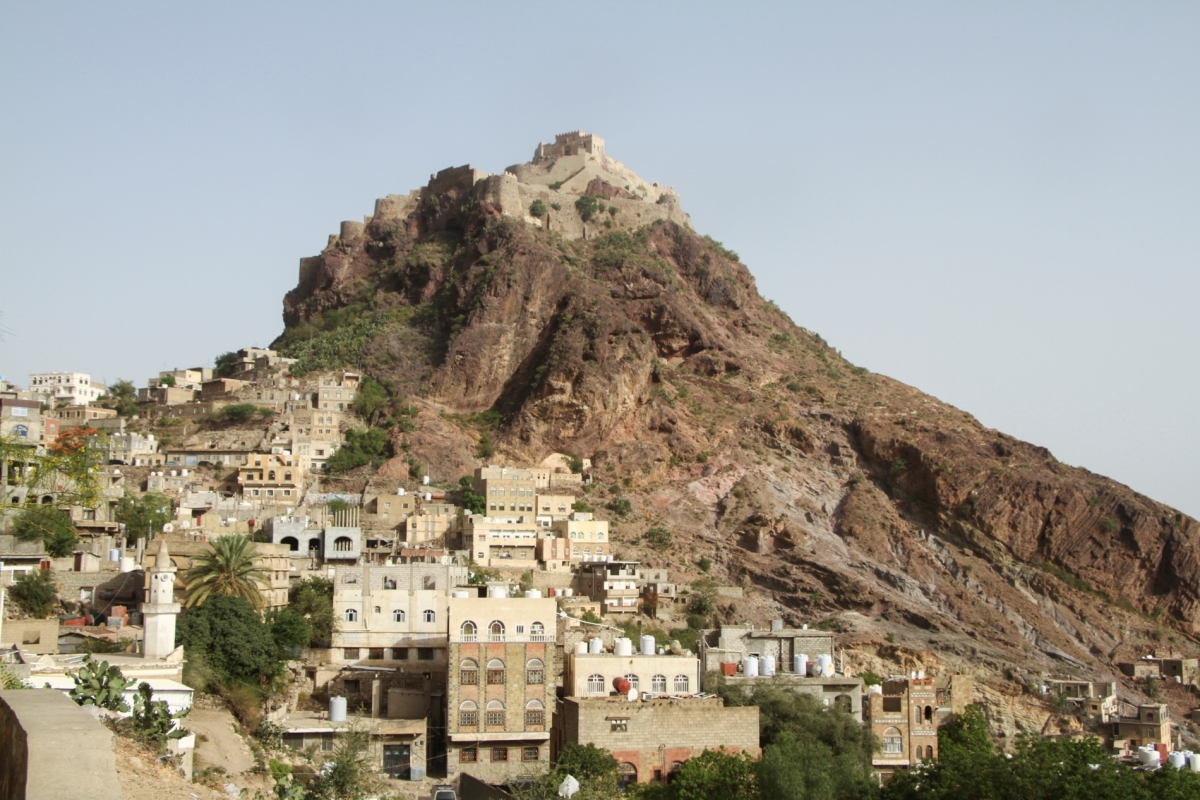

Since Houthi militias seized control of Sanaa on 21 September 2014, the Yemeni city of Taiz has faced successive waves of Houthi attacks. In 2015, residents heroically defended their communities and repelled the militia’s attempt to advance. Over the years, it has shown resilience and resisted Houthi pressure campaigns.
But today Taiz has found itself in the news again, after a Houthi offensive in early September overtook large swathes of territory. The militia is currently encircling the city, effectively besieging it. Despite the bleak situation, government forces are fighting back, particularly along the southern and western fronts where Houthis are attempting to breach the city’s defences and tighten their grip on its supply routes to prevent the steady flow of reinforcements.
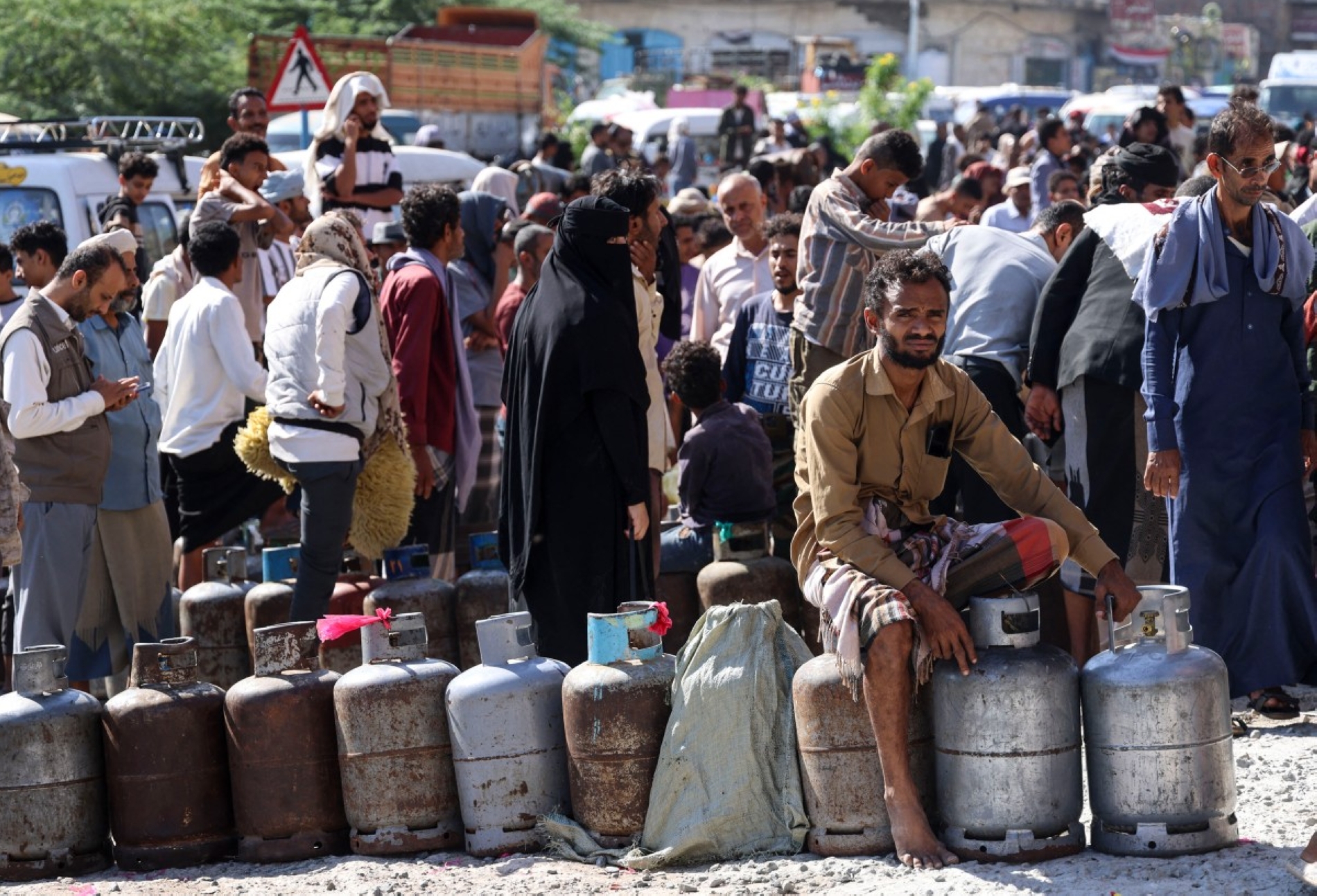
With media attention focused on Taiz, Al Majalla offers readers a look at the ancient city’s vibrant history.
Since the mid-20th century, Taiz has held a central place in Yemen’s political and social awakening. It helped shape a model of the modern city, one grounded in civic values, human sensibilities and a culture that embraced diversity and coexistence. In the years following the 26 September 1962 revolution in the north and the 14 October 1963 revolution in the south, Taiz became a model of modernity, making it a target of relentless assault over the years.
Situated in southwestern Yemen, about 256 kilometres from the capital, Sanaa, Taiz is Yemen’s second-most populous city (with Sanaa first). It borders Ibb and Hodeidah to the north and northwest, and parts of Lahj and Al‑Dhale to the south. Its territory extends toward areas near the Red Sea and the Bab al‑Mandab Strait. The Taiz governorate spans roughly 10,008 square kilometres and is administratively divided into 23 districts.
Many families and clans in Taiz trace their ancestry to some of Yemen’s oldest tribal lineages. Over centuries, the governorate’s social fabric developed through interactions among ancient tribes and established families who arrived from surrounding regions and settled in the city and its environs. Over successive generations, these communities became integral to the city's social landscape.
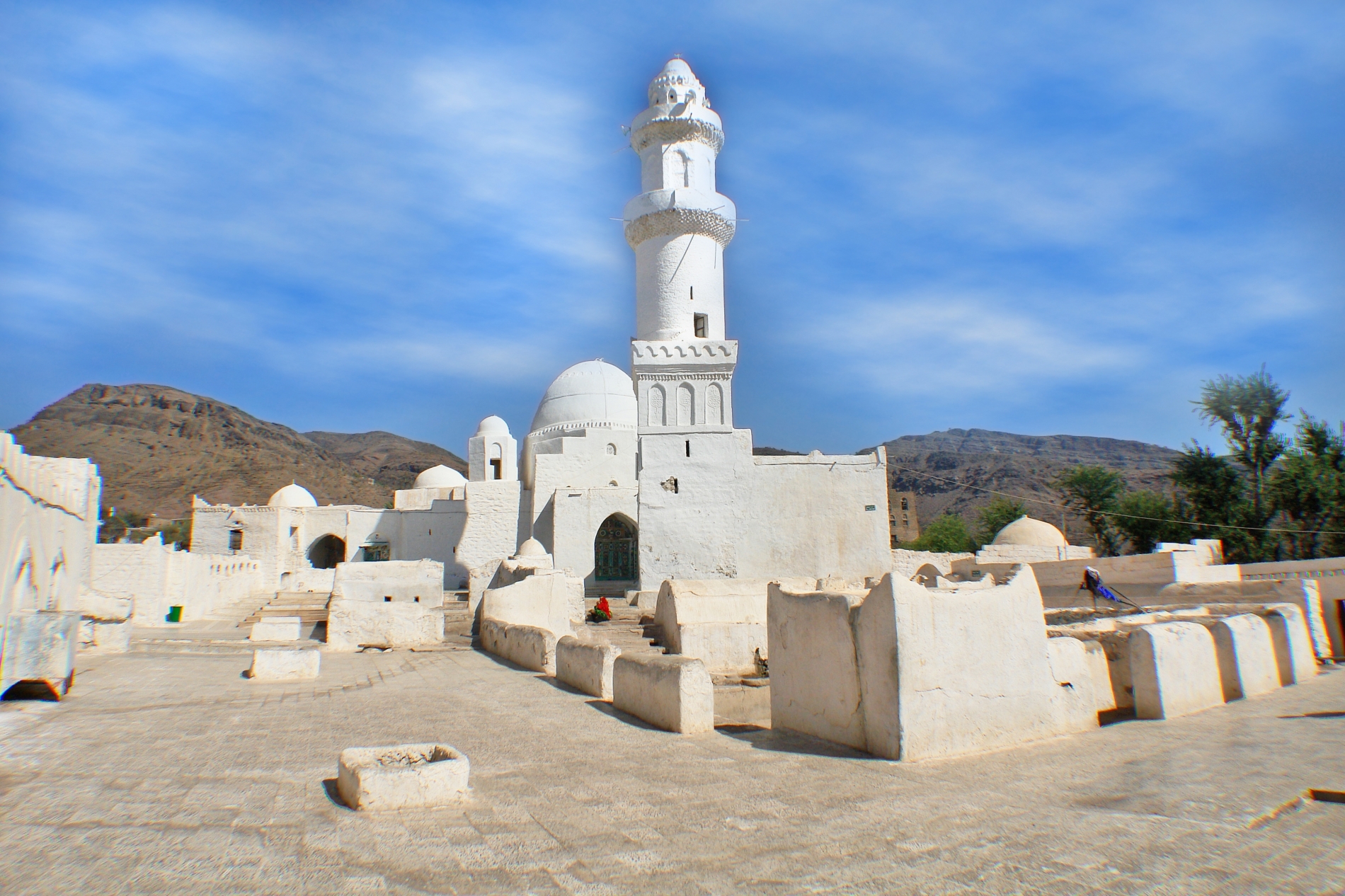
While inhabitants of Yemen’s northern highlands historically held most of the political power, the people of Taiz distinguished themselves in commerce, finance, and business. Some of Yemen’s most prominent merchant families originate from the governorate. Its inhabitants have also pursued a wide range of professions, drawing upon the education, cultural knowledge and professional expertise prevalent among them.
A seat of Shafi'i Islam
The overwhelming majority of Taiz’s inhabitants follow the Shafi'i school of thought in Sunni Islam. During the Ayyubid and Rasulid periods between the 12th and 15th centuries, it served as a centre of Shafi'ism. Over the centuries, Shafi'i teachings continued to spread through Hadramawt and Yemen’s southern and central regions. Scholars from Hadramawt later carried the tradition to East Africa and Southeast Asia through migration.
From the Rasulid era onwards, Taiz served as the political capital of Shafi'i Islam in Yemen. The Rasulid rulers established the city as their capital and provided political and financial support to its religious and educational institutions. They founded major schools, including Al‑Muzaffariya, Al‑Ashrafiya, and Al‑Mu'tabiyya. The dynasty endowed extensive tracts of agricultural land to finance education, pay scholars’ salaries, and provide accommodation for students.
Cultural and intellectual life flourished under the Ayyubids and Rasulids. Numerous religious works appeared in Islamic jurisprudence, hadith, and Quranic studies, alongside literary and scientific treatises preserved in large, renowned libraries.
Some sources estimate that followers of the Shafi'i school make up about 65% of Yemen’s population. They are concentrated particularly in Taiz, given its large population, as well as in Aden, Ibb, Hadramawt, Hodeidah, Abyan, Lahj, Al‑Mahrah and Shabwa. Meanwhile, followers of the Zaydi branch of Shiite Islam (the branch the Houthis belong to) are estimated at around 35% or less and are concentrated in northern Yemen, especially in Al-Jawf, Saada, Sanaa, Amran, Hajjah and Dhamar. Alongside the Shafi'i and Zaydi schools, Yemen is home to other religious minorities, including Ismailis, as well as various Sunni currents such as Salafism and Hanbalism.
Diversity and tolerance
Historically, Taiz's inhabitants, despite their demographic and social diversity, have not been known for deep or bitter sectarian divisions. The governorate’s social fabric has generally been characterised by religious coexistence and harmony, notwithstanding differences in political views and affiliations. These differences reflect the vitality of its civil society and the diversity of its political parties, loyalties and intellectual orientations.
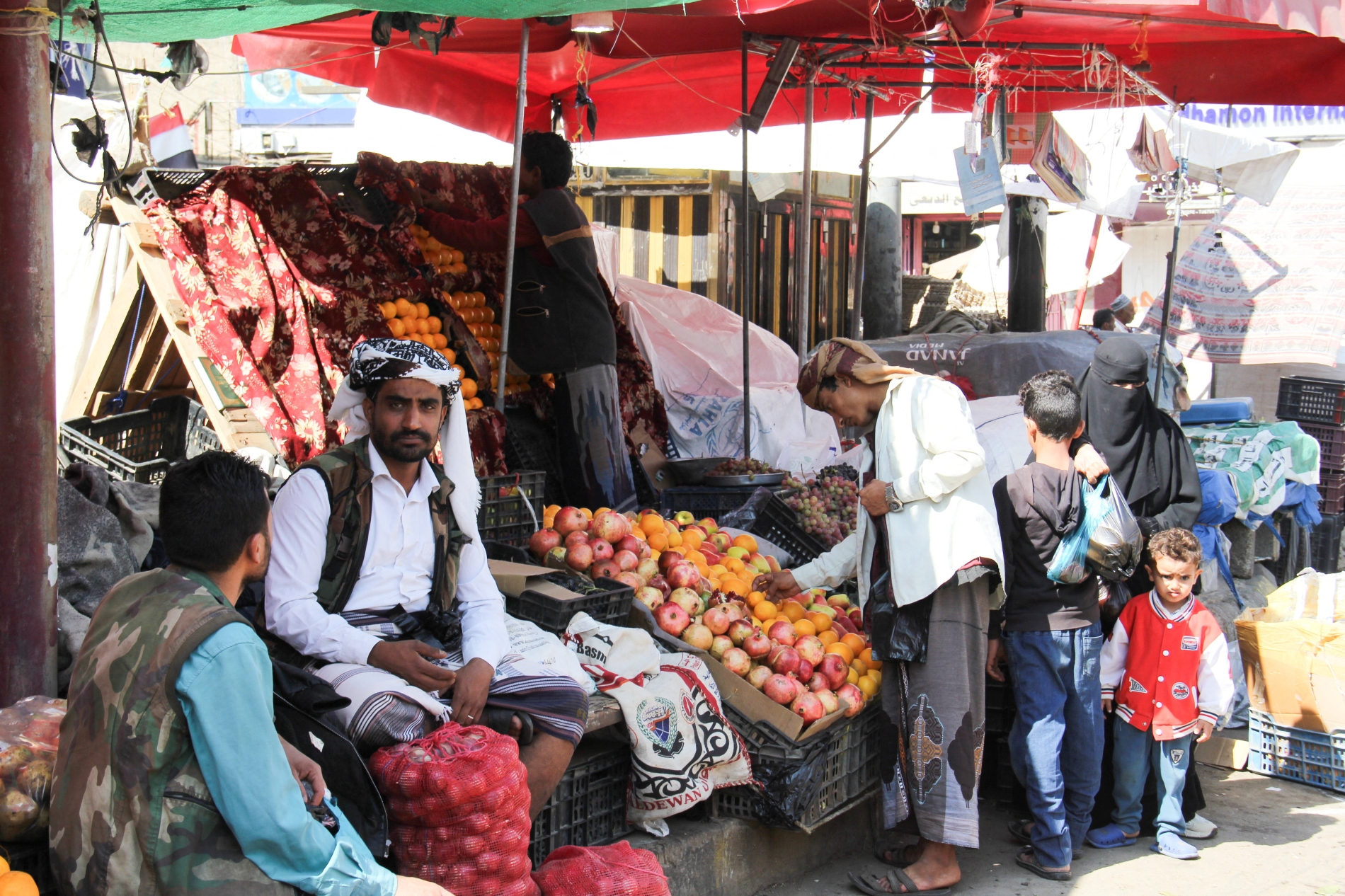
Sufism forms a distinctive feature of the religious and cultural landscape of Taiz governorate. Yafrus, in Jabal Habashi district in the southwest, stands among the foremost centres of Sufi life in Taiz and in Yemen as a whole. It is home to the mosque of Sheikh Ahmad ibn Alwan, known as Safi al‑Din Abu al‑Abbas, a prominent figure in Yemen’s spiritual heritage and religious scholarship. Ahmad ibn Alwan is often described as the "Ibn al‑Jawzi of Yemen," a tribute to a preaching style that echoes the eloquence of the celebrated scholar Ibn al‑Jawzi.
Sufism has deep and enduring roots across southern and eastern Yemen, including Aden and Hadramawt, as well as Tihama in the west and several districts and mountain regions such as Al‑Udayn. Historical chronicles rarely mention large confrontations between the various Sufi orders and the Hadawi Zaydi Imamate. Sufi communities devoted themselves to scholarship, literature and an ascetic way of life, remaining distant from political authority and its ambitions.
Although their religious orientation is closer to Sunni Islam, Sufis openly express their reverence for Imam Ali ibn Abi Talib, the Prophet Muhammad's cousin, peace be upon him. Over time, Sufism became an integral part of Yemen’s Islamic heritage and its traditional social culture.