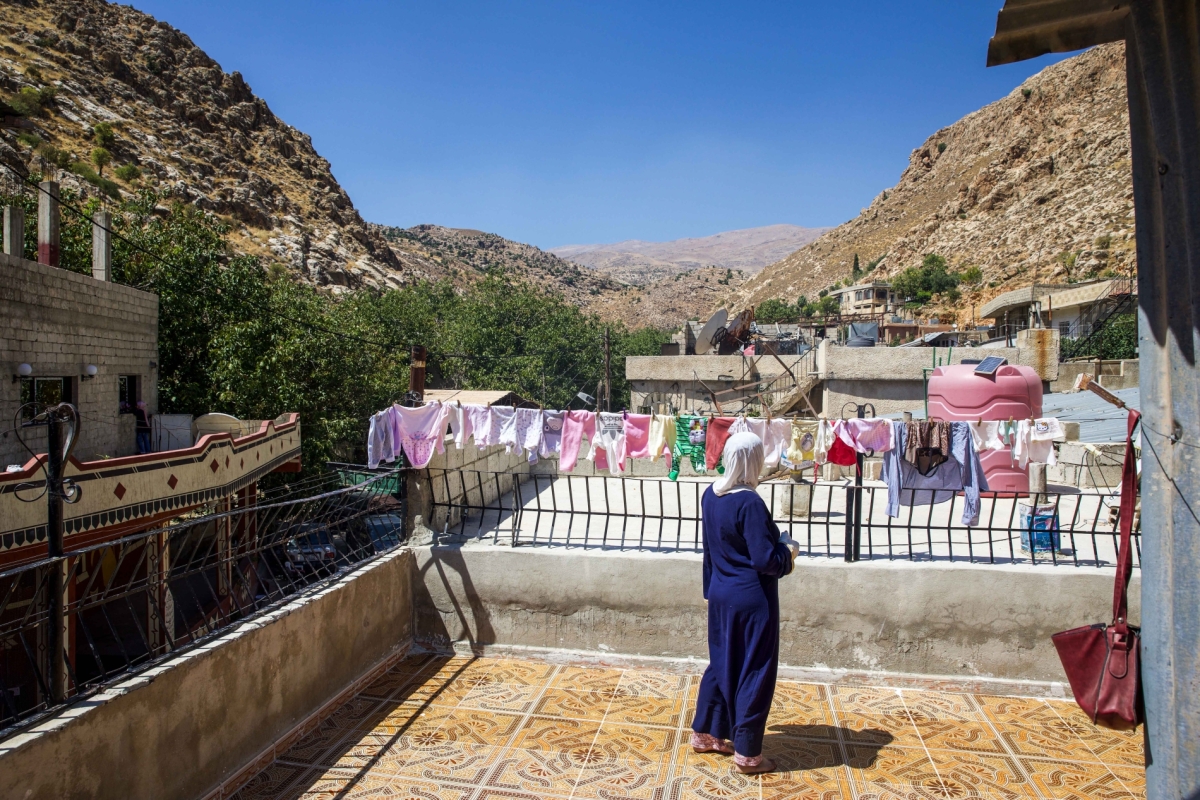

The roads leading to Beit Jinn, in the western Damascus countryside, are narrow and winding.
As the Sunni-majority village comes into view, the silhouette of Jabal al-Sheikh (Mount Hermon) slowly emerges behind its surrounding hills. Beit Jinn is still scarred by the events of 28 November 2025, when a single night of illegal raids conducted by the Israeli army left 13 civilians dead and 25 injured.
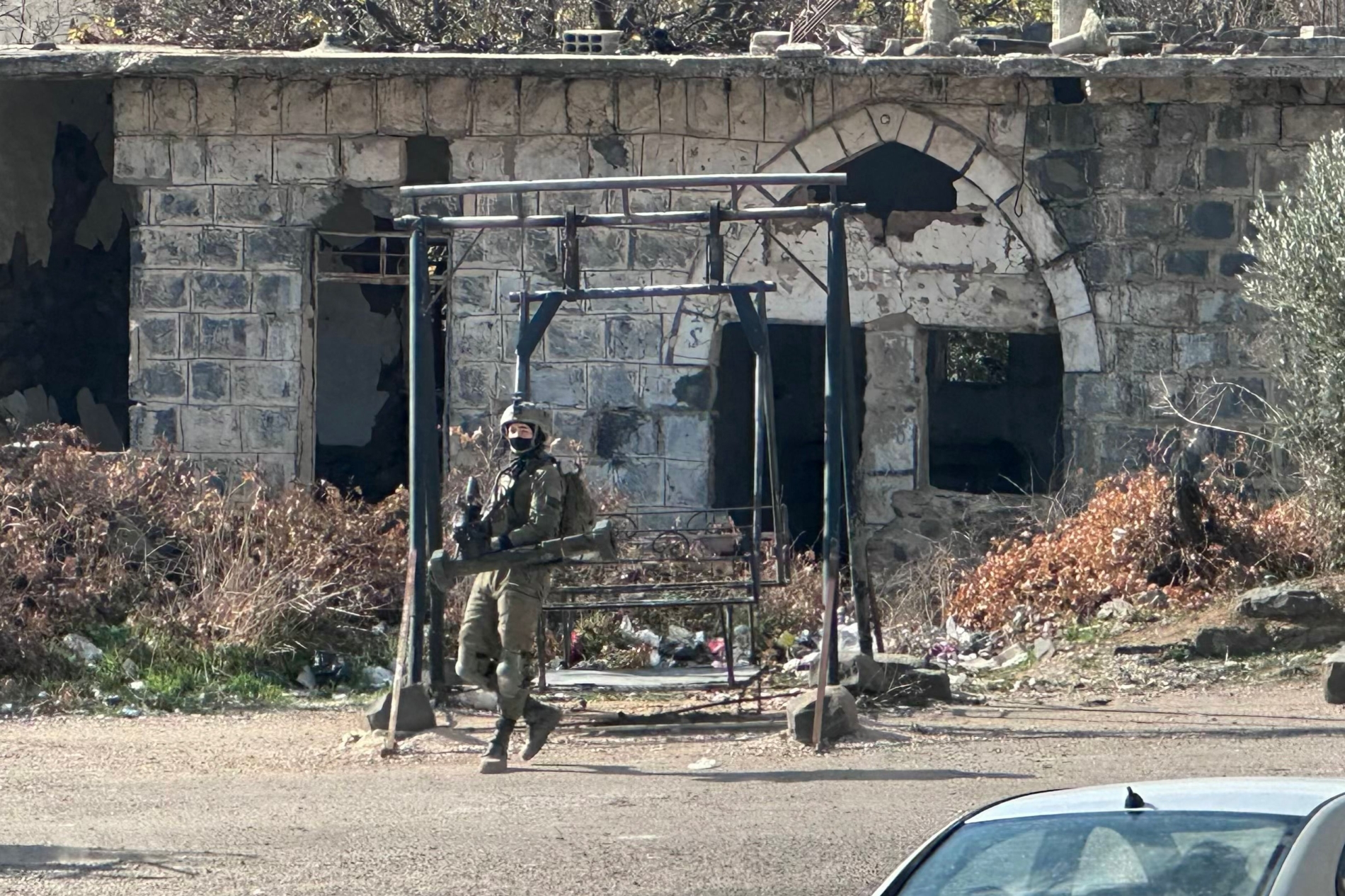
Houses bear the visible scars of artillery shelling unleashed by the Israeli army, and bloodstains from two men killed remain visible on a village road.
That sense of dread resurfaced on 18 September, when Israeli military vehicles crossed into the area, backed by fresh artillery strikes on the outskirts of the town.
Residents in Beit Jinn have experienced the Israeli army’s iron fist firsthand. Activist Safa Alsafadi, 41, whose home was shelled in November, walks us through daily life under Israeli threat in this village of under 3,000 residents. “Shelling starts mainly at sunset, but you’re never sure when. Even if we have basements, we are not safe. And drones fly at night”. Drones buzz overhead the moment we sit with Safa on her terrace. She explains that the Israeli army prevents residents from harvesting their fields, though people still take the risk.
“Sometimes they shoot for no reason”, she says. “Israel forbids shepherds from going near Mount Hermon, even though it’s land belonging to Beit Jinn”, she adds, recalling how her cousin lost livestock to soldiers.
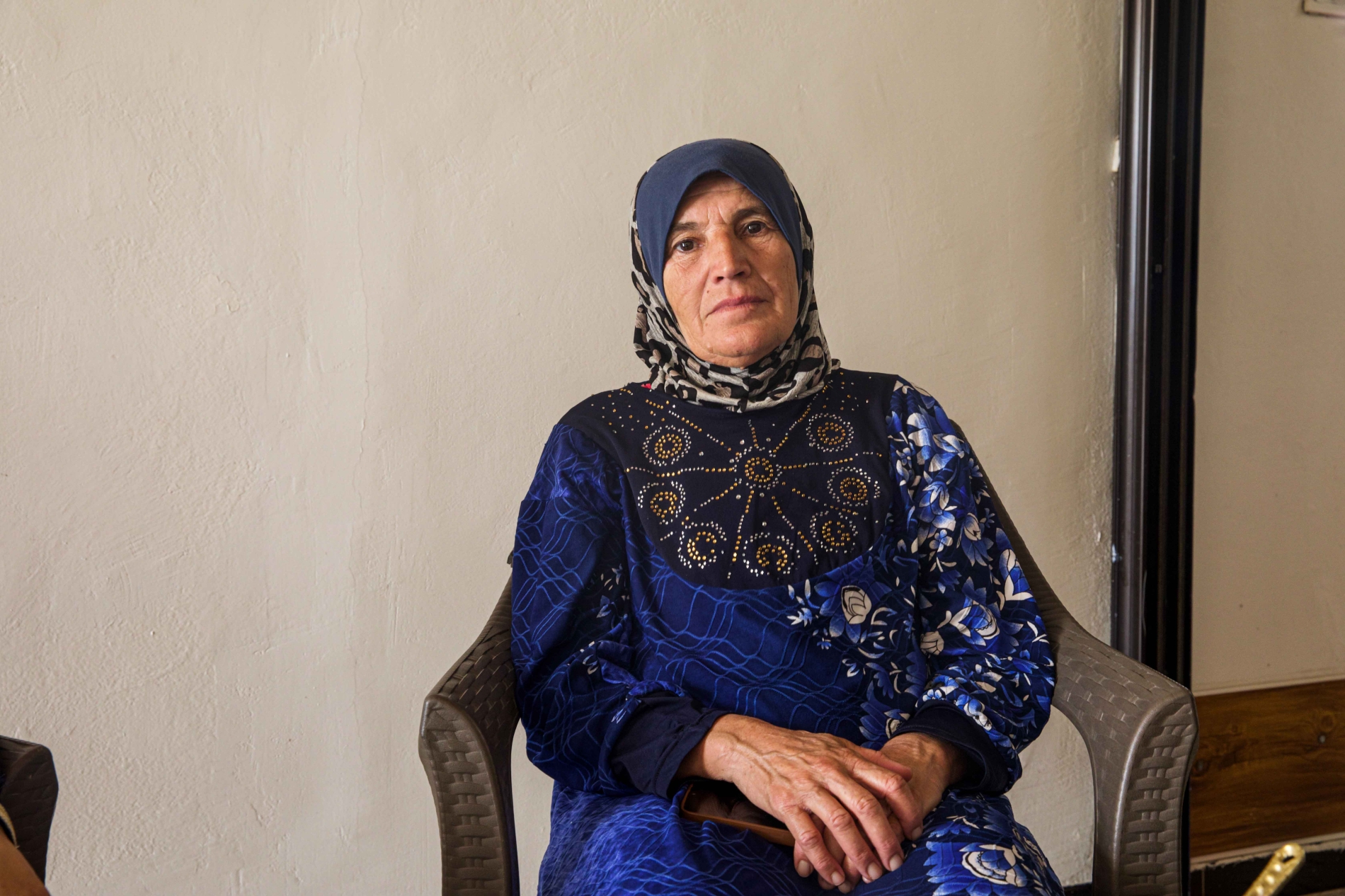
On 9 September, Israeli Prime Minister Benjamin Netanyahu appeared atop the mountain, symbolically reasserting the Israeli army’s grip on the area and on this side of Syrian territory. Netanyahu visited Israeli troops alongside Defence Minister Israel Katz, using the occasion to emphasise that Israel fully controls the border running from the mountain to the Yarmouk River, all the way to the Mediterranean Sea. What was an illegal entry into Syrian territory sparked outrage in Syria, with the Syrian Foreign Ministry dubbing it a provocation and a ‘violation of Syria’s sovereignty, territorial integrity, and international law.’
Asked about the reason for this escalation, Safa notes that the local population has lived here since 1974, and “no one here has ever taken any action against Israel.” Highlighting the illegality of Israeli army incursions and cross-border arrests, she describes the impact on the community.
“The first time they entered, they arrested seven of our young men, and it was a shock. We are Syrians, and this is Syrian land, located outside the buffer zone.” Of those taken across the border, only two were released; the remaining five have not returned, and their families have received no information on their legal status. “Israel has no right to enter our houses and arrest us,” Safa adds.
In the days following the fall of Syrian dictator Bashar al-Assad, Israel illegally seized a military position inside the 1974 buffer zone for what it called a ‘temporary presence’. Tel Aviv declared the 1974 Disengagement of Forces Agreement void, refusing to withdraw from the buffer zone and using it instead as a launchpad for deep raids into Syrian territory.
Further up Mount Hermon, another community lives under the shadow of this military presence. The Druze, inhabiting a cluster of villages along the slopes, remain cautious but do not feel directly threatened. Unexposed to the abuses endured by their Sunni neighbours, most Druze residents met in the town of Arneh told Al Majalla that the Israeli troops do not intimidate them.
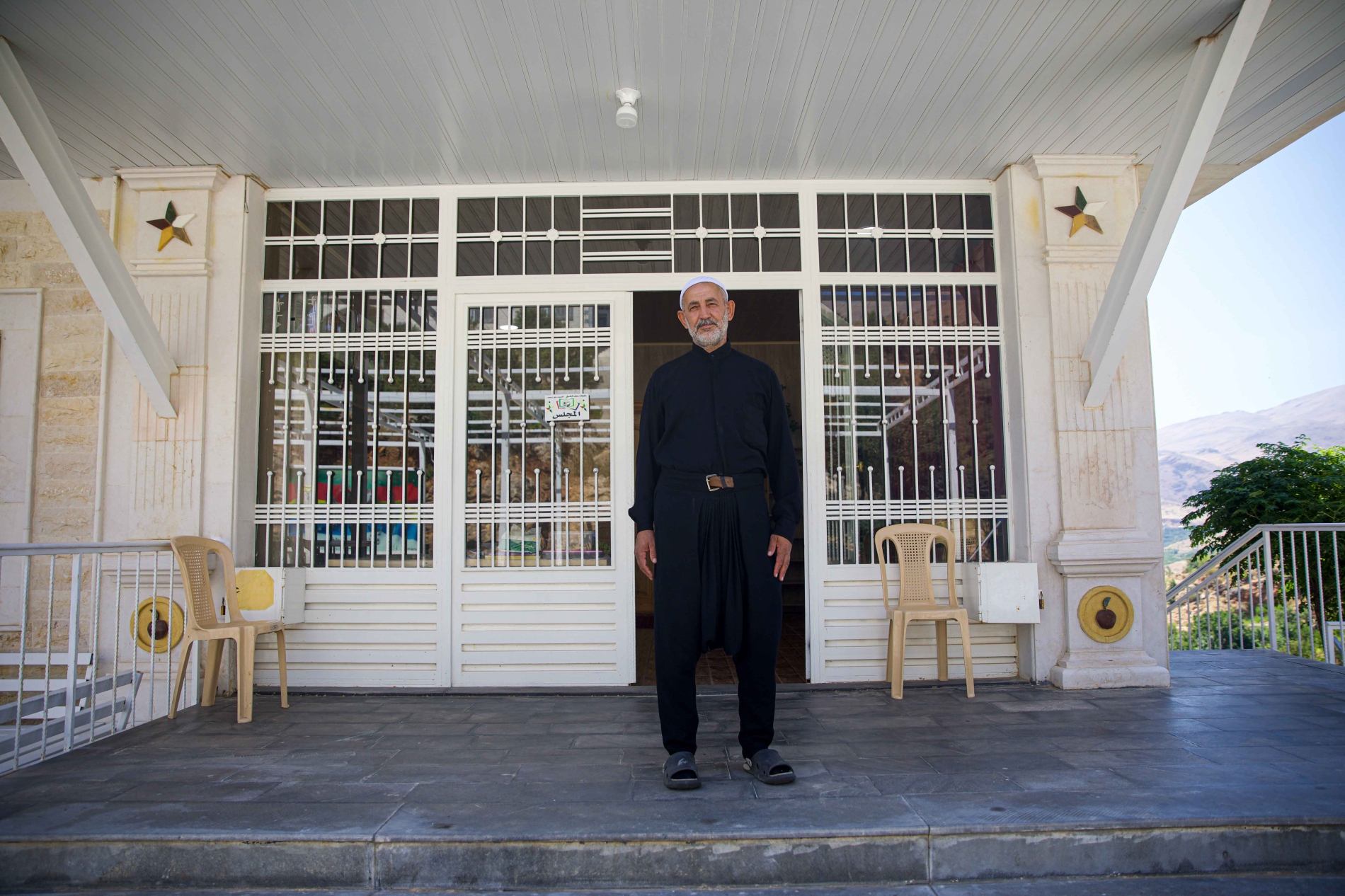
Despite a facade of normality, some in Arneh voice discomfort over the incursions. Speaking inside a local sheikh’s home, his son, who asked to remain anonymous, acknowledges the friction. “Today, the Israeli presence is an obstacle to the presence of the Syrian government,” he says, explaining that it prevents the transitional authorities in Damascus from offering anything beyond basic services. Meanwhile, Alaa Masoud, a fruit trader with business in the capital, echoes the common Druze view: “The Israelis patrol and fly drones just to see what is happening, then leave. They don’t even talk to us.”
Alaa speaks openly about the fear of living in a security vacuum, revealing quiet anxieties within the Druze community. “Everybody here wants Damascus. Israel is not loved at all. They took the mountains around us, so it felt like protection for us in case an attack happens, like in Suwayda. But if our government protects us, we don’t need the Israelis. We don’t trust them.” Over coffee in his shop, he highlights this dilemma. Despite their loyalty to Damascus, the current lack of security leaves residents feeling that they cannot simply dismiss the Israeli presence.
The Head of the Arneh City Council, Nabil Kaboul, captures the core issue. “It’s called a buffer zone, but in reality, we don’t know whether it’s a buffer zone, an occupied zone, or a Syrian zone. It’s a void.” This ambiguity leaves local Druze on shaky ground. While most residents speaking with Al Majalla noted that Israeli incursions have been peaceful, the authority vacuum creates deep uncertainty about the future.
The security situation changes dramatically when you leave Mount Hermon and drive south into Daraa province. In the Sunni village of Jamleh, military patrols can strike at any hour. These regular incursions, including one that passed through hours before we arrived, underscore the broader security shift villagers are now navigating.
We met a farmer and beekeeper living on the edge of the Wadi Ruqqad valley, whose house was shelled by Israeli artillery a few days before our visit. Showing us the damaged structure, he explained: “They (Israeli army) keep shooting at night over residential neighbourhoods, and we can’t sleep. In the western area, most of the water tanks are shot up.” Eight people live here, including six children, just 500 meters from the nearest Israeli army position—the closest distance to Israeli troops along this stretch.
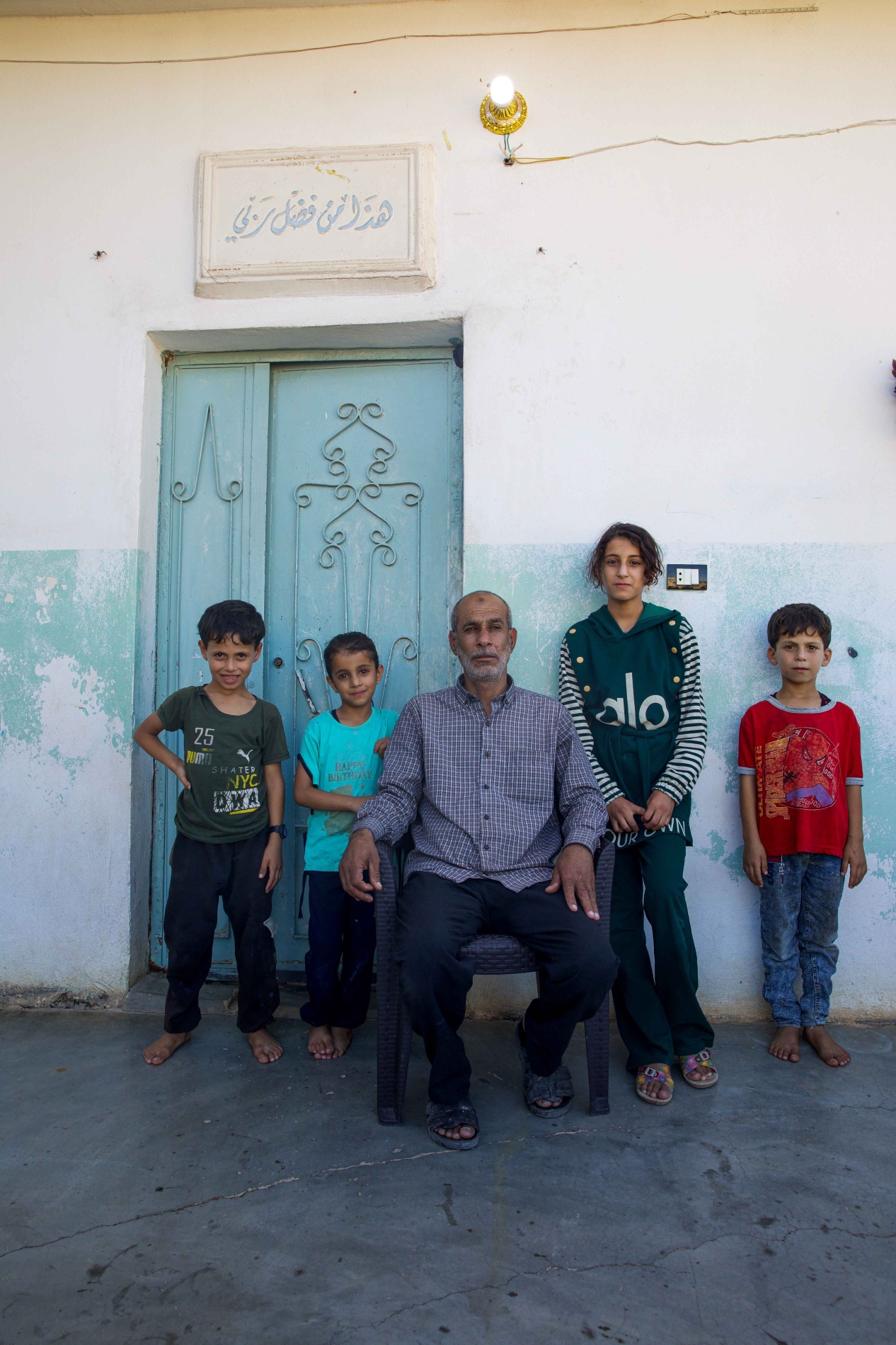
The farmer—who agreed to be photographed, but we have changed his name to Mohammed for his privacy—had a direct confrontation with the Israeli army in July while harvesting his land. “I was with my family, and two of their vehicles approached. They opened fire, and we had to hit the ground.”
He and his wife were ordered to leave and tell the village headman the area was now off-limits. Though they grow olive trees and vegetables, they have been barred from their land ever since. The incursions have also crippled his beekeeping.
The Yarmouk valley’s warm microclimate makes it the ideal environment for bees, but today beekeepers have been driven out by the Israeli army. Many have experienced harassment and beatings, turning the valley into hostile terrain and causing heavy financial losses. Mohammed made a pragmatic but costly choice: he relocated his hives to Tafas, around 30 kilometres away. Visiting every two days costs him around $100 per trip. Other beekeepers in the valley face the same choice: relocate their hives at great expense or leave their bees to die over the winter.
Yet nowhere is the cost of the Israeli presence higher than in the Quneitra countryside. In the first two weeks of September, villages across the governorate saw a surge in incidents, including artillery shelling, intensified military patrols, and assaults on shepherds.
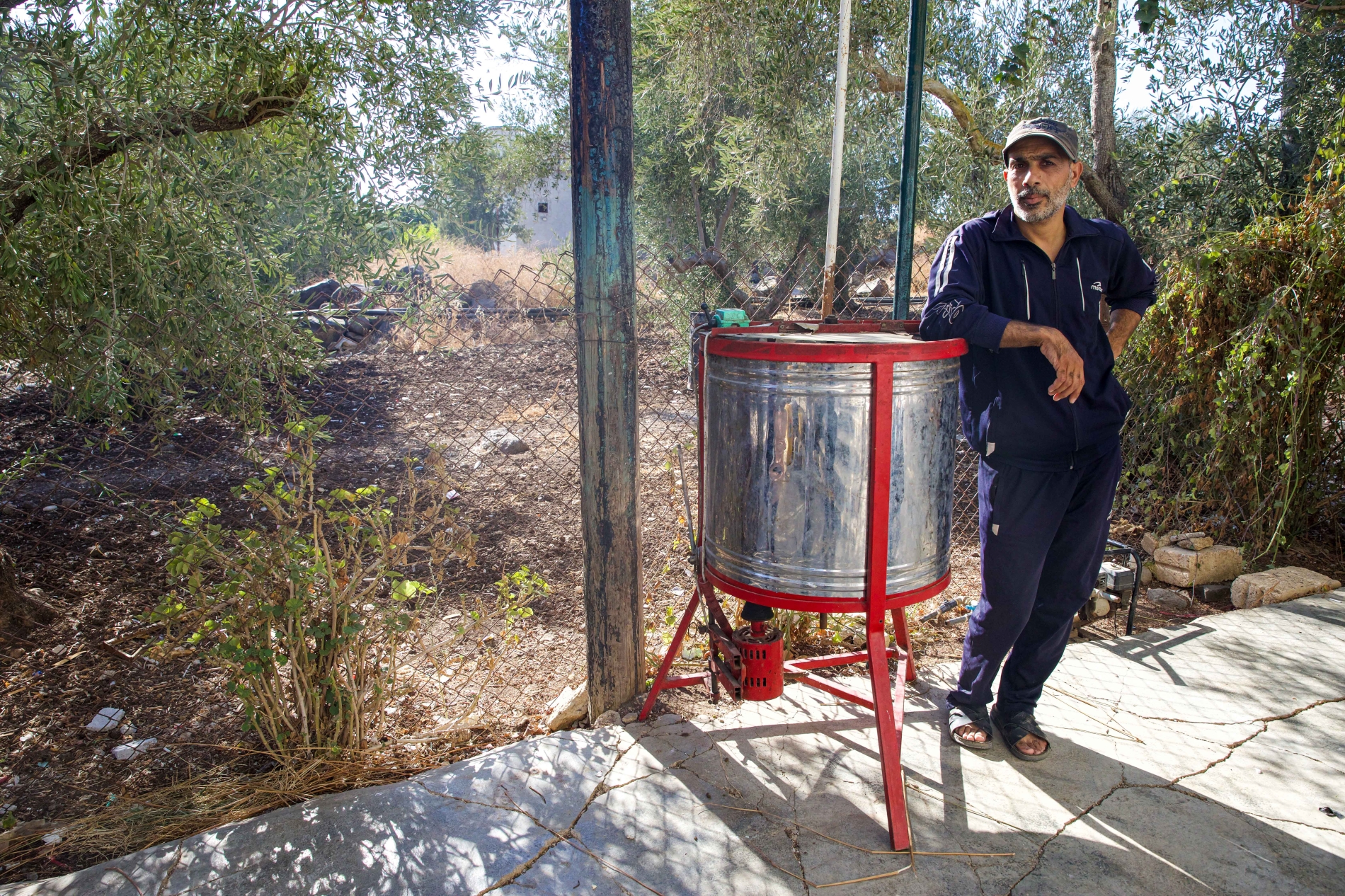
In the village of Samdaniyah, terror sets in by mid-afternoon. A few villagers gathered over tea in a courtyard recount a daily reality that grows more hopeless with each passing day. They are joined by Salim Taha, a farmer in his fifties and head of the nearby village of Alhoriya. Salim recalls the second day after Assad’s fall, when Israeli army tanks entered the town and issued a 24-hour ultimatum to evacuate. Residents refused to leave their homes, though they evacuated women and children as a precaution. On the following days, the Israeli army repeated the demand, but villagers held firm until the troops eventually relented. Still, Salim admits: “Life is almost over here. We don’t have land, and people don’t know what to do.”
Different area, same approach: Israel seized around 50 hectares of land in Alhoriya, leaving farmers stripped of their olive groves, fruit orchards, and pastures. Shepherds now face a grim choice: sell their herds or pay expensive rent for pastures beyond the Israeli army’s reach. Farmers can no longer access their fields.