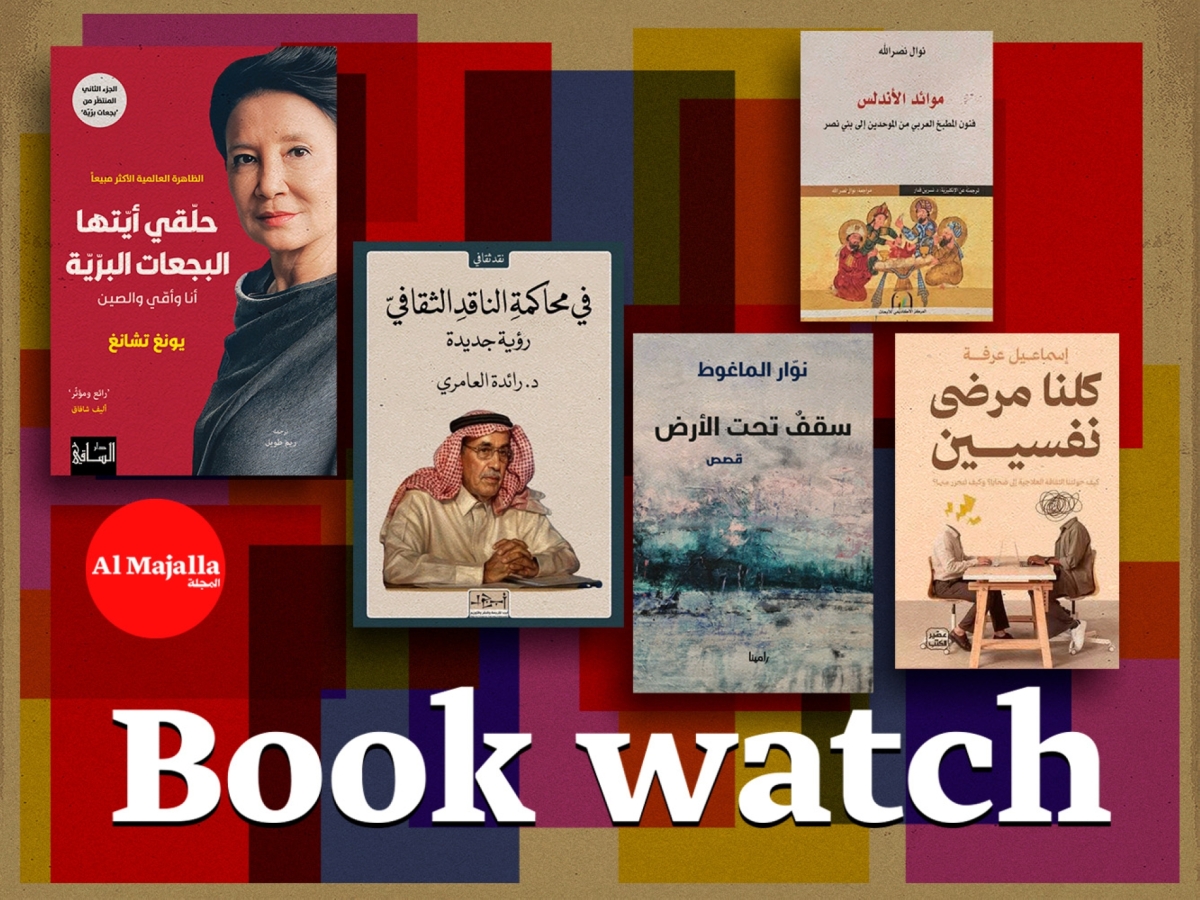
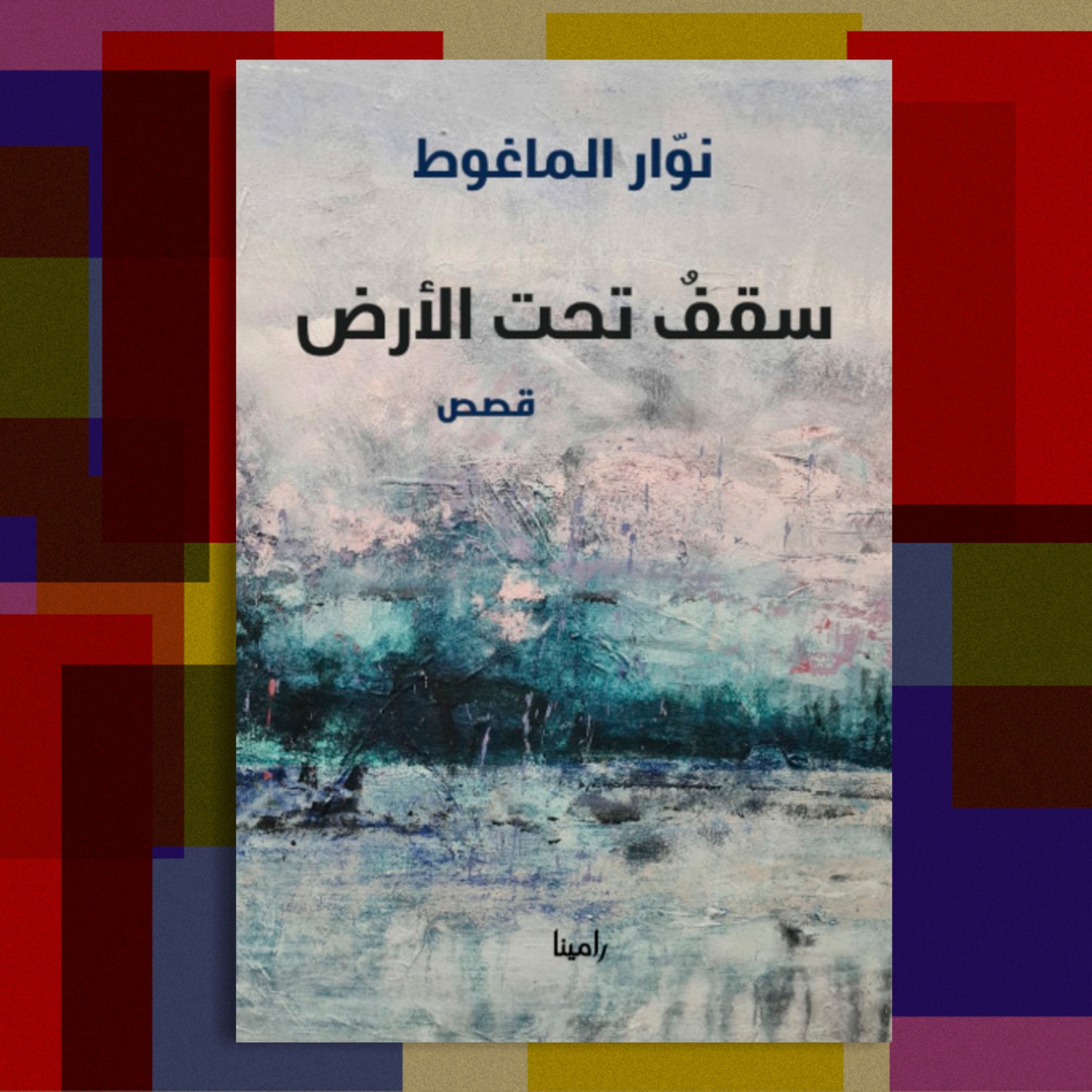
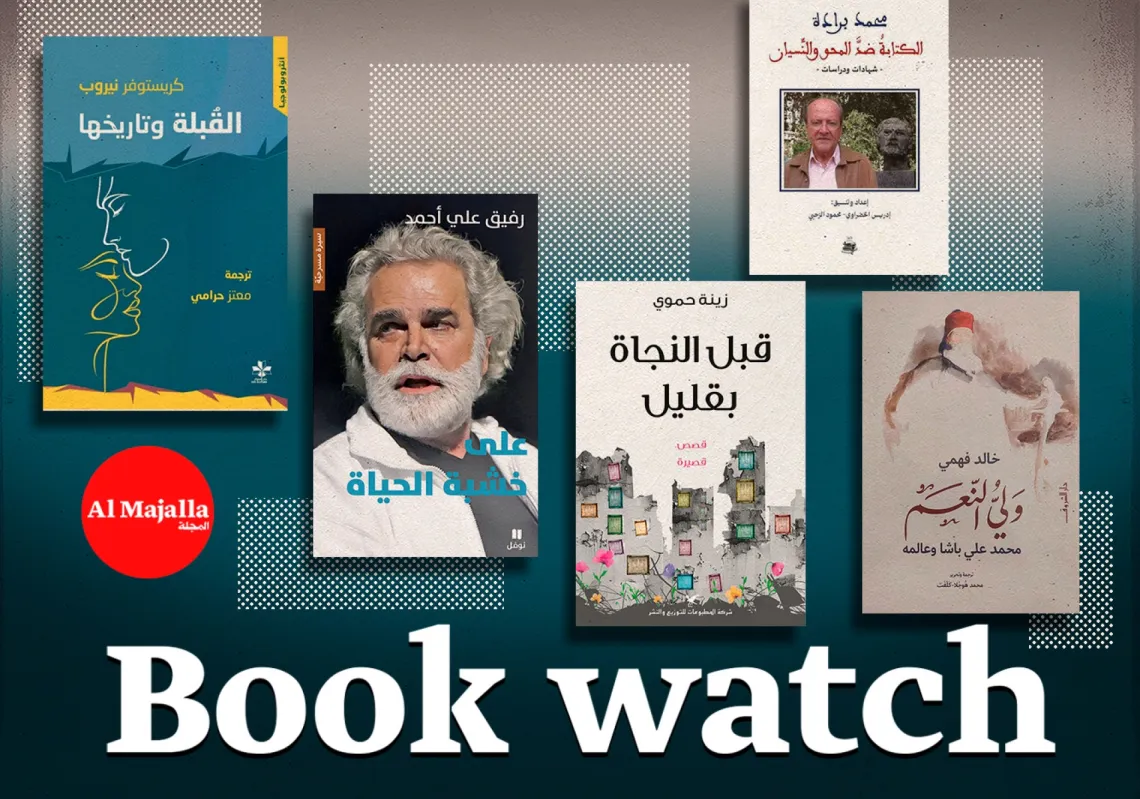
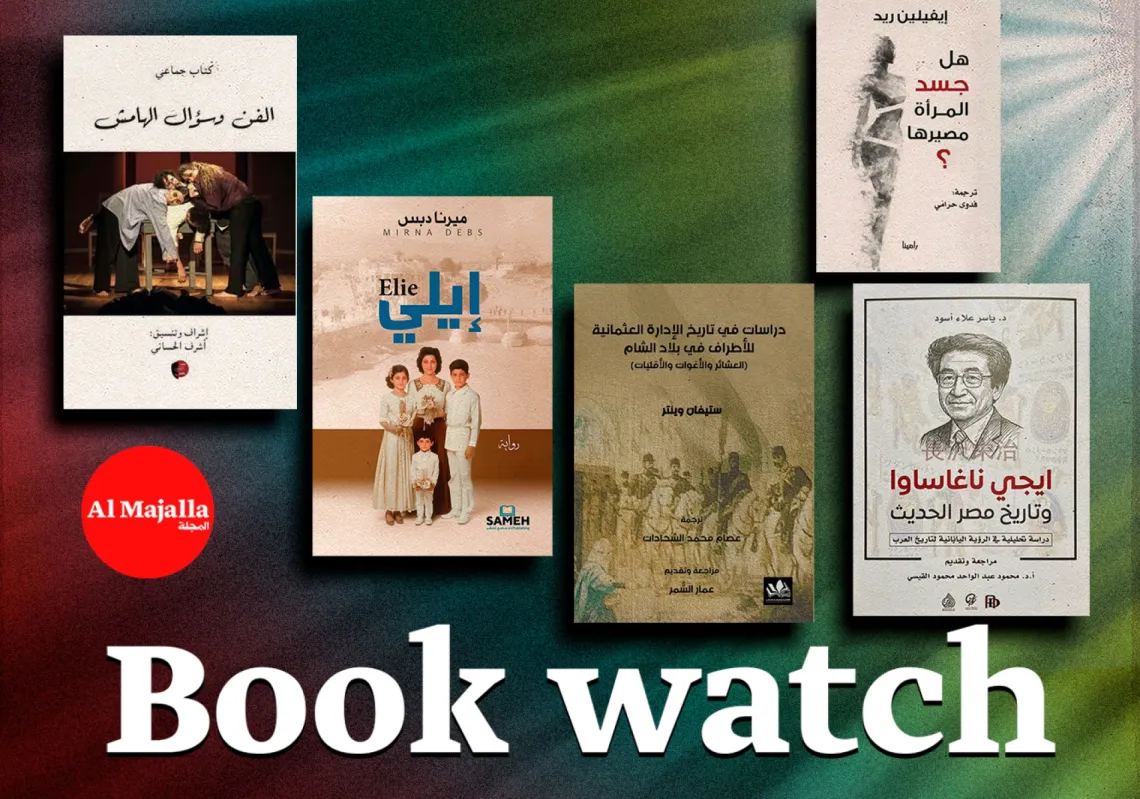
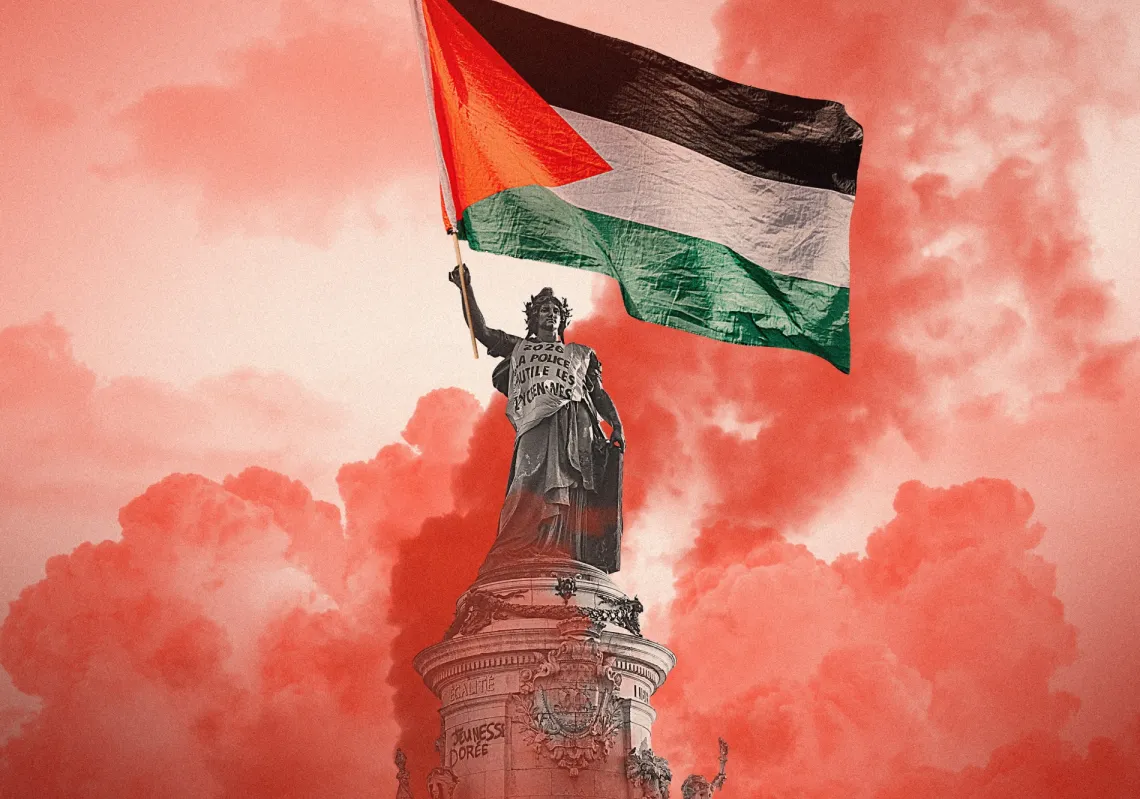
The struggle against authority and systematic marginalisation is a topic in A Roof Underground, which follows the tragic story of human rights advocate Said Al Sabbagh, an honest employee who has spent his life defined by discipline and integrity in a corrupt system. After decades of hard work and the loss of his daughter, he gathers his life savings to buy a basement in Aleppo's affluent Meridian district, where he hopes to live in peace with his wife and son.
Unable to afford the full purchase price, Said is forced to rent out the basement for a year, only to find that this leads to the property being taken and seized by a powerful regime-connected thug. His greatest disappointment comes when he discovers that the basement was built over a broken sewer pipe, leaving it plagued by filth and rats, a mirror of the corrupt structure of the world in which he lives. At least the smell and vermin send the thug to pastures new, but Said is left with debts and complaints, ultimately recognising the futility of his dream in a world with no place for honour.
The collection extends beyond political and social injustice into human and emotional experience. In Scheherazade, there is the anguish of devastating personal loss amidst the collapse of the medical and public service systems, whereas Layla and the Wolves portrays the injustice of medical negligence and the superficiality of relationships and bonds when tested. The Last Eid, meanwhile, evokes nostalgia and longing for an earlier, more innocent time, before drought and an encroaching concrete landscape.
The collection is written in a concentrated style that makes extensive use of symbolism without sacrificing the fluidity of its rhythm. In The Tree, for instance, bitter almonds reflect the bitterness of expectations and reality, between hope and disappointment. The idea of the 'half-sole', meanwhile, becomes a symbol of the compromises that people are forced to make every day simply to survive. Through this imagery, the book reveals how life exacts its harsh dues and leaves deep, unhealing wounds in the lives of ordinary, marginalised people who have little left but memories.
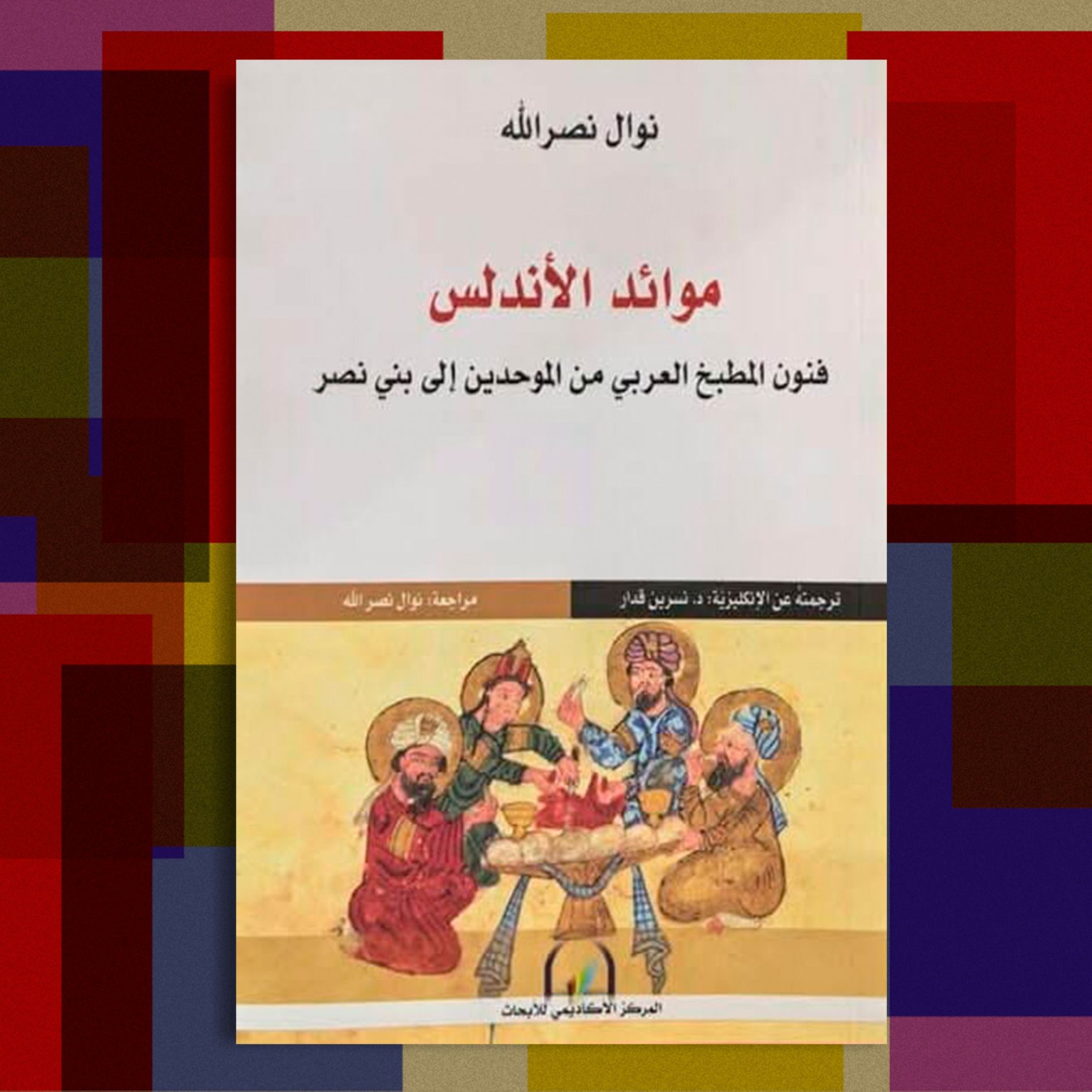
Tables of al-Andalus
Author: Nawal Nasrallah
Translated by: Nesreen Qaddar
Publisher: Academic Centre for Research, Iraq
Tables of al-Andalus explores the history of food and cooking in the Iberian Peninsula over several centuries from the start of the Almohad era (1145 CE) to the fall of the Kingdom of Granada under the Nasrid dynasty (1492 CE). Nawal Nasrallah's study forms part of a broader effort to document the heritage of Arab and Islamic cuisine using historical and literary sources. The book examines how Andalusian cuisine developed into a social and cultural phenomenon closely connected to the region's political and economic structures. It draws on dietary practices as well as medical and legal texts dealing with market regulation and dining etiquette.
The first section surveys the staple ingredients used by Andalusians, including spices, herbs, oils, meat, and grain. It also explains common cooking techniques, including the pairing of sour and sweet flavours, slow cooking in earthenware vessels, and steaming. Some methods of preparation were even shaped by ancient medical philosophy. Meals were regarded as a means of achieving physiological balance, either to preserve health or treat illness. In this way, Nasrallah also examines the role played by physicians in prescribing specific diets for different sections of society.
The author devotes considerable attention to the historical development of table manners and the social conventions surrounding hospitality. She traces the gradual emergence of a system in which dishes were served in succession, beginning with soups and appetisers, and ending with desserts, while also identifying the utensils and drinking vessels used at social gatherings. From here, it is a short hop into the analysis of class distinctions in the patterns of consumption. For example, it contrasts the court kitchens of the Almohad and Nasrid rulers, with their rare and expensive ingredients, with the everyday popular cuisine of towns and rural communities.
The book further examines changes in dietary habits during the periods of upheaval and crisis that preceded the fall of Granada, showing how geographical and political changes led to food shortages, which in turn led to altered ingredients in some dishes. The images are drawn from old miniatures and manuscripts, intended, as the author puts it, "to bring readers closer to the visual atmosphere of the Andalusian kitchen". In summary, Tables of al-Andalus explores the anthropological dimension of the Andalusian culinary legacy, bringing together material from social history, ancient medical knowledge, and the history of food in the western Mediterranean.
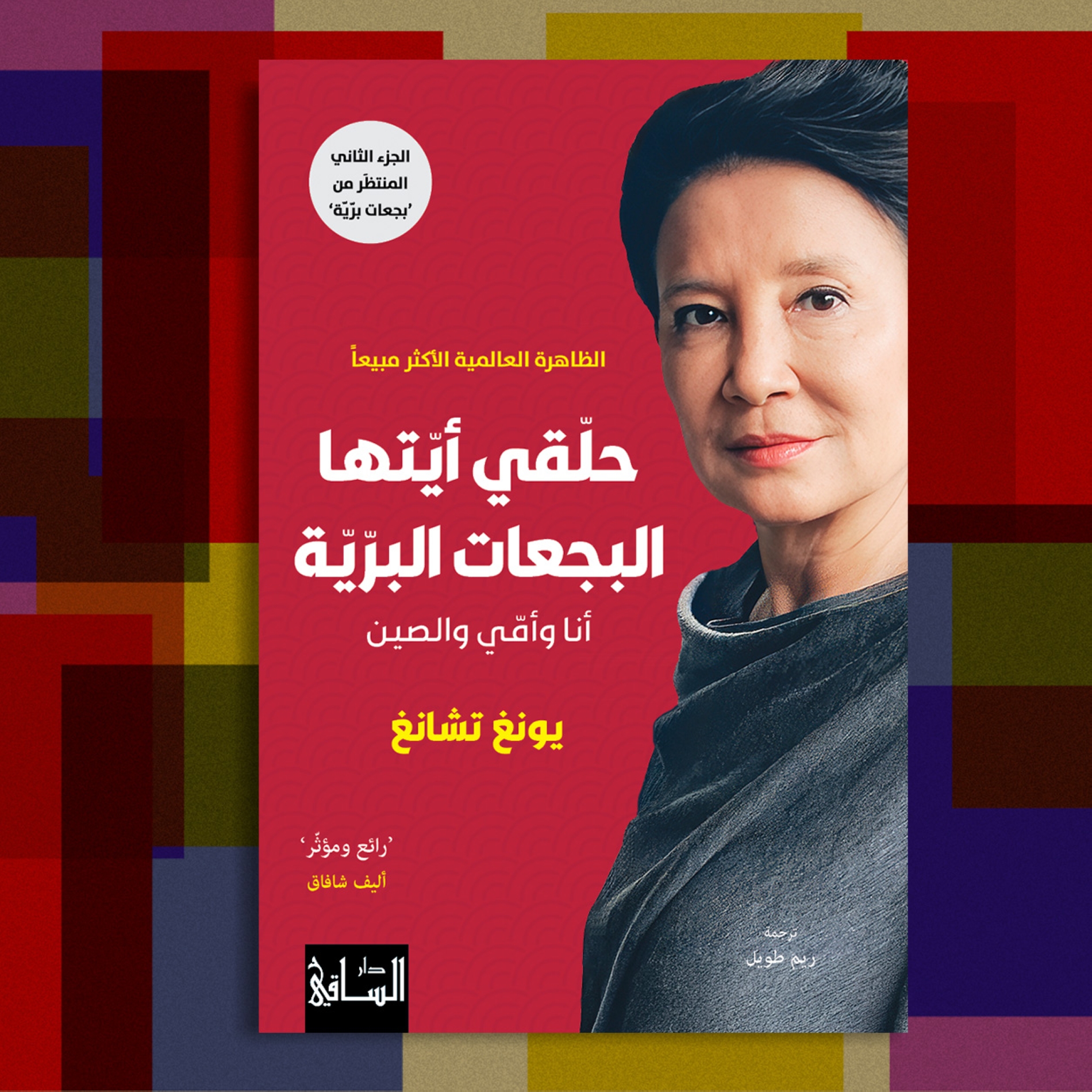
Fly, Wild Swans
Author: Jung Chang
Translated by: Reem Tawil
Publisher: Dar Al Saqi, Lebanon
Chinese-British writer and historian Jung Chang follows up her celebrated memoir Wild Swans with a direct documentary which begins where the first volume ended in 1978, when Chang left her native China for exile. Wild Swans: Three Daughters of China, published in 1991, achieved worldwide success by chronicling modern Chinese history through three generations of women in her family.
This sequel, a full 35 years later, recounts how she subsequently became a target of surveillance and intimidation by the Chinese authorities, even beyond the borders of her homeland. It is a memoir that unfolds on two levels: one personal and human, the other political. On the former, Chang documents the pain of exile and separation, prevented from returning to see her mother before she died. On the latter, it examines the changes China has undergone in recent decades, becoming an economic and global power while also restricting freedom of expression and increasing censorship.
She devotes considerable space to the research behind her books and the oral testimonies she gathered. This includes the formidable challenges and risks she faced while collecting secret historical documents and conducting extensive interviews with eyewitnesses and relatives of members of the former ruling elite. Yet her sources inside China help document pivotal periods in the country's history.
It recounts Chang's development as an intellectual critic and her pursuit of historical writing under the threat of surveillance and persecution, while also examining the human cost of the dramatic historical changes that have swept across East Asia. Ultimately, this book reveals the price exacted by both writing and memory when confronting totalitarian systems.
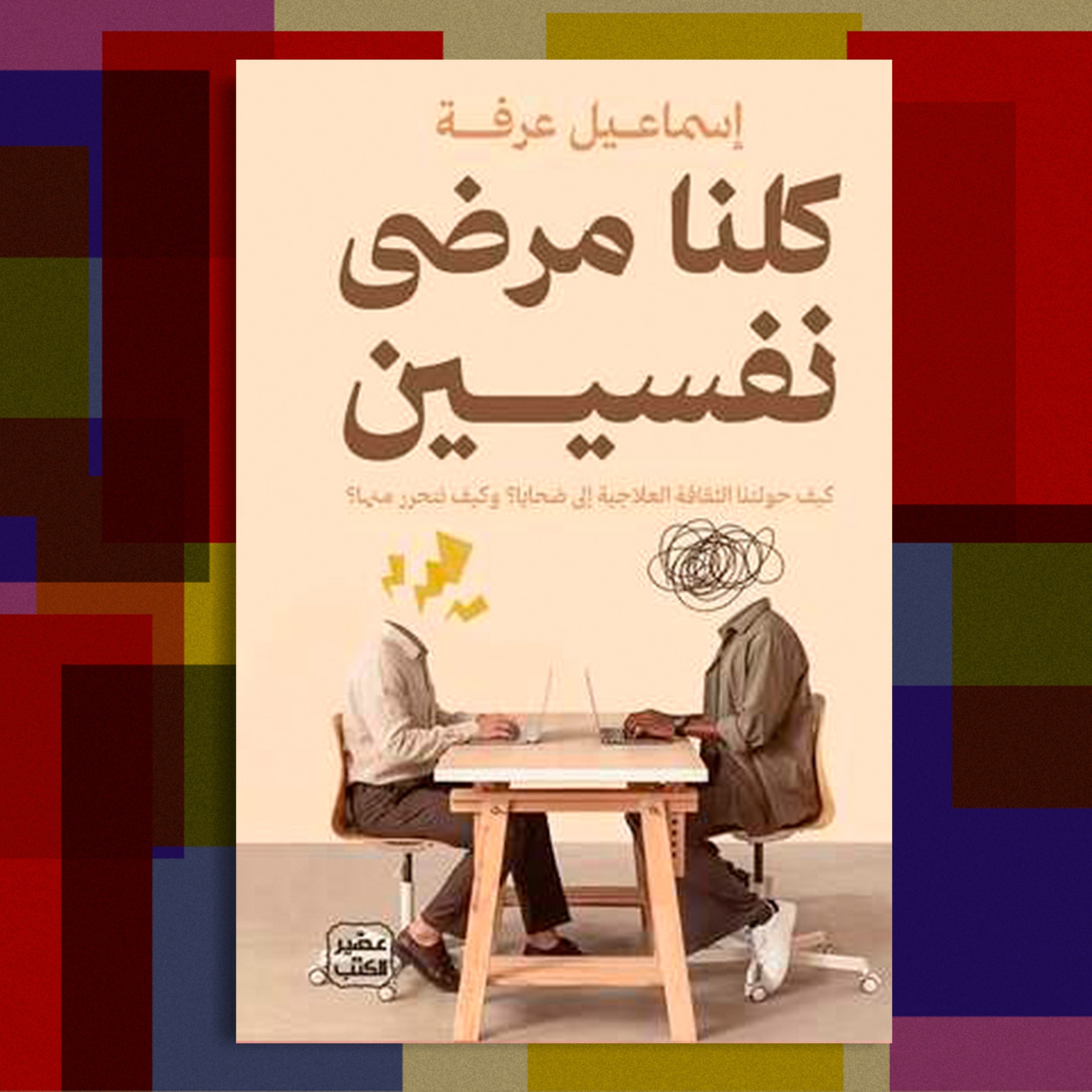
We Are All Mentally Ill
Author: Ismail Arafa
Publisher: Aseer Alkotb, Egypt
We Are All Mentally Ill offers a critical reading of 'therapeutic culture' and its growing presence in Arab societies. The book examines how specialised psychological terminology has moved beyond the clinics and into populist discourse, with terms such as narcissism, attention deficit hyperactivity disorder (ADHD), trauma, and burnout becoming common ways to explain ordinary human behaviour and emotions.
Drawing on a range of sociological and psychological perspectives, Ismail Arafa examines how the spread of self-diagnosis has, in his view, turned people into "presumed victims" who evade responsibility by claiming psychological distress. He also discusses the role of social media in promoting this culture, arguing that complex human relationships and ordinary emotions such as sadness, anger, and stress are increasingly reduced to disorders requiring diagnosis or treatment.
The author contemplates the decline of traditional social and religious frameworks in favour of commercial psychological discourse, arguing that moral principles and social bonds are being replaced by notions of mental wellbeing. In his view, this leads to greater vulnerability in the face of life's pressures and an inflated sense of self. Arafa addresses the financial forces driving this 'self-help' industry, including how some content creators capitalise on people's anxieties to create (what he thinks is) an artificial demand for therapy and counselling.
He traces how distress, for instance, has shifted from a natural condition requiring patience and adaptation, into one that can be commercialised with workshops, digital applications, and books promising magical solutions to life's complex problems. Arafa concludes by considering alternatives to this pervasive therapeutic mindset. He suggests returning psychological terminology to its proper medical context, recognising genuine mental illness, but also accepting ordinary human emotions and pressures as a natural part of the human experience.