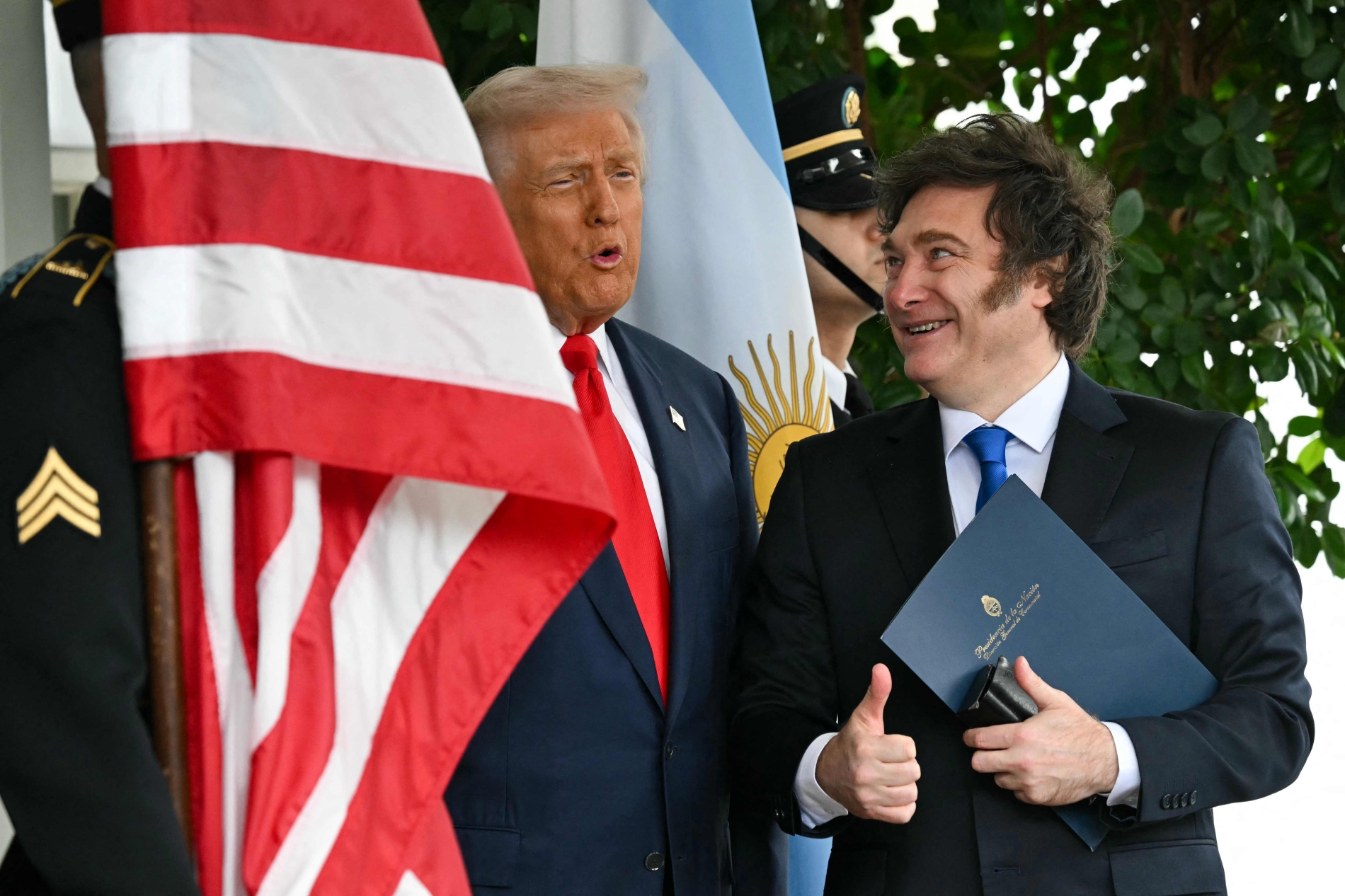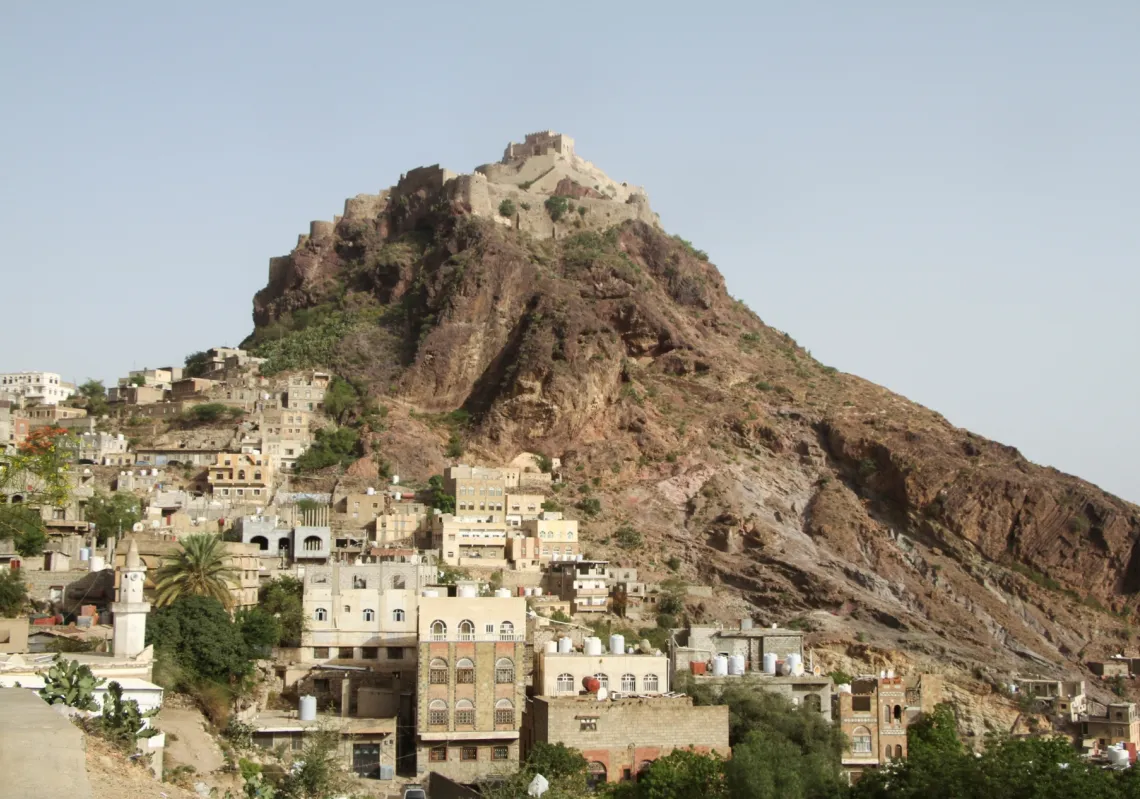

Javier Milei is an unlikely champion of Argentina’s claim to the Falkland Islands. An admirer of former British Prime Minister Margaret Thatcher (who fought and won a war against Argentina) and an international ally of Israel (which is working with the British on a nearby oilfield), the libertarian Argentinian president may not have been expected to pick this particular fight. Nevertheless, he has placed the islands (known in Argentina as the ‘Las Malvinas’) front and centre.
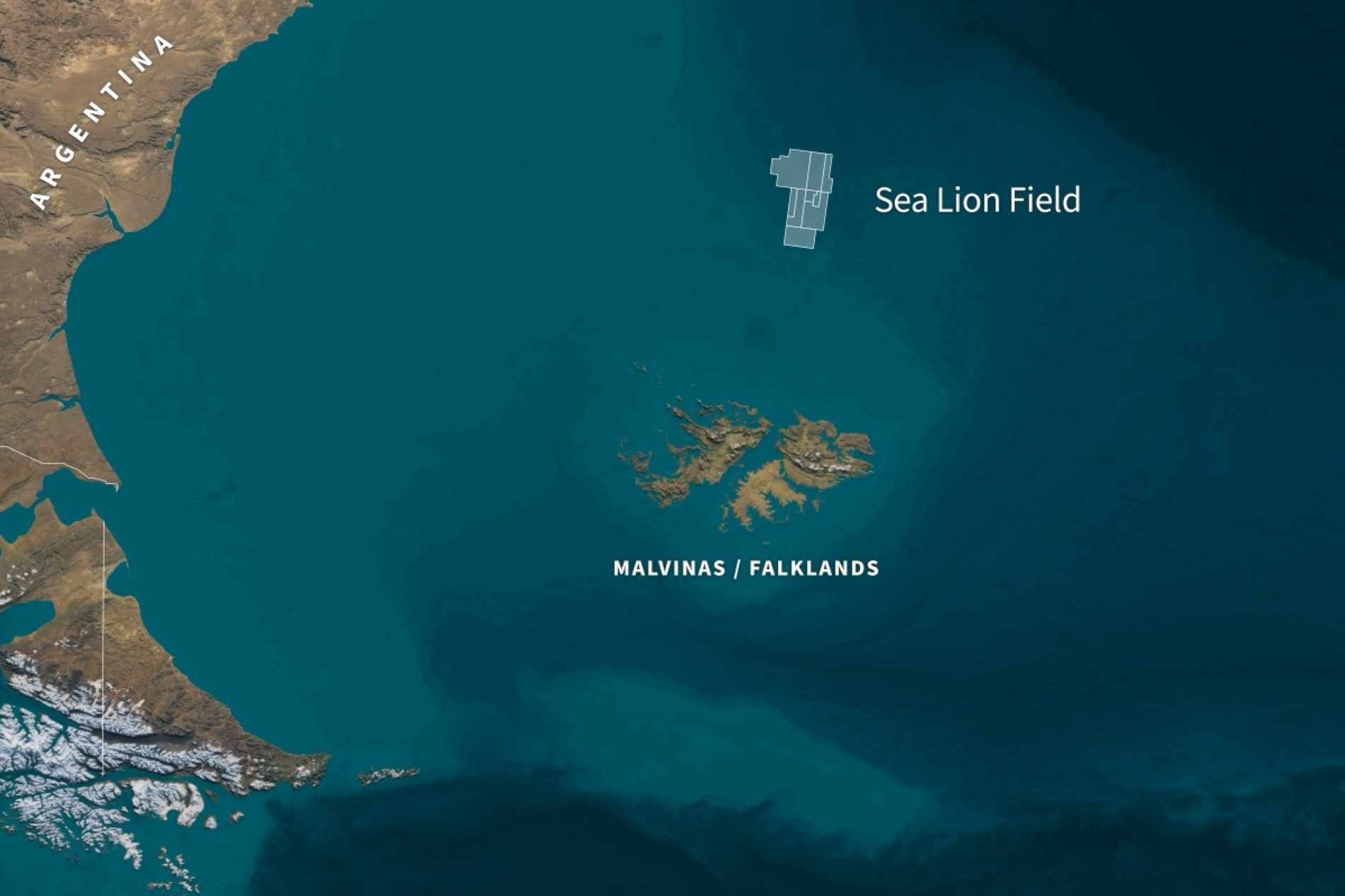
In a national address on 3 September, Milei described the planned $2.1bn British-Israeli Sea Lion oilfield project located in waters 220km north of the Falkland Islands as an urgent threat to Argentine sovereignty. His government then imposed sanctions and filed criminal complaints against companies connected to it, with a federal court order directing the British and Israeli developers to halt work pending an environmental review.
Since activity at the site lies outside Argentina’s effective control, implementation depends on international cooperation or voluntary compliance, both of which appear unlikely after Britain rejected Argentine jurisdiction, promised assistance to participating businesses, and the two development firms pledged to proceed. Still, it lets Milei counter his critics and appeal to voters at home. Besides, with Donald Trump in the White House, Milei may be right in arguing that the tides are turning.
Raising the stakes
The Falkland Islands have been British since 1833, meaning London and Buenos Aires have been at odds over them for almost two centuries. Britain and Argentina fought a short but deadly war after an Argentinian invasion in the 1980s, when Thatcher was in 10 Downing Street. Britain emerged victorious, but the Argentinian demand for sovereignty never disappeared, and the prospect of oil has brought it back into focus. Issues of resource ownership, maritime jurisdiction, and territorial control now appear alongside themes of history and identity in the debate.
After years of exploration and delay, Israel’s Navitas Petroleum and Britain’s Rockhopper Exploration made their final investment decisions for the Sea Lion oilfield in December. The Falkland Islands authorities then gave approval covering Phase 1 and 2 of the Northern Development Area. The first oil is expected in early 2028. They have also addressed issues of taxation, petroleum valuation, security for investors, and access to land needed for associated facilities.
The approvals and investment decisions mark a decisive break from earlier exploration, which confirmed recoverable reserves without obliging partners to proceed. Bringing the field into operation requires capital, contracts, and infrastructure that become increasingly costly to unwind as construction advances. For the islands, potential revenues could diversify an economy heavily reliant on fishing, increase the local government’s fiscal capacity, and make the islands’ present status easier to sustain, thereby reinforcing Britain’s position.
Still, Argentina sees any reserves as its own and will be concerned that the commencement of operations cements a reality in which it has no acknowledged authority over the surrounding waters. This explains why Milei is acting now, before the status quo becomes harder to reverse.
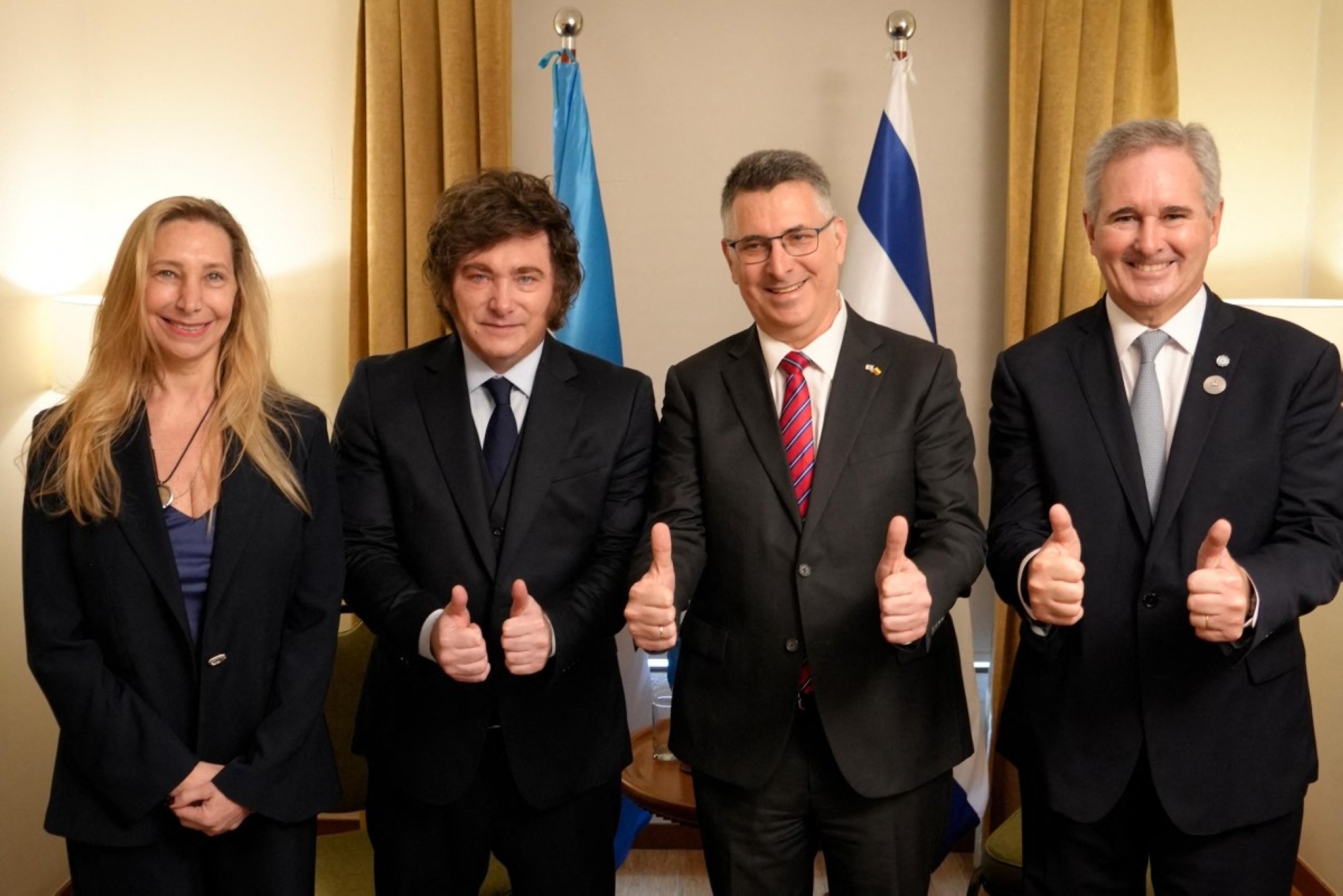
Foreign alliances
Milei’s government has summoned the British and Israeli ambassadors, filed criminal complaints, and threatened penalties against companies, investors, and suppliers involved in the oilfield venture, thereby reaffirming a constitutional commitment that no Argentine president could easily set aside. The issue also shows how Milei’s ideological alignments (libertarianism and market liberalism) come second to resource nationalism, where sovereignty claims warrant intervention, even against allies like Israel.
Alongside that, there is now a proposed National Security Council and related measures designed to coordinate defence, intelligence, foreign affairs, economic policy, and the protection of critical infrastructure. If enacted, it would concentrate state power in a president who famously wanted to take a chainsaw to the Argentinian state, including by ‘cutting’ subsidies, bureaucracy, and state spending.
In his new focus on the islands, Milei has chosen something that is embedded in Argentina’s constitution, taught in schools, honoured in commemorations, recognised on maps and currency, and ingrained in popular culture, enduring military rule, democratic transition, and administrations that pursued warmer ties with Britain: an understanding of national territory. As such, he can present his response to the Sea Lion project as fulfilling an inherited duty.