The chapters on Soviet composer Dmitri Shostakovich and German composer Ludwig van Beethoven are therefore more than exercises in stylistic analysis; they examine music's capacity to become a symbol of liberation or an instrument of propaganda, depending on who claims it and for what purposes.
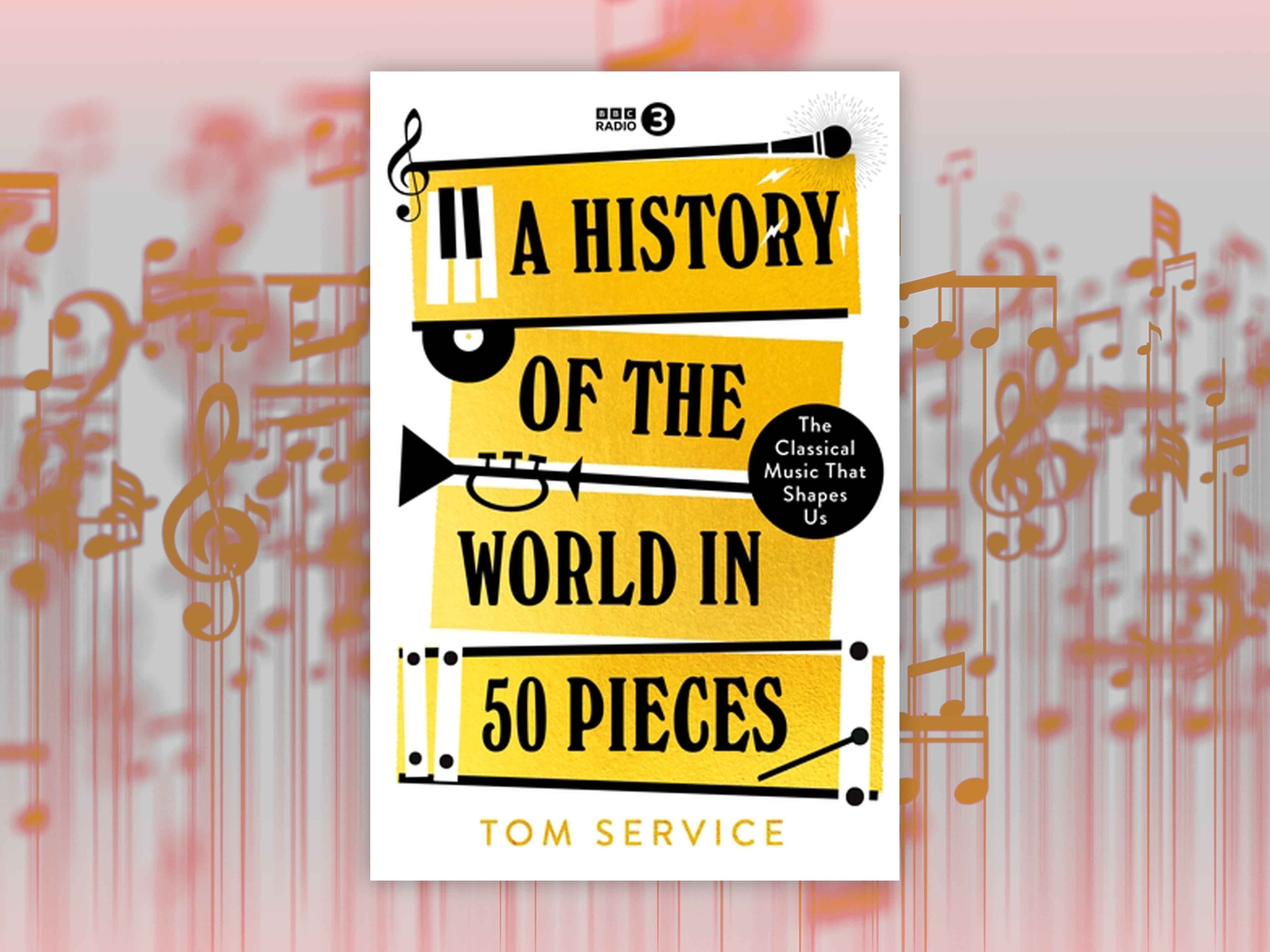
Perhaps the book's deepest irony is that it cannot entirely escape the very problem it interrogates: the power of the arbiter of taste. To select only 50 pieces from several millennia of musical history is to create a particular version of the world, rather than simply to describe one. Service is alert to this tension and tries to address it by making room for popular music, oral traditions, non-Western works, compositions by women and even the sounds of animals.
Even so, some critics say it is Eurocentric and gives opera prominence at the expense of other traditions. It may be best read as a map rather than an encyclopaedia: inevitably partial and incomplete, yet intelligent enough to point toward paths the reader may never have known existed.
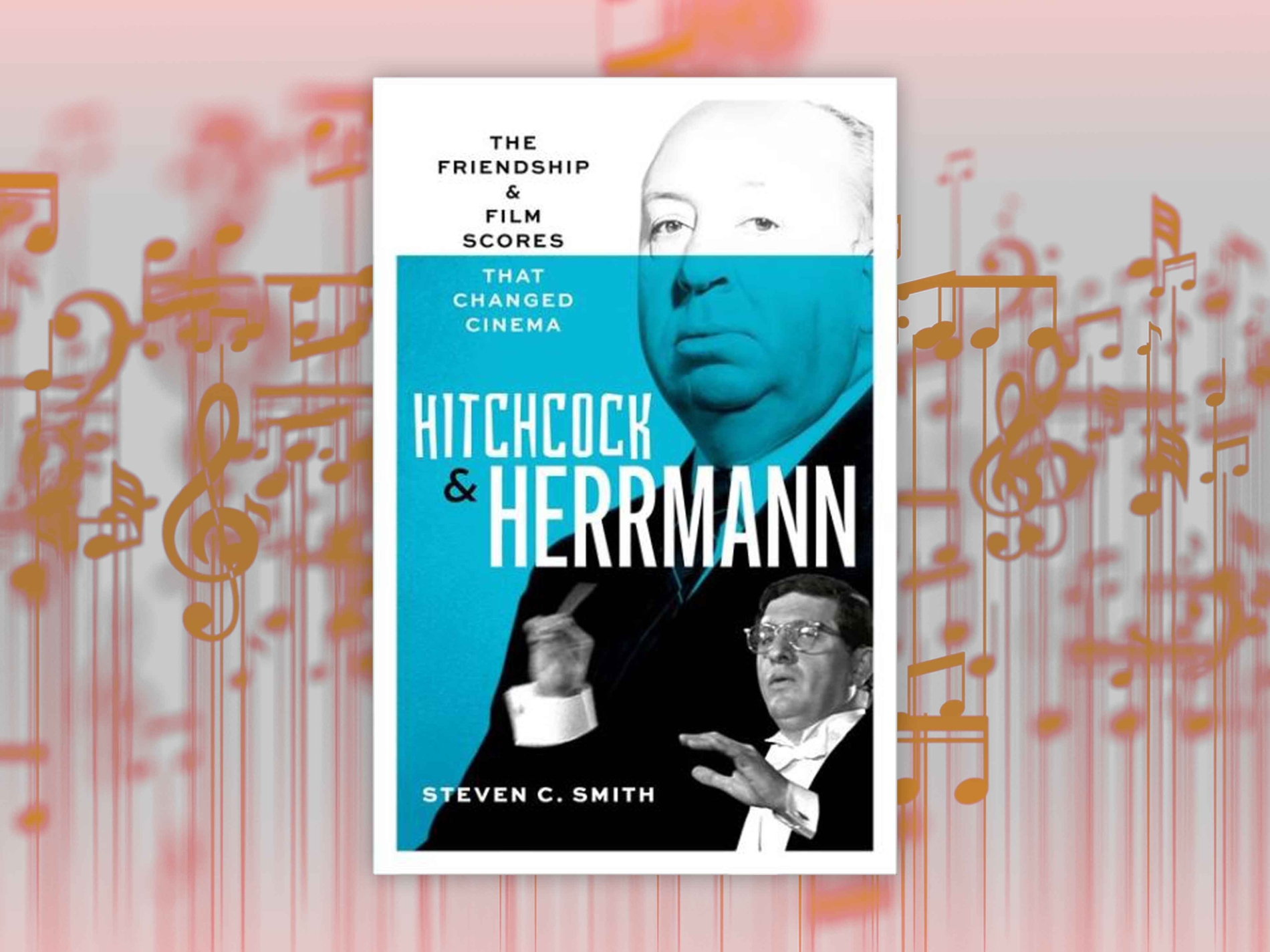
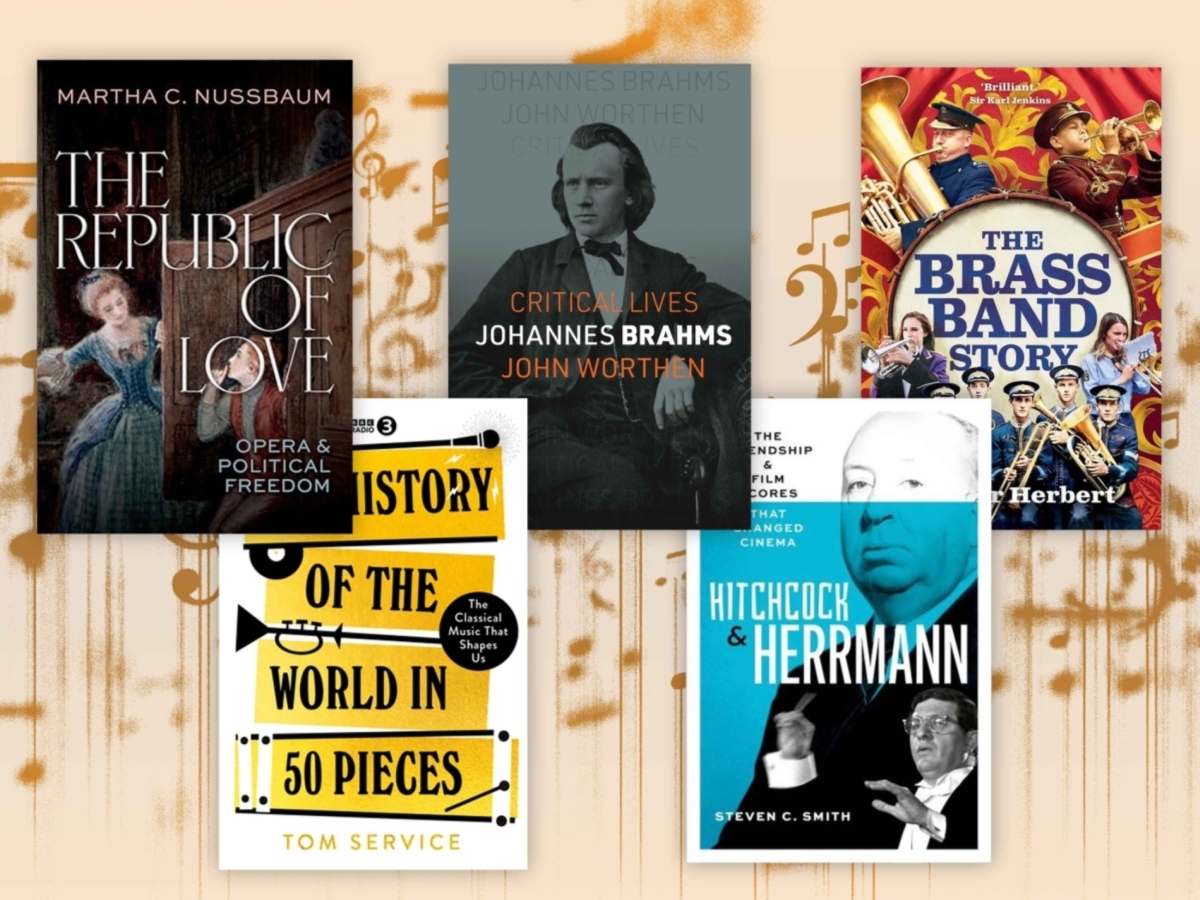
Hitchcock and Herrmann: The Friendship and Film Scores That Changed Cinema
By: Steven Smith
Published by: Oxford University Press
The author approaches music through the intensely personal relationship between director Alfred Hitchcock and composer Bernard Herrmann, who worked together for a decade and produced some of the most enduring moments in cinema history. Steven Smith, who has previously written a full biography of Herrmann, weaves personal narrative, musical analysis, and film history into a single, coherent account.
Much of the book's power lies in Hitchcock's conviction that music was integral to dramatic construction and deserved the same attention he gave to the screenplay or cinematography. Herrmann, by contrast, was volatile, uncompromising, provocatively outspoken, and confrontational when he felt that the music was being dismissed. The book asks, and seeks to answer, how two men of such profoundly different dispositions created one of the most harmonious artistic partnerships in cinema.
Herrmann began his career at CBS Radio, where he worked with director Orson Welles, who later invited him to compose the score for Citizen Kane, one of the best movies ever made. From the outset, Herrmann regarded film music as far more than ornamental. For him, it meant constructing a psychological and sonic world with its own integrity. His scores favoured short, recurring motifs, fine gradations of tonal colour, and striking contrasts between muted textures and sudden eruptions of sound. These qualities would become unmistakable hallmarks of his style.
Smith makes clear that Herrmann did not simply become "Hitchcock's composer" overnight. Earlier attempts to bring them together had come to nothing, until the decisive moment arrived with The Trouble with Harry in 1955, a dark comedy of peculiar tone that required music capable of reassuring the audience that death could, somehow, be funny. Herrmann found that Hitchcock was willing to give him the space he needed, while Hitchcock discovered his musical alter ego.
From there, the partnership developed into one that helped redefine the possibilities of film music. In The Man Who Knew Too Much, music becomes part of the action itself. In Vertigo, it becomes a direct expression of obsession, desire and memory. Herrmann's genius is that his music allows the audience to feel, almost immediately, what a character is thinking and experiencing inwardly.
Smith portrays Hitchcock as inclined to avoid confrontation, while Herrmann was renowned for his stubbornness and his readiness to clash with others. Their disagreements over Torn Curtain in 1966 ultimately ended the partnership. Hitchcock wanted a score that sounded more contemporary and commercially accessible; Herrmann remained committed to his own musical language.
The book thus becomes, as one reviewer observed, a study of the limits of creative partnership. There may come a point when the very success of a collaboration makes its continuation impossible, as each participant becomes ever more determined to defend what he regards as the essence of his artistic identity.
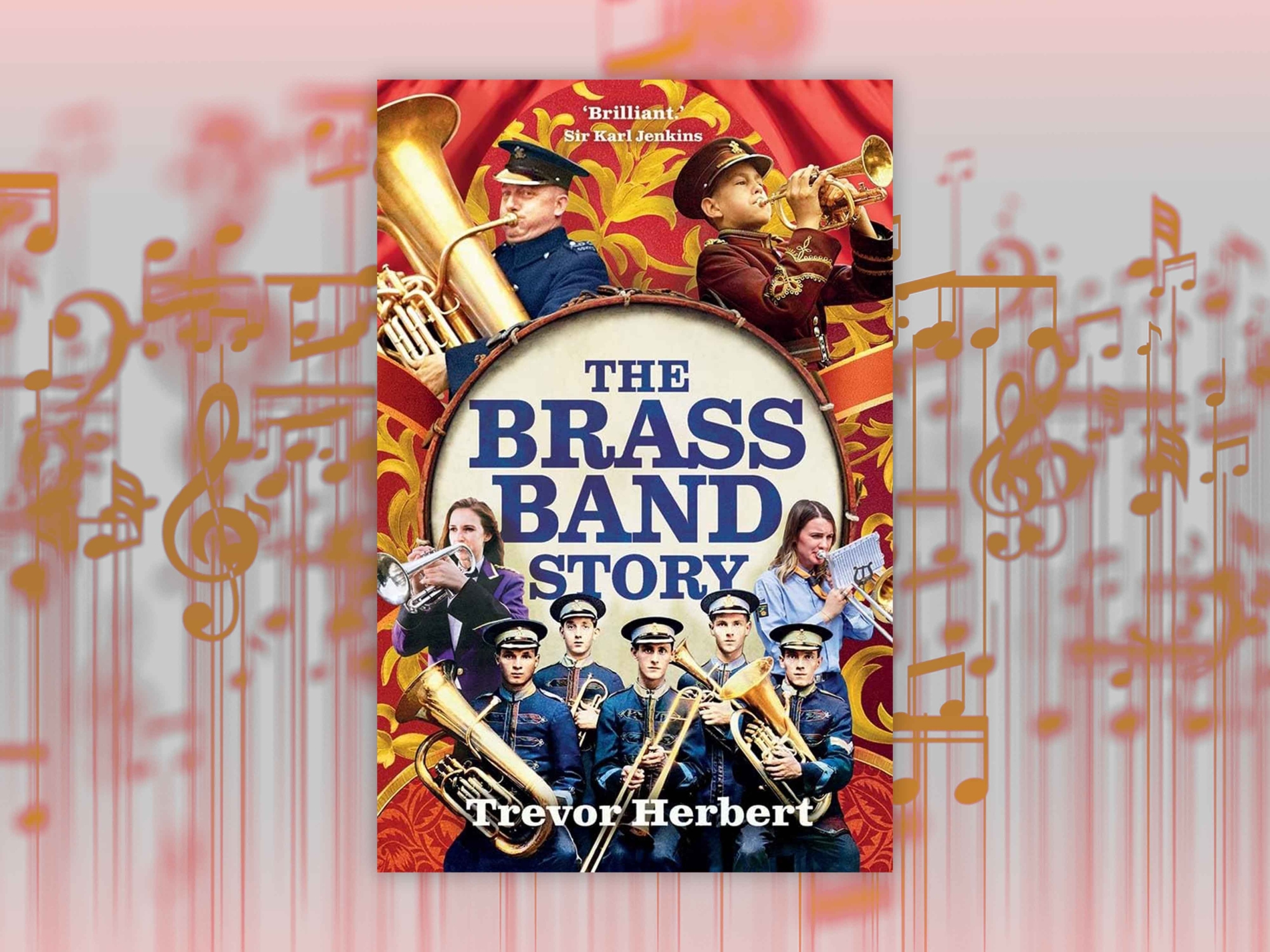
The Story of the Brass Band
By: Trevor Herbert
Published by: Yale University Press
This book traces the history of a musical tradition woven into British social life since the 19th century. Drawing on extensive scholarship and personal experience, Trevor Herbert's book studies Britain's social transformations as much as it traces a musical institution.
His account begins with the Industrial Revolution, when British towns and cities expanded rapidly, and demand for new forms of popular entertainment grew. Brass bands emerged as a distinctive musical and social phenomenon, giving working-class communities opportunities for cultural participation, collective organisation, and expressing local identity.
Herbert shows how rapidly it spread, with thousands of bands at the height of the Victorian era. Competitions became major occasions that drew large audiences. The author connects the music to the economics, politics, and social structure. Brass bands served as community institutions, fostering solidarity in industrial towns, reinforcing local pride, belonging, musical education, discipline, and collective endeavour.
The book also follows the challenges the movement faced as modern forms of entertainment rose, from cinema to radio and television. Bands had to adapt and reinvent themselves in terms of performance, repertoire, and festival presence.
Ultimately, Herbert's book is about more than brass instruments and musical ensembles; it is also a story of the people who created and sustained a tradition, and of communities that found in music a way to confront rapid economic and cultural change. In this sense, it testifies to the resilience of popular musical traditions and their enduring place in collective memory.
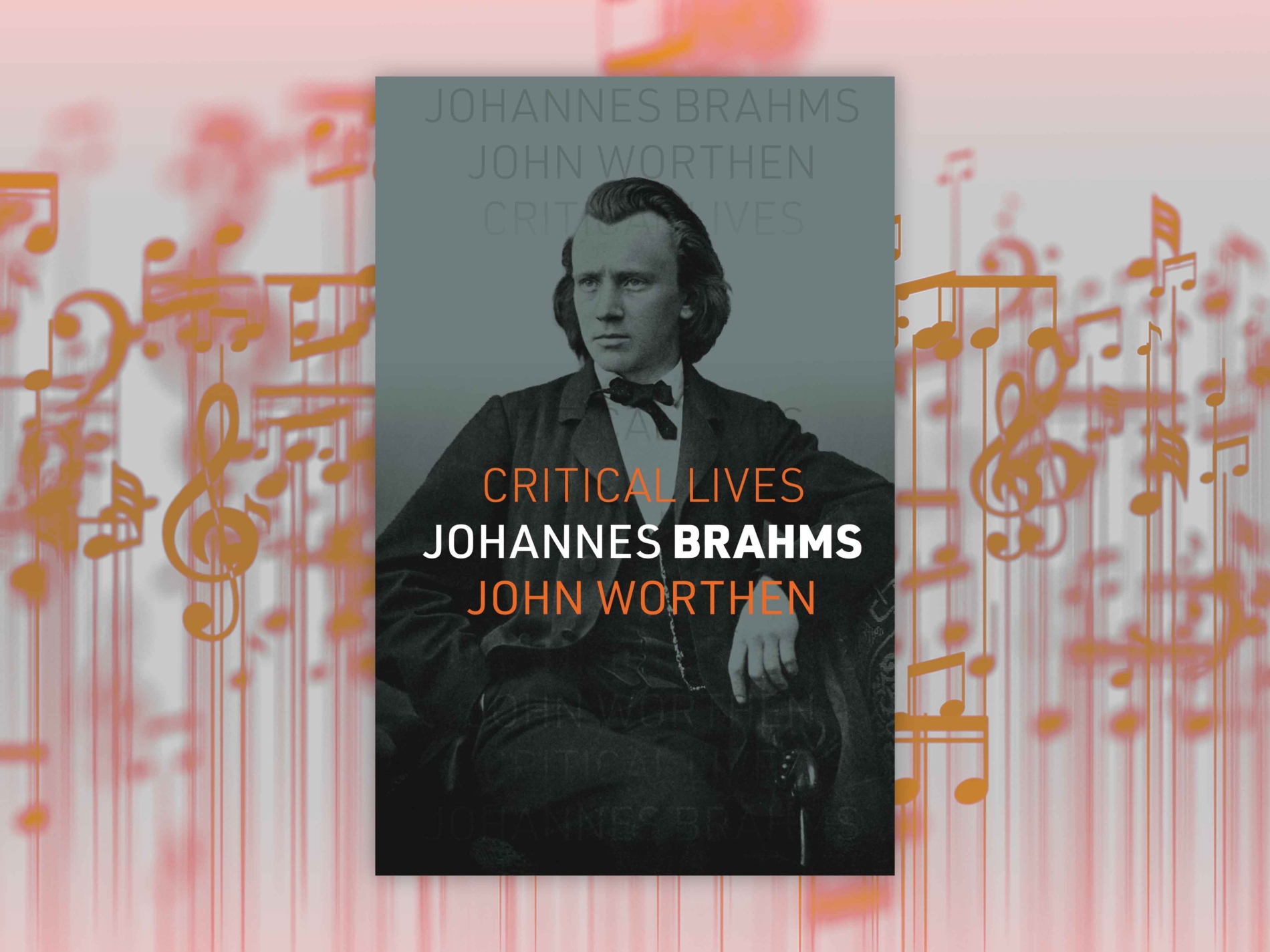
Johannes Brahms: A Critical Life
By: John Worthen
Published by: Reaktion Books
This book explores the extraordinary relationship between German composer, pianist, and conductor Johannes Brahms and German virtuoso pianist and composer Clara Schumann, both key figures of the Romantic period, to unlock the former's character and creative life. Author John Worthen moves beyond the familiar image of Brahms as reserved and emotionally remote, revealing instead a man shaped by a profound and enduring love that influenced his choices and inspired much of his artistic output.
The story begins in 1853, when the young Brahms arrived at the Düsseldorf home of Robert and Clara Schumann on the recommendation of the violinist Joseph Joachim. The visit proved decisive. Robert Schumann recognised in Brahms an exceptional talent and a possible new future for German music. Events soon took a tragic turn when Schumann suffered a severe psychological collapse, attempted suicide, and was committed to an asylum, where he remained until his death a few years later.
Worthen regards this experience as a defining event for Brahms. His relationship with Clara grew beyond artistry into an emotional and intellectual bond that endured for the rest of their lives. As well as the woman he loved, Clara was also his mentor, critic, and champion. She opened the Schumann library to him, introduced him to a wide range of literary and musical works, supported his compositions early on, and gave the first performances of several.
The book concentrates on Brahms' early years and, drawing on letters and historical documents, Worthen presents a portrait of an intensely sensitive artist caught between his desire for closeness to Clara and the impossibility of turning that relationship into a shared life.
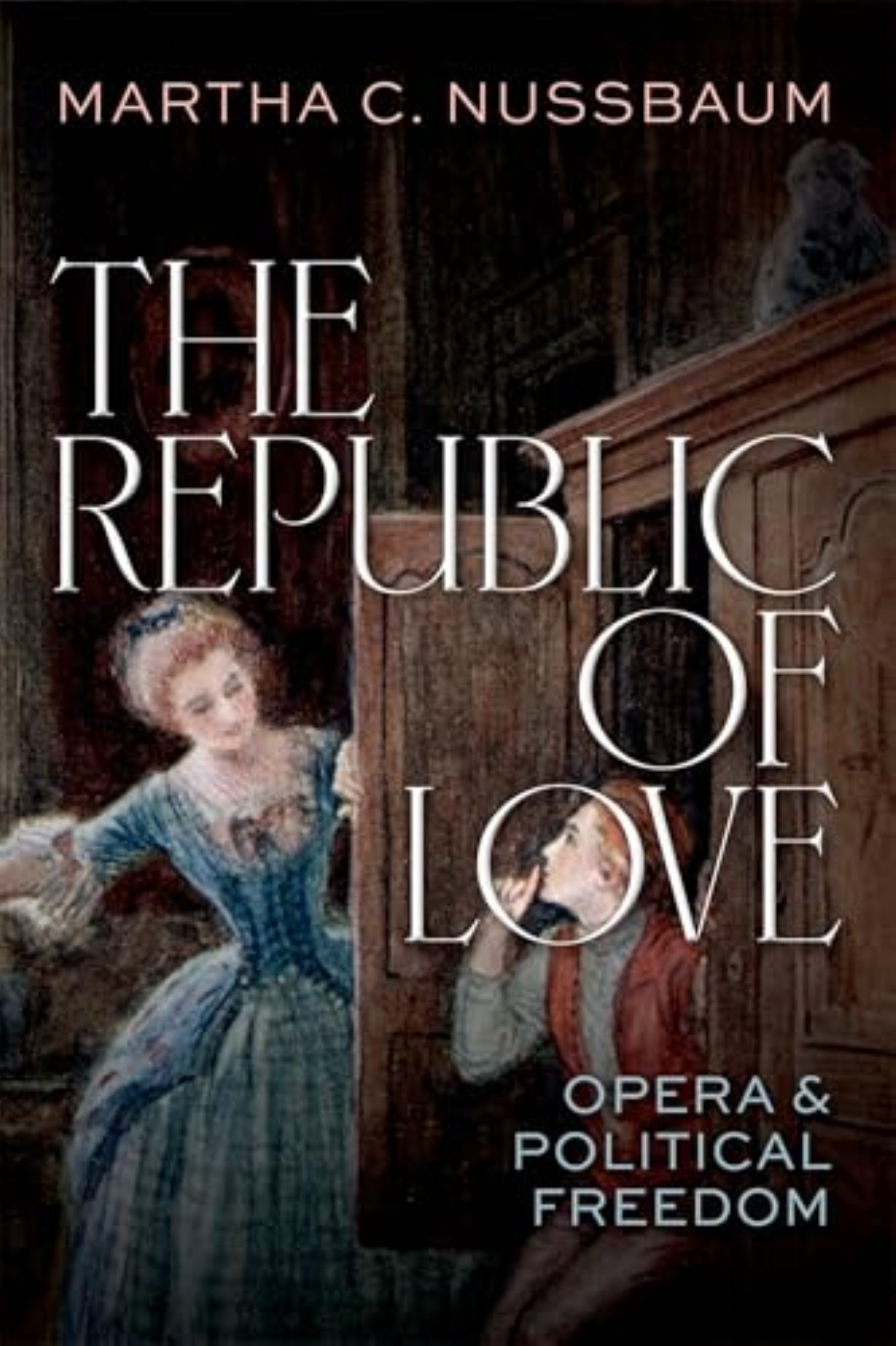
The Republic of Love: Opera and Political Liberty
By: Martha Nussbaum
Published by: Oxford University Press
In this book, which begins with the premise that modern political crises are also crises of emotion, American philosopher Martha Nussbaum approaches opera as a school of political and ethical reflection and as an art form capable of shaping democratic consciousness while deepening our understanding of freedom, empathy, and pluralism.
Mozart stands at the heart of the book. Nussbaum argues that his genius lies in the humane vision that permeates his works, particularly those composed within the intellectual climate of the European Enlightenment, which offered a vision of society founded on mutual respect, equality, and tolerance. She contends that Mozart's music often reaches beyond the limits of the libretti (the words in a musical piece), giving his characters a human depth that the words alone cannot always convey.
Music thus becomes a parallel ethical and political language, more forceful than direct theoretical argument. Nussbaum further argues that liberal democracy rests on recognising human diversity rather than social uniformity. She finds this principle embodied in Mozart's flawed, contradictory, and vulnerable characters, who still deserve understanding and compassion.
The book then traces this vision through the works of Beethoven, Verdi, Benjamin Britten, and Jake Heggie. Nussbaum places Richard Wagner in philosophical opposition to this project, discerning in his works (shaped by Schopenhauer's pessimism and German nationalism) a more constricted vision in which collective belonging becomes a measure of exclusion and difference a reason for rejection.