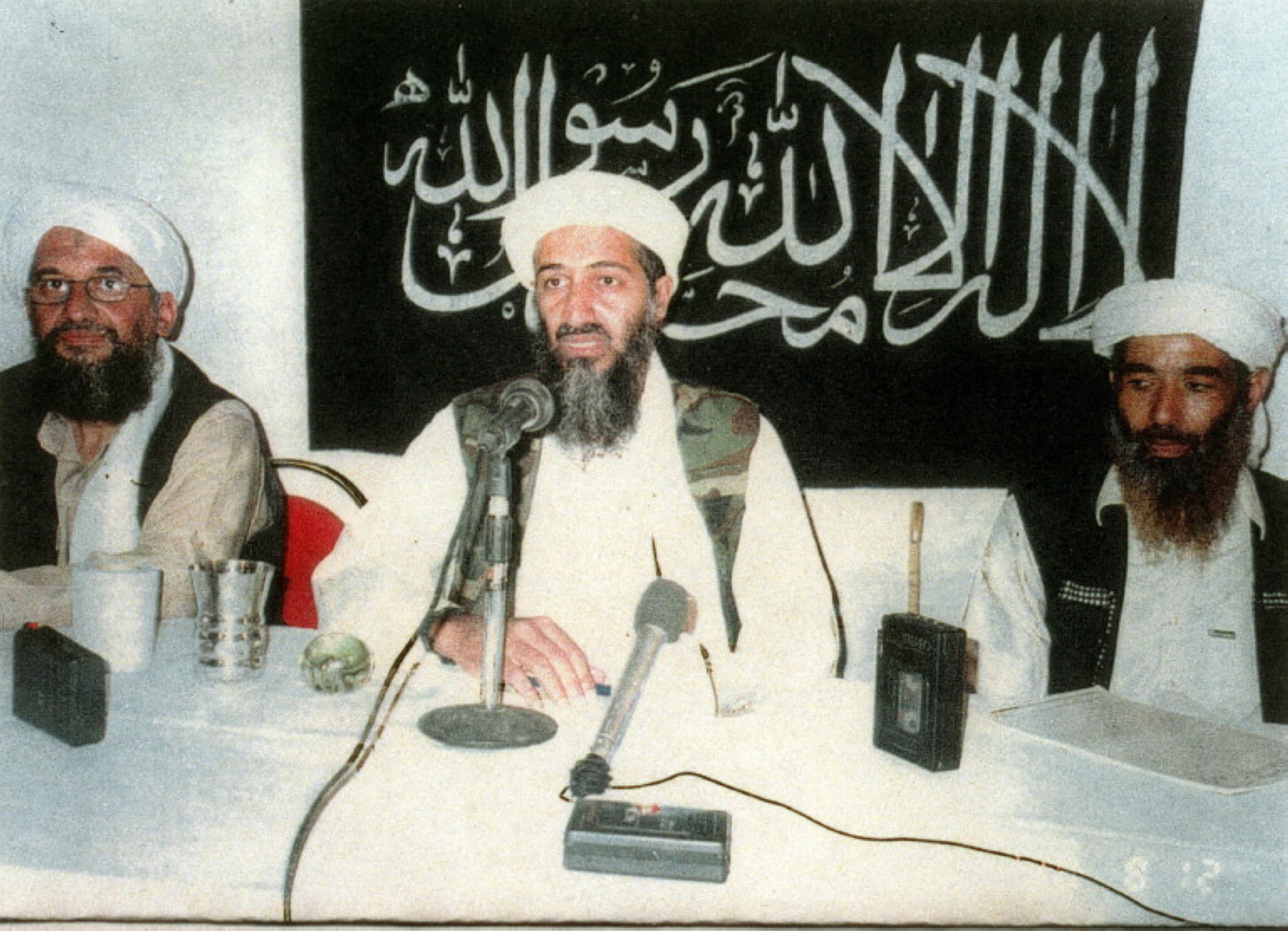

Not all anniversaries receive equal attention, even when they are related. As the 25th anniversary of the attacks of September 11 arrives, another significant date recently went largely unnoticed. August 23 represented the 30th anniversary of a publication in Al-Quds Al-Arabi, an Arabic-language newspaper based in London. Titled "Declaration of War Against the Americans Occupying the Land of the Two Holy Places," the 12-page piece audaciously warned Americans in Saudi Arabia at the time to leave or face the consequences. The warning came from Osama bin Laden, leader of a then little-known group called al-Qaeda.
Less than two years later, bin Laden and other Islamist leaders from Egypt, Pakistan, and Bangladesh, united as the “World Islamic Front for Jihad Against Jews and Crusaders,” issued a declaration of war against the United States. Their announcement stated boldly that it was the duty of Muslims anywhere in the world to kill Americans. Al-Qaeda was signalling its global ambitions and a desire to engage directly with the most powerful nation in the world, the United States.
Actions followed the words. Two trucks driven by suicide bombers struck American embassies in Kenya and Tanzania simultaneously in August 1998. In October 2000, two suicide attackers in a boat nearly sank a US warship anchored in Aden, Yemen, killing 17 sailors in the process. And, of course, 9/11, the biggest non-state terrorist attack in history, would follow less than a year later with nearly 3,000 deaths and a global impact still being felt a quarter of a century later.
But what was al-Qaeda and where did it come from? The answer is complicated, reflecting the interconnection of global events, ideology, and the role of personalities, particularly bin Laden.
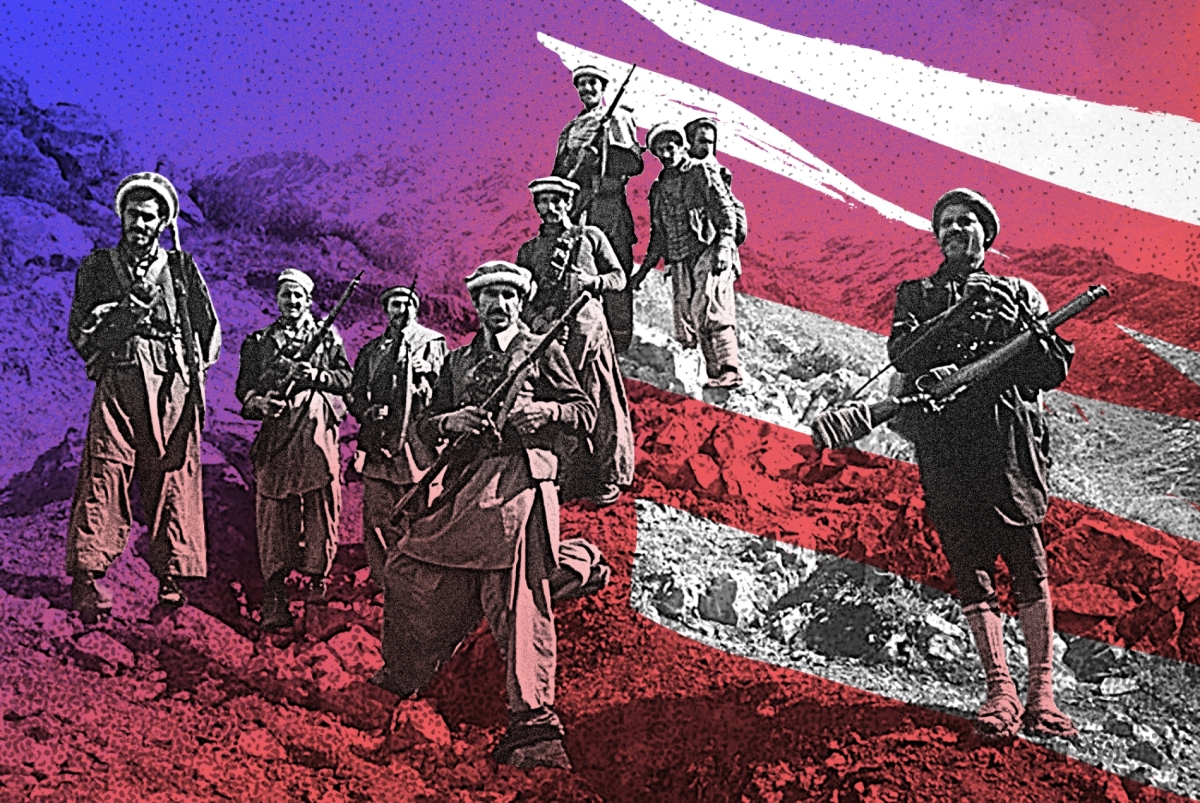
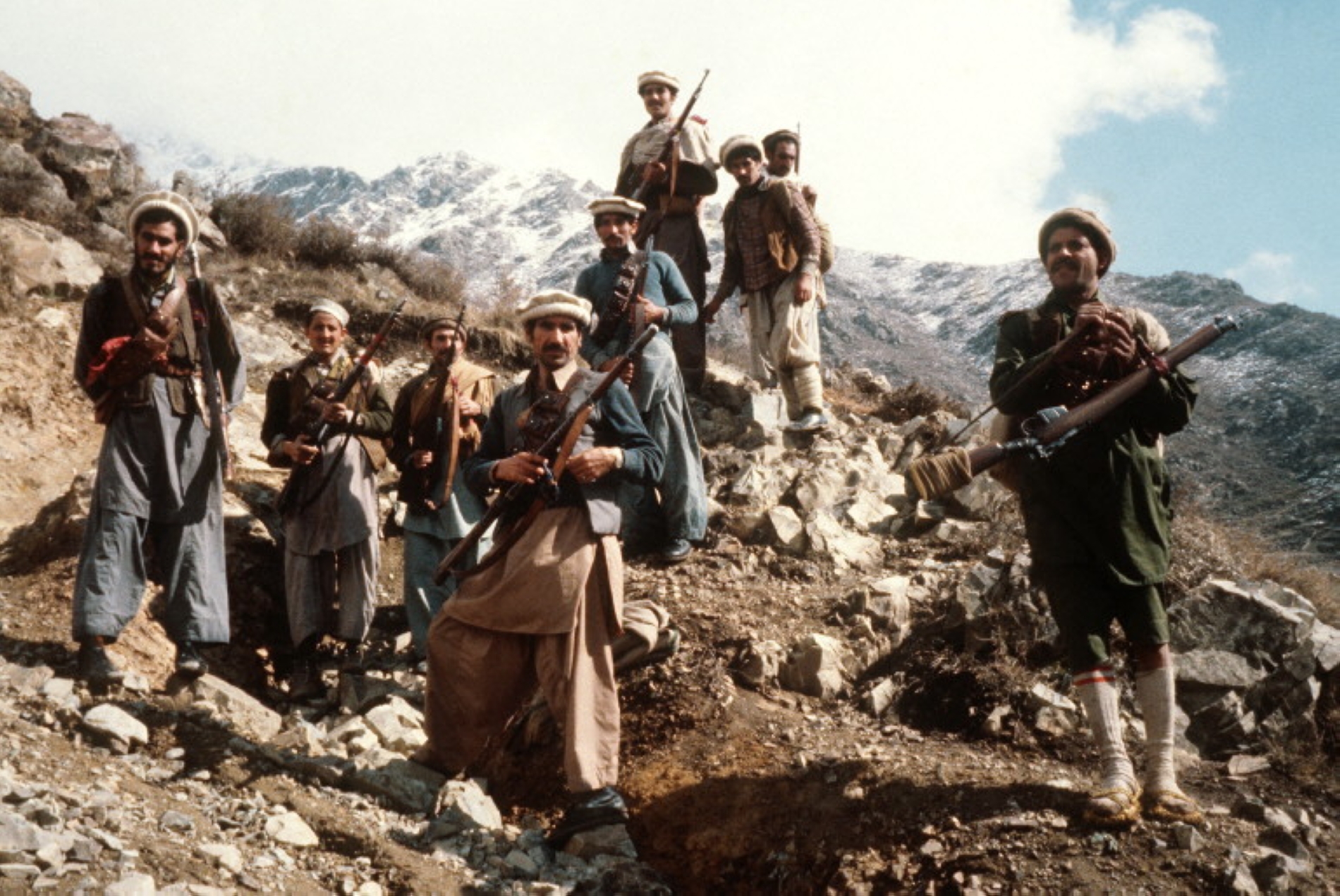
Al-Qaeda emerged directly out of the invasion of Afghanistan by the Soviet Union on 24 December 1979. A rallying cry went out to the Muslim world, and volunteers came in the thousands to join Afghans in fighting against the Soviet invaders.
Largest covert CIA operation
Aided by the largest covert operation in the history of the American Central Intelligence Agency and through support from the Inter-Services Intelligence agency of Pakistan, the mujahideen eventually compelled the Soviet military to withdraw in 1989. A few months earlier, bin Laden and some of the other “Afghan Arabs,” the nickname given to the volunteers from abroad, emboldened by the Soviet defeat, formed a small organisation to continue the fight.
Pivotal events across the 20th century meant there was much for al-Qaeda to target by violence. The collapse of the Ottoman Empire at the end of World War One and the restructuring of the Middle East by France and Great Britain afterwards fostered widespread resentment and disunity. The rise of Israel after World War II through Western support and its major victory over multiple Arab nations in the 1967 war, which included the seizure of East Jerusalem and the West Bank from Jordan, created a sense of despair and growing anger toward the secular leadership of Arab states such as Egypt.
US regional involvement
Then there was the United States. Involved in the Middle East since the 1940s because of its need for oil and support for Israel, the US became more enmeshed in the region as decades went on. It militarily intervened in Lebanon, for instance, in 1958 and then from 1982 to 1984; it sent emergency aid to Israel during the 1973 War; it brokered a peace agreement between Israel and Egypt in 1978; it bombed Libya in 1986; it helped expel Iraq from Kuwait in 1991.
American Middle Eastern activities served as a major impediment to the goals of Islamist groups which had targeted the Egyptian and Saudi governments for destruction. Both were allied with and supported by Washington, including financially in Egypt's case. Eventually, al-Qaeda calculated that if it could strike a major blow against the United States, Washington might retreat from the region, leaving local states vulnerable to being overthrown by Islamists.