The Dallas gamble: why Republicans are nationalising local elections

US midterm elections in November will determine control of Congress. Typically, these contests come down to local issues and local personalities, but Donald Trump wants to change that

Dominic Bugatto

The Dallas gamble: why Republicans are nationalising local elections

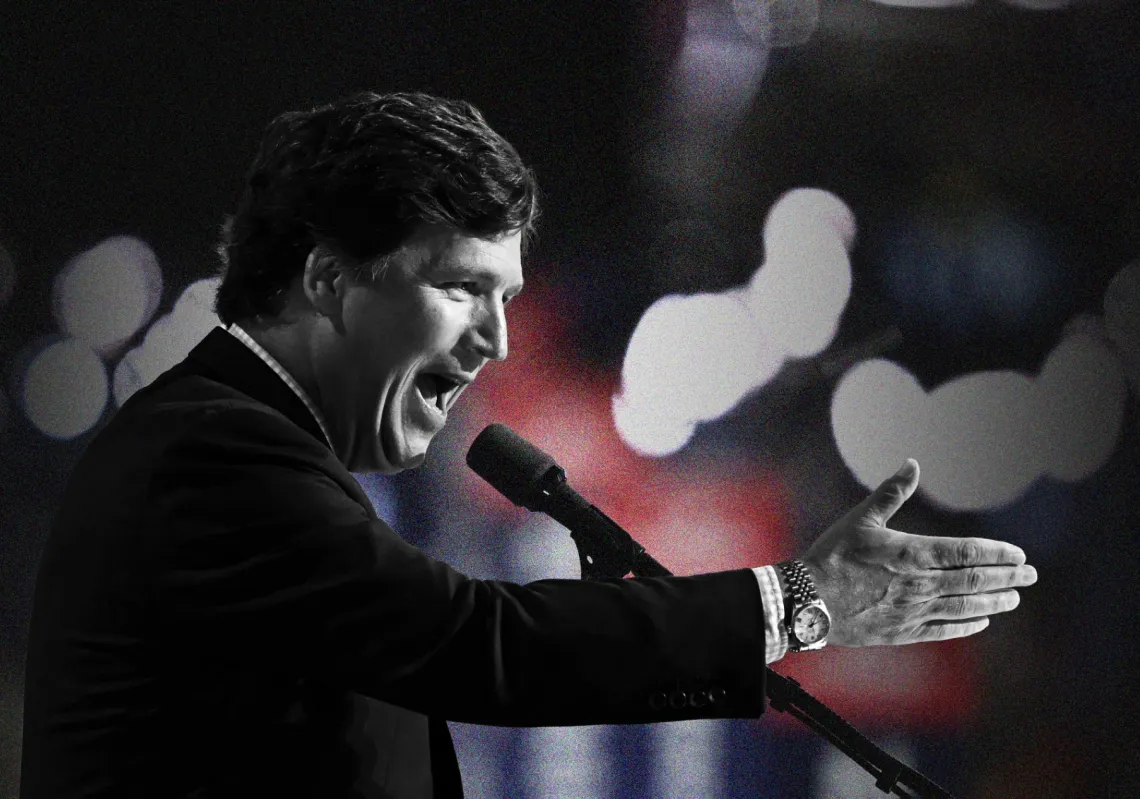
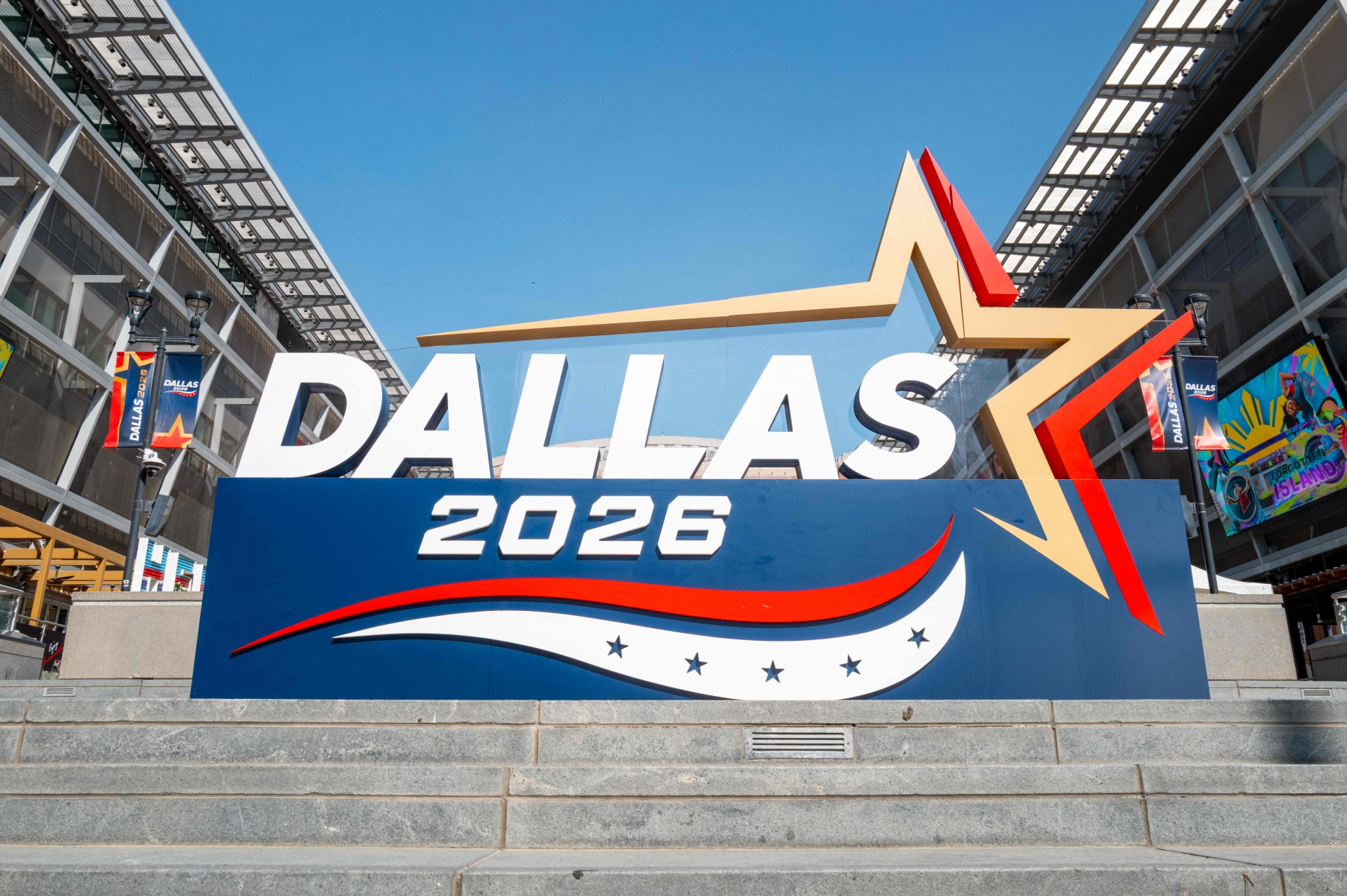
US President Donald Trump will take the stage at the American Airlines Centre in Dallas today, less than two months before the crucial midterm elections. His appearance will be more than another partisan gathering with familiar campaign rituals. Behind the glitz and glamour, the Republican Party will test an early electoral platform aimed at turning the upcoming Congressional elections from fragmented, compartmentalised district contests into a broader national referendum on Trump, his presidency, and his political agenda.

The event, taking place 9-10 September, is a first in the Republican Party’s modern history, and some would say, a political gamble: a national convention held shortly before the November midterms, in a year without a presidential race. And can Trump break the historical pattern of midterm elections, which has repeatedly inflicted Congressional losses on the president's party and turn it into a renewed popular mandate?

While the Dallas convention offers an opportunity to unify party messaging, galvanise the Republican base, direct financial resources, and place Congressional candidates under a common national narrative, it also exposes the party to substantial risk by linking local Republican candidates to the administration's overall performance. That could narrow candidates’ room for manoeuvre in competitive districts. The gamble is even more risky given the timing and apparent disconnect in some areas between right-wing Americans and Trump’s recent White House decisions.

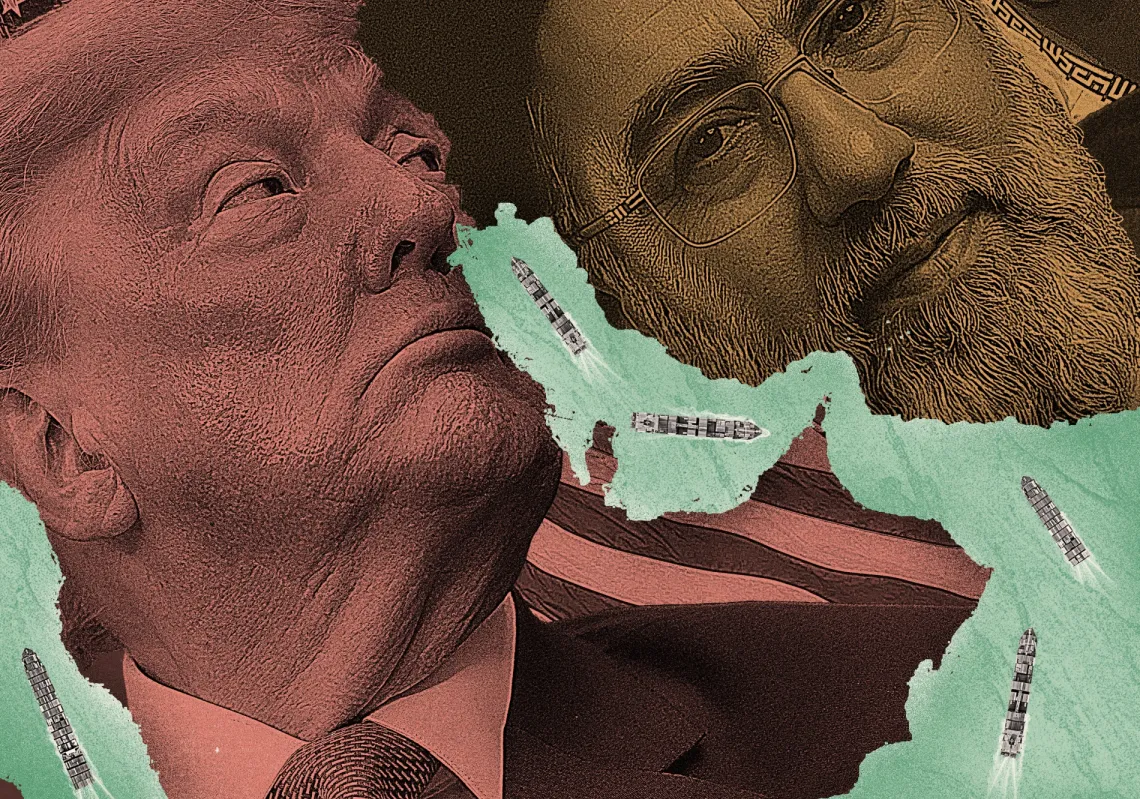
Foreign policy is one such area. Many Republicans, including those signed up to Trump’s Make America Great Again (MAGA) movement, remain highly sceptical of US foreign military interventions, such as the current one in Iran. They consider US involvement in yet another Middle East war to be unnecessary, not pursuant to US national security priorities, and a break from Trump’s campaign pledge to keep US troops out of any new conflict.

New template

The Dallas convention is different from more familiar models of American political events. The Republican National Convention (RNC) is the party’s traditional quadrennial institution tied to presidential elections. Its formal constitutional and organisational functions include nominating candidates for president and vice president, adopting the party’s official platform, and launching the White House campaign. The Dallas convention has neither the RNC’s procedural powers nor does it seek to replace them.

A second model consists of regular RNC meetings and internal organisational conferences, which may take place during midterm election years, but these are generally administrative, bureaucratic, and procedural, focusing on institutional, financial, logistical, and campaign affairs, with much less media attention. The primary objective of this model is party management, not electoral theatre.

The third model includes broad ideological and mobilisation events such as the Conservative Political Action Conference (CPAC). These conferences often make the national news, showcase conservative rhetoric, connect elected officials with activists, and present the ideological priorities of the party’s most energised constituencies, but they remain advocacy-centred platforms, not formal expressions of the Republican Party’s institutional machinery.
Brandon Bell / AFP

The Dallas experiment relies on an organisational framework created by an RNC rule amendment adopted at its January 2026 winter meeting. That framework allows for a “national celebratory and mobilisation event” between presidential election cycles, provided it does not conduct official party business or hold binding procedural votes. It therefore creates a new instrument tailored specifically for the midterms, combining the symbolic power of a national convention, the operational reach of the party apparatus, and the media force of a big rally.

It gives Trump a platform to address activists, donors, candidates, state leaders, and voters. More importantly, it offers the Republican Party a mechanism to construct a unified political message as local campaigns start to define their own identities, priorities, vulnerabilities, and tactics.
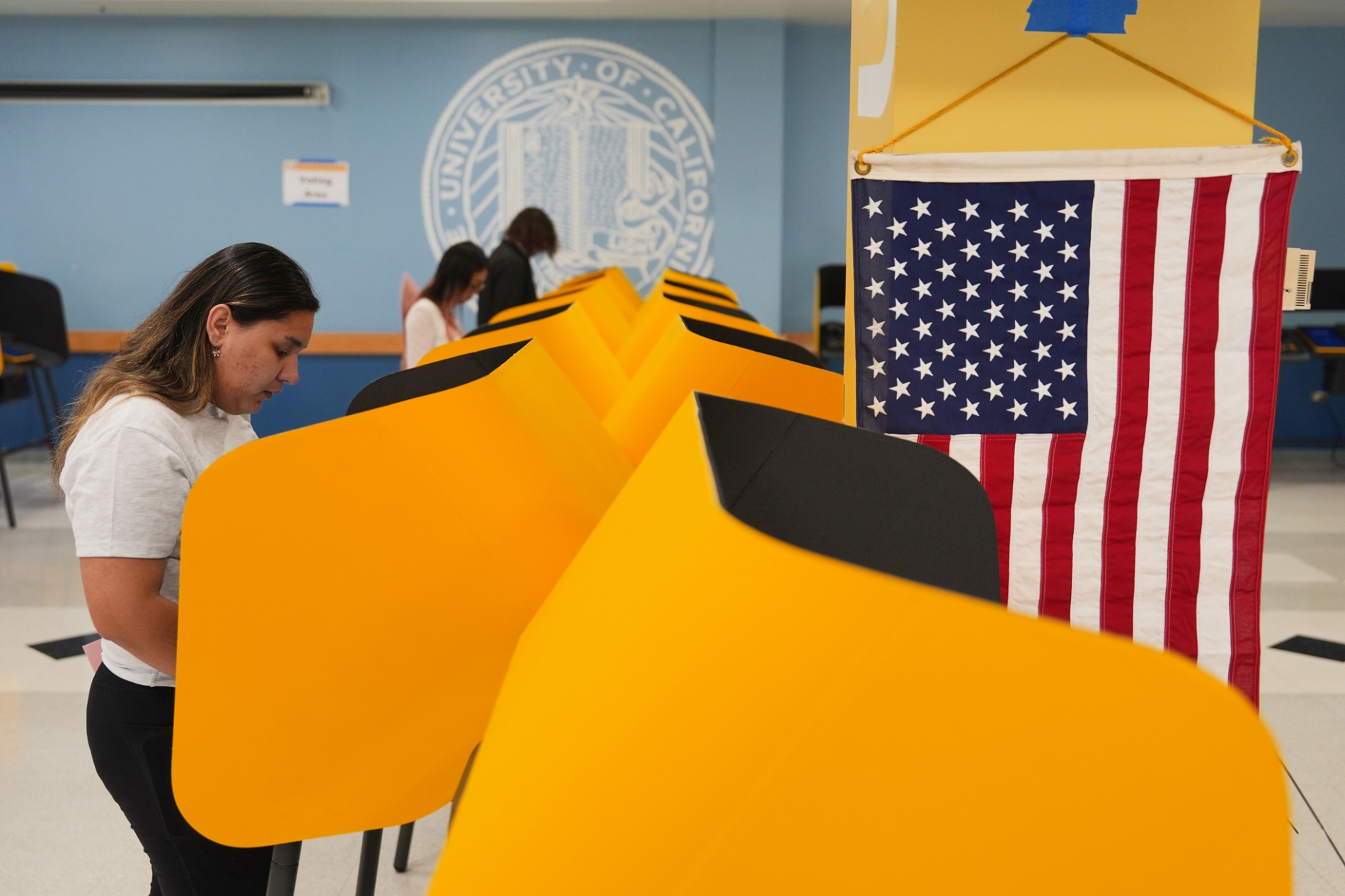
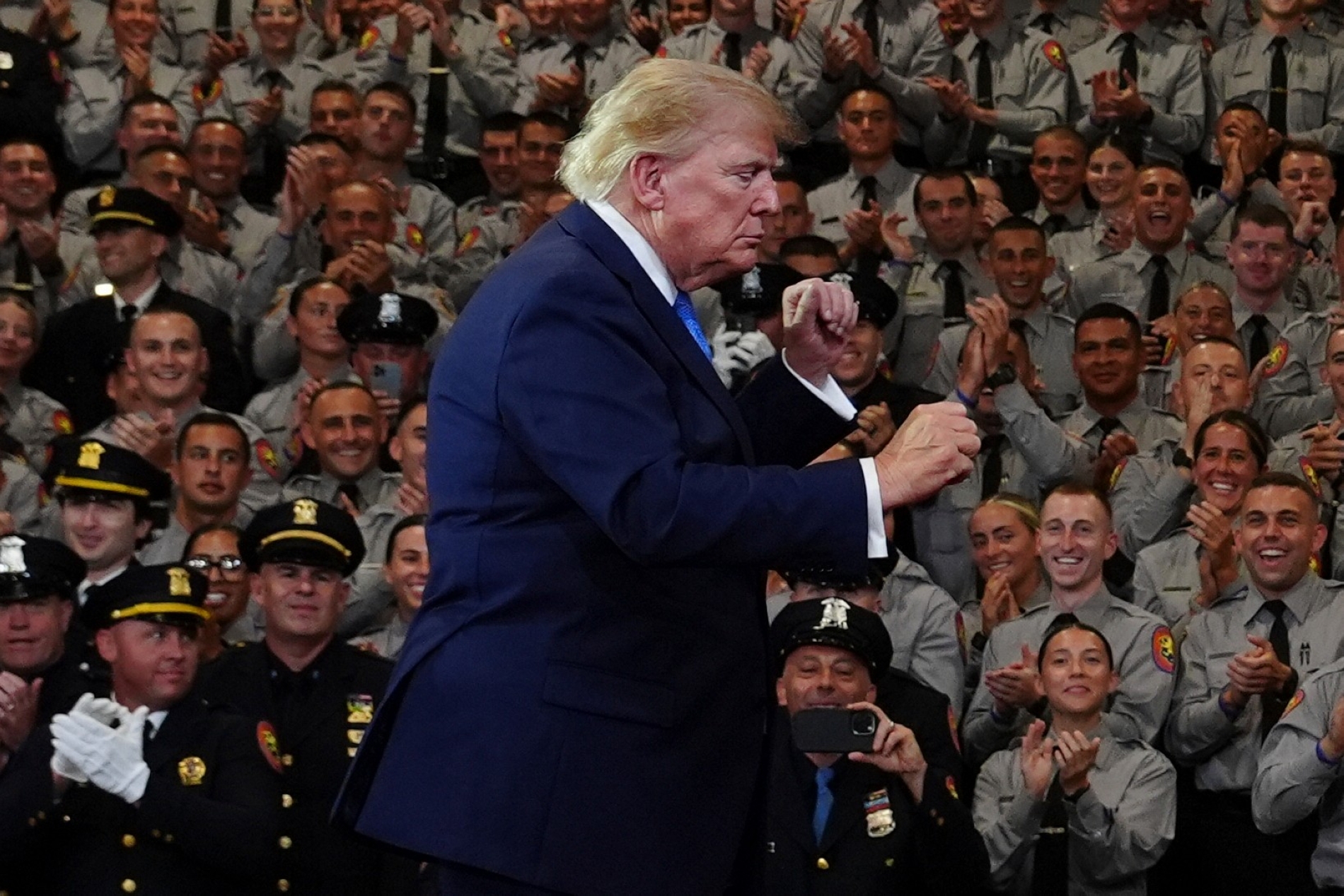
Many Republicans remain highly sceptical of US foreign military interventions, such as the current one in Iran

Significant timing

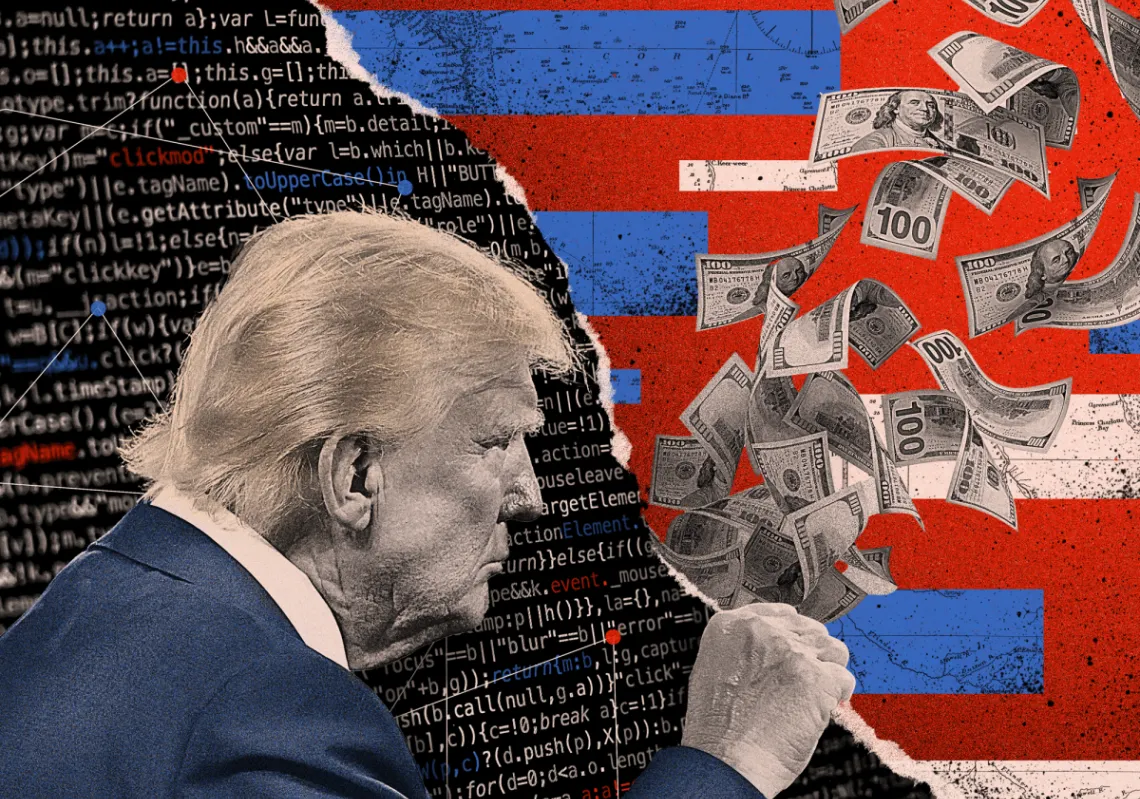
The timing of the Dallas convention is significant. It arrives between the end of the primary season (when the candidate field is largely established) and the most intense phase of the election campaign, less than two months before Election Day on 3 November. The timing therefore serves an important organisational and communicative purpose: it lets Republican leaders align the party's national message before committing hundreds of millions of dollars to advertising. It also allows the party to present a unified rhetorical framework before candidate debates intensify and campaigns get shaped by local controversies, polling shifts, and district-specific priorities.

At the same time, Dallas may offer a window to reassess the tactical landscape once the most competitive House and Senate races become clear, with national party committees, donors, campaign operatives, and outside political groups identifying the key races. In this way, the event could serve as a coordination point for redirecting financial resources, staff, volunteers, media attention, and presidential involvement toward districts and states with narrow margins.

Building national momentum is one element of the timing, but the big question is whether that momentum can translate into district-level electoral gains. Congressional races are still largely shaped by the political, economic, demographic, and cultural realities of individual states and local communities. A message that energises Republican voters nationally may not persuade independents, moderates, and the economically anxious in closely contested districts.

AP/Jae C. Hong

Breaking the curse

The Dallas convention aims to confront an entrenched pattern in American legislative politics: the so-called midterm penalty. Historically, the president's party loses Congressional seats in midterms, although this remains subject to myriad variables such as economic performance, inflation, presidential approval ratings, employment trends, candidate quality, turnout, campaign spending, redistricting, and the geographic distribution of competitive seats.

Republicans are acutely aware of the balance of power in Washington, and the second half of Trump's final term could come down to who controls Congress. Maintaining majorities in both the House and Senate, or at least limiting losses, would strengthen his ability to pass legislation, confirm nominees, protect his economic agenda, and sustain his policy priorities. A Democratic takeover of either chamber would expand Congress's capacity for oversight, investigations, subpoena authority, and political confrontation. The Democrats could then use legislative obstacles and oversight battles to delay, deflate, and divert resources away from major White House policy priorities.

In the Senate, the Republicans are defending 22 of the 35 seats up for election, leaving the Democrats needing only a net gain of four seats for a majority. In the House of Representatives, where all 435 seats are on the ballot, Republicans defend an even slimmer majority, just above the 218-seat threshold. Furthermore, Cook Political Report ratings in August 2026 indicated that roughly 15 of the 19 'toss-up' (i.e. too close to call) districts were held by Republicans, highlighting the vulnerability.

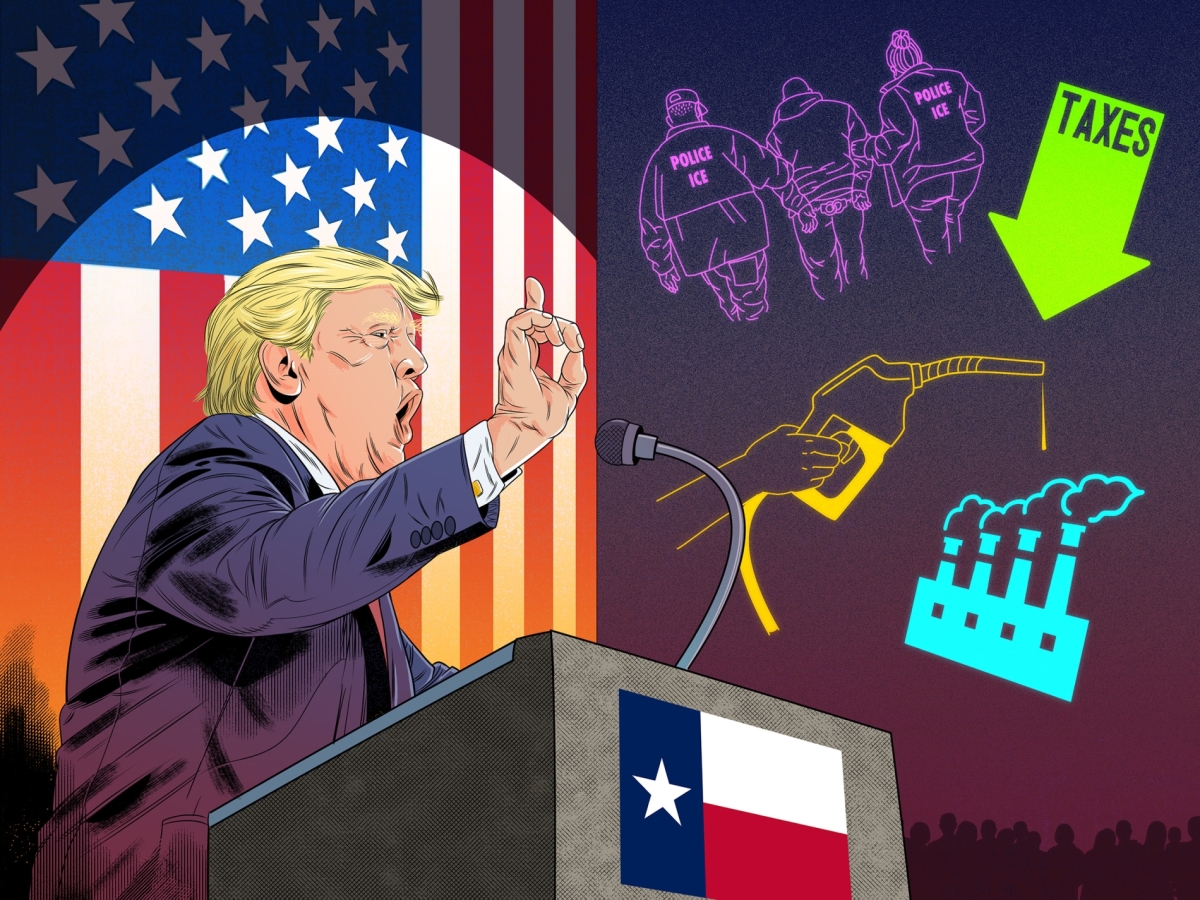
The Dallas convention may therefore offer as much defensive value as offensive ambition. The Republican party wants to turn the midterms into a national referendum that minimises its exposure in vulnerable districts, increases turnout among the MAGA base, and allows it to hold enough seats to preserve Congressional power. The messaging in Dallas will therefore likely focus on themes such as tax cuts, reducing federal spending, border security, immigration enforcement, manufacturing incentives, energy production, and lowering the cost of living.

AP Photo/Julia Demaree Nikhinson

Promise vs delivery

Trump's ability to convert these themes into electoral gains depends on convincing voters that he has delivered on promises. Americans will be asked to consider whether his tax policies have improved household finances, whether any spending restraint has reduced economic pressure, whether manufacturing and energy policies have helped workers and communities, and whether Trump's government has brought prices down to lower the cost of living.

The answers will be particularly salient in districts where voters are less motivated by partisan loyalty and more by wages, inflation, housing, and fuel prices. Trump's war with Iran, and its effect on energy prices, could impact the cost-of-living debate in the run-up to November. Heavy military spending has coincided with surging fuel prices and supply-chain disruptions, directly affecting household budgets. The Department of Defence put the cost of the war at $375bn by the end of July, with additional costs projected through the end of the fiscal year, Reuters reported.

With gasoline prices having surpassed $4 per gallon, Democrats will argue that the war bill, energy prices, and inflation are eroding any tangible benefit of tax relief for middle- and lower-income families. In this way, the war is no longer a foreign-policy issue, but a domestic one. In Dallas, Trump may focus on tax policy, immigration, manufacturing, border security, and economic nationalism, but the key issue will be his administration's actual record on taxes, spending, and inflation. Dallas therefore becomes an effort to pre-emptively shift the political debate from accountability to credibility.

If Republican voters associate Trump with foreign wars and economic uncertainty, nationalising the midterms could backfire

Choosing a strategy

Republican strategy ahead of Dallas forced a fundamental electoral choice: nationalise the midterms into a broad referendum on Trump, or localise them by giving candidates more latitude to defend specific local priorities. The nationalisation strategy encourages voters to make their decisions through the prism of national polarisation, rather than contests defined primarily by personal, ideological, or policy differences between individual candidates in separate districts.

This approach offers clear advantages. It can unify the party's message, maximise national media coverage, strengthen fundraising, activate the Republican base, and encourage voters to see Congressional races as an extension of the battle for the White House. Tax cuts, border security, immigration enforcement, manufacturing, energy policy, and national security all fit within a single coherent political narrative.

Trump's centrality is valuable. He is the party's most powerful mobilising figure, its most recognisable national messenger, a media magnet, and a donor favourite. A convention centred on him may deliver the cohesion that a party with ideological, geographic, and institutional differences has previously lacked. But it is a high-risk strategy if voters associate him with economic uncertainty, high living costs, state spending, and unpopular foreign wars. Nationalising the midterms is therefore a double-edged sword.

Stephen Maturen / AFP

The localisation strategy responds to a practical necessity for candidates in swing districts and battleground states who cannot rely solely on national rhetoric. They must address immediate local concerns, including jobs, healthcare, housing, infrastructure, schools, taxes, public safety, and the cost of living. In many cases, Republican candidates may do better if they distance their campaigns from the White House to attract non-partisan voters.

This dynamic is especially important in the House of Representatives. Although all 435 seats are being contested, control is not determined by the national mood alone; it depends on a relatively small number of vulnerable districts which can be politically diverse and economically sensitive. Those candidates may need to demonstrate that they can represent local interests while still supporting the broader Republican agenda.

The more Dallas makes the midterms a national referendum on Trump, the more likely turnout among core Republican voters is to rise, but that same success may tether local candidates to the administration's record on war, spending, energy prices, and the cost of living. For that reason, candidates' presence or absence in Dallas may indicate whether they think the benefits of alignment with Trump outweigh the risks.

Candidates' presence or absence in Dallas may indicate whether they think the benefits of alignment with Trump outweigh the risks

Shifting centre of gravity

The Dallas convention will not signal a definitive structural transformation of the Republican Party. State parties, local chapters, Congressional campaign committees, and individual candidates will all continue to retain considerable institutional autonomy. Its significance lies in revealing a broader shift in the party's political, media, and financial centre of gravity toward the presidency and the White House.

This shift reflects a political dynamic in which Trump's charismatic authority increasingly competes with, but does not fully replace, the rational-legal authority embedded in party institutions, committees, rules, and state organisations. Trump is not just a president campaigning for Republican candidates; he has become the central pivot around which the party's messaging, conservative-base mobilisation, media coverage, and donor networks increasingly revolve.

Incorporating the 'America First' ethos into daily party operations reflects an advanced alignment between White House priorities and the party's official infrastructure. Candidates, state parties, and Congressional leaders may not share the same priorities, but the symbolism, language, media incentives, fundraising networks, and electoral identity have increasingly been organised around Trump's political leadership.

SAUL LOEB / AFP
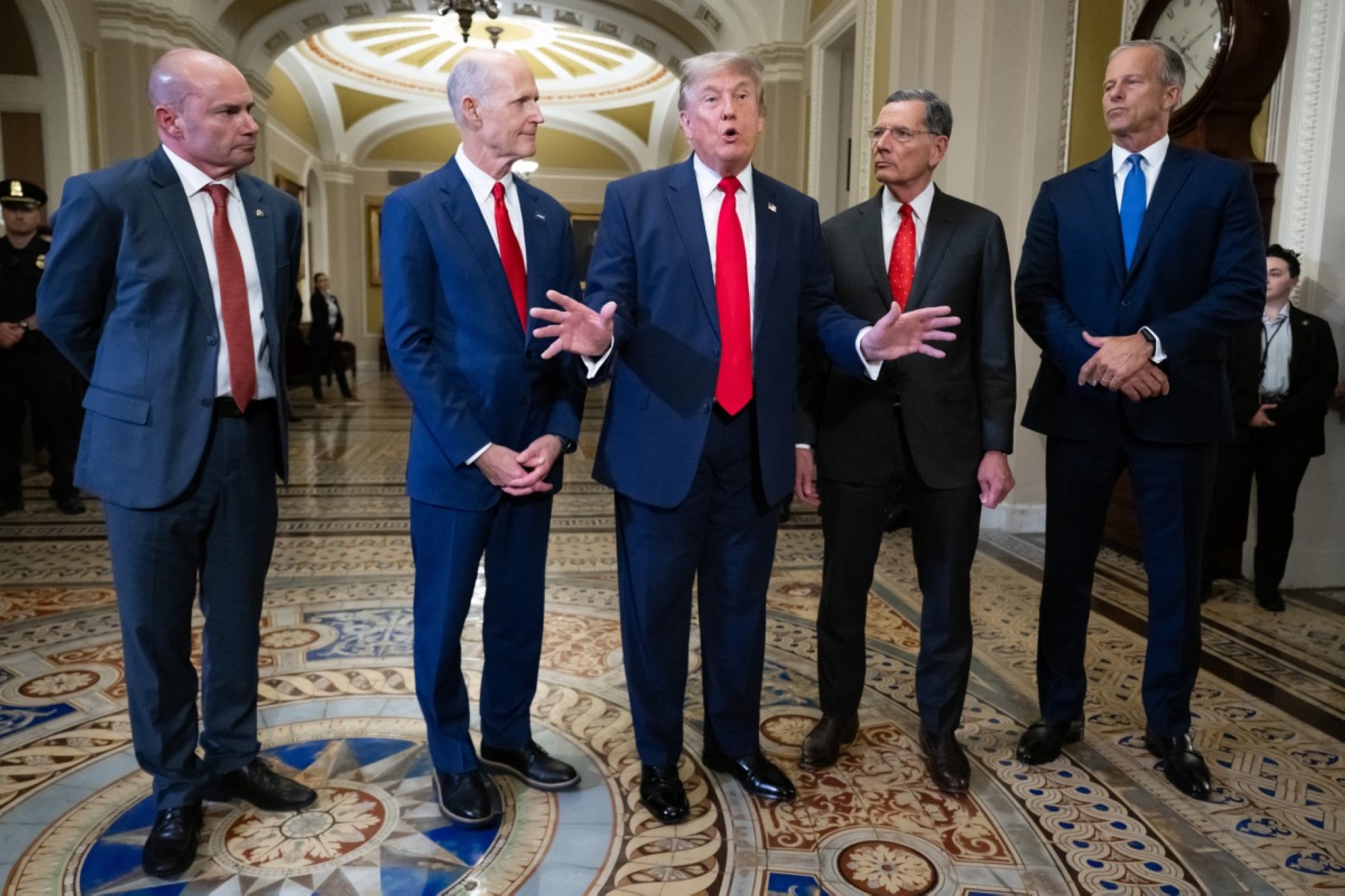
US President Donald Trump (C), alongside Senate Republicans at the US Capitol in Washington, DC, on 24 June 2026.

Organisers will hope that Dallas serves as a bridge connecting the national party leadership, congressional caucus leaders, state campaign committees, donors, activists, and the White House. The participation of House and Senate leaders would provide the event with an institutional dimension, making it less like a Trump rally. In an era of deep partisan polarisation, party identity is shaped as much by national personalities as by local candidates or state-level agendas. This creates a vulnerability, however. The more closely the party's identity becomes connected to Trump, the harder it will be for Republican candidates to separate themselves from his decisions.

Ultimately, the 2026 Dallas convention is neither a routine rhetorical showcase nor merely a celebratory media spectacle. It is a bold electoral and organisational gamble designed to rewrite the midterms' rules of engagement by framing them as a vote of confidence in the president and his political agenda. By 4 November, it will be clear whether it worked.

font change